• Dr Emily Twidale and Dr Alison Bryant-Smith: Onwards and Upwards

    Dr Emily Twidale and Dr Alison Bryant-Smith: Onwards and Upwards

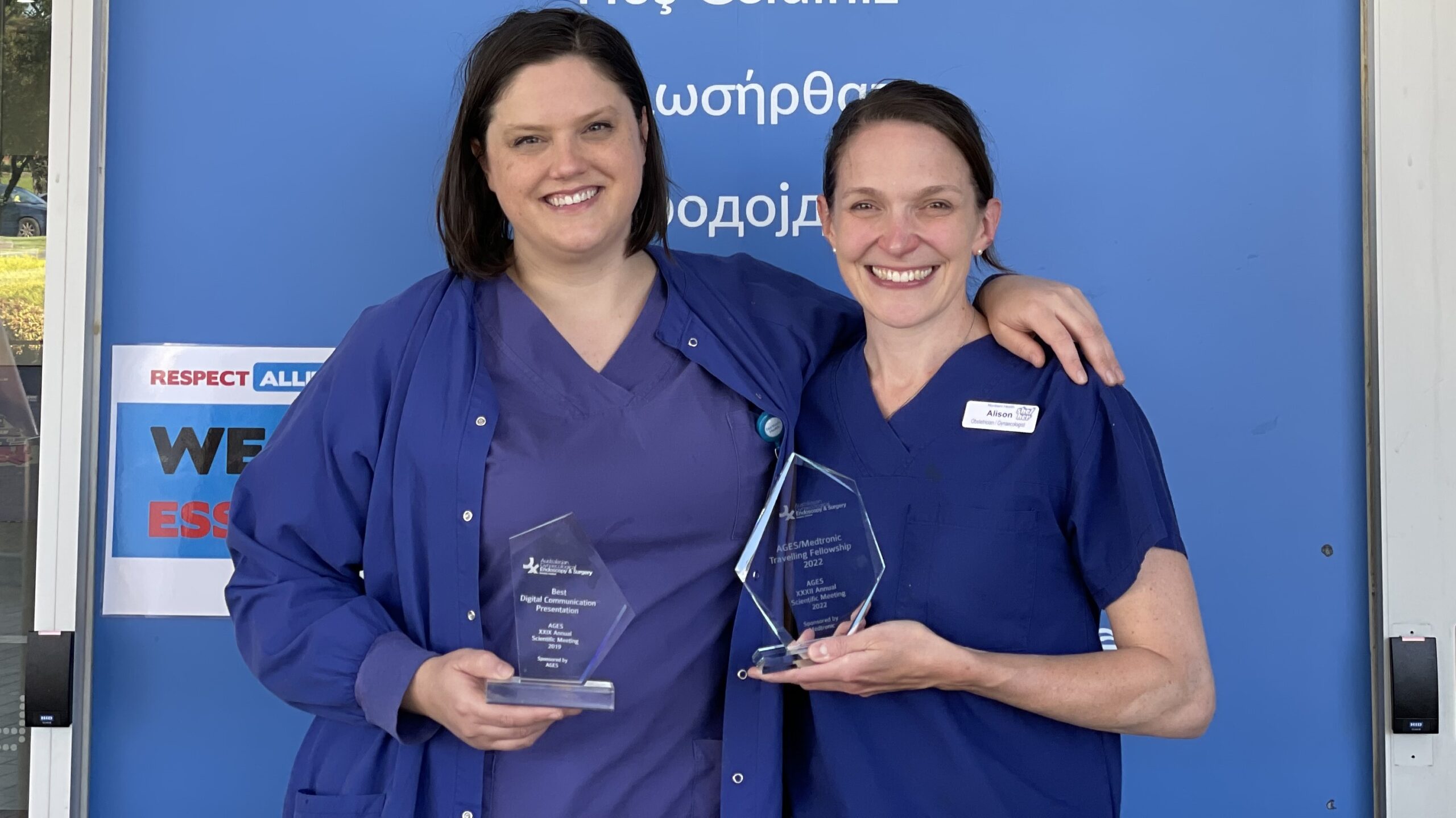
    Northern Health Gynaecologists, Dr Emily Twidale and Dr Alison Bryant-Smith, were honoured at the recent Australasian Gynaecological Endoscopy and Surgery (AGES) Annual Scientific Meeting (ASM).

    Emily won the prize for Best Free Communication on her research into MACH: Methoxyflurane Analgesia for Conscious Hysteroscopy. Alison was awarded the AGES/Medtronic Travelling Fellowship.

    “Pain management is an important component in delivering a patient-centred outpatient hysteroscopy service, and Emily’s research adds to our knowledge in this area,” said Dr Josephine Vivian-Taylor, Head of Gynaecology at Northern Health.

    Alison will visit both Belgium and the UK in 2023, to learn how to implement the widely-regarded Gynaecological Endoscopic Surgical Education and Assessment (GESEA) education program to Australian gynaecology trainees, starting with those at Northern Health.

    As Josephine points out, “Innovation in surgical skills education has become an important aspect of gynaecology training, at a time of reduced operative case numbers and increasing adoption of minimally invasive surgery in gynaecology.”

    Both Emily and Alison recently completed their two-year Fellowship in Advanced Laparoscopic Gynaecological Surgery.

    “The skills they bring to Northern Health will allow the Gynaecology Unit to offer more advanced laparoscopic and hysteroscopic surgery,” Josephine said.

    “They are keen to develop an Endometriosis Service, an outpatient Hysteroscopy Service, and support the education and training of our obstetrics and gynaecology trainees and other consultants in Laparoscopic Gynaecological Surgery.”

    Fittingly the theme of the ASM was ‘Onwards and Upwards’.

    Featured images: Dr Emily Twidale Dr Alison Bryant-Smith.

  • Dr Moira Rush: Sereima Bale Pacific Fellow

    Dr Moira Rush: Sereima Bale Pacific Fellow

    Dr Moira Rush, Staff Specialist at Northern Hospital Epping, is currently in Suva, the capital of Fiji, assisting with training of anaesthetists at the Fiji National University.

    Moira is the recipient of the Sereima Bale Pacific Fellowship. The Fellowship by the Australian Society of Anaesthetists (ASA) was introduced in August 2003 for trainees in their fifth year from Australia to spend three months in the Pacific.

    “I have done lots of short trips to the Asia-Pacific region over the last 10 years to either teach or provide anaesthetic services. I have wanted to work in the region for a longer period for some time to try to have a bigger impact. The Pacific Fellowship was the right amount of time with some clear objectives and potential for ongoing involvement in the future. And not too far from home,” said Moira.

    “The Fiji National University has a long association with the ASA, and for many years, Fellows have been traveling to The Colonial War Memorial Hospital, the largest public hospital in Fiji, to take up this opportunity to contribute to anaesthesia in the Pacific.”

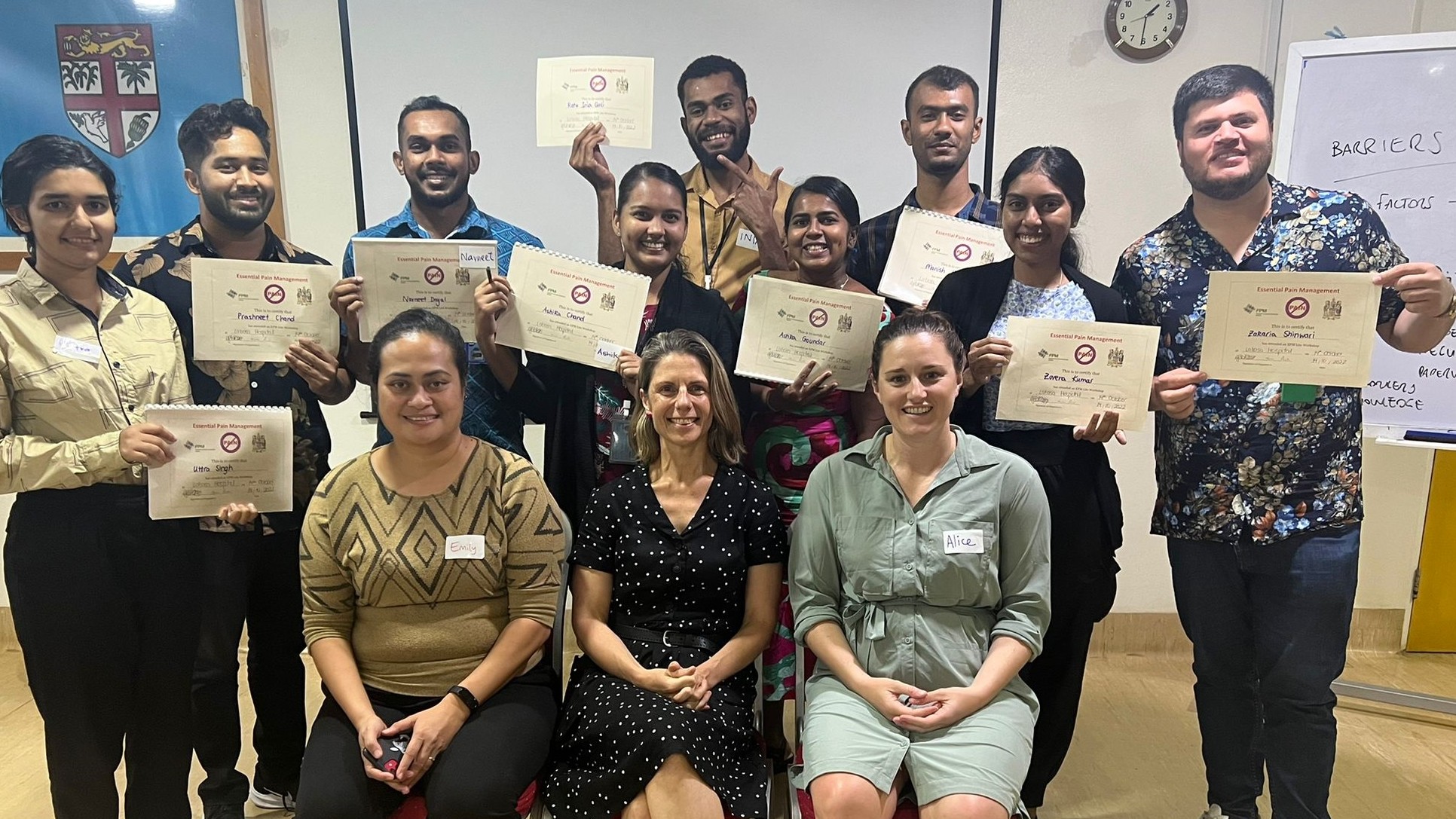
    “I am also assisting with the delivery of the Essential Pain Management (EPM) to final year medical students in Suva, Labasa and Lautoka,” Moira said.

    “If I have encouraged one trainee to think more broadly about access to appropriate pain management for their patients, I will be happy.”

    Moira said the pandemic has had a devastating effect on the Pacific, with many of the trainees were unable to work for long periods of time.

    “Now that they are back in the hospitals and able to continue their training, it was a great privilege to be able to assist with preparation for exams and to provide clinical support in what can often be a very challenging environment,” she said.

    “I learned as much from the trainees as I hope they learned from me. It’s been everything I had hoped for and much more. Small changes can impact individuals and with time broader systemic changes are possible. You have to start somewhere.”

    Dr Sereima Bale, the namesake of the Sereima Bale Pacific Fellowship, was a senior lecturer in anaesthesia at the University of Fiji for over 20 years. Here, amongst many other accolades, she was conferred the Distinguished Service Awards 2020 by the World Federation of Societies of Anaesthesiologists.

    The Colonial War Memorial Hospital in Suva


    Featured image shows final year medical students with Dr Moira Rush at centre.

  • Meet Dr Julie Jambon, Consultant Psychiatrist

    Meet Dr Julie Jambon, Consultant Psychiatrist

    On 7 November 2022, the Aged Persons Mental Health Services at Bundoora Centre transitioned to Northern Health. We officially welcomed the staff of the Kath Atkinson Wing (KAW), Aged Mental Health Unit and the Aged Psychiatry Assessment and Treatment Team (APATT), Bundoora Centre.

    Today, we introduce a key member of the mental health team – Dr Julie Jambon, Consultant Psychiatrist, APATT.

    Julie, let’s start with your coffee order? 

    Skinny latte please.

    Tell us about your role and what it entails?

    My role as a consultant psychiatrist of old age essentially entails the assessment and treatment of elderly patients with mental illness. This involves talking to patients about their thoughts and feelings, understanding the challenges they are facing in terms of social adversity and physical health issues, collaborating with their family and other health care providers and developing a management plan.

    I work with a community-based multidisciplinary team consisting of nurses, social workers, occupational therapists and psychologists to implement this plan which is tailored to each patient’s needs. Our patients often face complex combinations of mental and physical ill health.

    The other large part of my role is to teach medical students and registrars hoping to both spark interest in this area, which is growing due to our ageing population, and to equip other doctors with skills to care for these patients.

    Prior to embarking on my own training as a psychiatry registrar, I had rotated through several resident positions at Austin Health and Northern Health.

    My first rotation as an intern at PANCH was with the surgical team. One of the consultants asked which area I planned to specialise in and I replied that I had been interested in psychiatry as a medical student. He retorted “What! Don’t you want to be a real doctor?” I thought to myself, “yes I do want to be a real doctor” and went on to do two resident years, trying many roles before deciding to follow my initial instinct, and also realising that psychiatrists are real doctors.

    Luckily, that extra medical experience equipped me well for my sub-specialisation in aged psychiatry.

    My journey does highlight one of the challenges in my role which is the stigma surrounding mental illness and its treatment. I advocate for my patients and their right to access the same services and care as other patients. Other challenges include the distances we travel for outreach work (from Preston to Kinglake), and engaging patients to follow treatment recommendations when their insight is poor.

    What does a typical day look like for you?

    A typical day includes attending a daily webex bed management meeting, touching base with my registrar, heading out to patients’ homes with key clinicians on back-to-back visits (often with a student in tow), returning to Bundoora Centre for a quick lunch and to dictate the morning’s letters, then heading out again.

    I also lead a weekly multidisciplinary team meeting to discuss patients, supervise registrars, attend mental health tribunals and make time to contact patient’s GPs and family members.

    What excites you about your role?

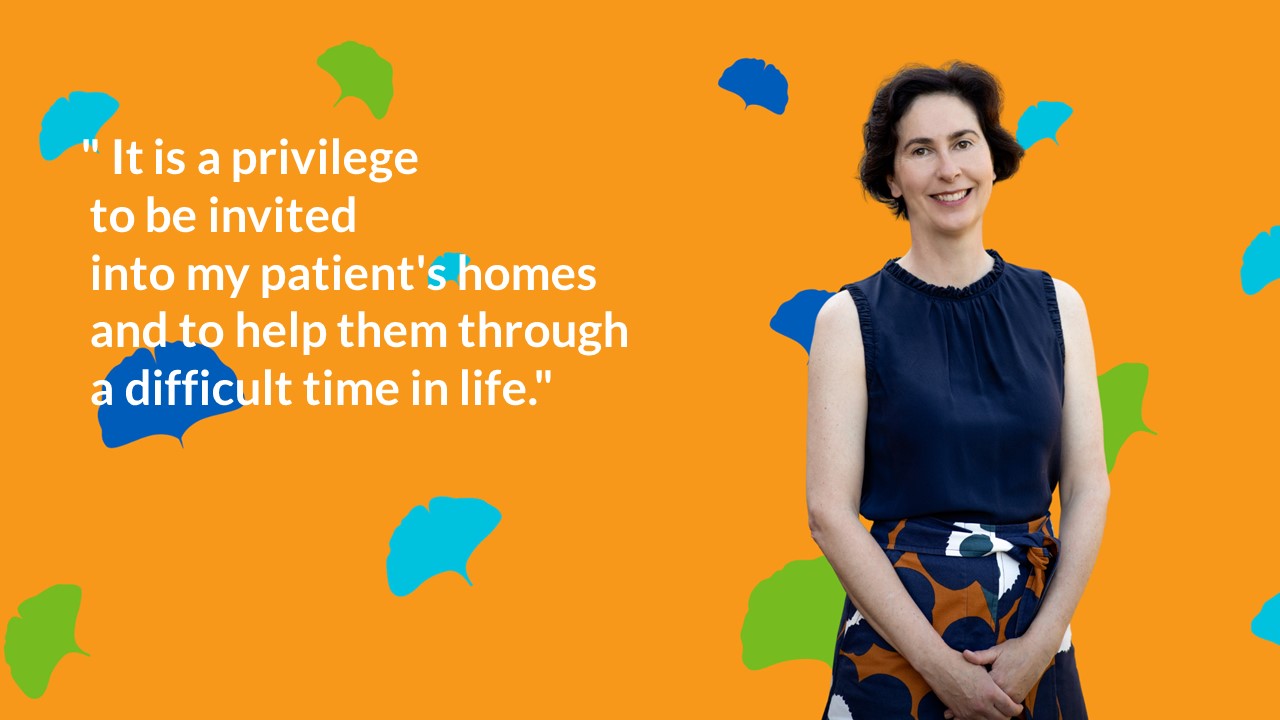
    It excites me to help my patients recover from their illness – this gives profound satisfaction. It is also a privilege to be invited into my patient’s homes and to help them through a difficult time in life when they are extremely vulnerable.  Our patients are often quite complex as we have to balance their physical and mental health needs.

    Lastly, what would people be most surprised to know about you?

    I have a soft spot for liquorice bullets and alpacas!

  • Big Idea: Medical Community Virtual Consult Service

    Big Idea: Medical Community Virtual Consult Service

    If the COVID-19 pandemic has taught us anything, it’s the importance and value of technology.

    The success of Northern Health’s Victorian Virtual Emergency Department (VVED) has highlighted the opportunity to engage and deliver healthcare through virtual platforms.

    Dr David Langsford, Head of Medical Obstetrics and Nephrologist at Northern Health, had an idea to provide a virtual service for GPs to directly access hospital-based specialist expertise, to discuss complex patient management in the community.

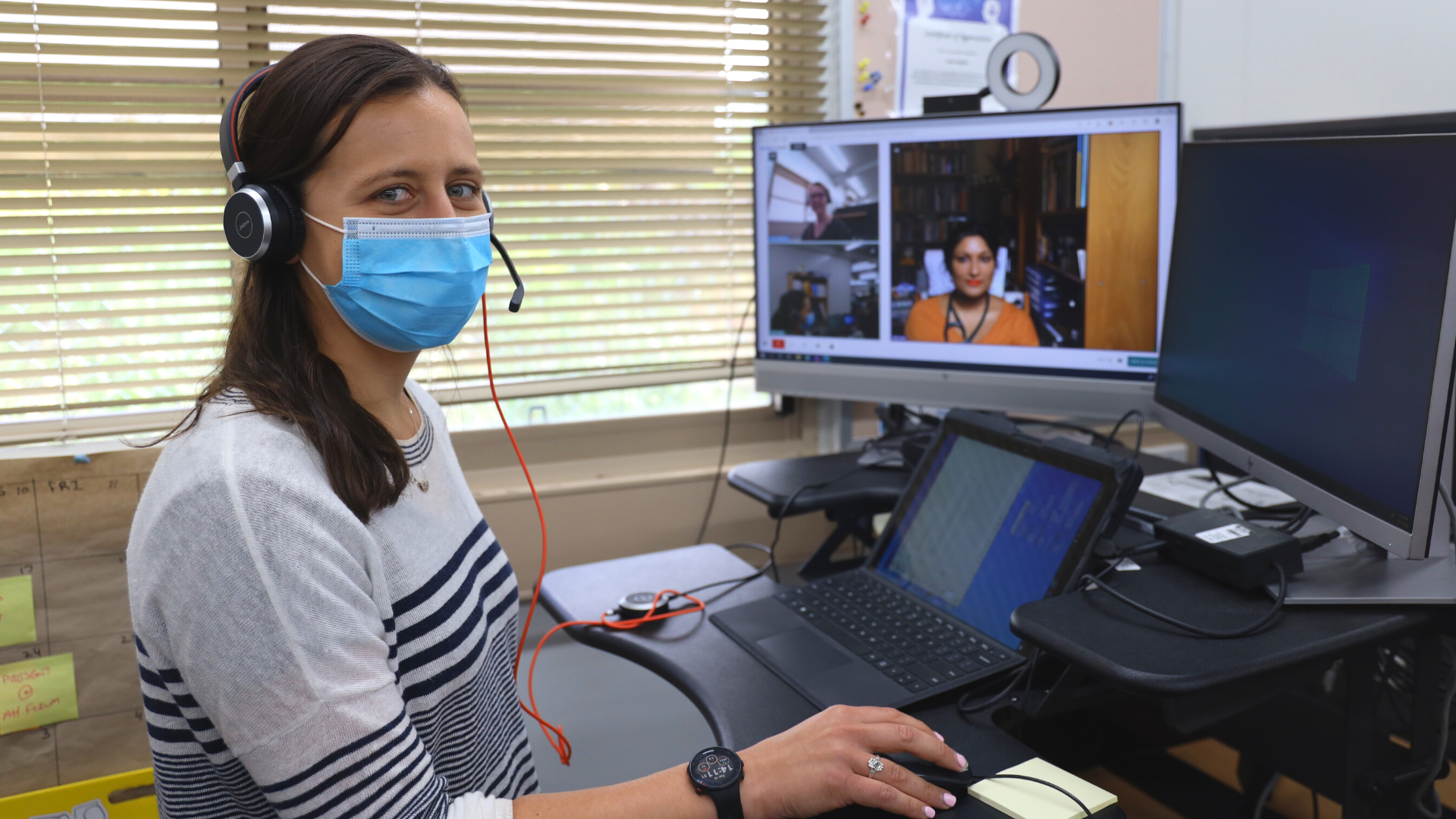
    The newly established Medical Community Virtual Consult (MCVC) service enables GPs to book an appointment with dedicated internal medicine specialists that is conducted through HealthDirect. The GP can attend the appointment with or without the patient and their family, to discuss medical issues, investigations, results and plans.

    “The aim of the MCVC service is to foster reliable communication between primary care and medical specialists. We believe this will help both GPs and specialists provide good and prompt care with their patients, avoiding duplication and waiting times for appointments,” David said.

    “Internationally, versions of this idea have been successful at reducing the need for referrals for primary care to specialist outpatient clinics and emergency departments. Once established, for some disciplines, 50 to 70 per cent of contemplated referrals from primary care are avoided, and patients can continue to have good care delivered by their GP, knowing that they have access to and support by Northern Health. Over time, this will help to reduce outpatient clinic waiting lists.”

    David trialled the service during COVID-19 outbreaks over the past two years. He then submitted his idea in the February 2022 round of The Big Ideas Campaign. He has worked alongside the High Reliability Organisation (HRO) and VVED teams to roll out this new and exciting service, which went live last week.

    The service currently offers 20-minute appointments with GPs to discuss complex patient cases. The MCVC service provides Medicare Benefits Schedule (MBS) billable times for GPs to access the service, initially from 12.30 pm to 3.30 pm, Monday to Friday. At present, Podiatry and Pharmacy departments are assisting physicians in the virtual service, utilising the opportunity to case conference and network with community partners.

    “GPs are already reporting that they have found the service helpful and intend to make more use of the service. We have also made the service available to the VVED as a once only virtual hot clinic to follow up with patients that need some extra assistance after a VVED visit,” David said.

    There are plans to expand the service to incorporate more specialities and disciplines in 2023, with the possibility of also offering the service in catchments outside Northern Health.

    “At present, MCVC is providing only internal medicine advice and support for GPs, but as we demonstrate that this approach can work to aid GPs and specialities to collaborate more efficiently in patient care, there will be more opportunities for other specialities to be involved,” David said.

    “There has already been interest expressed from GPs outside our catchment, both metropolitan and rural. Once we’re established, growing to support a larger primary care community might be possible.”

    MCVC can be accessed here.

    Featured image: Steph Castagnini and Dr Vinita Rane on screen.

  • This is Trans Awareness Week

    This is Trans Awareness Week

    This week is Trans Awareness Week – an opportunity for transgender people and their allies to educate the community about who transgender people are, share stories and experiences, and advance advocacy around the issues of prejudice, discrimination and violence that may affect the transgender community.

    Observed from 13 November to 19 November, the week also leads up to Transgender Day of Remembrance on 20 November, which memorialises victims of transphobic violence.

    Transgender is an umbrella term used to describe people whose gender identity is different to the sex that was assigned to them at birth. Transgender people may identify as straight, gay, bisexual or another sexual orientation.

    Other transgender terms used to describe people include Non-Binary – someone who doesn’t identify as a man or woman, Gender Fluid – someone who alters between female and male, Gender Queer – a person who does not identify to conventional gender distinctions, but identifies with neither, both, or a combination of male and female genders, and Agender – not having, or a lack of gender identity.

    Sistagirl and Brothaboy are terms used by Aboriginal communities to describe transgender people and their relationships. Cisgender describes a person whose gender identity is aligned with their sex assigned at birth. If at any time you’re unsure of a person’s gender identity, ask for their gender pronouns e.g. she, her, him, his, they, them etc. which are used instead of a noun to refer to a person. Introducing yourself with your pronouns also provides a safe space for transgender people.

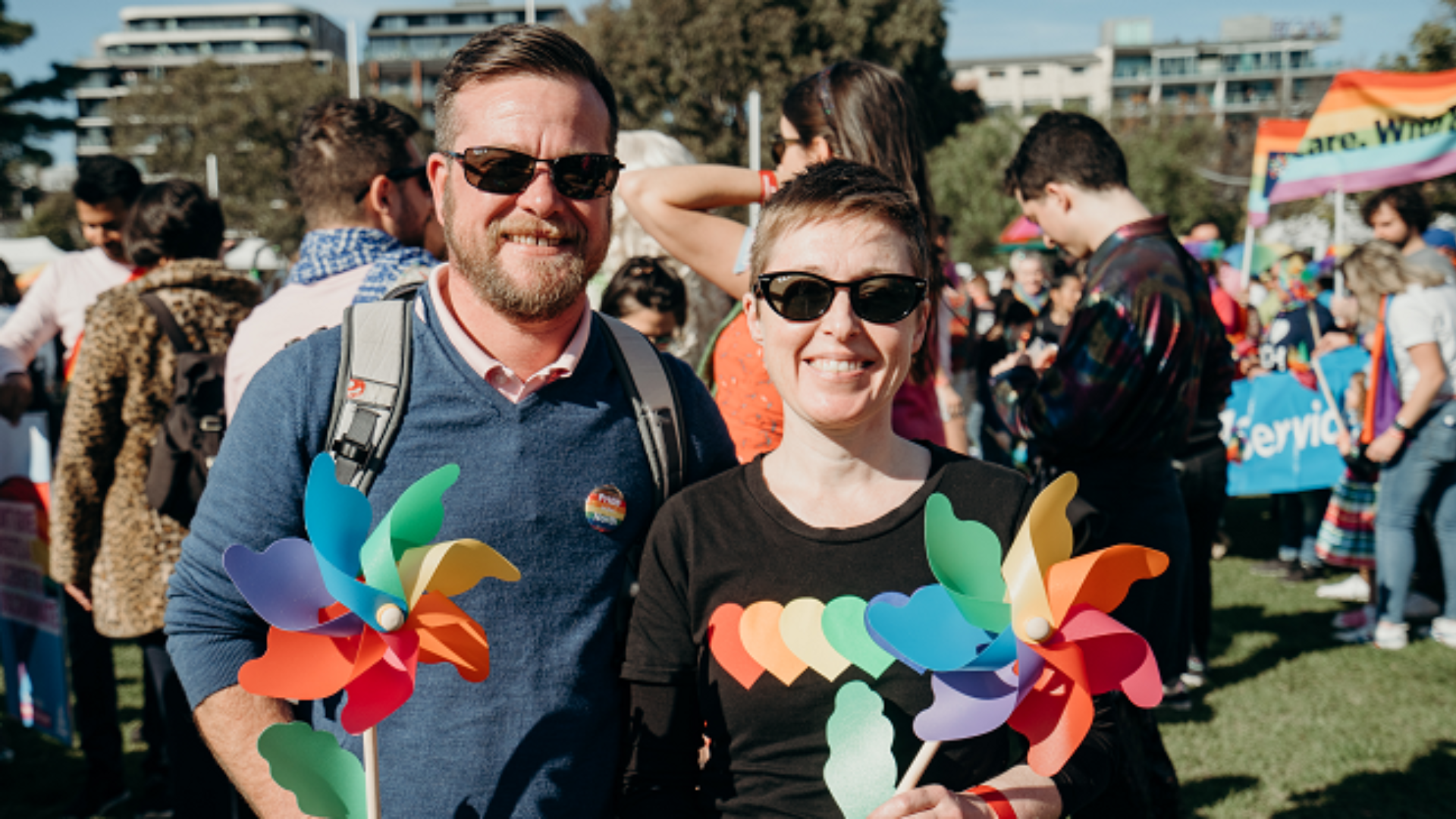
    Lee Pattison is a transman, a consumer representative on Northern Health’s Rainbow Working Group, and a former Northern Health employee. Dr Siân Cole is a registered Clinical and Health Psychologist working on our acute medical wards. Assigned female at birth, Lee began his medical transition in 2010. He and Siân have been together for more than 14 years.

    “I came out to my own family as a lesbian when I was 17. That wasn’t easy for them but coming out as trans in my thirties was even more difficult. The support provided by Siân and her family was, and continues to be, incredibly important to my surviving and thriving,” said Lee.

    When one partner transitions in a relationship, it can significantly impact the other person’s sense of identity.

    “We met as lesbians and had always been seen as a queer couple. When Lee started being perceived as male, it was strange to no longer be recognised,” said Siân.

    A recent Australian study found that 41 per cent of transgender people who needed emergency care did not attend the emergency department because they were transgender. This is one of the factors contributing to poorer health outcomes for trans and gender diverse people.

    Private Lives 3 – an Australian survey of the health and wellbeing of LGBTIQ people – reported in 2020 that more than half of survey participants reported high or very high levels of psychological distress. This is four times higher than that of the general population.

    Electra Ulrich, Co-Chair of the Northern Health Rainbow Working Group, said transgender people experienced poorer health outcomes due to stigma and discrimination.

    “Working to reduce discrimination, educating ourselves and being an ally, can all help create the change that will be needed to reduce this disparity in health outcomes for trans folk,” she said.

    “There are many ways in which we can educate ourselves. To provide safer care for the trans community at Northern Health, we can use the patient’s chosen name – even if it is different to their name on their Medicare card, don’t assume someone’s pronouns – we can introduce ourselves with our pronouns to sign post to the person that we understand this. I may say, ‘my name is Electra and my pronouns are she/her.’”

    “It is also important to only ask clinically relevant questions. For example, unless it is clinically relevant, don’t ask a trans person if they’ve had surgery or take hormones. And most importantly, if you make a mistake, acknowledge this, apologise, and move on. This can also let the person know that you didn’t do this intentionally, and that is important to providing safe care.”

    Lee, who is currently working on an EMR Diversity and Inclusion Project, says, “We can only be more inclusive and responsive to the needs of Rainbow patients with exposure, education and tools.”

    What can you do?

    Watch Trans 101 published by Melbourne’s own Minus18.

    Watch TransHub Talks: Healthcare Experiences published by NSW ACON Health.

    Read the studies referenced in this article

    Continue exploring for reliable information about how to use inclusive language and be an ally to people who identify as part of the LGBTQIA+ Rainbow.

    If you would like to be a part of Northern Health’s Rainbow Working Group, you can email rainbowgroup@nh.org.au

    Featured image: Lee and Siân. 

  • Fundraising our way to better health outcomes

    Fundraising our way to better health outcomes

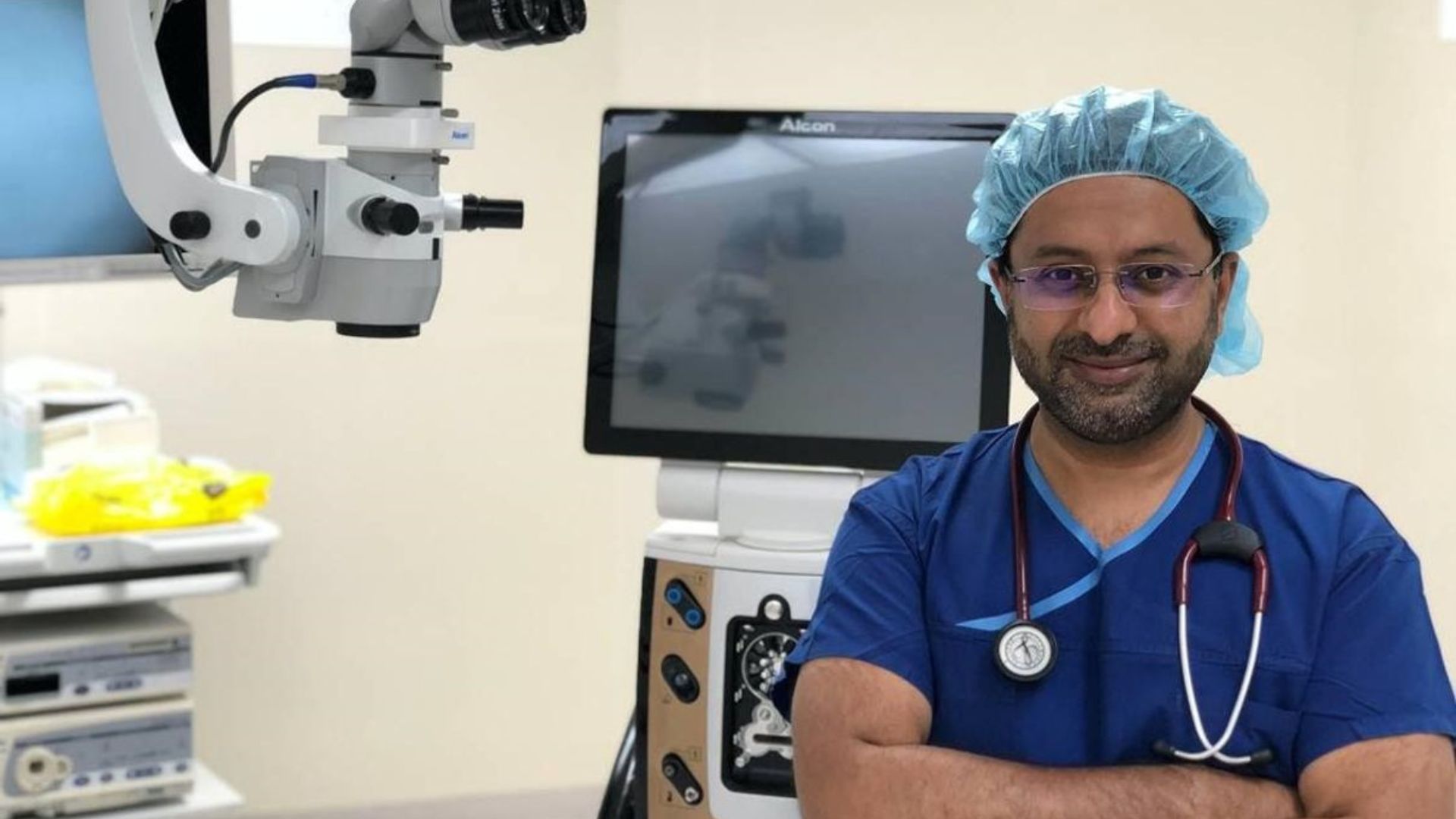
    Throughout 2021-22, Northern Health Foundation has been fundraising for new ophthalmology equipment for Broadmeadows Hospital. The campaign contributed to the purchase of new, state-of-the-art equipment for patients in our northern community with cataracts – a cloudy film covering the lens of the eye, causing loss of vision or even blindness.

    As our community grows and ages, so does our equipment. The time has come to retire ophthalmology equipment at Broadmeadows Hospital to make way for the latest models. With demand for cataract surgery increasing, the need for more efficient equipment became evident.

    Thanks to the support of our donors, this specialised equipment can now be purchased, enabling our patients to access a better quality of care within their community. Not only will the new equipment allow for quicker turnover of patients and reduce waiting periods, but the equipment will last for years to come.

    Tracey Wyllie, Director of Operations – Peri Operative Services, said, “I would like to acknowledge the hard work of the Foundation to ensure we can deliver this equipment to the team at the Surgical Centre. I’m sure the team will be excited to be trialing options, with the understanding that one of them will soon be procured. This is one of those pieces of work that will see the patient, the medical team and the nursing staff all benefit. Very exciting!”

    The Foundation raised over $230,000 to contribute to this cause, so this state-of-the-art equipment could be purchased.

    Linda Romano, Divisional Director Nursing, Surgical Services and Access, said, “It is really exciting to hear, that with the $230,000 funds raised from the Foundation and $229,000 innovation fund, we can now progress this important equipment replacement.”

    “Knowing this is a reality, will bring much excitement to our nursing and medical staff. The positive impact this will have on our staff and patients is enormous. Thank you again to the Foundation for their support.”

    Pina Di Donato, Executive Director Public Affairs and Foundation, was thrilled by the outcome, saying, “Fulfilling a promise is what rewards us most. We made a commitment to bring the latest ophthalmology equipment to Broadmeadows Hospital, and we are delighted to see that commitment realised. We are thrilled that our fundraising efforts have made a significant contribution to purchasing this equipment. Our community deserves access to the best possible care. That is what we, as a health service, strive for.”

    We thank our donors who continue to support Northern Health and Northern Health Foundation in our vision to build a healthier community.

    Featured image: Dr Suheb Ahmed.

  • ECG integrating with the EMR

    ECG integrating with the EMR

    Northern Health’s Electronic Medical Record (EMR) will be integrated with our current electrocardiogram (ECG) records when we go live in September 2023.

    An ECG records the electrical signals in the heart and is commonly used by patients who experience chest pain, heart palpitations, and rapid pulse, in order for the clinicians to detect or determine whether there are irregular heart rhythms, blocked or narrowed arteries in the heart that might be causing chest pain or potential of a heart attack.

    Currently, at Northern Health, ECGs can be initiated by nurses or doctors, how and when these studies are reviewed is dependent on the patient’s clinical condition or where the patient is located. For example, in ICU, patients undergo regular ECGs in the mornings. The results are stored in the Philips monitors and are reviewed by consultants on the morning ward round. Generally, the ECGs are then printed and stored in the patient’s chart.

    When the EMR is implemented, clinicians will be able to use Mortara Carts or Philips Bedside monitors to order and perform a 12 Lead ECG in the system. The image of the record will be sent to the archive and integrated with the patient’s record in the EMR. From there, our cardiologists will be able to enter their final interpretation and sign the order off. Doctors will also be able to view the results in ‘Results Review’ at their convenience. This will be a paperless process.

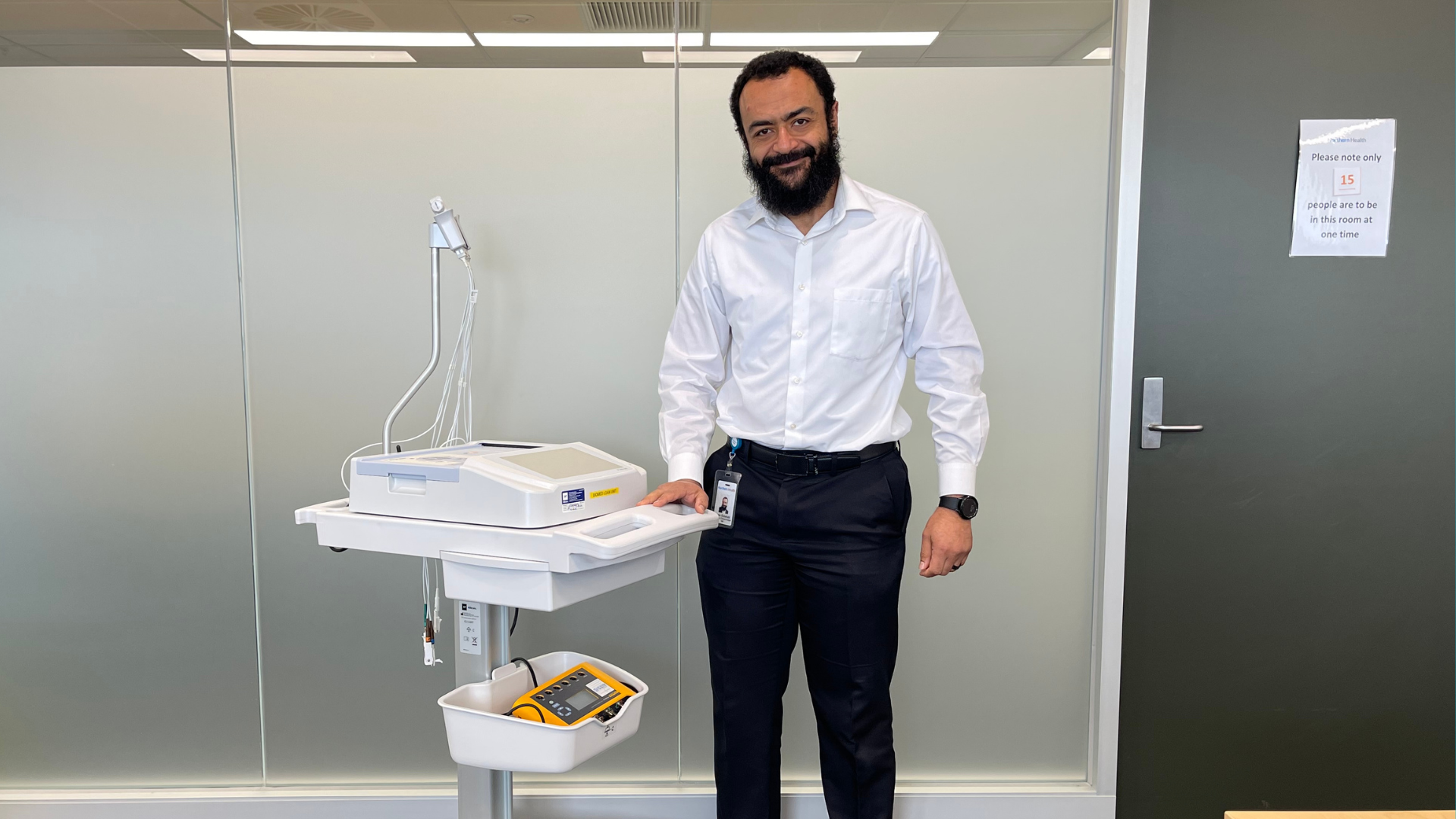
    At the front and centre of designing this workflow, is Nader Elshehabi, EMR Benefits and Clinical Analyst. Coming from a medical background, Nader has worked as a practising doctor trained in Cardiology, and then as a Cerner consultant for many years. Before joining Northern Health’s EMR team, he helped implement EMRs in several hospitals overseas.

    “Digitising the ECG workflow helps clinicians get instant access to current and all previous ECGs at the point of care. For example, cardiologists from Epping can immediately see and report on ECGs performed in other sites. They can also compare current ECGs with previous studies. This helps the care team make more informed clinical decisions, much faster,” says Nader.

    The workflow was validated on 29 September 2022, with a live demonstration conducted by Nader at Northern Hospital’s ICU ward. To ensure patient safety and quality of care at Northern Health, inpatient settings at all sites will have full ECG integration to minimise clinical risks.

    “Nurses and midwives will be able to perform an ECG and transmit it immediately so it can be interpreted by multiple teams from anywhere inside the hospital or remotely.  This streamlined workflow will remove time-intensive steps that nurses undertake to ensure ECG results get to the right team at the right time for review, resulting in safe and timely care for our patients”, says Vanessa Reid, Chief Nursing Informatics Officer.

    “Integrating ECGs into the EMR is a key step to getting this crucial piece of clinical information to the right people in a timely manner and reduces reliance on “informal” means of data transmission such as private messaging applications. I cannot overstate the amount of work done by the team to get this working. I am confident it will play an important role in supporting clinical processes across the entire organisation,” says Dr Sing Tan, Deputy Chief Medical Informatics Officer.

    “One ECG reviewed and reported on time can make a big difference in patient care. I’m so grateful we have this technology, and I hope this work supports our frontline clinicians in providing the best possible care for our patients,” Nader concludes. ​

    Featured image: Nader Elshehabi, EMR Benefits and Clinical Analyst.  


  • Meet Gary Ennis, Director of Nursing, Mental Health Division

    Meet Gary Ennis, Director of Nursing, Mental Health Division

    This is a significant time to be working in the mental health sector, as we declare our commitment to the ambitious reform agenda, set out by the Mental Health Royal Commission.

    Last week, the Aged Persons Mental Health Services at Bundoora Centre transitioned to Northern Health, and we officially welcomed staff from the Kath Atkinson Wing (KAW), Aged Mental Health Unit and the Aged Psychiatry Assessment and Treatment Team (APATT).

    Collectively, Northern Health is now the third largest mental health service in Victoria.

    Today, we speak to Dr Gary Ennis, Director of Nursing, Mental Health Division.

    Gary, let’s start with your coffee order?

    Latte please!

    Tell us about your role as Director of Nursing of Mental Health and what it entails?

    The Director of Nursing for Mental Health works with Northern Health’s Chief Nursing and Midwifery Officer to ensure there is professional oversight of mental health nursing. This includes mental health nursing education, professional development and research.

    Mental health nurses work in a variety of specialist areas including emergency, community and bed-based services. There is a well-established mental health nursing structure across Northern Health, and part of my role is to think about ways to strengthen and build on the great work already being undertaken.

    Tell us what you were doing prior to this role?

    I have been a mental health nurse for all of my career. I won’t say for how long, but if I say cathode-ray TV, those in the know will understand!

    Although I am new to Northern Health, I have previously worked at both Broadmeadows Hospital and Northern Hospital Epping in the mental health program. Before coming to Northern Health, I worked at Eastern Health as the Director of Mental Health Nursing, and before that, at the Royal Melbourne Hospital as a senior nurse.

    What does a typical day look like for you?

    I start my day at Northern Hospital Epping, but as mental health services are spread across all of our catchment area, it is not unusual to finish offsite. Sometimes my day involves more meetings than I would like, but I get many opportunities to chat with staff and see the great work they do.

    I also work closely with the Area Senior Nurses at the Northern Area Mental Health Service, Northwest Area Mental Health Service and the Aged Mental Health program.

    What excites you about your role?

    The opportunity to make a difference for mental health nurses and support the fantastic work they do every day.

    Mental health nursing requires a particular skill set. There are many opportunities to try something new in nursing. Creating pathways for nurses to start their mental health nursing career is an important part of my job.

    In addition, the opportunity to support mental health nursing research and professional development opportunities is an exciting part of this role.

    What are some of the challenges of this role?

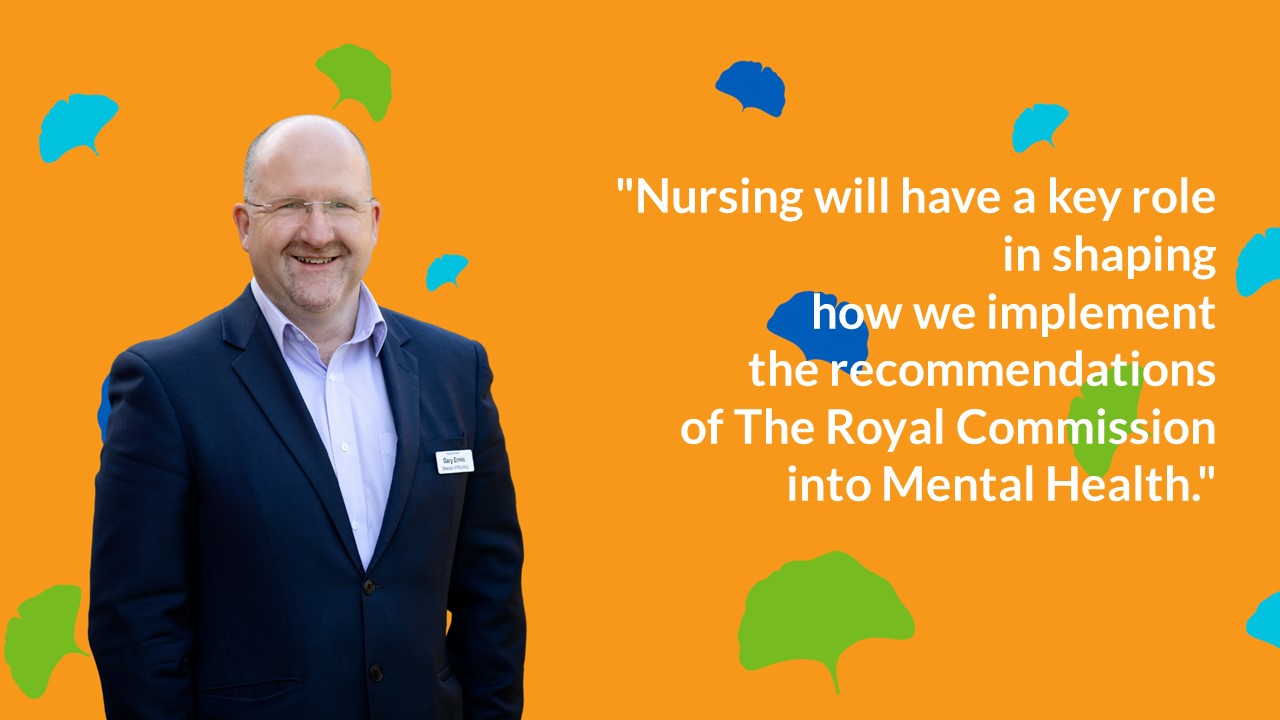
    We are a large service, and getting around to all sites to meet with nurses can be a challenge. Building and sustaining connections that ensure mental health nurses feel engaged and supported professionally will be an important part of this role. In addition, the Royal Commission into Mental Health has provided us with many opportunities to look at the way in which we do our work. Nursing will have a key role in shaping how we implement the recommendations in a meaningful way.

    Lastly, what would people be most surprised to know about you?

    I came from Dublin in 2003 planning to see Ireland win the Rugby World Cup and I was intending to return home after 12 months. Neither happened!