• National Reconciliation Week: Be a voice for reconciliation

    National Reconciliation Week: Be a voice for reconciliation

    This is National Reconciliation Week. A time for all Australians to learn about our shared histories, cultures, and achievements.

    Reconciliation Week is a time for us to explore how each of us can contribute to achieving reconciliation in Australia – where we live, work and socialise.

    Here’s what our staff and colleagues have to say:

    “My Mother’s fight for justice, and activism as an Elder and Stolen Generations survivor, led to the Victorian Reparations Scheme being established. This is her legacy; her children will continue her fight for justice and the compensation she is entitled to.”

    Donna Wright, Northern Health Aboriginal Advisory Committee 

    “Reconciliation for me represents the coming together of Aboriginal and non-Aboriginal people to share a genuine recognition and respect for the First People of our country. Reconciliation requires us to face and accept past and present injustices and disadvantage, and demonstrate a commitment to working together towards a future of equality, respect without disadvantage for Aboriginal people.

    I am proud and privileged to lead our Aboriginal Support Unit. Together with the rest of my colleagues here at Northern Health, we have amazing opportunities to practice reconciliation every day.”

    Jason Cirone, Chief Allied Health Officer

    “Reconciliation is about acknowledging and learning from our shared history, confronting the challenges we face today, and working towards a better future together. I feel privileged to have learned so much from working alongside Aboriginal people.”

    Yue Hu, Director, Transcultural and Language Services, Narrun Wilip- Gin Aboriginal Support Unit

    “Reconciliation for me is about acknowledging the past, the history, the injustice, and the pain caused and committing to work towards genuine respect and pride of this land’s First Peoples, of their knowledge and culture. Reconciliation starts with education, and I am proud to work closely with Narrun Wilip- Giin in promoting awareness of the impact, history is still having today in the lives of our Aboriginal patients today.”

    Stefania Zen, Education and Engagement Manager, Transcultural & Language Services (TALS) / Narrun Wilip-Giin Aboriginal Support Unit

    “Reconciliation for me means the joint acknowledgement of past history and injustices and working together to build respectful relationships and strengthen the bond between people.”

    David Le, Manager, Transcultural and Language Services

    “Reconciliation means acknowledging the sovereignty of the Aboriginal people; the wrongs that have been committed against them in the past and to make reparation, in order to have a united people.”

    Lisa Bethune, Nurse Practitioner, Palliative Care Service

    “Reconciliation means that we stand together, we recognise each other’s strengths, we seek to understand each other’s struggles, we embrace unity, and acknowledge that we have to re-learn the history lessons through the eyes of those who are the Traditional Custodians of the land.”

    Belinda Scott, Executive Director, Mental Health 

    “Every single Australian should have equitable access to the very best mental health care available. Working side by side with our First Nations fellow Australians, we can all make this a reality.”

    John Dermanakis, Operations Director, Mental Health


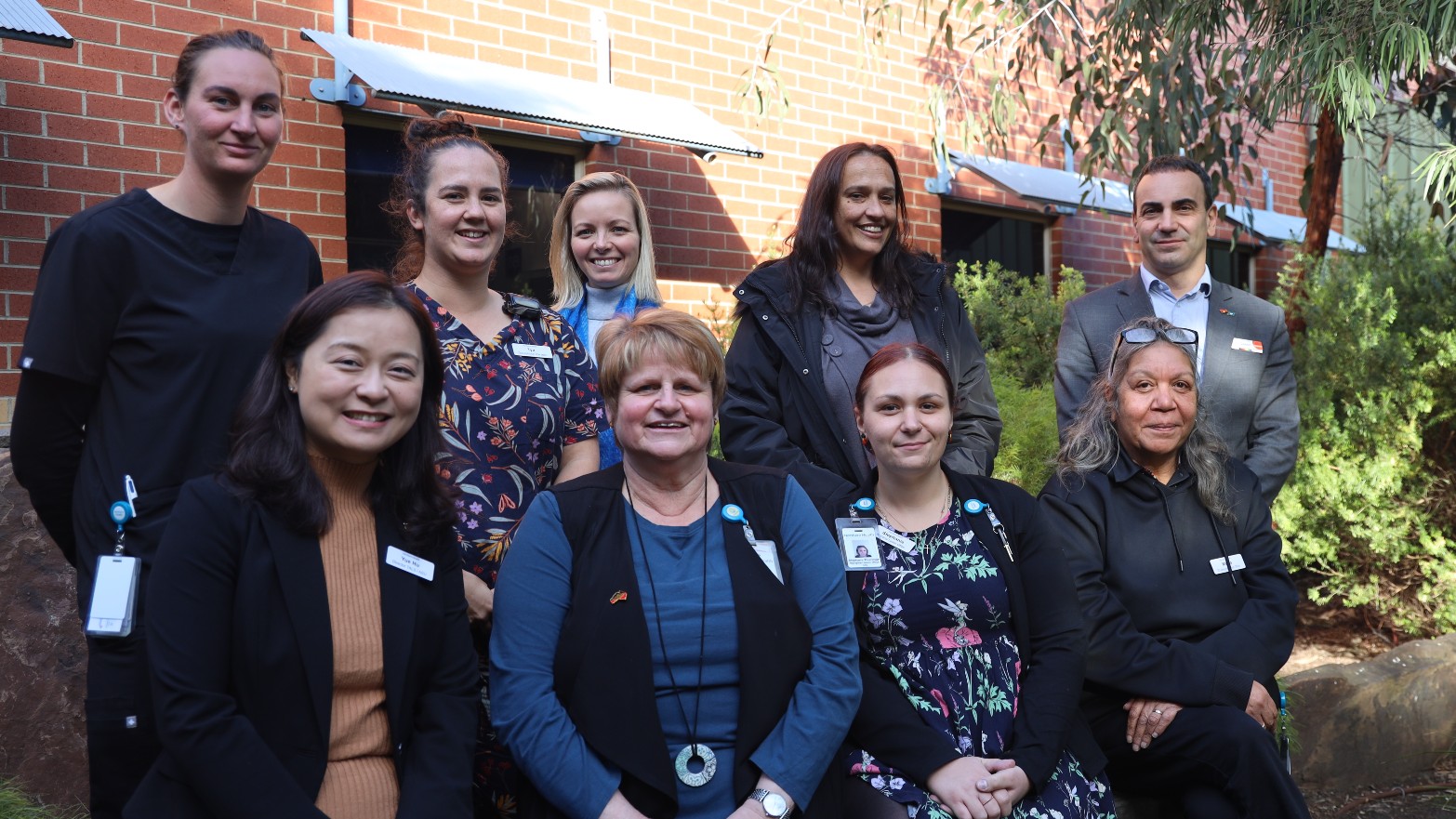
    Pictured the Reconciliation Week Planning Committee. From left to right (Back row):  Natalie Bloomfield, Aboriginal Clinical Support Nurse, Tya Fry, Aboriginal Occupational Therapist, Stefania Zen, Education and Community Manager, Lindsay Holmes, Aboriginal Mental Health Liaison Officer, Jason Cirone, Chief Allied Health Officer

    (Front row): Yue Hu, Director TALS & Aboriginal Support Unit (Narrun Wilip-giin), Karen Bryant, Manager Aboriginal Support Unit (Narrun Wilip-giin), Stephanie Thompson, Aboriginal Liaison Officer, Moira Rayner, Emergency Department, Aboriginal Liaison Officer

    For more information visit: https://nrw.reconciliation.org.au
  • Get to know: Elyse Kourlis

    Get to know: Elyse Kourlis

    #WeAreNorthern

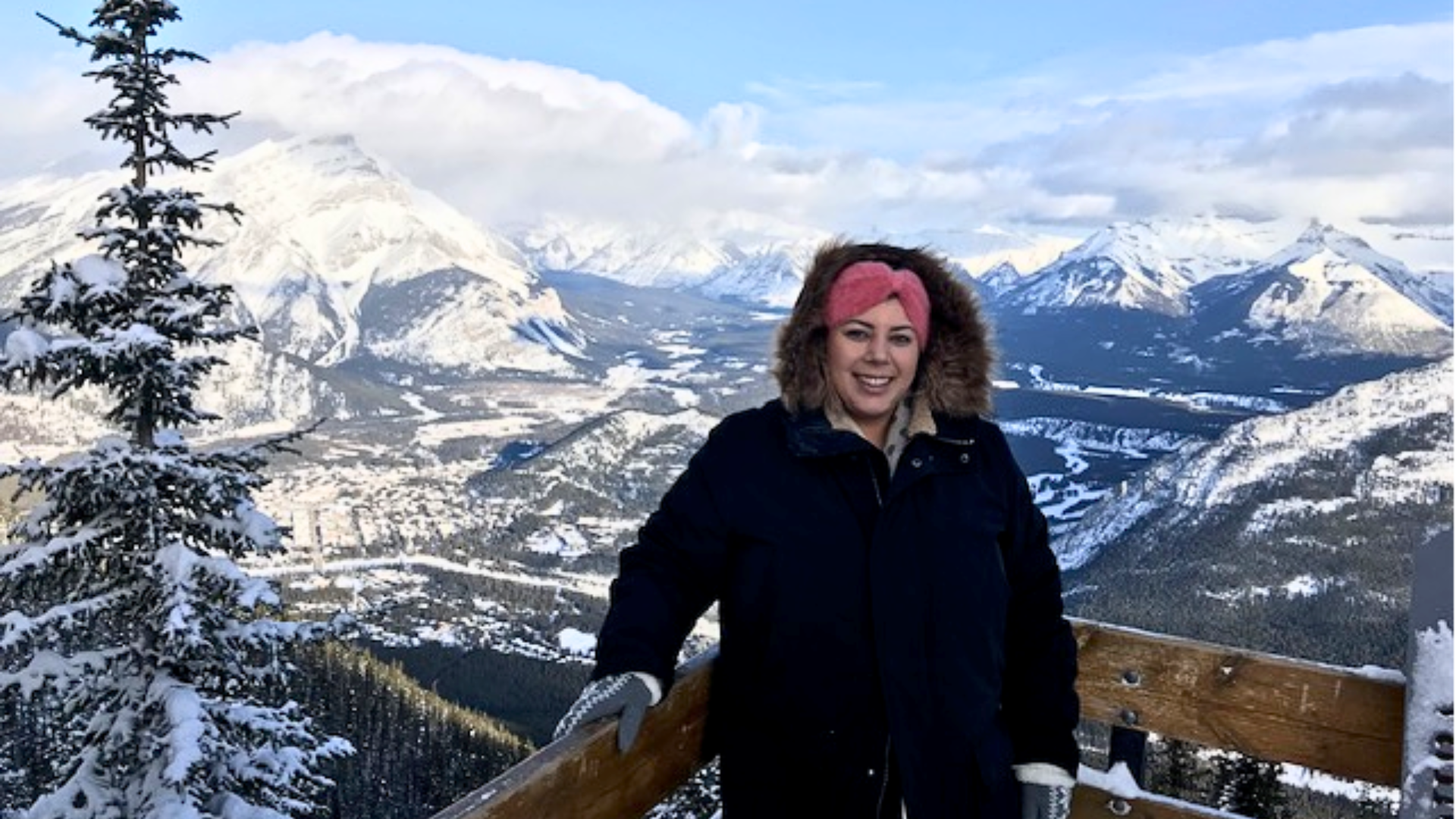
    Meet Elyse Kourlis, Project Officer, Diagnostic & Outpatient Services

    Q: What is your coffee order?

    A: Small Latte, one sugar.

    Q: Tell us about your journey at Northern Health?

    A: I began in Revenue Services as a Patient Liaison Officer in 2014 and shortly after moved to a billing role. After a number of years in the billing team, I was given the opportunity to take on some project work that was happening in conjunction with Financial Accounts and the Decision Support Unit. From there, I took on a number of process improvement reviews and projects both within Finance and the wider organisation. I spent seven years in Revenue, before moving into Outpatients and am now part of the project team bringing Radiology services inhouse.

    Q: What do you love most about your job?

    A: Every day is a new challenge and I get to work with an amazing bunch of people.

    Q: Tell us about a goal that you have set for yourself and worked towards achieving it?

    A: The biggest goal I have set for myself was to move overseas on my own, in a country where I didn’t know anyone, for 12 months. In 2019, I finally decided to take the plunge and started to put the plans in motion to move to Canada. The hardest part really was taking the first step and making the decision to apply for my visa. Once I had committed to the process, I was all in. I like to be organised and so I prepared lists (to-do, to-pack, to-throw and many, many other), to help keep me on track with what I needed to do and when. This is how I generally tackle any goal (personal or work) – preparation and organisation. Unfortunately, COVID-19 hit around four months into my adventure, and I had to come home, but I still managed to get there.

    Q: Beach or mountain?

    A: Beach always (even though my photo is of me at the top of a mountain).

  • LGBTQ Domestic Violence Awareness Day: Seen and Believed

    LGBTQ Domestic Violence Awareness Day: Seen and Believed

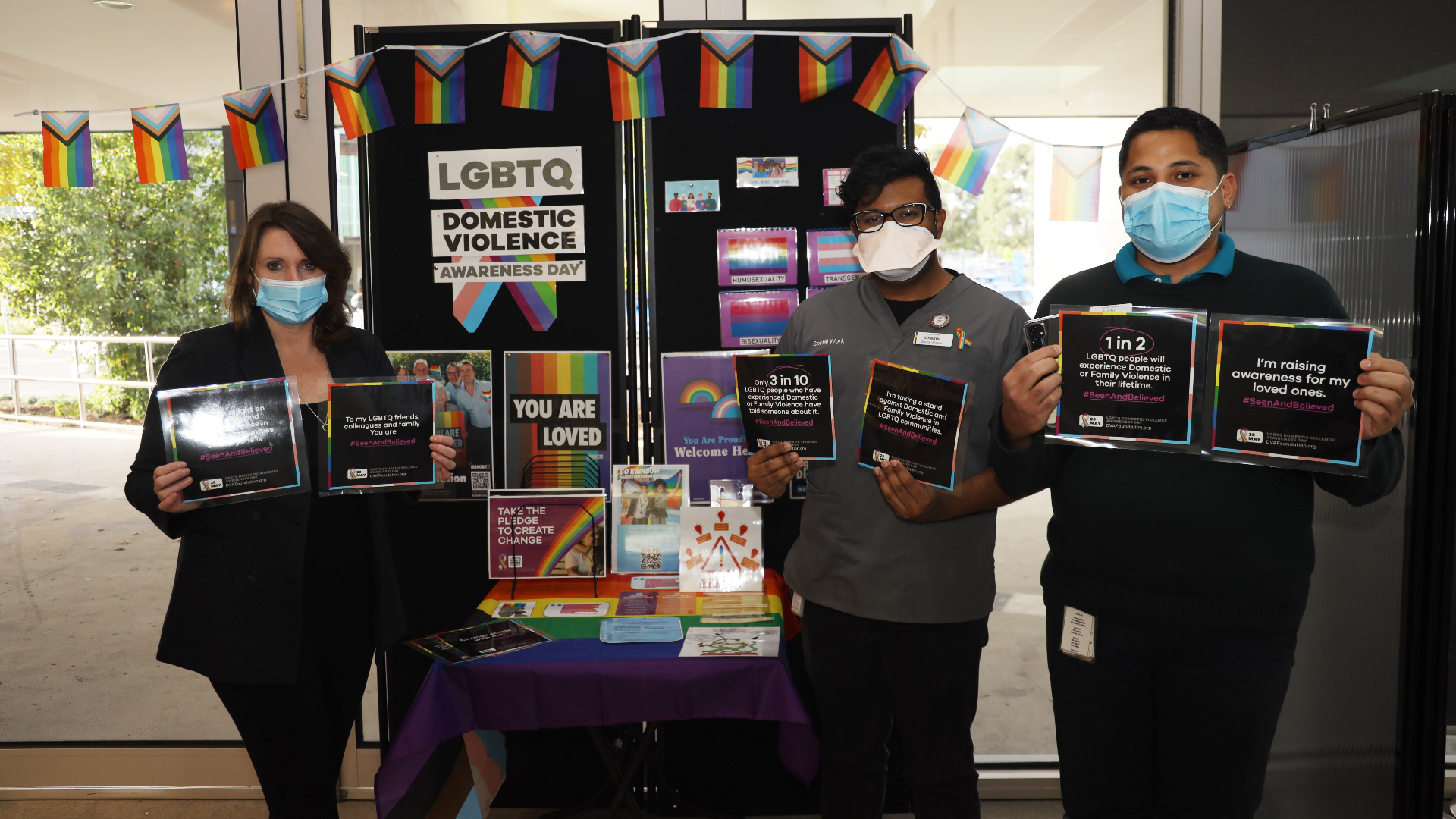
    This Sunday marks LGBTQ Domestic Violence Awareness Day. Held annually on 28 May, the day’s purpose is to raise awareness of the prevalence and challenges of intimate partner and family violence in the LGBTQIA+ community.

    The day aims to help end violence and abuse in the community by increasing visibility and understanding and giving hope and courage to victim survivors.

    LGBTQ Domestic Violence Awareness Day was inaugurated in Brisbane in 2020 by the LGBTQ Domestic Violence Awareness Foundation. Fast forward to 2023, and it is now a global event with 310 government departments and organisations from 12 countries recognising the day, including England, France, Wales, Canada, Ireland, New Zealand, the Netherlands and the USA.

    The theme of the day is #SeenAndBelieved. The health sector is a critical point for people affected by family violence, by providing medical care and pathways to specialist support. Every person affected by family violence, with their unique identities, bodies and relationships have a right to be seen and believed by their health care providers.

    At Northern Health, the Rainbow Working Group and The Strengthening Hospital Responses to Family Violence Team (SHRFV) are working together to raise awareness on this important issue.

    “It is a human right to live a life free from violence and we all have a part to play in ensuring all victim survivors of violence are supported,” said Tanya Ellis, SHRFV Manager.

    “Unfortunately, there is still apprehension within the LGBTQIA+ community to disclose family violence or contact mainstream services, which means victim survivors remain largely invisible with low levels of reporting.”

    “Northern Health aims to play an important role in preventing family violence through providing a respectful, equitable and safe service. Northern Health is committed to providing an environment that is safe for all victim survivors of family violence to disclose their experience and receive support and access safety.”

    Family violence is behaviour by a person towards a family member that is physically or sexually abusive, emotionally or psychologically abusive, economically abusive, threatening or coercive, or controlling or dominating of that family member and causes them to fear for their safety or wellbeing or for that of another person.

    Family violence can effect people of all genders and sexual identities and can occur in all family types including intimate partners, across generations, extended families and carer relationships.

    Forms of family violence perpetrated against LGBTQIA+ people, that are unique to LGBTQIA+ experiences, include threatening to ‘out’ a person’s gender or sexual identity, intersex status or HIV status to family, friends, colleagues or their community, and using this as way to hurt, harm or control victim behaviour.

    Family violence against LGBTQIA+ people can also involve restricting a victim survivor from accessing identity affirming items, medication or health services, pressuring a victim survivor to conform to particular ‘norms’ of sex or gender, forcing a person into homelessness or ostracising them from their ‘family of origin’ in response to their sexual or gender identity, or elderly, dependant transgender people being denied access to hormone therapy by their children.

    According to the LGBTQ Domestic Violence Awareness Foundation, more than 60 per cent of LGBTQIA+ people have experienced domestic, family or intimate partner violence and abuse in their lifetime, and 72 per cent of LGBTQIA+ people who have experienced domestic or family violence did not report the abuse to anyone.

    “As a social worker I have come across LGBTQIA+ patients presenting with risk of family violence including mental health challenges, being HIV positive, being victims of previous incidents of family violence and other psychosocial vulnerabilities,” said Chamie (he/him), Social Worker.

    “As health care workers, it is important that we are able to identify risk, support these patients and create safe spaces for them to seek help.”

    Northern Health encourages staff to get involved and show their support to the LGBTQIA+ community by wearing something rainbow throughout the week, have a conversation about what makes a healthy relationship, spread the word on social media with #SeenAndBelieved, becoming aware of recourses available to the LGBTQIA+ victim survivors, and visiting the displays in the main foyers for further information and resources.

    For more information on LGBTQ Domestic Violence Awareness Day, including social media material, click here.

    Featured image left to right shows Tanya Ellis, SHRFV Manager, Chamie (he/him), Social Worker and Nikhil Rawat, Social Worker.

    Support Services:

    • With Respect: Specialist LGBTQI+ Family Violence Service – Ph: 1800 542 847 (Monday – Friday 9 am – 5 pm)
    • Rainbow Door: LGBTQIA+ information, support and referral helpline 0 Ph: 1800 729 367, (10 am – 5 pm, seven days)
    • 1800 Respect: 24/7 National Sexual Assault, Domestic Family Violence Counselling Service – Ph: 1800 737 732 (24/7).
    • Qlife: LGBTIQ+ peer support, information and referral. Ph: 1800 184 527
    • Lifeline: 24/7 crisis support and suicide prevention services. Ph: 131 114
    • Disclose to your health professional today to access support and safety.
  • Dr Amanda Baric: Making the world just slightly better

    Dr Amanda Baric: Making the world just slightly better

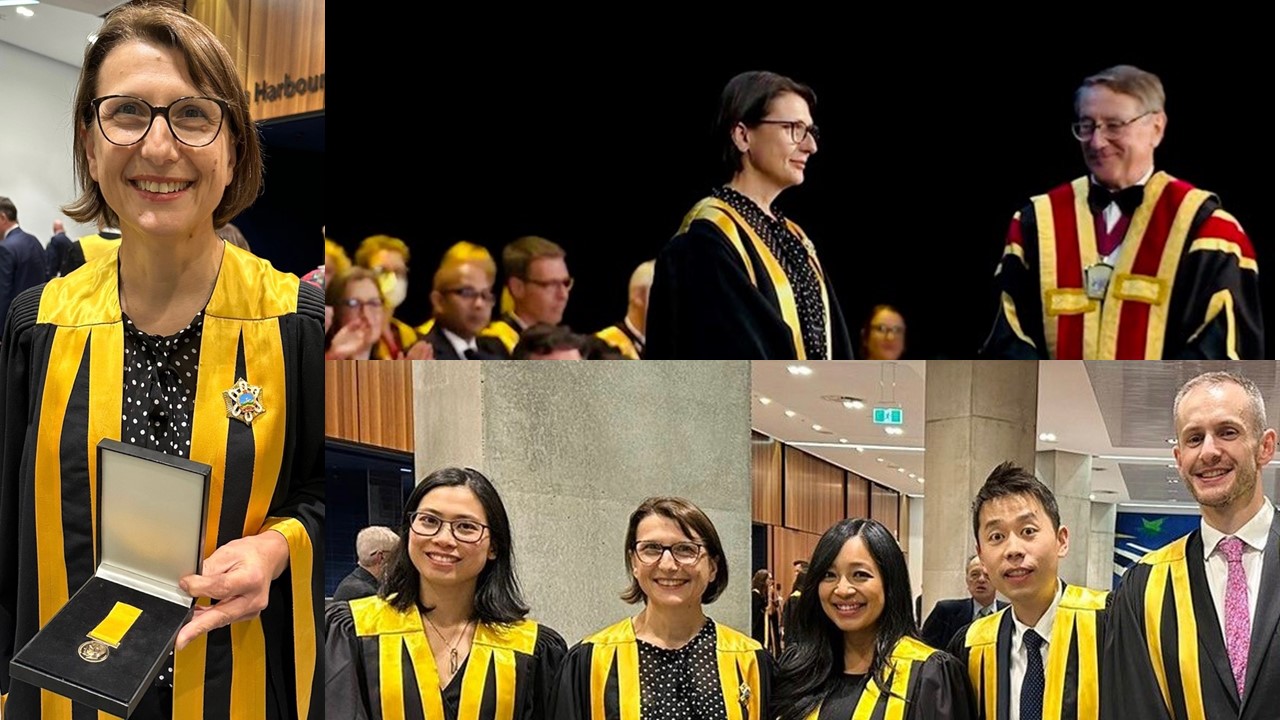
    Congratulations to Dr Amanda Baric, Deputy Director, Anaesthesia and Perioperative Medicine, who was awarded the Robert Orton Medal, the highest award The Australian and New Zealand College of Anaesthetists (ANZCA) can bestow on its Fellows.

    The Robert Orton Medal was established in 1967 to recognise distinguished service to anaesthesia, perioperative medicine and/or pain medicine, above and beyond the clinical setting.

    Dr Jake Geertsema, Director, Department of Anaesthesia and Perioperative Medicine, said, “Amanda’s commitment to improving the lives of patients extends well and truly beyond Northern Health, and even Australia.”

    “Alongside Associate Professor David Pescod AO, Mandy has been instrumental in improving anaesthetic care and medical education – benefiting countless patients in Mongolia and other countries in Southeast Asia. It was therefore fitting that David was given the honour of handing the medal to Mandy.”

    Associate Professor David Pescod AO, in his presentation said, “Amanda’s enthusiasm, commitment and graciousness, has inspired and empowered colleagues in resource poor countries – especially her female counterparts. Amanda embodies the fundamentals of the Robert Orton Medal. She has, and continues, to demonstrate outstanding service – internationally, nationally and to our local community.”

    Northern Health’s Chief Medical Officer, Associate Professor Wanda Stelmach said, “How amazing, but not totally surprising – Mandy has always worked above and beyond what anyone expects. Congratulations Mandy.”

    Jennifer Williams AM, Northern Health’s Board Chair when adding her congratulations said, “No doubt you get your own satisfaction from this work, but it is remarkable enough to get this honour bestowed on you by your College. A great credit to you. Congratulations again.”

    Dr Baric was previously recognised by The Order of the Polar Star, the highest civilian honour the Mongolian Government can confer. You can read the story here.

    Amanda stated, “It is great to be recognised, but I need to acknowledge that it was not just me – it was mostly the Department of Anaesthesia, here at the Northern that’s been doing this work. Northern Health has been really generous with its support.”

    “I am very grateful that the College of Anaesthetists has recognised that many of our Fellows don’t just work in their home country and hospital and have a commitment in other parts of the world.”

    “One of the motivators for me has been making the world just slightly better in a small way. I am hoping that other people will be motivated by that, to just chip away.”

    “There’s a lot of things that are going bad in the world, and it’s nice to know that some things can go well.”

  • We Are Northern: This is the GEM@Home Program team

    We Are Northern: This is the GEM@Home Program team

    Northern Health’s Geriatric Evaluation and Management at Home (GEM@Home) program is based at Bundoora Centre and provides interdisciplinary aged care and rehabilitation services to patients after an illness or injury.

    The program aims to help patients achieve the best level of health and function, whilst in their homes. Patients are visited in their homes daily for the duration of the program by members of the treating team.

    The GEM@Home program also helps to reduce the time a person spends in hospital by receiving care in their home. In consultation with the patient, the treating team develops a care plan that support patients’ care needs and goals, whilst on the program.

    The care plan may include:

    • nursing care
    • physiotherapy
    • dietetics
    • podiatry
    • occupational therapy
    • speech pathology
    • social work
    • geriatrician consultancy.

    The amount of time spent on the program depends on the patients’ individual care goals. Most patients will stay on the program for less than 21 days, including the length of stay as an inpatient in GEM Wards. During this time, the team works with the patient to arrange any ongoing support they may require. This could include Transition Care Program (TCP), Health Independence Program (HIP) or Commonwealth Home Support Program (CHSP) services.

    During the pandemic, the GEM@Home program team experienced many challenges, including reduced staffing and patients refusing in-home services. Telehealth consultations were introduced enabling medical consultations, while nursing staff were attending patients’ homes, ensuring fast and effective treatments were developed to cater for patients’ changing needs.

    Despite the many challenges, the GEM@Home program team persevered and continued to provide high-quality care for their patients. Robyn Coleman, who has been working with the program since its commencement in 2015, has received many outstanding patient feedback forms, highlighting her dedication, high level of skills, compassion and empathy.

    “Working in a team like GEM@Home makes coming to work easy. We all share the same goals for our patients. Each staff member has no hesitation discussing any problems with each other to ensure better outcomes for our patients. Having great support from our manager, care coordinator and administration staff has been beneficial to staff morale, and has helped us make a great team,” she said.

    This year, the team is looking forward to implementing the Electronic Medical Record System (EMR), which will streamline the service and improve communication between the community setting and inpatients.

    “It’s a privilege to lead such a dedicated team who are deeply invested in the program, always ensuring the very best outcomes for our community,” said GEM@Home Program Manager, Mathew Wood.

    Thank you to the staff at GEM@Home program for all that you do for Northern Health patients.

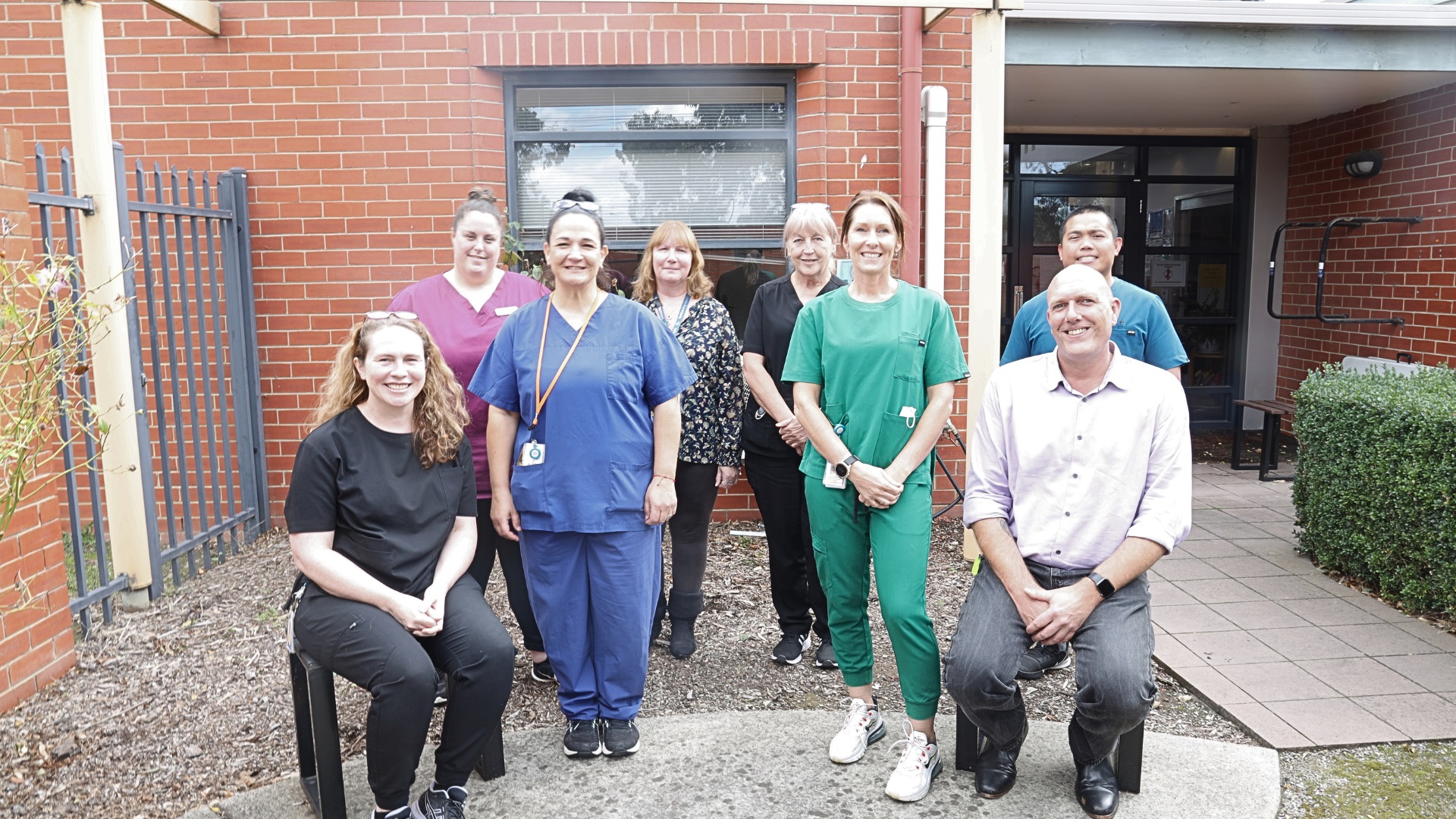
    Pictured (L-R) Back row: Selina Beech, Sharyn Stockdale, Deborah Robb, Edgar Menchavez
    Front row: Bridget Brendel, Grisel Jose, Sharyn Martell, Mathew Wood

  • National Palliative Care Week – Living with intention

    National Palliative Care Week – Living with intention

    This week Northern Health celebrates National Palliative Care Week, which aims to open the conversation on ‘Matters of Life and Death’ and will run until 27 May.

    Palliative care is as much about life as it is death and encourages us to reflect on the things that really matter. Whilst we might not want to talk about it, avoiding conversations about the end of our lives might actually be making it harder for each of us.

    The Northern Health Palliative Care Service continues to grow, providing a mix of specialist inpatient (Palliative Care Unit), consultative (Palliative Care Consultation Service) and outpatient care to over 1,200 patients and their families every year.

    Medical Director of Palliative Care Services at Northern Health, Dr. Alison Giles, says, “It is a privilege to be part of such a dedicated and compassionate team, who, together with our wonderful volunteers, work every day to care for patients and families during this very important, but often challenging, time of life.”

    From the perspective of our Palliative Care Team, the work is about allowing people to live as well as possible in the face of life-limiting conditions. Often this means engaging in activities and treatments that add the most meaningful time to the remainder of their lives.

    This may be achieved by managing physical symptoms, putting care arrangements in place, exploring strategies to support a person’s quality of life, or considering the benefits and burdens of treatment options, right through to providing care and supporting loved ones in the final days of life.

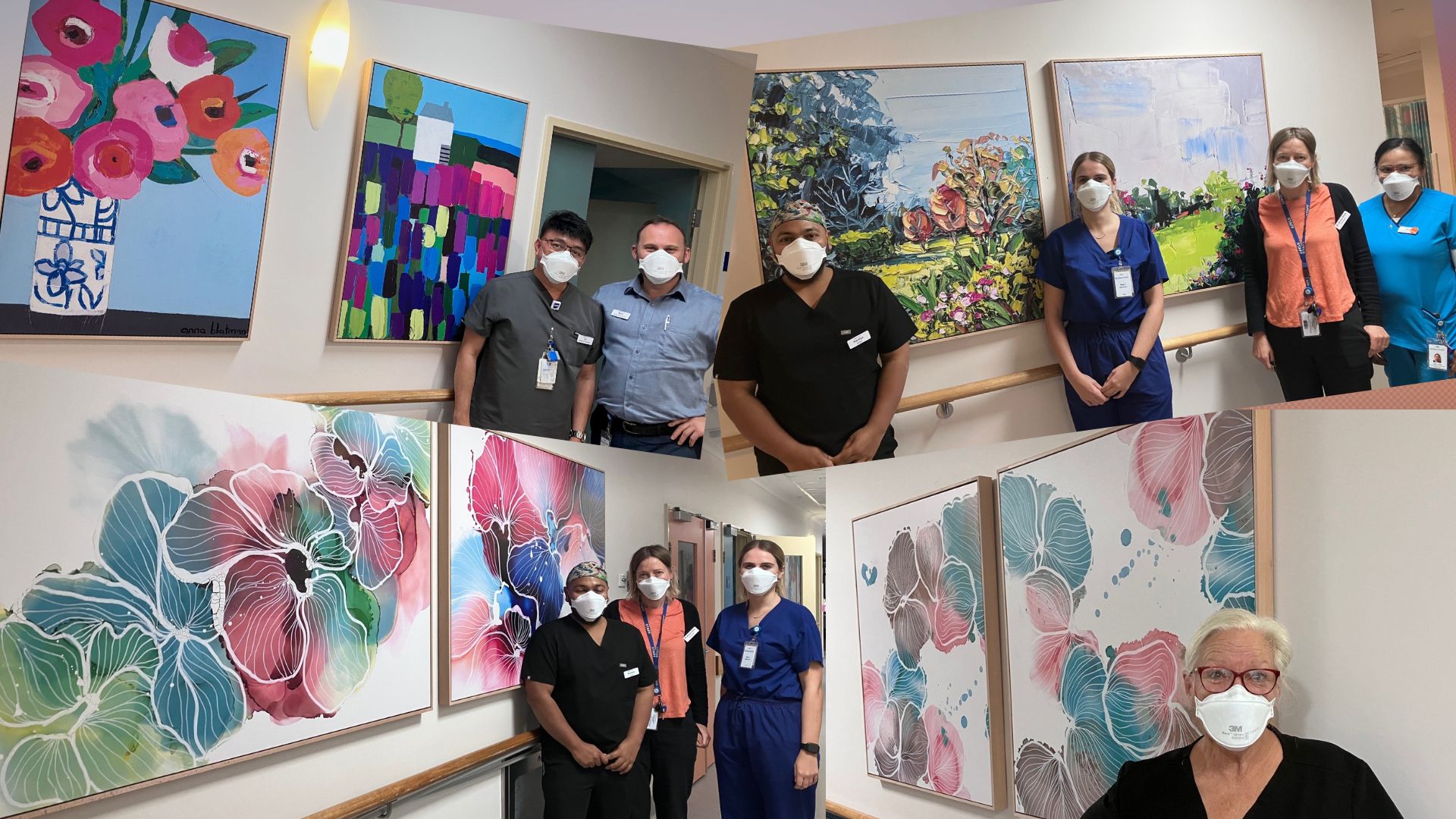
    Pictured: Palliative Care staff admiring the new artworks adorning the halls of (PCU), located in Ward 3 at Northern Hospital Epping, made possible by the generous support of the Northern Health Foundation.

  • Get to know: Snezana Velevski

    Get to know: Snezana Velevski

    #WeAreNorthern

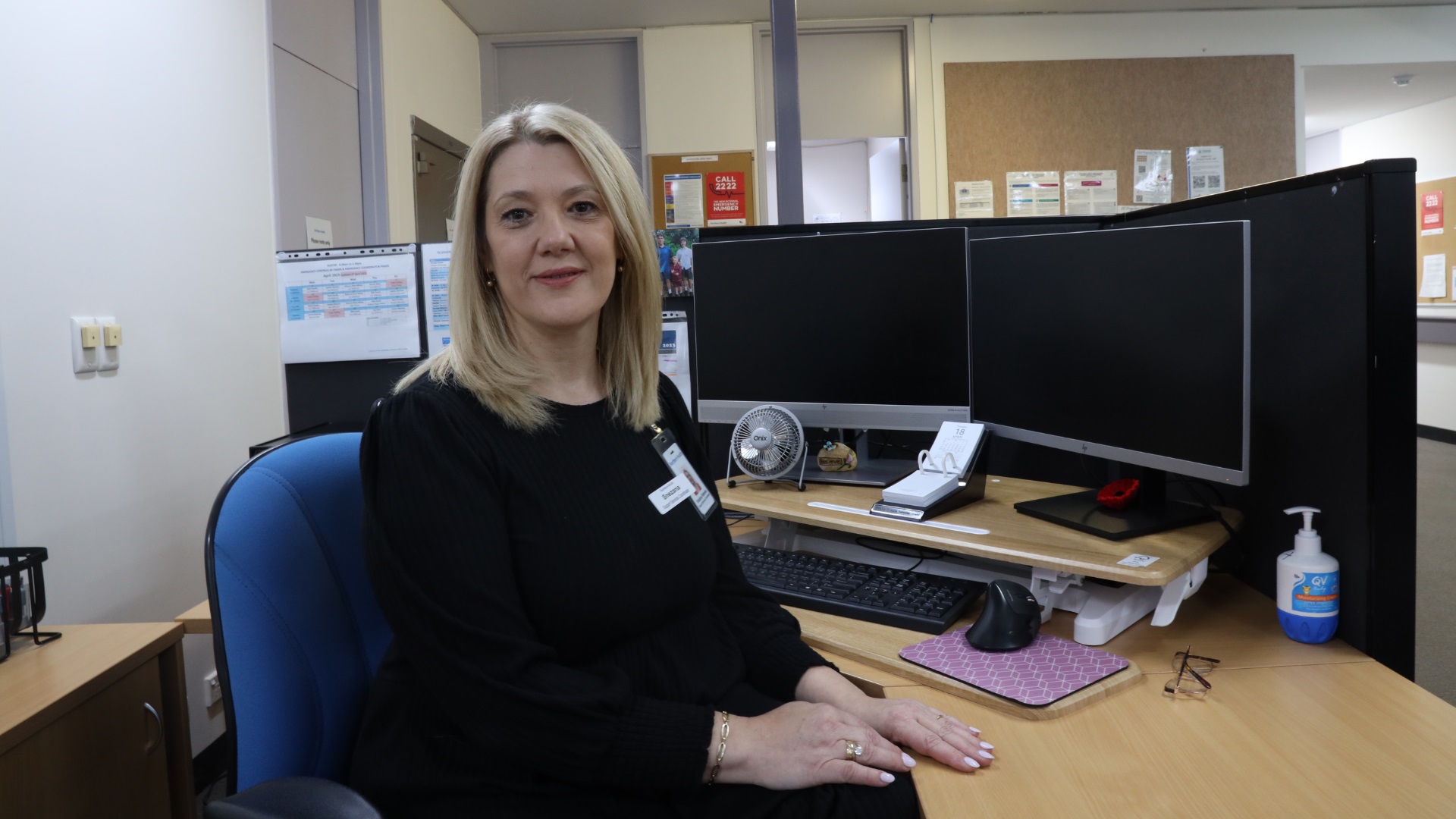
    Meet Snezana Velevski, Support Services Coordinator at Broadmeadows Hospital

    Q: Tell us about your current role at Northern Health?

    A: I work as a Support Services Coordinator, looking after the Patient Services Assistants (PSAs), cleaning, linen, waste, car parking and much more. I am based at Broadmeadows Hospital but also support the PSA teams at Bundoora and Craigieburn Centres. Every day in my role is different, and I love helping my staff and patients with their queries and requests.

    Q: What is your favourite thing about your career?

    A: I enjoy helping clinical teams provide the best service possible to our patients. I have a great team of staff, who I look forward to working with and supporting every day.

    Q: Where do you see yourself in 10 years?

    A: In 10 years, I would love to still be working at Northern Health in a bigger role, further supporting our staff, patients and community.

    Q: What is the best gift you have been given?

    A: One of the greatest gifts I’ve been given are my beautiful grandchildren.

    Q: What is your favourite food?

    A: Burek – a traditional pastry popular in the Balkan countries and made of a thin flaky dough such as filo and filled with either meat, cheese or spinach.

  • Sew wonderful – Busy Fingers are true change makers

    Sew wonderful – Busy Fingers are true change makers

    National Volunteer Week 2023 is a celebration of a volunteers’ power to drive change. The Busy Fingers Auxiliary is a shining example of a group that has taken action to create positive change in our local community, one thread at a time.

    Fifty years ago, a chat amongst a group of women, led by Mrs Kath Atkinson, the wife of the Mayor of Preston at the time, led to the establishment of an Auxiliary Fundraising Group. Kath Atkinson and her group of volunteers were indeed change-makers, dedicating their time and effort towards a cause they believed in.

    Their initial project was to raise funds to establish independent aged care services in Melbourne’s north. They were successful in achieving this and did so by holding fundraising activities and submitting funding applications. These activities included holding raffles, book stalls, trading tables, trash and treasure markets, car boot sales, hosting card playing afternoons, fashion parades and even baby shows.

    The Auxiliary opened the Busy Fingers Shop at Bundoora Centre in 1993, which was funded with money raised through the Auxiliary. To date, the Auxiliary has raised over $3,000,000 for aged care services and support at Bundoora – an incredible achievement.

    Each and every day, the equipment they have funded assists patient care within Bundoora Centre.

    Over the years, the Auxiliary has funded many projects and equipment, including the daily living display centre in the Information and Advisory Centre (IAC), a bladder scanner, tools for the Old Blokes Shed, the Kath Atkinson Wing Rotunda, portable weigh scales, a medical refrigerator and defibrillators.

    Their latest equipment purchase was a vein-finder. With the enhanced imaging processing unit of this Vivo vein-finder, up to 80 per cent of invisible veins can be detected. This equipment not only enhances the work of our staff but contributes to a more pleasant patient experience.

    Kerry Wall, President of Busy Fingers, and a member of the Busy Fingers Auxiliary for over 40 years, spoke of how invaluable this equipment is.

    “I am really thrilled we have donated the vein-finder, as I had a bad experience with Dad before he died, that caused him a lot of grief. If only the doctor had had a vein-finder then. That is what makes people like me, do what we do, when we can help someone else and make their life a little easier,” says Ms Wall.

    Although over the years the membership of this fundraising auxiliary group has changed, the Wall family has been the mainstay. Kerry’s mother was at that very first meeting at Kath Atkinson’s home 50 years ago, and Kerry’s father was also part of the Auxiliary for 33 years.

    “I’d like to personally thank Busy Fingers for the amazing contributions they’ve made in funding some essential equipment at Bundoora Centre throughout their many years of fundraising. Every item received is greatly appreciated by staff and patients. Congratulations on 50 years of the Busy Fingers auxiliary. Thank you for the outstanding and continued support at Bundoora Centre,” said Kirralee Jensen, Site Operations Director and Director of Nursing at Bundoora Centre.

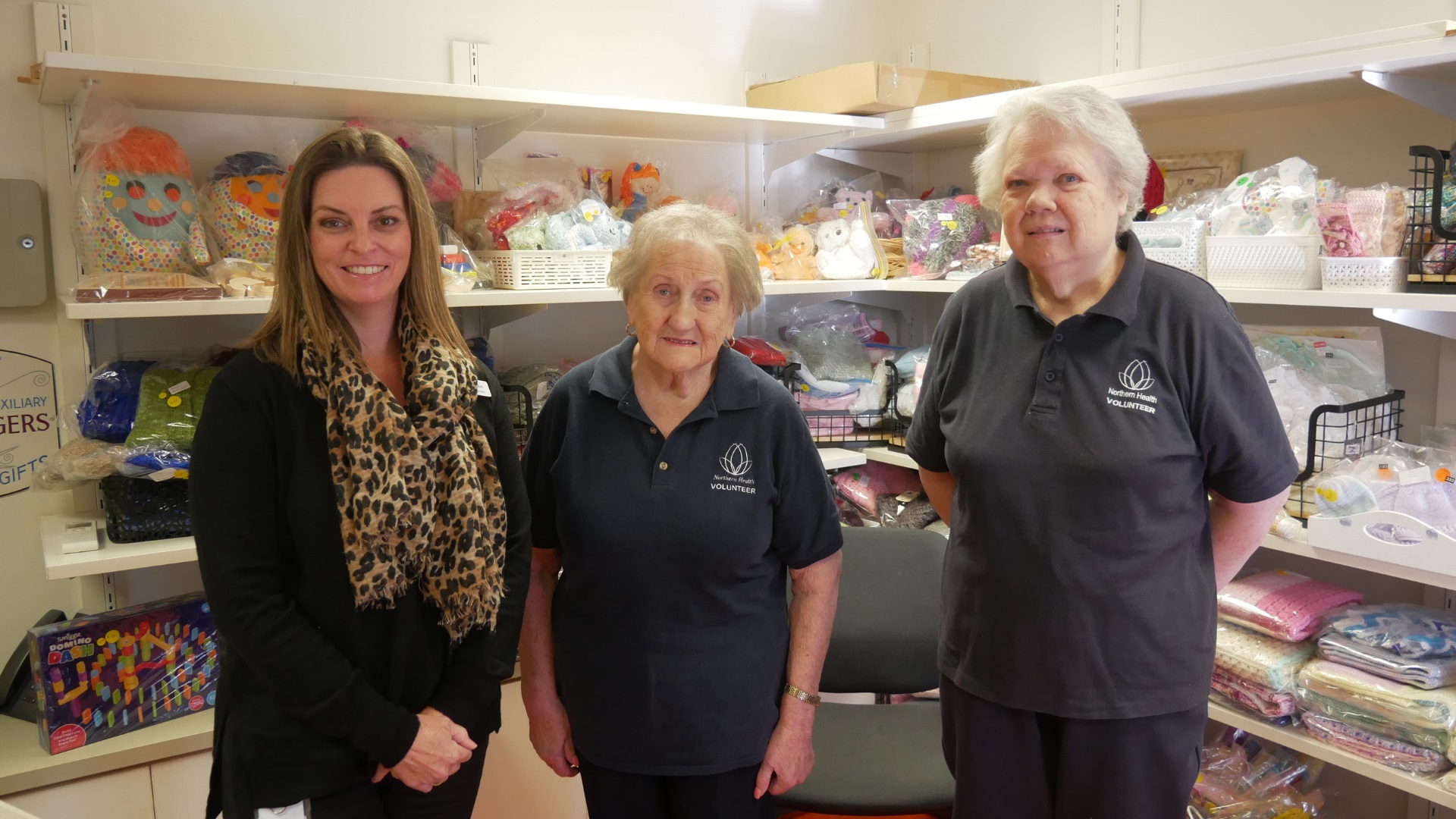
    Pictured (L-R): Kirralee Jensen, Site Operations Director and Director of Nursing with Volunteers Norma McGrillen and Kerry Wall.