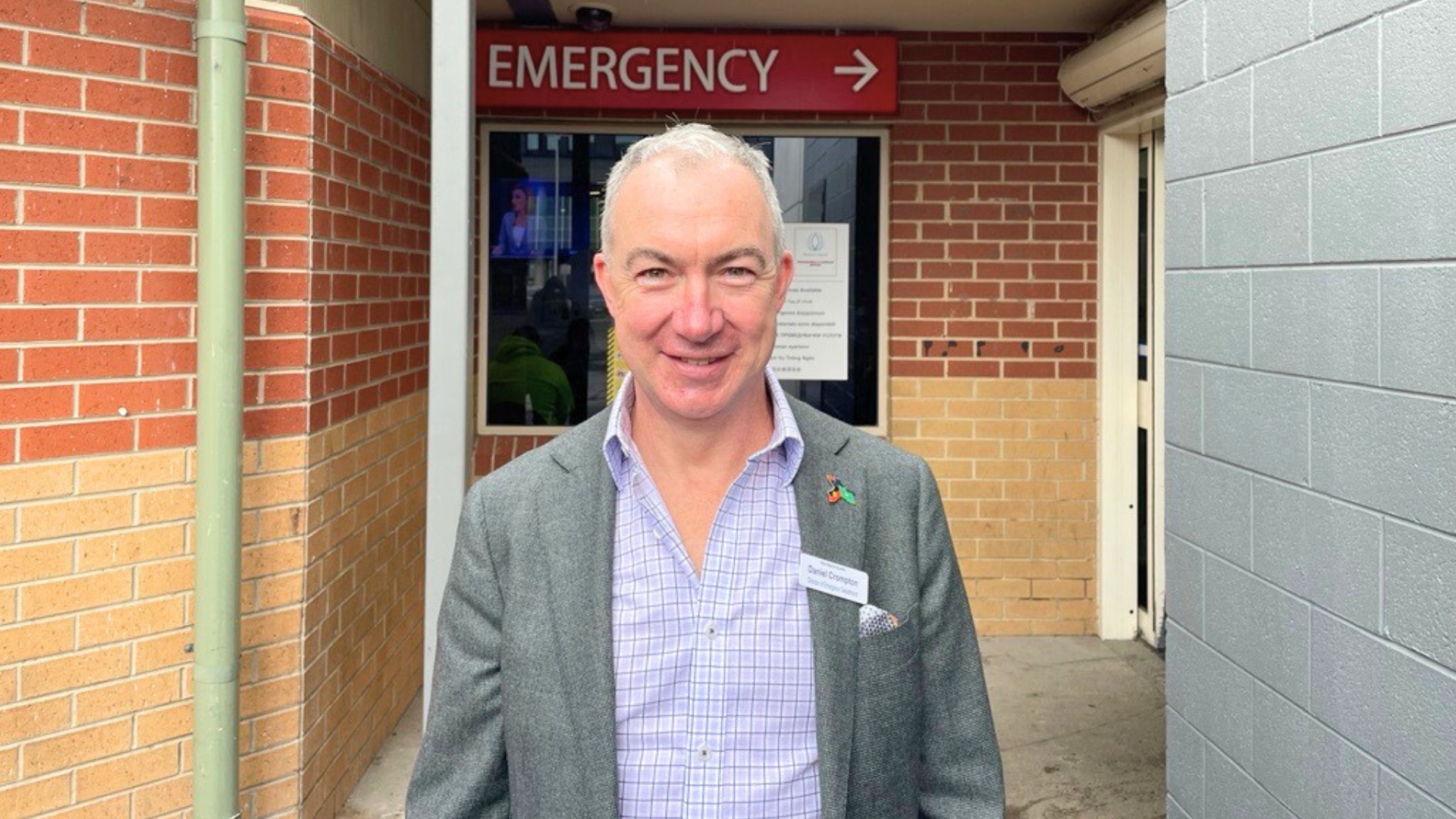
Meet Dr Daniel Crompton, Director of Emergency Services, Northern Hospital Epping.
Q: Tell us about your new role at Northern Health?
A: I’m a Director of the Emergency Department (ED), responsible for service delivery and governance of the ED at Northern Hospital Epping and following the expansion of services at the Craigieburn and Whittlesea Urgent Care Centres. Essentially, I provide support to the extremely hard-working ED staff to do their job to look after our patients.
Q: What was your first job?
A: My first job was a newspaper round to pay for my first ski trip aged 13. I was born and grew up in the UK and the trip was to Aviemore in Scotland – my main recollections were that it was very windy and cold and not great skiing.
Q: What is your proudest accomplishment?
A: I have worked as a doctor in the UK, NZ and now Australia. In addition to working as an emergency specialist, I have worked for Adult Retrieval Victoria for 12 years as a retrieval specialist. My most recent role was as the Director of Emergency Services for Bass Coast Health, responsible for a small rural ED in Wonthaggi and an Urgent Care Centre in Cowes, Phillip Island. This role taught me the importance of a health service to its community and the need always to do our best because we are likely treating one of our community’s family or friend. The team here are dynamic, hard-working and friendly. I hope to bring the best of emergency medicine to our community and support my team to do their best every day.
Q: How would you describe Northern Health?
A: Safe, kind and together. I have witnessed that you all live these values and find it truly inspiring.
Q: Favourite childhood memory?
A: Learning how to ski. In the UK we would ski on ‘dry’ ski slopes – weird but true.
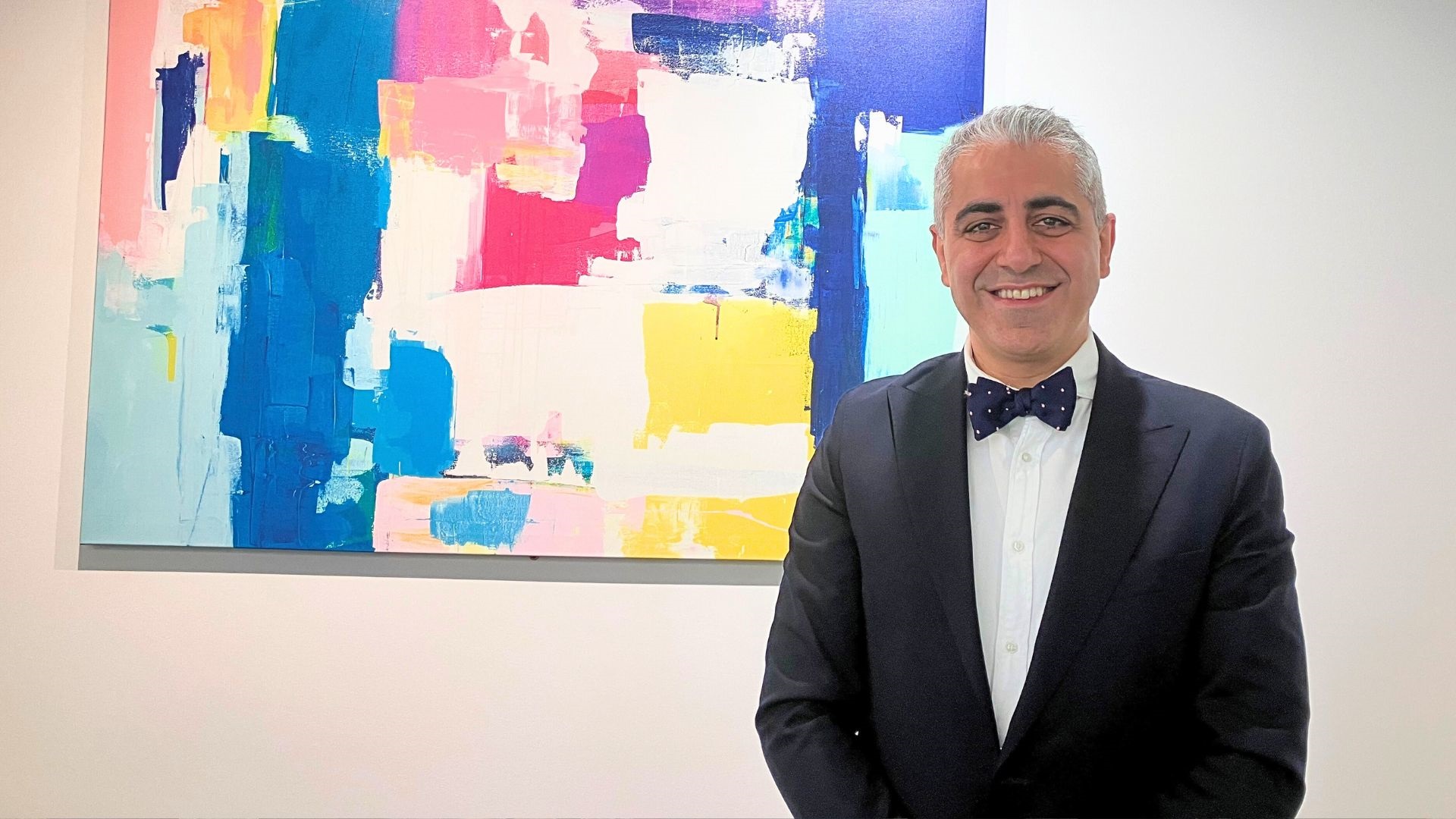
Northern Health’s Vascular Surgery Unit, led by Mr Iman Bayat, Clinical Lead for Complex Venous Service, is the first vascular team on the east coast of Australia to use an innovative new device to perform deep venous thrombus (DVT) removal in a patient.
Mr Bayat says he is delighted by the outcome and has been closely following the new technology that uses the INARI ClotTreiver device in international literature for the past two years.
“I am pleased to announce that this was the first use of this technology on the east coast of Australia, with the first one performed in Perth. This device is a great tool that we now have in the Vascular Surgery Unit at Northern Health, and it will benefit many patients in the future,” he said.
The INARI ClotTreiver device was approved by the Therapeutic Goods Administration (TGA) in late 2022 and is an over-the-wire system designed to capture and remove large clot burden from veins, treat in a single session, eliminate the need for thrombolytics and eliminate extended stays in the Intensive Care Unit (ICU).
Mr Aman Pillay was the patient at Northern Health who was treated for DVT with the new device.
In March 2023, Mr Pillay presented with an extensive Iliofemoral DVT case. He suffered symptoms such as severe swelling, pain in the left groin and difficulty walking. Initially he opted for conservative management, however after discharge, his symptoms worsened, and he was readmitted two days later.
Following his readmission, Mr Pillay’s case was reviewed by Northern Health’s New Technology Committee, and the Vascular Surgery Unit team offered Mr Pillay treatment using the new technology, and in turn, successfully removed the thrombus later that month.
“The large thrombus was successfully removed by using the new device and without the use of thrombolytic medication, reducing the risk of severe bleeding. The surgery was completed in a single procedure, being the second advantage of this new technology. This technology allows us to remove large central clots up to several weeks old, which was much more difficult to achieve with our previous tools,” said Mr Bayat.
Mr Pillay said he opted for the new technology because it was more advanced and carried less risks compared to the other more traditional clot removal procedures.
“The pain I was having in my groin area was immediately gone after the procedure. I was able to walk, limp free, three to four days after the surgery. I saw my surgeon two weeks after the procedure and by that time, my leg returned to its normal size, I had no pain or discomfort and I felt back to normal,” said Mr Pillay.
The Vascular Surgery Unit has since performed the same procedure on two more Northern Health patients with large clots in the central abdominal veins and the subclavian vein. The use of the INARI ClotTreiver device for removal of a large clot in the subclavian vein was the first use of the device for this particular indication in Australia.
Pictured in featured image: Mr Iman Bayat, Clinical Lead for Complex Venous Service.
Over the past few months, Kilmore District Health and Northern Health have worked together to explore the potential benefits of a better connected health service.
After extensive consultation with staff and the community, the boards of the two health services have endorsed a proposal to formally merge to create a new health service for the northern catchment areas under the Northern Health umbrella. The proposal was supported by a comprehensive business case that assessed the options for voluntary amalgamation.
While the consultation and business case process has taken place independent of government, in accordance with the Health Services Act 1988, the proposal has now been referred to the Secretary of the Department of Health and the Minister for Health for consideration and approval.
Under the proposed new structure, each health service will continue to care for their local communities while exploring new ways of sharing resources, increasing access to specialist services and enhancing career opportunities for staff.
If the proposal is approved by the Minister for Health, Kilmore District Health and Northern Health will work with staff to develop an integrated Strategic Plan and Clinical Service Plan with a shared vision for a sustainable model of care to benefit the northern community well into the future.
This week is National Stroke Week – an annual event to encourage the community to fight stroke together.
Fighting stroke together aims to bring people together to share knowledge, support and resources to help prevent strokes from occurring and to aid in the recovery process for those who’ve experienced a stroke.
A stroke happens when blood supply to the brain is interrupted. Blood is carried to the brain by blood vessels called arteries. Blood also contains oxygen and important nutrients for brain cells. Blood may be interrupted or stop moving through an artery because the artery is blocked (ischaemic stroke) or bursts (haemorrhagic stroke). When brain cells do not get enough oxygen or nutrients they die.
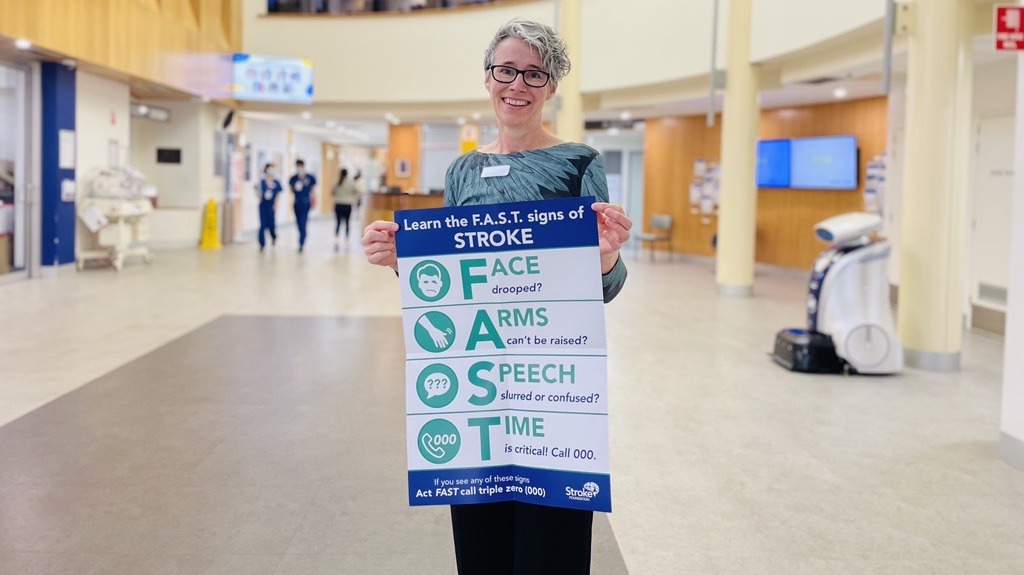
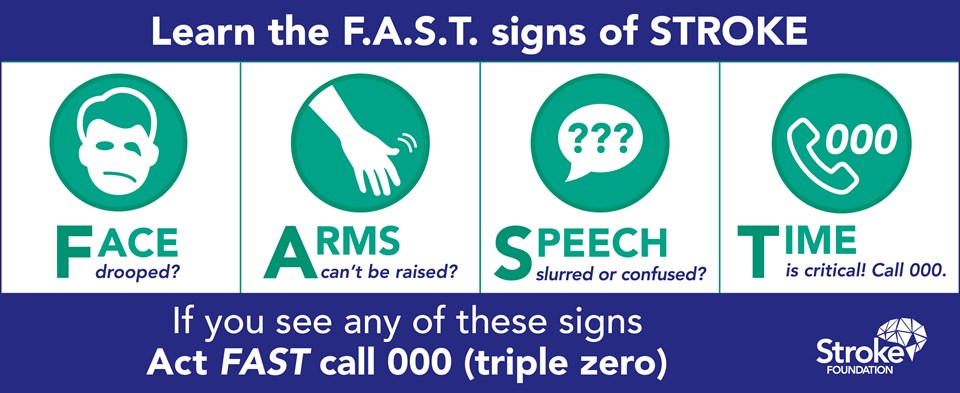
In the event of a stroke, everyone is urged to become familiar with the ‘F.A.S.T.’ signs of a stroke.
Face – Has the face drooped?
Arms – Can arms be raised?
Speech – Is speech slurred or confused?
Time – Time is critical – call Triple Zero (000) urgently.
According to the Stroke Foundation, an Australian will have a stroke every 19 minutes. More than 445,000 Australians are living with the effects of stroke, while regional Australians are 17 per cent more likely to suffer a stroke than those living in metropolitan areas.
Smoking, high cholesterol levels, poor diet, lack of exercise and high blood pressure are among the lifestyle factors that can contribute to a stroke. Liz Mackey, Stroke Nurse Practitioner at Northern Health, said while factors such as age, gender and family history cannot be controlled, basic lifestyle changes can help to prevent a stroke.
“There is no time to waste. We urge you to stop reaching for the salt or sugary drinks. Walk an extra block to work or take the stairs instead of the lift. These small steps can go a long way to reducing your stroke risk,” she said.
Northern Health has a large specialist multidisciplinary stroke team. At Northern Hospital Epping, there is an Acute Stroke Unit on Ward 21, with a Stroke High Dependency Unit that can provide lifesaving stroke treatment with ‘Clot Buster’ medication.
“We have a specialised rehabilitation service that offers intensive stroke specific rehabilitation – both inpatient and with the Early Stroke Discharge program, and outpatient clinics, therapy and services,” Liz said.
“Our patients have access to education for stroke risk reduction.”
During the week, blood pressure checks will be offered to staff at Northern Hospital Epping foyer, 1.30 pm to 2. 30 pm, until Friday, 11 August.
“We’d love to meet with you to talk about stroke and stroke risk reduction or come along to see the display for fighting stroke together,” Liz said.
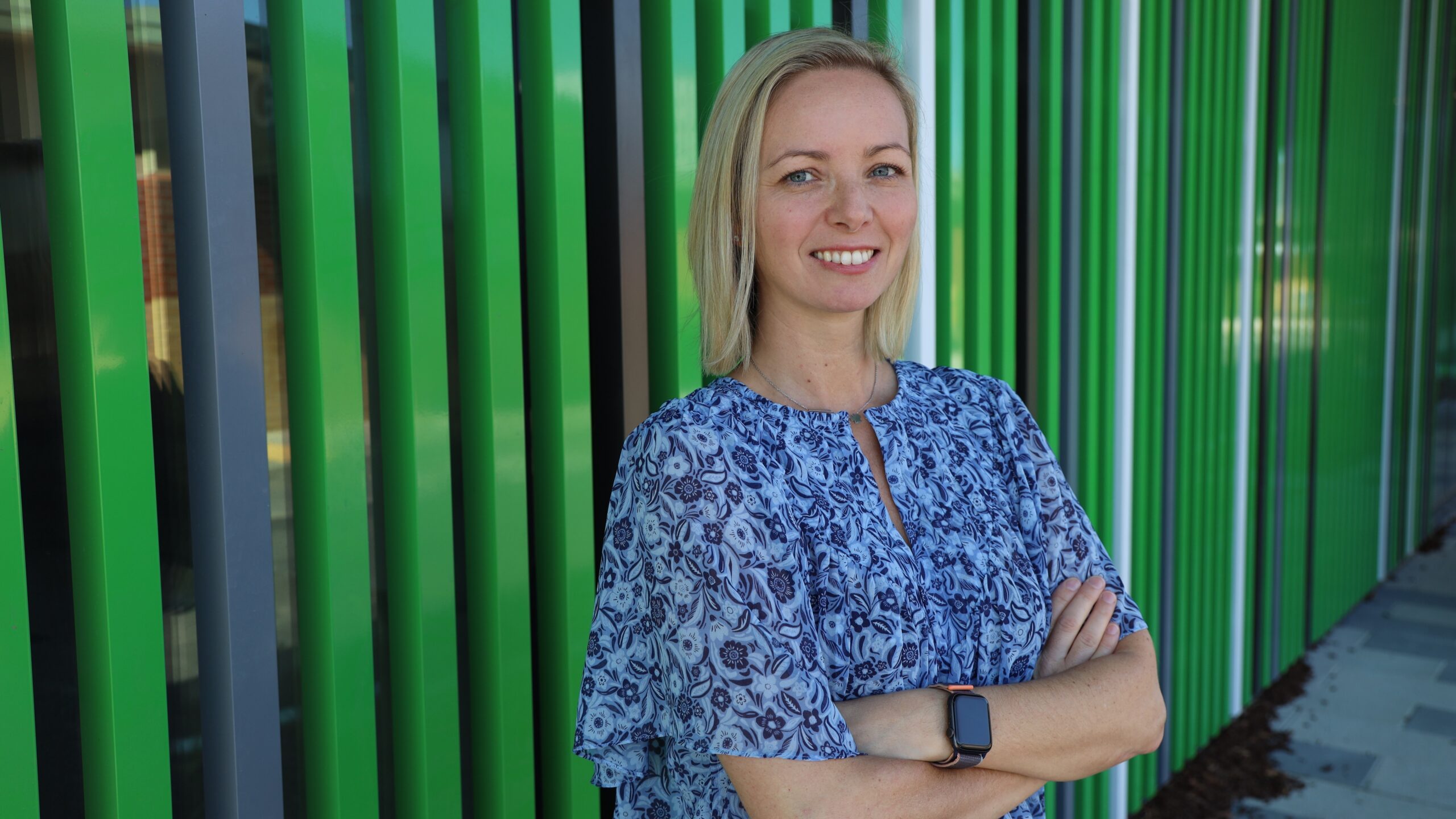
Featured image: Liz Mackey, Stroke Nurse Practitioner.
Broadmeadows Hospital Stroke Week display and Early Stroke Discharge team members
Northern Health recently created a pilot program with Safe Care Victoria (SCV) focusing on analgesic stewardship across Northern Hosptial Epping.
The program is led by SCV and Alfred Health and involved six health services, including Northern Health, to develop strategies within each organisation to guide and review opioid and other analgesic use, and ultimately improve acute pain management and reduce avoidable medication-related harm.
Since the launch almost 18 months ago, Northern Health was successful in obtaining funding for full-time Analgesic Stewardship (AGS) Pharmacist, Joyce Anthony.
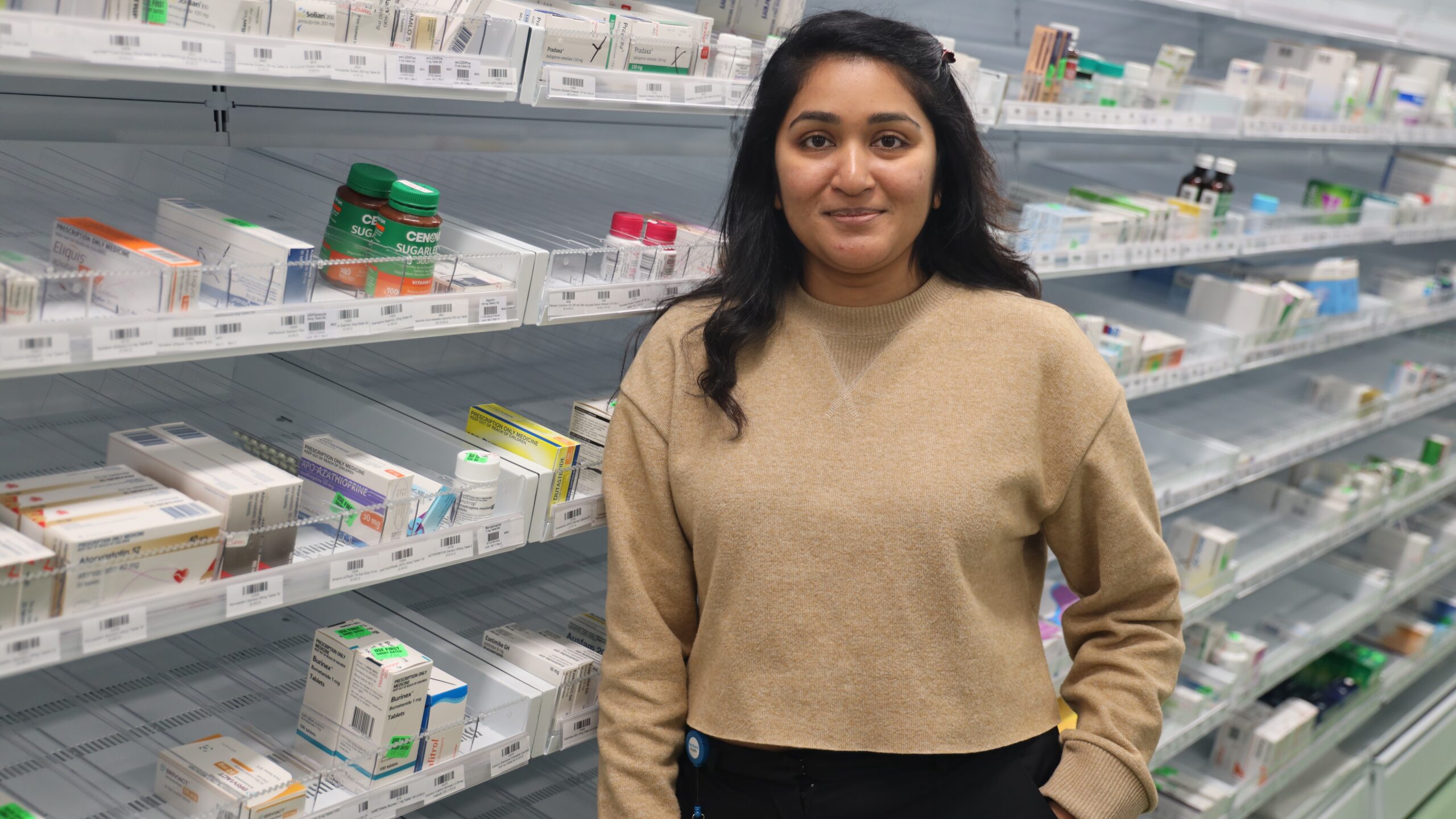
Joyce commenced in her role in February 2023, and has been involved in developing protocols and procedures, monitoring prescribing trends, and educating on analgesic use within the health service. Joyce works on a referral basis to review patients with complex pain needs and who may be on high/multiple opioid use. She is also part of the Acute Pain Services (APS) team.
An Analgesic Stewardship Committee, consisting of representatives across Pharmacy, Quality, Emergency, Surgical, Medical, Palliative Care and APS, meets monthly to review analgesic-related incidences, discuss new therapies, education packages and strategies to address current gaps to meeting the Australian Commission on Safety and Quality in Health Care’s (ACSQHC) Opioid Analgesic Stewardship in Acute Pain Clinical Care Standard.
“Our Analgesic Stewardship Committee and Pharmacy department have collectively learned an enormous amount from the program content provided by SCV and Alfred Health, and from the experiences of the other participating health organisations,” Joyce said.
“Importantly, we have identified that lasting changes requires a hands-on, coordinated approach with strong multidisciplinary collaboration.”
The Analgesic Stewardship Committee’s biggest challenge so far has been guiding long-lasting practice changes in terms opioid and analgesia prescribing across Northern Health, especially with the constant expansion of our services and new staff joining our organisation.
“We have a very knowledgeable and committed team however who are up to the task,” Joyce said,
Looking to the future, the Analgesic Stewardship Committee is keen to build on the learnings provided from the initial analgesic pilot program, and improve analgesic education, governance and safety across Northern Health.
Featured image: Joyce Anthony, Analgesic Stewardship Pharmacist/Team Lead.
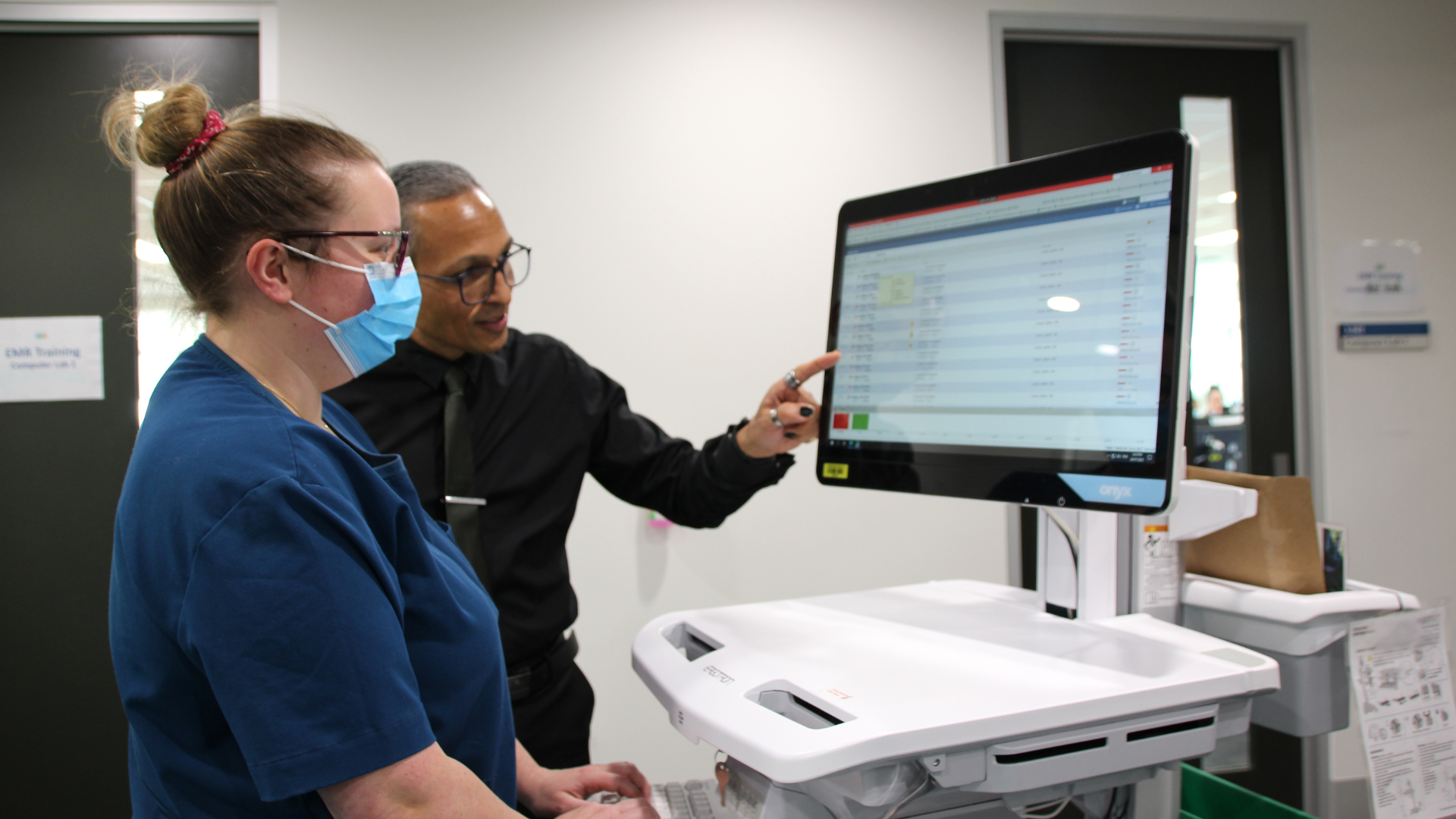
We are less than 29 days before our Electronic Medical Record (EMR) go live! With training and practice, you are only one step away from being fully prepared for go live.
From 21 August, the team will be running Favourites Fair across sites. This is an opportunity to meet the EMR team to personalise your EMR and to have a better understanding of how to use the system. During Favourites Fair, you will be able to set up your patient lists, favourite orders, documentation types, and more to help you increase efficiencies at go live.
This will benefit you by alleviating the stress of setting up your EMR account on the day of go live. In addition to checking and validating your EMR access so you will be ready to go from day one, it also enhances your familiarity with EMR functionalities like Dynamic Documentation, AutoText, Orders, and OrderSets, as well as clinical workflows.
While medical staff will find the most value, we welcome all staff to drop into the main sessions located at Epping, Broadmeadows, and Bundoora.
Northern Hospital Epping – Main Foyer
21 August 11 am – 1 pm
24 August 11 am – 1 pm
28 August 11 am – 1 pm
31 August 11 am – 1 pm
4 September 11 am – 1 pm
5 September 11 am – 1 pm
Broadmeadows Hospital – Meeting Room 1 and 2
30 August 11 am – 1 pm
Bundoora Centre (Bundoora Demountable)
22 August 1 pm – 3pm
23 August 11 am – 1pm
If you have around 10-15 minutes to spare, we encourage you to stop by the Favourites Fair to give yourself a head start for go live!
Meet Stefania Zen, Transcultural and Language Services (TALS) and Narrun Wilip-Giin Aboriginal Support Unit (ASU) Education and Engagement Manager.
Q: Tell me about your new role as the TALS and ASU Education and Engagement Manager – what does it entail?
A: My new role focuses on supporting both TALS and Narrun Wilip-Giin with planning and delivering training for staff on cultural competence and Aboriginal cultural safety. This training is very important given the catchment area we work in, and I am always looking at ways to support Northern Health staff in providing the best possible culturally safe and appropriate care.
At the same time, the role entails reaching out to local community groups and collaborating with other departments at Northern Health in providing education/information to the community about the various services we offer at Northern Health.
I also look after all requests for written translation, liaise with RMIT and Monash University to organise the interpreting students placement with TALS, organise professional development opportunities for interpreters, and assist TALS and ASU in the development, implementation and assessment of plans, and in particular the Cultural Responsiveness Plan and the Reconciliation Action Plan.
It is only a part time role, I work Monday to Wednesday, but it can get very busy.
Q: What does a typical day look like for you?
A: Every day is different. I may be busy planning or delivering training for staff, or sorting through translation requests, or providing advice to someone on culturally appropriate approach, or working towards the next community engagement event.
Q: If you weren’t in your current role, what would you do?
A: I would probably be interpreting. I speak Italian and Spanish, and I have always found interpreting, especially in medical settings, very rewarding. To see that sense of relief in patients when you walk in and you can speak their language, it is very special.
Q: What do you like to do in your spare time?
A: What is spare time? I like to keep myself busy all the time. When I do stop, I like to cook something wholesome from scratch, spending time with my family or go for a swim.
Q: What might people be most surprised to know about you?
A: I used to be a professional ballerina and tried that career in London before becoming an interpreter and translator and moving to Australia.
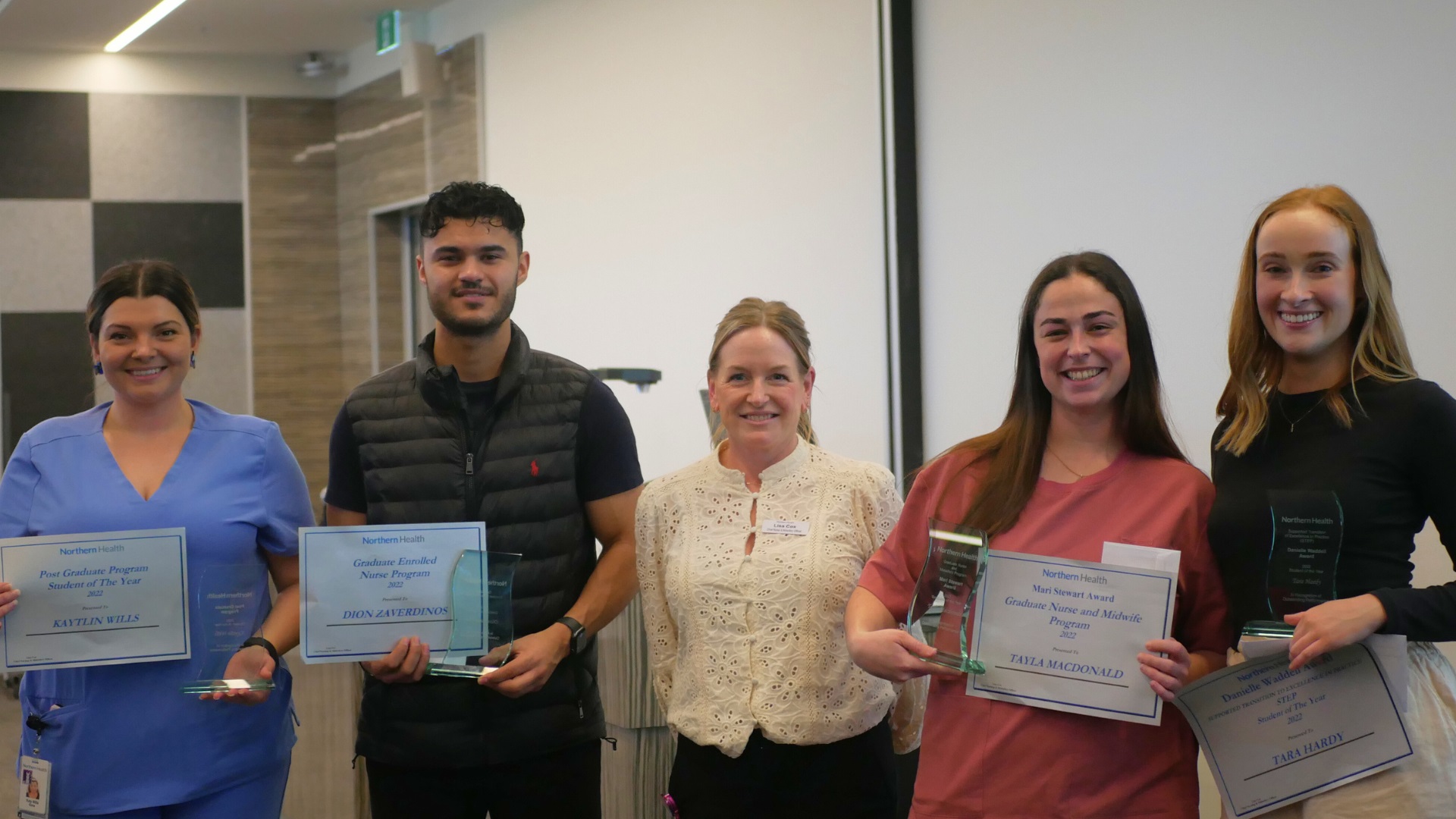
Last Friday, 28 July, Northern Health held the Nursing and Midwifery Graduation ceremony for the 2022 programs, marking the first face-to-face event since 2019.
The event was held at the NCHER Lecture Theatre, and was a celebration of the following programs: Enrolled Nurse Graduate program, Graduate Nurse Midwifery program, Supported Transition to Excellence in Practice program (STEP), Postgraduate programs and Preceptor award.
The ceremony marking the students’ graduation was not just a culmination of years of hard work and dedication, but also a celebration of their commitment to caring for others. Surrounded by friends, family, and mentors, the graduates stepped into a future that promises to be both challenging and rewarding.
The graduation ceremony commenced with an Acknowledgement of Country by Karen Bryant, Senior Aboriginal Liaison Officer, followed by welcome messages from Lisa Cox, Chief Nursing and Midwifery Officer, and Anthony McGillion, Divisional Director Education.
“Graduates have worked hard to complete their programs supported by staff and nursing midwifery education, as well as the executive. It takes a community to support our learners and the graduation is an accumulation of their fantastic result,” said Annabel Milonas, Director Education, Nursing and Midwifery.
“We congratulate all 2022 award winners and graduates and wish them well in their future nursing and midwifery careers.”
During the ceremony, four graduate and postgraduate students and one preceptor were presented with awards by Lisa Cox for outstanding performance.
“The Nursing and Midwifery Graduation ceremony is a special time to acknowledge the achievements of not only all graduates through Northern Health but recognise and reward some exceptional graduates of various programs,” said Lisa.
“From Graduate EN’s, RN’s, through to specialty transition and post-graduate, this demonstrates the vast amount of education and professional development opportunities available at Northern Health.”
“Thank you to every nurse and midwife who go out of their way to support and teach our graduates of all courses, and a very special thanks to our Nursing and Midwifery Education Team, who are amazing.”
Dion Zaverdinos was awarded Enrolled Nurse Graduate of the Year 2022 for demonstrating a strong commitment to delivering quality, holistic patient care and for going above and beyond to ensure the comfort of those in his care.
“Dion has been recognised by both his peers and family members for the compassionate care that he provides to his patients,” said Rae-Chal Burgess, Enrolled Nurse Clinical Nurse Educator, when presenting the award.
Tayla McDonald was the recipient of the Mari Stewart Graduate Nurse Midwife of the Year 2022.
“A caring and compassionate nurse showing diligence in her work and lives the Northern health values of safe, kind and together in her everyday practice. During her time as a GNP, she was able to work well in the spirt of camaraderie with the multidisciplinary team, and has found a passion for ED nursing,” said Kate Duggan, Graduate Nurse Midwifery Program (GNMP) Coordinator.
The Postgraduate of the Year 2022 Award went to Kaytlin Wills, who was awarded the Aboriginal Postgraduate Nursing Scholarship to support her studies. Kaytlin was praised for being dependable and working hard to successfully complete her studies, resulting in an above average GPA and outstanding academic result.
“A warm, cheerful attitude to our patients and staff, she is a team member who always tries to lift the spirits of those around her, reflecting Northern Health values, and a dedicated staff member who provides the highest quality of care to her patients,” said Nicole Psaila, Postgraduate Program Coordinator.
The Nicole Browne Preceptor of the Year 2022 was awarded to Ashly Varghese for demonstrating a passion for mentoring the junior staff, and always striving to assist these staff in furthering their skill and knowledge base.
“Ashley projects a warm, cheerful attitude towards our patients and staff and displays impeccable attention to detail for our undergraduate students and graduates,” said Katia Forbes, GNMP Coordinator.
Lastly, the Danielle Waddell Supported Transition to Excellence in Practice (STEP) Student of the Year 2022 Award went to Tara Hardy for demonstrating strong work ethic and professionalism and brilliant communication with staff, patients and family members.
“Tara puts a smile on everyone’s face as a team player and has always demonstrated the Northern Health values of safe, kind, together,” said Annabel Milonas.
Congratulations to the nursing and midwifery graduates as they embark on a journey of compassion and care, transforming lives with their dedication and expertise.
Pictured in featured image (L-R); Kaytlin Wills, Dion Zaverdinos, Lisa Cox, Chief Nursing and Midwifery Officer, Tayla McDonald and Tara Hardy.