• Standard 7 – What you need to know

    Standard 7 – What you need to know

    Each week in the lead up to Accreditation, Northern Health will focus on a different Standard. You will hear from the Chairs of each Standard Committee on what you need to know.

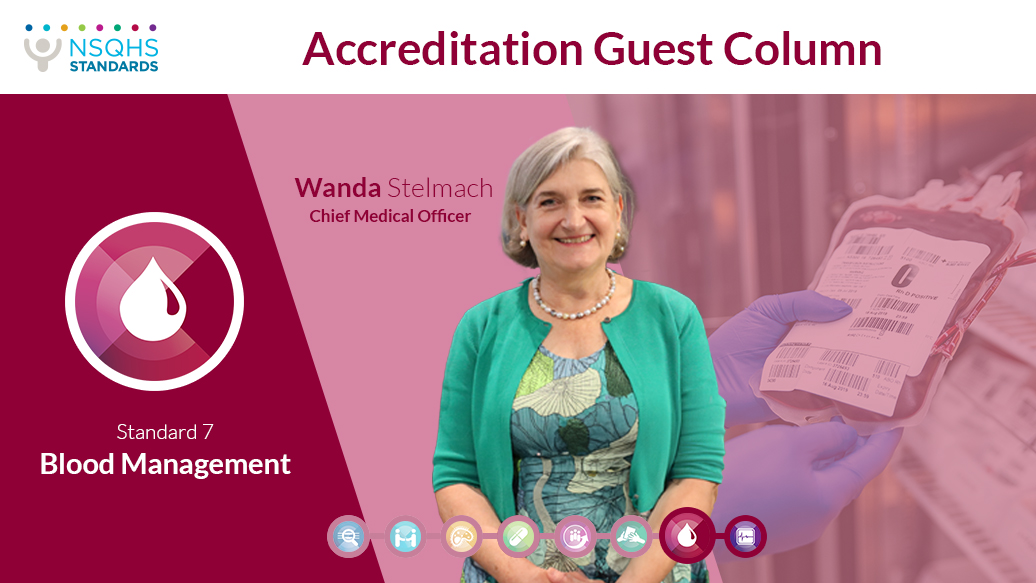
    This week we spoke to A/Prof Wanda Stelmach, Chief Medical Officer, about Standard 7: Blood Management

    What is this Standard about?

    The Blood Management Standard aims to improve outcomes for patients by identifying risks and using strategies that optimise and conserve a patient’s own blood, as well as ensuring that any blood and blood products that patients receive are safe and appropriate. Blood is a precious resource. It is a product that is altruistically gifted by members of the community to support those members in the community who need it most. Blood products must therefore be used appropriately and safely.

    At Northern Health, this Standard looks like….

    • Blood is considered a precious resource and will be used appropriately and safely
    • Right blood to the right patient for the right reason
    • Correct and MATCHING labelling of blood tubes and request slip
    • Consent – information brochure and written consent
    • Blood Product Administration Chart is your guide and documentation tool
    • Blood Safe training for all staff who handle blood, blood products and blood samples
    • Correct and safe blood storage
    • Minimized wastage

    What are the top 5 ways staff can be prepared for Accreditation against this Standard?

    The five key messages from Standard 7 are:

    • Effectively optimizing and conserving a patient’s own blood, reducing the unnecessary risk of exposure to blood products and associated adverse events
    • Making clinical decisions ensuring all treatment options, and their risks and benefits, are considered before deciding to transfuse
    • Safely administering the products to the intended recipient.
    • Storing and disposing of blood and blood products correctly.
    • Reporting and investigating any adverse reactions or incidents.

    What are the top 5 questions staff needs to be able to answer about this Standard?

    1. Do you know the governance structure/Committee that oversees the safety and quality systems for Blood management at Northern Health?
    2. What is the mandatory training requirements for the Staff involved in Blood Management, the frequency of training, and where can you access these training?
    3. How do we involve the patient in their care with regards to blood management?
    4. What is Patient Blood Management?
    5. What do you do when a patient experiences a reaction to a blood product?

    Is there anything else you would like staff to know about this Standard?

    The Zero tolerance program in Blood Management rejects samples that do not meet the labelling requirement for pre-transfusion sample collection and request for blood and blood products. This means if the tube and the request information don’t match the sample is rejected and the patient has ANOTHER UNECESSARY venesection!

    REMEMBER:

    • Patient’s 3-point ID must match with the specimen tube and request form.
    • The collector’s signature or initials and date of collection on the request form must be identical to the sample label.

    To learn more about Standard 7, please see the Intranet.


  • Get to know: A/Prof Wanda Stelmach

    Get to know: A/Prof Wanda Stelmach

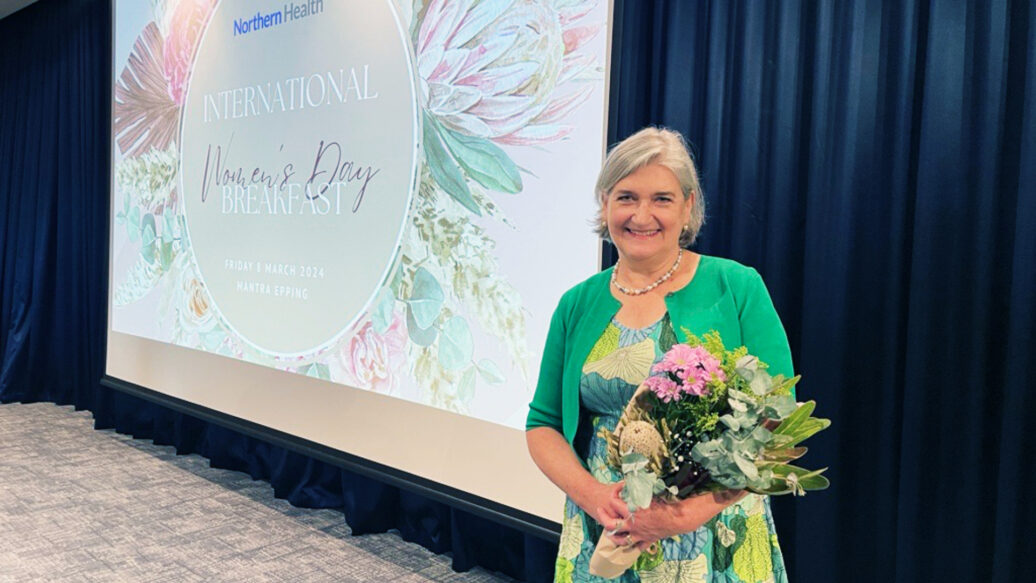
    Every encounter with Associate Professor Wanda Stelmach, Chief Medical Officer at Northern Health, provides an opportunity to learn and be inspired. This morning’s encounter, where Wanda spoke to guests attending Northern Health International Women’s Day Breakfast at Mantra Epping, was no different.

    Very giving of her time and expertise, Wanda has made an enormous contribution to Northern Health, to the medical profession, and to all those who have been privileged to work with and learn from her.

    Her time working across PANCH and Northern Health spans 30 years, and recently Wanda announced that she will be stepping down from her role as Chief Medical Officer as she begins to transition to retirement, leaving some very big shoes to fill.

    Let’s discover more about Associate Professor Wanda Stelmach….


    Q: Wanda, as is customary with our staff profiles, let’s cover the most important question first, your coffee order, please?

    A: Small soy flat white extra hot – I like coffee very hot and water very cold!


    Q: You recently completed 30 years of service at PANCH/Northern Health. What have been some of the major highlights over the years?

    A: The transition of PANCH from Preston to Northern Hospital in Epping in 1998 was amazing. It was done in over a day with theatres starting up the next day – which wasn’t such a great idea as we were situated next to an open tip (where Riverlee is now building) and with no fly-screen doors, we had flies in theatre – lists were cancelled, and a fly was sent in formalin to pathology. A report followed – I wish I still had a copy of that!

    Another major highlight for me has been watching the evolution of Northern Hospital, from a small community provider of care to Northern Health, a tertiary institution which challenges the majors yet keeps that ‘small town feeling’ which is why I think Safe, Kind, Together resonates with staff. Northern Health really came into a league of its own when we managed thunderstorm asthma and later, how we managed the pandemic. I am really proud of how staff came together and worked together to support the community and each other – the can-do attitude took effect, and we haven’t looked back!


    Q: What does a day in the life of Northern Health’s Chief Medical Officer (CMO) look like?

    A: Well, it could be a day of back-to-back meetings and interviews, or it can be quite a clear day administratively, but things do pop up! And Fridays are always breast clinic! It’s varied and interesting work because of my interactions with staff from across the whole health service and the community. People who are enthusiastic, want to see Northern Health succeed and have such brilliant ideas!


    Q: What have you enjoyed most about the CMO role? And what will you miss the most?

    A: My wide portfolio has been challenging and interesting. Junior and Senior Medical Workforce, Pharmacy, Outpatients, Pathology, Radiology, Library, Research and Education – all report to me. There have been massive changes in all of these areas. I have enjoyed the challenges because of the staff, patients, families and communities I interact with. I will miss the breadth of interactions, however, I will continue my work as a breast surgeon and as Medical Director NEMICS, as well as, continue teaching medical students and co-supporting my RMIT research students, so there will be plenty of opportunities to catch up.


    Q: The theme of this year’s International Women’s Day is ‘Count Her In: Invest in Women: Accelerate Progress’. Who invested in you and how did this impact your career?

    A: My parents were the first to invest in me as well as in my sister and brothers. At home and at school, it was an equal playing field academically and with housework. My clinical mentors, especially Hamish Ewing and David Butterfield, who I met at PANCH, taught me that although medicine is extremely fulfilling professionally, there needs to be life outside to make a person a well-rounded empathic clinician. My husband and my children have also been amazing support, although my daughter once accused me ‘of loving my patients more than I did her’, as I rushed back to the hospital late one evening!


    Q: Your parents taught you the importance of an education and that ‘if you had an education, no one could take it from you’. Why is the investment in education so important, particularly for women?

    A: It’s like the saying, “If you give a man a fish, you feed him for a day. If you teach a man to fish, you feed him for a lifetime.” Once you have a skill, you can use it to leverage a better life for yourself, your family, community and society. Such programs as SEWA Bharat in India support women to become self-employed. Education grows aspiration so that women feel empowered to apply for what are considered non-traditional roles. The more there is diversity in employment, the more we recognize the benefits of moving away from gendered roles – diversity is better for the individual and for society.


    Q: Why is mentorship, and finding the right mentor, so important?

    A: A mentor and mentee getting together to discuss their area of interest is so beneficial for both. The mentee gets insight into career pathway and choices made, and by challenging what in effect is a historical pathway, brings the perspective of the current generation to the table and gives the mentor a different view of the world. Sometimes one mentor is enough. Other times you need a mentor to support different aspects of your life. And the needs of both change over time, but the value of that interaction never ceases.


    Q: What do you like to do in your spare time? When you’re not on call that is……

    A: My husband and I are working on a native garden at our weekend getaway in Gippsland – so lots of reading, trailing plants and working with the local land care group. We love going to art galleries together and we love doing our own thing. For me, it’s our apartment balcony garden – very proud of the fact that I grew a great summer crop of tomatoes, lettuce, cucumbers and basil all in large pots! I love framing – anything – for myself, my family and friends – I love the challenge of creating a piece of art while at the same time working with my hands.


    Q: What’s next for Wanda Stelmach? What does retirement look like?

    A: It’s not retirement! It’s a reconfiguration of my life with a big dose of flexibility! I will continue supporting the Northern Health community through my breast and my NEMICS work, especially in the area of cancer services. I plan to continue to teach medical students, support my research candidates and mentor. And I will be able to focus on being a better archivist for the Newhaven Yacht Squadron and bring their archiving into the 21st century, as well as complete their 60-year history as a coffee table book – the 50-year history is an e-book on their website. I plan to enjoy the luxury of writing poems, just for my own pleasure! Reading. Tapestry. Travel. I intend to be busy, but different busy! Apologies to anyone I have made jealous – your time will come!

    Wanda was also a special guest on this week’s episode of Visiting Hours, Northern Health’s podcast, where she shares many more key insights and personal stories. To listen to this podcast, click here.


  • Fortifying Northern Health: Cyber security measures in 2024

    Fortifying Northern Health: Cyber security measures in 2024

    As we continue to navigate the digital landscape, it’s important to remain vigilant against cyber threats. Recent cyber-attacks on various service providers have underscored the importance of maintaining a strong cyber security posture.

    According to the latest data, there has been a significant increase in cyber incidents globally, with the Australian Cyber Security Centre reporting a rise in cyber-attack reports. This highlights the ever-present risk of cyber threats and reinforces the need for heightened awareness and preparedness.

    As Northern Health’s Chief Information Officer, David Calvo, has emphasised, “Hospitals are increasingly reliant on technology, making us potential targets for cyber-attacks. A breach could compromise patient data, disrupt hospital operations, and erode patient trust.”

    To mitigate these risks, Northern Health is committed to providing comprehensive cyber security training. Our cyber security training module is regularly updated to address the latest threats, including scams and phishing attacks. Phishing remains a prevalent threat, with attackers using fraudulent emails to deceive recipients into divulging sensitive information or clicking on malicious links.

    The ICT team is collaborating with the Department of Health to launch a phishing awareness campaign in the coming months. This campaign will educate our staff on identifying and mitigating email-based security threats.

    “We all have a role to play in safeguarding the hospital against cyber threats. By staying informed and vigilant, we can help protect our patients’ information and ensure the integrity and availability of our services. Cyber Security is not only the responsibility of the ICT Cyber Security Team, but from every member of the Northern Health community,” said Mr Calvo.

    “Please take the time to complete the cyber security training module and familiarise yourself with our cyber security policies and procedures. Together, we can enhance our cyber security posture and protect our organization from potential threats.”

    Thank you to all our staff for your continued dedication to maintaining a secure and resilient cyber environment.

  • MRFF grant funding for falls

    MRFF grant funding for falls

    A project led by the University of Western Australia, with La Trobe University and Northern Health as key partners has received $1.4 million in funding, through the Medical Research Future Fund (MFF).

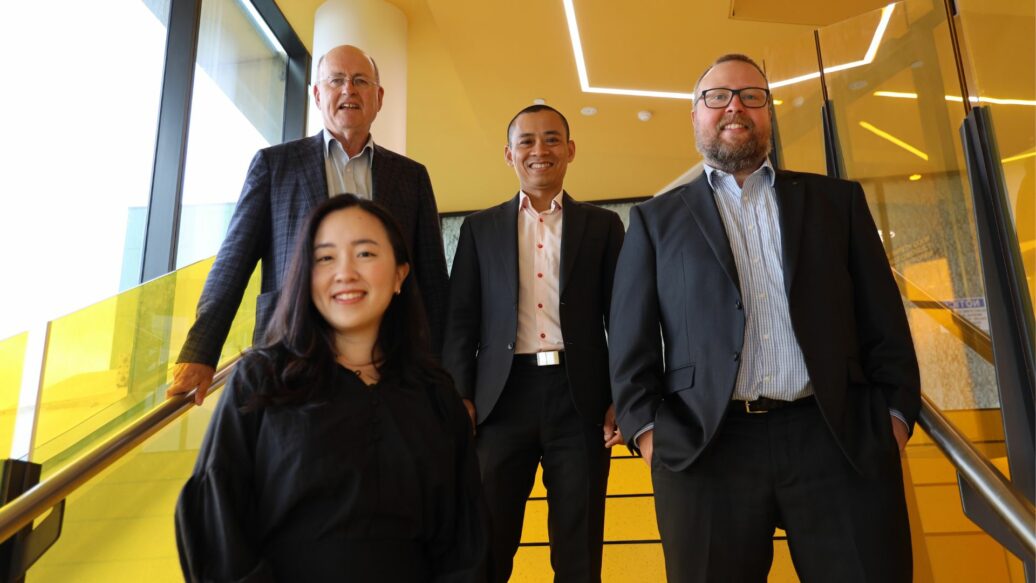
    Northern Health Chief Investigators include Associate Professor Adam Semciw and Dr Hazel Heng, Allied Health Research Leads, La Trobe University and Northern Health. Professor Don Campbell and Uyen Phan, Associate Director of Physiotherapy are Associate Investigators.

    Dr Heng says, “Patients who fall in hospital have nearly twice the length of stay compared to non-fallers. Hospital-related costs for fallers can be twice as much as non-fallers, with an estimated $38,991 in additional costs for each injurious hospital fall.”

    She adds, “Receiving this grant highlights the collaborative effort between Northern Health and other hospitals across Western Australia and Victoria and speaks to the strengths and skills of our research team. This is a big step forward in our efforts to keep our patients safe, and I look forward to working with the team, the patients and the staff here at Northern Health.”

    Mr Phan who is also the chair of the Preventing Falls and Harm from Falls, Clinical Improvement Committee, believes falls are everyone’s responsibilities, and this research is much needed.

    He says, “The Preventing Falls and Harm from Falls, Clinical Improvement Committee and I are very excited to be part of this important work to reduce falls at Northern Health.”

    Associate Professor Semciw is excited about the opportunity to implement and evaluate an innovative model of care directly on the wards, facilitating rapid translation of evidence into practice.

    “It also provides an opportunity to mentor the next generation of clinician researchers, future proofing implementation research at Northern Health with support from key University partners at La Trobe University and University of Western Australia.”

    “This grant is testimony to the power of collaboration between our academic partners at La Trobe University and University of Western Australia and frontline clinicians on the wards at Northern Health.  It’s a great opportunity to build a lasting collaboration to the benefit of our patients,” says Professor Campbell.

    Picture shows: Dr Hazel Heng, Professor Don Campbell, Uyen Phan and Associate Professor Adam Semciw.

  • Quarterly Staff Recognition Awards 2024

    Quarterly Staff Recognition Awards 2024

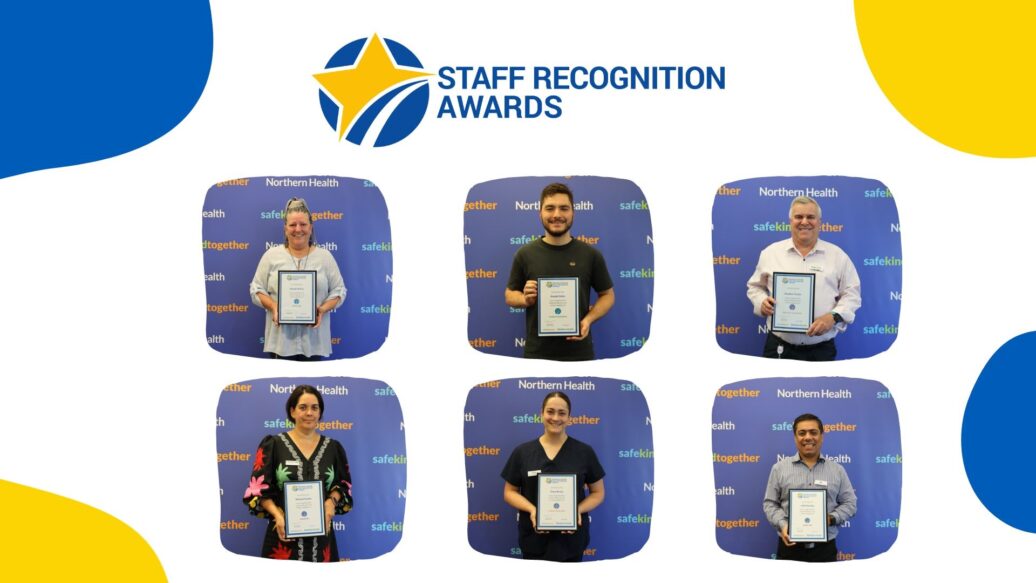
    This morning, Northern Health hosted its very first Quarterly Staff Recognition Awards for 2024, virtually coming together to honour and appreciate the exceptional contributions of our devoted staff.

    We were overwhelmed by the remarkable participation of our staff, receiving numerous nominations spanning across seven categories.

    Michelle Fenwick, Executive Director, People and Culture, opened the ceremony by acknowledging the incredible work of our staff across the health service.

    “Among our award winners today are staff who demonstrate a strong and positive workplace culture, live Northern Health’s values of “Safe Kind Together”, and show a genuine commitment to their patients,” she said.

    “As always, the number and standard of nominations for these awards were very high. I would like to acknowledge and congratulate all staff who received this recognition, along with those who took the time to nominate them.”

    Plastics Clinical Nurse Specialist, Tessa Bruno, won the Clinical Excellence Award and was nominated four times for this award.

    Andrew Li, one of the nominators said, “Tessa is one of the most clinically proficient, kind and supportive senior nurses I have ever worked with in my career. In her Clinical Nurse Consultant role, she has actively and enthusiastically contributed to the more efficient running of clinics and the minor procedure room, enabling record numbers of patients to be seen and treated in a safe and timely manner.”

    Joseph Dukic, Security Guard, won the Patient Experience Award for his willingness to go above and beyond for a non-verbal patient in Ward 4 with Autism and complex behavioural issues and therefore requiring security guards and additional support at all times.

    During the course of looking after this patient, Joseph learned sign language, used de-escalating strategies, engaged in activities such as playing soccer and conversation, and over time this resulted in a special patient-security guard bond.

    The Excellence in Safety Award went to Angela Axiak, Site Manager, Administration – Mental Health Services and OHS rep, for her great teaching skills and for always being on top of everything ‘safety’ in her role as an OHS representative.

    “Angela will always be the first person who shows up whenever a code grey is called and will always be there to support anyone and everyone. She definitely upholds the safety C.O.D.E. by bringing up any issues with the higher authorities, should someone’s safety be jeopardised”, said her nominator, Alefiyah Khilawala.

    Nicola McKay, Community Development Officer, won the Innovation Award for implementing the Victoria’s container deposit scheme by starting a container bin in the Hume Community Mental Health office space.

    “Nicola very observantly noticed that our team drinks a lot of canned and bottled drinks throughout the day and with this in mind, she started the initiative and shortly after, all staff embraced it! In just over a few weeks, we’ve reached about $30 in Coles vouchers (that’s 300 recycled bottles/cans!).  We plan to use this money for our mental health consumers to help promote the 5 ways to Wellbeing,” said her nominator, Dzeneta Ameti.

    Atif Khawaja, Talent/Recruitment Partner, won the Rising Star award for his positive attitude and for being empathetic, kind, incredibly patient and very knowledgeable of systems and processes.

    His nominator, Carolyn Baker said, “Atif has worked by my side, teaching me and helping me navigate recruitment and people matters as a newcomer to Northern. He really does an outstanding job and has a great, positive attitude that is infectious. Thank you Atif.”

    Dr Rachael Coutts, Director of Medical Education and Emergency Physician, won the Education Award for working tirelessly while leading the implementation of the Australian Medical Council, a new prevocational and mandatory training program for junior doctors.

    “This has been a huge piece of work which started two years ago, and Dr Coutts has had the foresight from the very beginning about the best way to approach the implementation. She has inspired the Medical Education Unit to perform at their best by working together and collaborating with multiple units within the hospital,” said her nominator, Carol Chong.

    Associate Director, Stephen Tucker, won the Excellence in Leadership Award for actively cultivating an inclusive workplace that supports working mothers through flexible hours and work arrangements. His outstanding leadership is evidenced by the creation of a family-friendly environment and the enthusiastic promotion of research and supervision, effectively moulding the department into a preferred workplace.

    “Stephen’s leadership has played a pivotal role in positioning Northern Health as an employer of choice within the industry,” said his nominator, Belinda Baines.

    Huge congratulations to all the recipients of the awards today!

    The Quarterly Staff Recognition Awards are proudly sponsored by BankVic and Northern Health Foundation.

    To watch the ceremony, please click here.

  • Standard 6 – What you need to know

    Standard 6 – What you need to know

    Each week in the lead up to Accreditation, Northern Health will focus on a different Standard. You will hear from the Chairs of each Standard Committee on what you need to know.

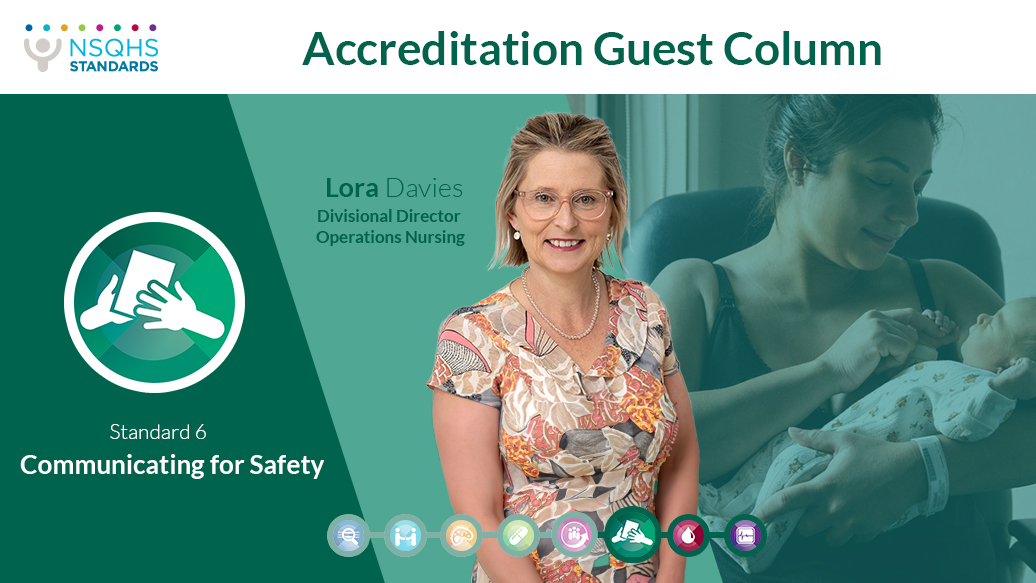
    This week we spoke to Lora Davies, Divisional Director, Sub-Acute Services & Access, about Standard 6: Communicating for Safety.

    What is this standard about?

    Standard 6 is all about Communicating for Safety. The three main areas this covers are:

    1. Patient Identification
    2. Procedure Matching
    3. Clinical handover

    But, as you can imagine, the need for clear and timely communication is required in almost every part of our organisation. We aim to ensure that the patient is provided with timely, purpose-driven and effective communication and documentation that support continuous, coordinated and safe care for patients.

    At Northern Health, this standard looks like….

    Some examples:

    • Checking patients 3 points of identification
    • Ensuring appropriate safety checklists are completed prior to procedure matching (surgery, endoscopy, ophthalmology, etc)
    • Bedside nurse handover at end of shift
    • ISBAR Handover between clinicians at points of transfer of care (ward to ward, etc)
    • Identifying and acting upon new critical information about your patient

    What are the top 5 ways staff can be prepared for Accreditation against this Standard?

    • Have a think about what the term ‘critical information’ means for your area.
    • Ensure your patients have access to bedside patient communication boards.
    • Ensure you are involving patients and carers in decision making – via effective communication.
    • Ensure your team are handing over the right information for each patient.
    • Ensure handover sheets aren’t left in public areas.

    What are the top 5 questions staff needs to be able to answer about this Standard?

    • How do you define critical information in your area?
    • How do you ensure patients are able to engage in their care and decision making?
    • What processes do you use to ensure you are identifying the patient correctly?
    • What processes do you use to ensure you are performing the right procedure on the right patient?
    • Are you ensuring your handovers are done in ISBAR format?

    Is there anything else you would like staff to know about this Standard?

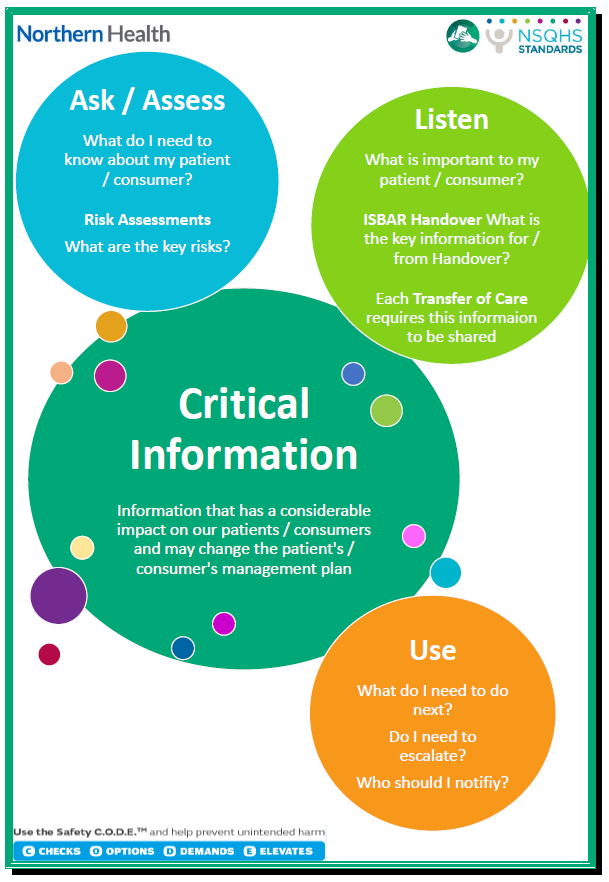
    Standard 6 has been focusing on supporting clinicians in defining ‘critical information’.

    Critical information can be something that is known (i.e. alerts/allergies), it could be something that is new information (i.e. patient mentions it at some point in their care), or it could be something that we actively seek out such as identifying risks within iView of EMR or the relevant paper based documents, or asking specific questions.

    When new critical information arises, it should be addressed as soon as possible via appropriate clinical action. We also acknowledge that critical information looks different in each setting. The below Fact Sheet has been developed to assist.

    To learn more about Standard 6, please see the Intranet.

  • Get to know: Vanessa Leonard-Roberts

    Get to know: Vanessa Leonard-Roberts

    #WeAreNorthern

    Meet Vanessa Leonard-Roberts, Emergency Nurse Practitioner.


    Q: What is your coffee order?

    A: Skinny latte, but actually I prefer rooibos tea. It’s an African tea, full of antioxidants and caffeine free.


    Q: What does a day at work look like for yourself as an Emergency Department Nurse Practitioner?

    A: The ED is a fast-paced, challenging environment. This is no different for the ED Nurse Practitioner (ED NP). Typically, ED NPs work in the Fast Track space attending to minor/moderate illness and injuries. At Northern Health, however, the ED NPs also work to an expanded scope of practice allowing for work in various other areas of the ED. This is very exciting and provides great learning opportunities. I am also fortunate to be working with an incredible team of advanced physiotherapists, medical and nursing staff and experienced NPs that support me in my working day.


    Q: What advice do you have for other nurses considering your specialty?

    A: There has never been a better time to be a Nurse Practitioner! There is more funding and support than ever before and there is so much opportunity out there. Take the challenge!


    Q: How do you like to relax after a long shift?

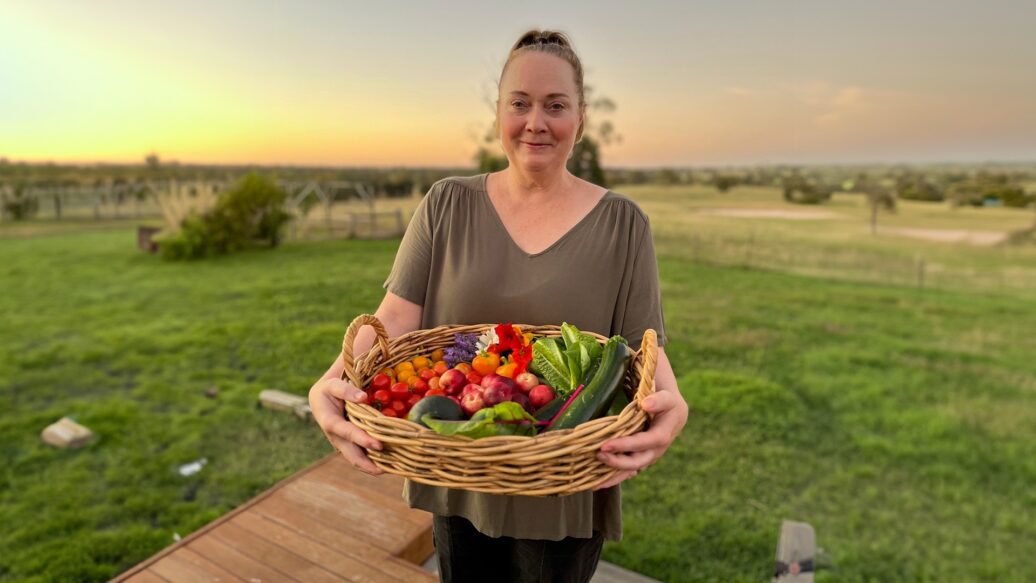
    A: I live on a small cattle farm, and I have a herb cottage where I make my own preserves/ointments/ dried herbs. I will usually potter about in there or in the vegie garden after a long shift. I am also an avid reader. Nothing like a good book and a cup of tea to clear the mind.


    Q: Where is a favourite place you’ve travelled and why?

    A: I was born in Africa and recently went back to visit family. It was a wonderful trip, but they have since moved to London, so I expect that will be my next favourite place. Other than Scotland of course, I am a bit of an Outlander fan.

  • Meet Ivy: Our little Leap Day baby at Northern Health

    Meet Ivy: Our little Leap Day baby at Northern Health

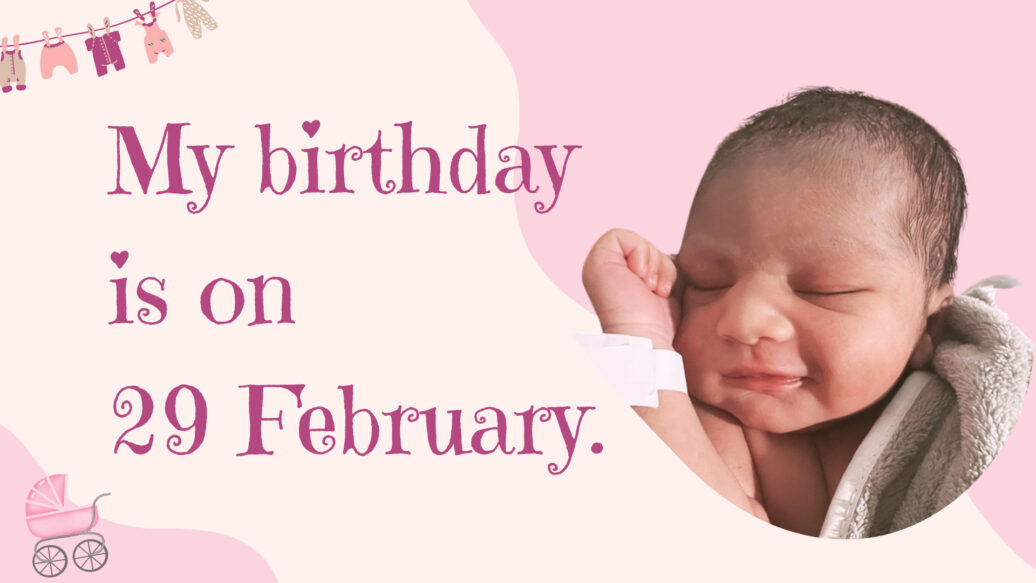
    Meet Ivy, a special baby girl born on a day that comes once every four years. Expected to make her debut on 11 March, Ivy surprised everyone by gracing the world with her presence on 29 February 2024. Ivy’s parents, Sri and Prasantha, were overjoyed by her unexpected, but wonderful, arrival.

    Ivy’s mother Sri is already planning grand celebrations for Ivy every leap year, embracing nature-themed parties and a tradition of giving back. She envisions each birthday as an opportunity to spread happiness to those in need, making Ivy’s milestones truly unforgettable.

    “Ivy’s birthday on 29 February is very special as it wraps up all our family birthdays which start on 17 February. That’s why I will choose to celebrate her birthday on 28 February during non-leap years,” Sri shared.

    As Sri tenderly cradled Ivy, she reflected on her blissful pregnancy, devoid of discomfort or distress. “She is an absolute angel and a miracle baby,” said Sri, her voice filled with gratitude. She even had a dream about a baby girl before knowing she was pregnant, which turned out to be Ivy!

    For proud parents, Prasantha and Sri, Ivy is a precious gift, bringing immense joy and love into their lives. Ivy Yashodhara Silva, born on a rare day, to remind us of life’s beautiful surprises.

    From all of us at Northern Health, Happy Birthday to all Leap Day babies ❤