• Inspired Researchers: Research Week 2020 launches

    Inspired Researchers: Research Week 2020 launches

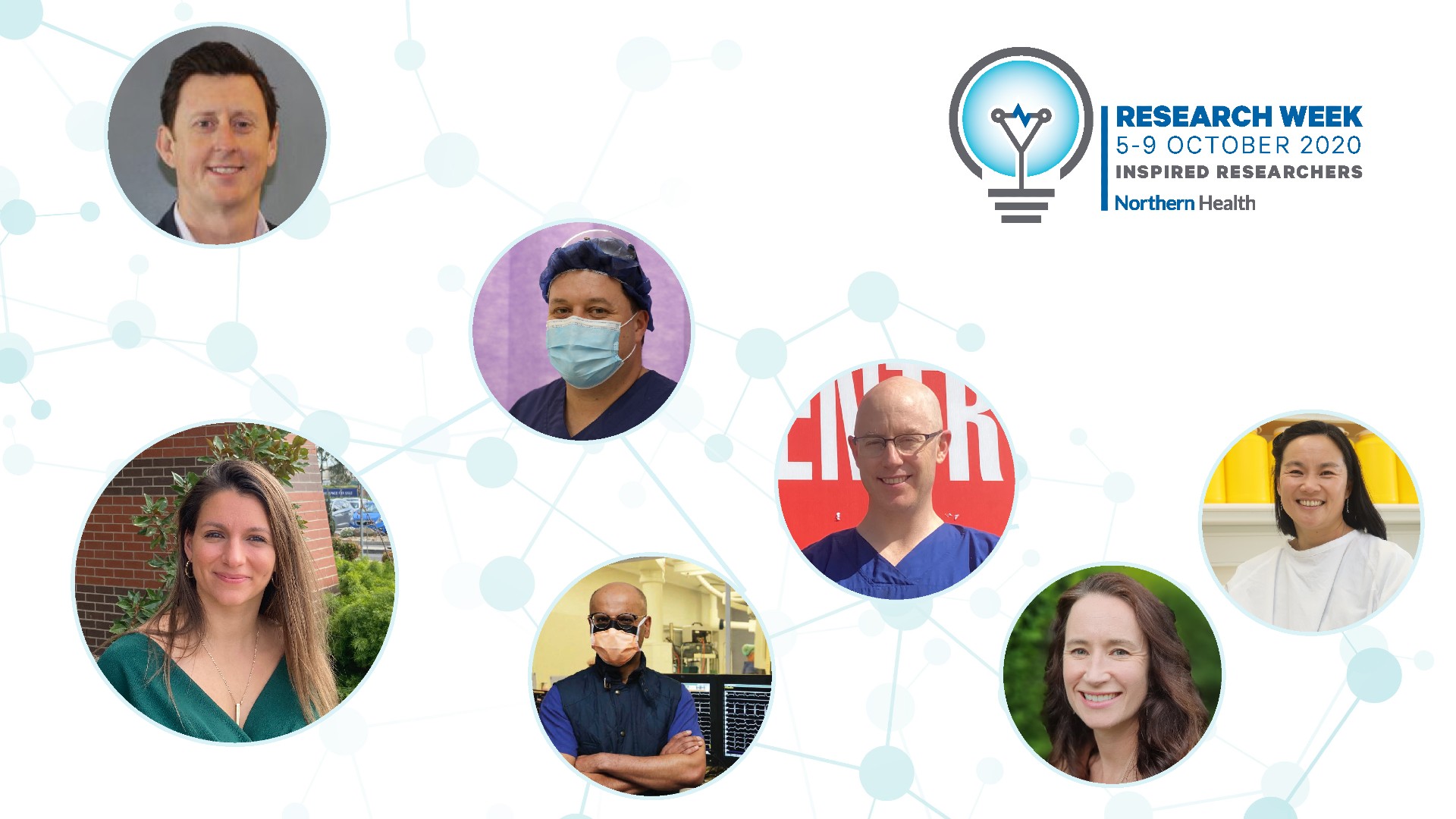
    This week, we mark Research Week 2020 and celebrate our inspired researchers.

    The video below tells you more about what inspires our researchers at Northern Health:

    Today, we also highlight some of the COVID-19 research we are doing here and the Northern Health researchers seeking urgent answers of COVID-19. Answers that will frame how we provide better care today and in the post-COVID world.

    Associate Professor Craig Aboltins, Director of Infectious Diseases, is Northern Health’s Principal Investigator for the Australasian COVID-19 Trial (ASCOT), an international, multi-centre randomised clinical trial to assess the clinical, virological and immunological outcomes in patients diagnosed with SARS-CoV-2 infection (COVID-19).

    Dr Rebecca Jessup, Allied Health Research Lead, is leading a study seeking to answer how health consumers interpret and apply health information during a pandemic. This is already providing insights into how our community, one of the most diverse in Australia, has been getting their information regarding COVID-19.

    Mr Russell Hodgson, Research Lead from the Division of Surgery, is Northern Health’s Principal Investigator on two COVID-19 studies. COVID Elective Surgery is contributing data to a national study to determine the underlying risk of asymptomatic COVID-19 positive patients about to undergo elective surgery. This information is being used to inform guidelines regarding elective surgery during this second wave. COVIDSurg is aiming to determine the optimal timing that elective surgery should occur following COVID-19 infection.

    Looking after the wellbeing of our staff and community has never been more important. Nicole Carlon, Operations Director of Women’s and Children’s, is evaluating the effectiveness of a telephone-based, peer support group (mother to mother) aimed at supporting women identified as high risk of postnatal depression during the pandemic. Dr Jaclyn Yoong, Palliative Care Physician and Medical Oncologist, is assessing the impact of stress encountered by our staff during the pandemic on mental wellbeing.

    Dr Darren Lowen from the Department of Anaesthetics, is Northern Health’s Principal Investigator for intubateCOVID, an international data registry for tracking COVID-19 airway procedures in association with Alfred Health and Monash University and initiated by the NHS Foundation Trust in the United Kingdom.

    Associate Professor Lisa Hui, Maternal Fetal Medicine Specialist and recent recipient of a NHMRC Medical Research Future Fund Investigator Grant, is leading two studies at Northern. The first is a project prospectively collecting data from pregnant women with suspected or confirmed COVID-19 infection. Lisa is also Principal Investigator for CoMaND, a multi-centre collaborative maternity and newborn dashboard to create a timely, powerful, adaptive monitoring system for use during the COVID-19 pandemic.

    Our cardiology team has a couple of COVID-19 studies underway. Professor William van Gaal is overseeing a registry aiming to estimate the incidence of in-hospital cardiovascular complications, and Dr Om Narayan is studying the impact of the pandemic on acute coronary syndrome presentations and management.

    Vascular Surgeon, Mr Leonard Shan, has initiated two research projects. One on the ‘effect of elective vascular surgery and clinic deferral due to the coronavirus pandemic’ and the other on the ‘impact of COVID-19 on outcomes of elective and urgent vascular surgery’.

    Intensivist, Dr David Crosbie, is Northern Health’s Principal Investigator for a Short Period Incidence Study of Severe Acute Respiratory Infection (SPRINT-SARI). SPRINT-SARI is providing valuable data on patients being cared for within Intensive Care Units, and continues to help shape Australia’s response to the pandemic.

    “Despite the challenges that COVID-19 presents, we continue to expand our research portfolio thanks to our extraordinarily dedicated team of inspired researchers,” says Dr Michael Kirk, Director of Medical Services.

    “What is most striking about the research occurring at Northern Health is how we are fighting this battle on so many fronts. I am proud of how all our staff at Northern Health continue to devote themselves towards providing outstanding care that is underpinned by research and evaluation”.

    For more information on Research Week 2020 please click here.

    For the event schedule for Research Week 2020, please click here.
  • Malnutrition Week

    Malnutrition Week

    This year, Malnutrition Week has been launched across Australia and New Zealand to promote the importance of malnutrition screening and management in our health care settings.

    It is running from 6 – 9 October with the theme, ‘Have we missed a diagnosis?’, aiming to promote awareness and to put a spotlight on patients appearing physically healthy, only to show several signs and symptoms of malnutrition once further investigating is done.

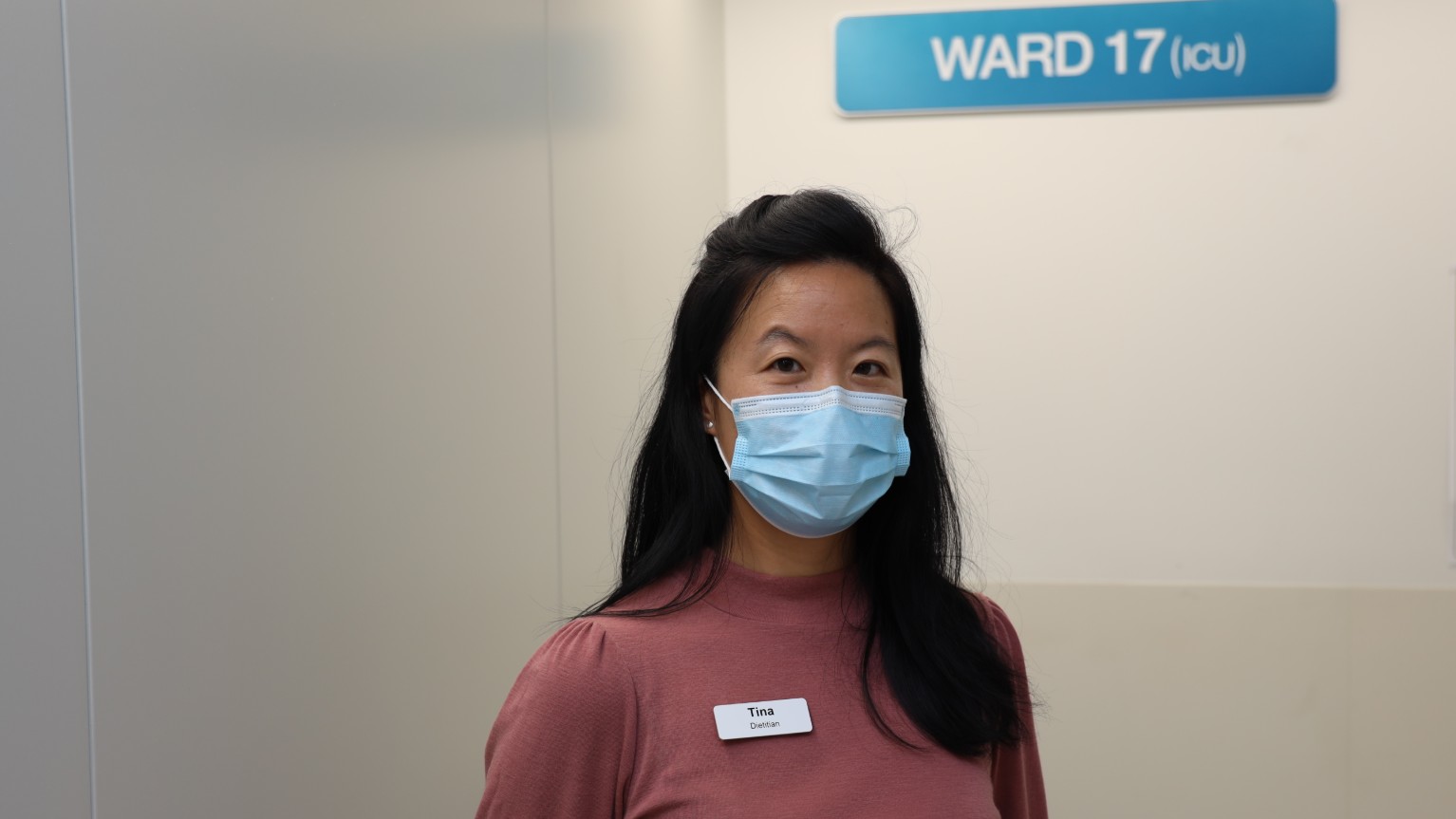
    Tina Aboltins, ICU Dietitian, explained her goal in nutrition management with critically ill patients is to treat malnutrition or to prevent it. Given the potential of malnutrition is a challenge in hospitals, having dedicated time to talk about it is extremely important.

    “We want to prevent patients losing weight, because malnutrition can mean a longer length of stay and a higher risk of complications. When a patient is critically unwell, their body uses a lot of energy and protein due to the stress response in the body and the demand of therapies used in ICU. For example, patients who require ventilation support for more than five days, have energy needs that can be up to 40 per cent more than a healthy individual,” she said.

    “In terms of protein, a patient on dialysis has protein needs that are at a minimum 50 per cent more than what they would usually be,” she said.

    “When patients don’t get enough nutrition, the body will use its own stores of energy and protein. It will start to use the lean body mass stores, and as Dietitians, we are interested in stopping this loss because some studies have shown that if we can preserve lean body mass, the patient has higher chance of surviving, and a better chance of recovery and rehabilitation,” she added.

    Critically ill patients in ICU are often intubated and are not conscious to eat and drink on their own. A part of Tina’s role is looking after these patients and working out a nutrition support plan.

    “We work out the best way to give them nutrition, usually through a nasogastric tube and using special enteral nutrition formulations. We always want to feed through the gastrointestinal tract where possible. If this is not possible, they are fed through the vein with specialised intravenous solutions called Total Parenteral Nutrition (TPN). The Dietitian looks at all patients who come to ICU, especially the ones who are a high risk of malnutrition,” she explained.

    Ensuring malnutrition is screened for and treated is exceptionally important. An undiagnosed and untreated condition can slow the healing of wounds, weaken the immune system, cause muscle loss and decondition, and can result in a longer hospital stay and increase the risk of mortality.

    At Northern Health, patients are screened for malnutrition risk and weighed on admission and weekly thereafter. There are also working groups such as the Nutrition & Hydration Sub-Clinical Improvement Committee, which sits under Standard 5, and the Dietetics Malnutrition Working Group, which drive improvement and quality work around malnutrition awareness, screening and management at Northern Health.

  • Australian-first virtual ED triage launches

    Australian-first virtual ED triage launches

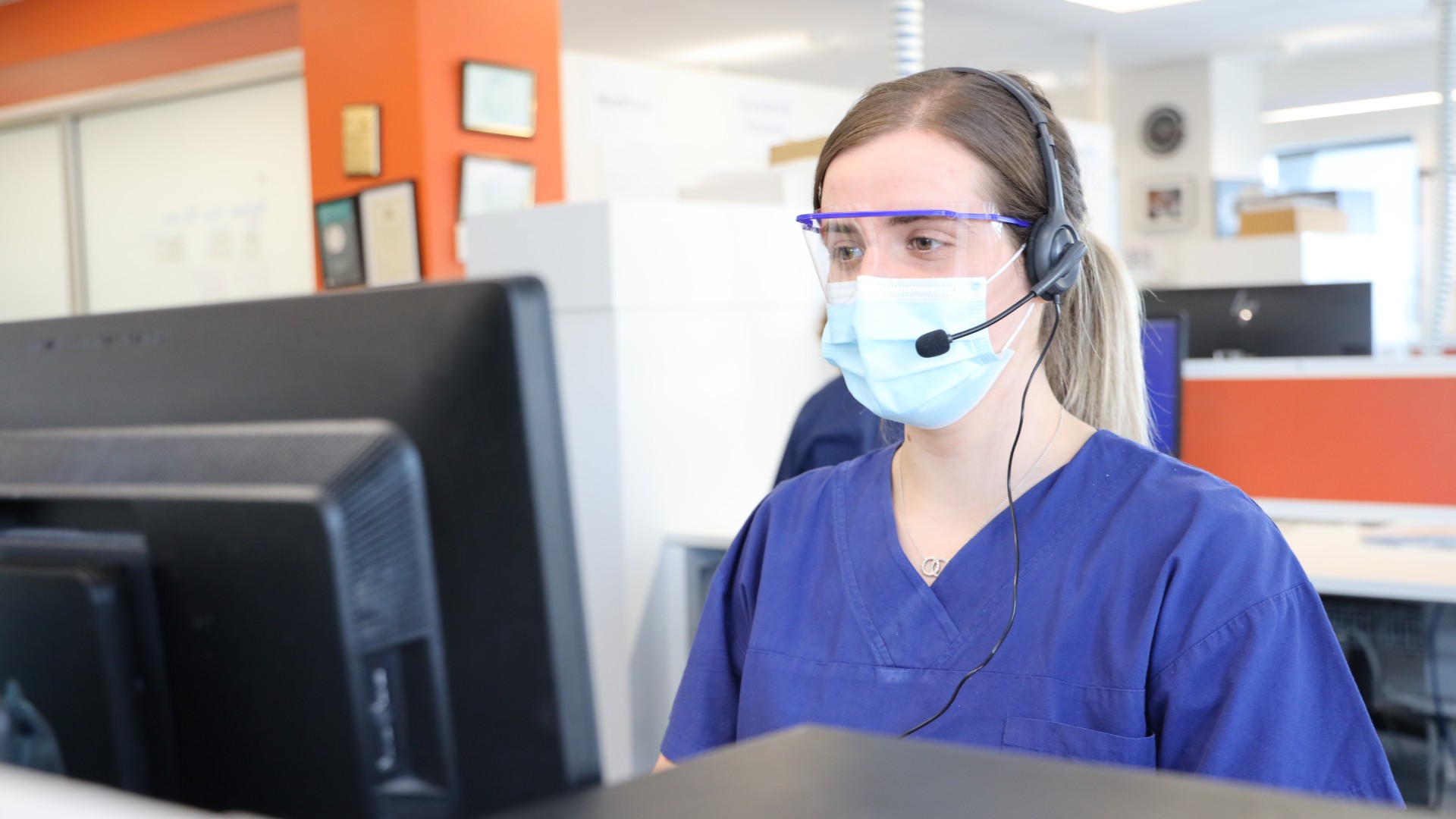
    Patients living in Northern Health’s catchment area, as well as local general practitioners (GPs), will be able to use our new ‘Virtual ED Triage’ service from today. This Australian-first service will be available every day, including weekends from 1 pm to 9.30 pm.

    Dr Loren Sher, Emergency Physician, explained this service will enable patients to talk to our emergency department (ED) nurses and doctors from their home, work or even their car.

    “If a patient has a non-life threatening emergency, they can connect virtually with our ED staff, who will be able to provide medical advice. Patients will need to have a valid Medicare card and be comfortable speaking in English, as interpreting isn’t currently available for this particular service,” she explained.

    By clicking on the link or using the QR code, patients will be directed to the registration page. Once registered, the patient will be placed in a virtual waiting room and when it’s their turn, the nurse will have an online consultation with the patient and advise on the best course of action.

    “As a public hospital, we are the first in Australia to offer the model for patients to self-present to ED virtually,” Dr Sher explained.

    The new service will also benefit local GPs and acute care centres, helping general practitioners manage patients in the community, and keep people closer to home.

    “The program works with GPs and community health care providers to identify patients that traditionally would have been referred to ED, but may be suitable for ongoing management in the community, with ED consultation. We are hoping to establish a mutual relationship where GPs can have consultations with us regarding complicated patients, and we are hoping also to refer virtual triage patients to their practices for follow-up,” Dr Sher said.

    The idea for the virtual ED triage model came from Northern Health staff, at one of our innovation forums, to help address the issues of physical distancing in waiting rooms and provide an alternative for patients who do not need to present to the ED for non-life threatening emergencies. It took the team 12 weeks from the idea to full realisation, with help from various departments across the hospital.

    Janice Fernandes, Emergency Department Nurse Unit Manager, said our triage nurses are postgraduate trained and have unique skills to make time-sensitive clinical decisions, think critically and identify patient problems, ensuring our patients get the right care, at the right time. Stella James, ED nurse, who has been first trained to use the virtual triage system, is looking forward to continuing the training across the ED staff.

    “As front line health care workers, we were exploring and looking for innovative ways to deliver timely care to our patients within the community. Northern Hospital has the busiest emergency department in Victoria and the third busiest in the country. The hospital is in a growth corridor and is expected to see continuing increases in presentations over the coming years. A successful virtual triage and medical management will help our patients get the care they need, without coming to hospital,” Janice said.

    Please click here for more information and the access link.

  • Inspired Researcher: Dr Rebecca Jessup

    Inspired Researcher: Dr Rebecca Jessup

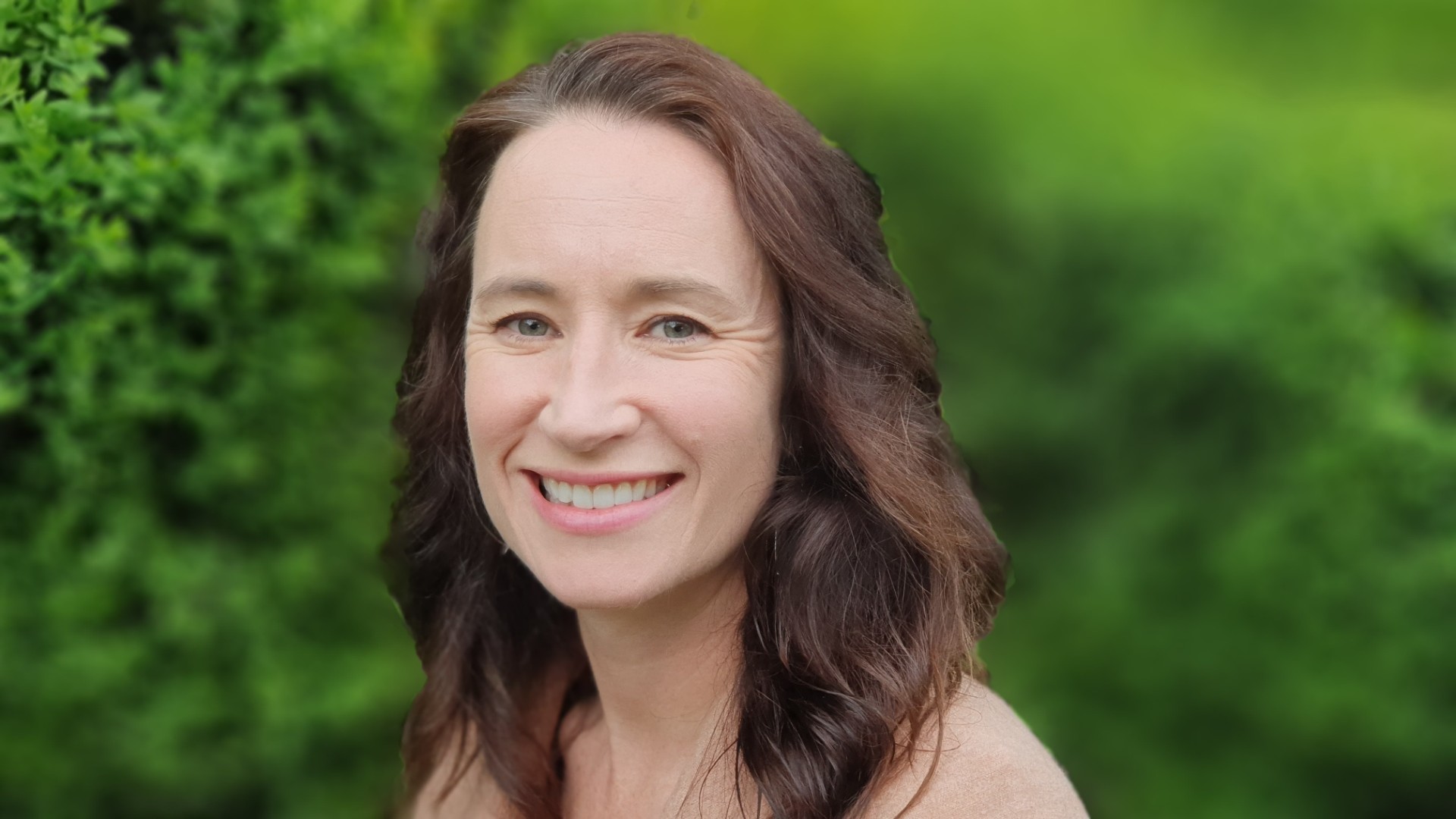
    As we prepare to kick off Research Week 2020 from 5 to 9 October on the theme ‘Inspired Researcher’, we profile today, Dr Rebecca Jessup, our Allied Health Research Lead.

    Rebecca describes her role at Northern Health as, “building research capacity and capability within Allied Health, and to help embed a culture of innovation and evidence-based practice.”

    To this end, Rebecca works with Professor Adam Semciw and Research Officer, Cassandra Bramston, to support Allied Health staff across every component of research. This includes providing guidance around how to write a research question or how to do a systematic review, through to what type of study design or methodology would best answer a question.

    Her own research, focuses on health literacy and communication, and on alternative models of service delivery to improve health system sustainability.

    Says Rebecca, “During the COVID-19 pandemic, our work has had a necessary focus on COVID-19 in our community. We have just completed a study on how high hospital resources users have accessed, interpreted and applied information during COVID-19 and how this has impacted on their health seeking behaviours.”

    Rebecca has also worked on an evaluation of the COVID-19 Community Monitoring Program with the community services team.

    “With a number of staff across the organisation, we are currently working on a project evaluating the impact of COVID-19 on hospital acquired complications, and, along with Dr Cilla Haywood, we are also leading a Melbourne-wide study evaluating the experience of hospital staff who provided an inreach response into Residential Aged Care Facilities during the pandemic,” says Rebecca.

    She says what inspires her research is, “all the unanswered questions and the problems to be solved, and by the possibility that answering these, may change the way we provide care and lead to better outcomes for our northern community.”

    The biggest challenge Rebecca faces is, “managing all the competing demands of the role. There is so much good work to do and I’m not very good at saying no!”

    The rewards, “are always seeing how the research informs changes to our clinical practice or even changes to policy, that lead to better outcomes for patients.”

    Rebecca says, “In terms of the actual research, COVID-19 is a disruptive event that has resulted in monumental changes in both the way we deliver care, and in the way our community engages with the health system.”

    “While there needs to be some focus on the longer-term impacts of COVID-19 on individual health, there is also a need for longitudinal studies that measure how the changed funding models and models of care (e.g. Telehealth) impact on the health and health seeking behaviours of individuals, and on the financial sustainability of the health system,” she adds.

    Hear Dr Jessup along with Professor Don Campbell speak on ‘Patient care in the community: COVID-19 & beyond’ at the Northern Health Foundation & NORTHLink Business Breakfast on Tuesday 6 October from 8 am – 9 am.

    To register for this virtual breakfast, please click here.
    Click here to download the session flyer
  • Neonatal Unit takes families on a journey

    Neonatal Unit takes families on a journey

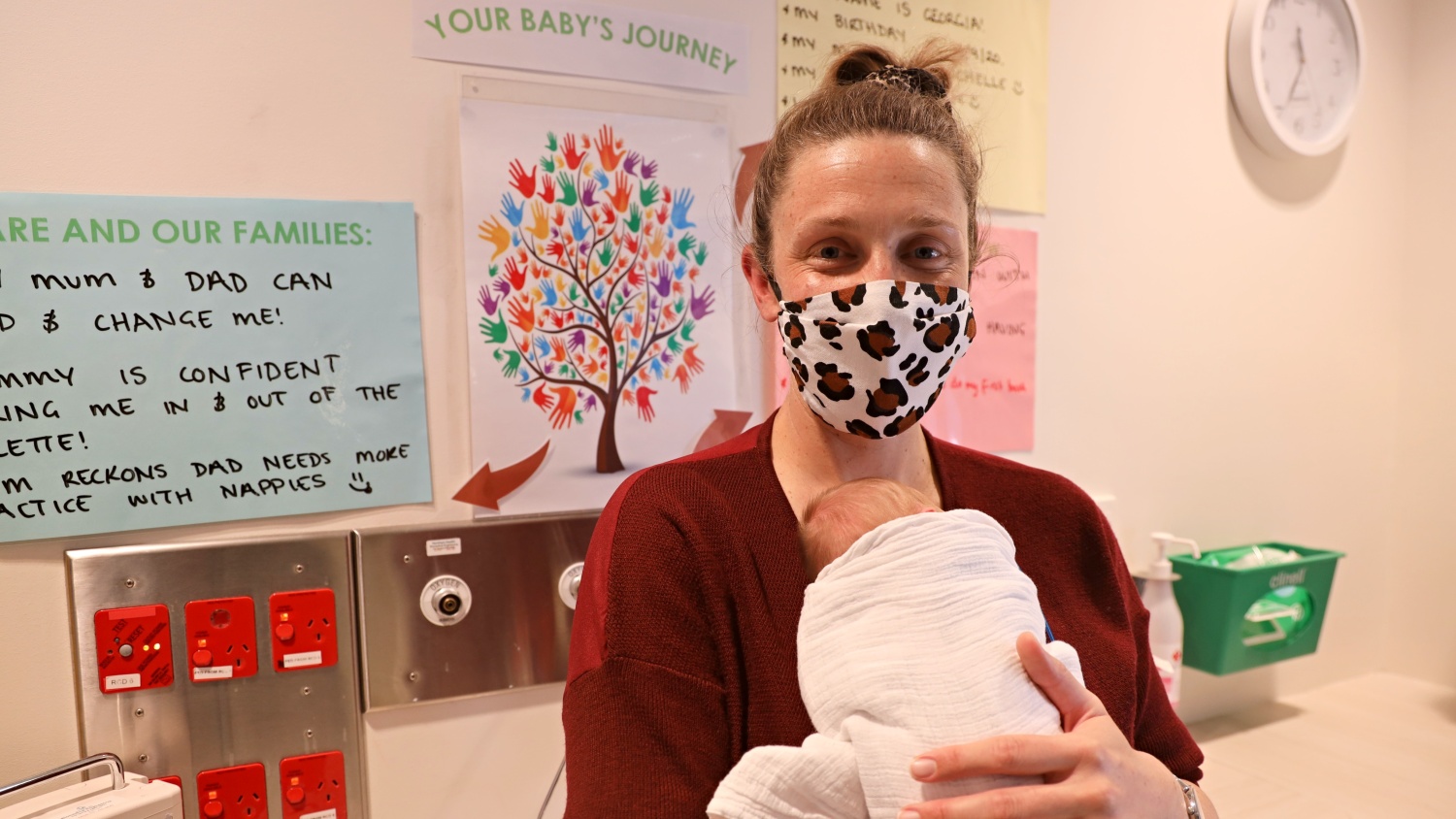
    The Northern Health Neonatal Unit has recently developed and launched new patient journey boards to help mark the milestones of our youngest patients, and communicate their family’s preferred care.

    “The journey boards provide information about a baby’s care, important milestones, and information about their parents and siblings. It also gives medical and nursing staff a glimpse into the care that the family prefers,” explained Barbara Rischitelli, Neonatal Nurse Unit Manager.

    “The journey board is interactive and parents are encouraged to write information about their baby’s likes and dislikes – while reminding us all that this little precious baby is linked to a family who loves them very much. They also highlight families’ choices and their values, beliefs and cultural backgrounds,” Barbara said.

    Barbara explained the motivation behind the journey boards was to make the care of babies more individualised.

    “Babies can never be treated as a single individual patient, as the parents and extended family are central to the child’s wellbeing, especially as our babies are with us for a long period,” she said.

    “The idea was to give our babies and families a voice on what is important to their family unit. Nursing staff, at a glance, can have insight into the family unit and how they can assist in the family journey.”

    So far, families have embraced the concept – knowing that even when they’re not around, their wishes are consistently being met.

    New mum, Michelle, was delighted to see these boards in the unit for her baby, Georgia.

    “What I like about the board is that it allows the nurses, that are here when we aren’t here, to get to know her personality and they can document her little traits,” she said.

    “I think that’s really special for us because it’s quite difficult going home and not taking our baby, but we know that she is being cared for and we know the attention to detail the staff take notice of – like Georgia doesn’t like having her nappy changed for example,” Michelle said.

    “We tend to forget that babies have their own personality  and we should always nurture those individual qualities. The journey boards allow us to do this, giving great satisfaction to our families,” Barbara said.

    “The overall experience is one of confidence, partnership and empowerment for families. It makes them feel they are truly partnering with the staff and have a voice, in an otherwise unfamiliar environment.”

    The boards are currently in a trial phase and will be permanently implemented throughout the unit in the coming weeks.

    Featured Image: Michelle with baby Georgia 

  • Consumers celebrate five years of service

    Consumers celebrate five years of service

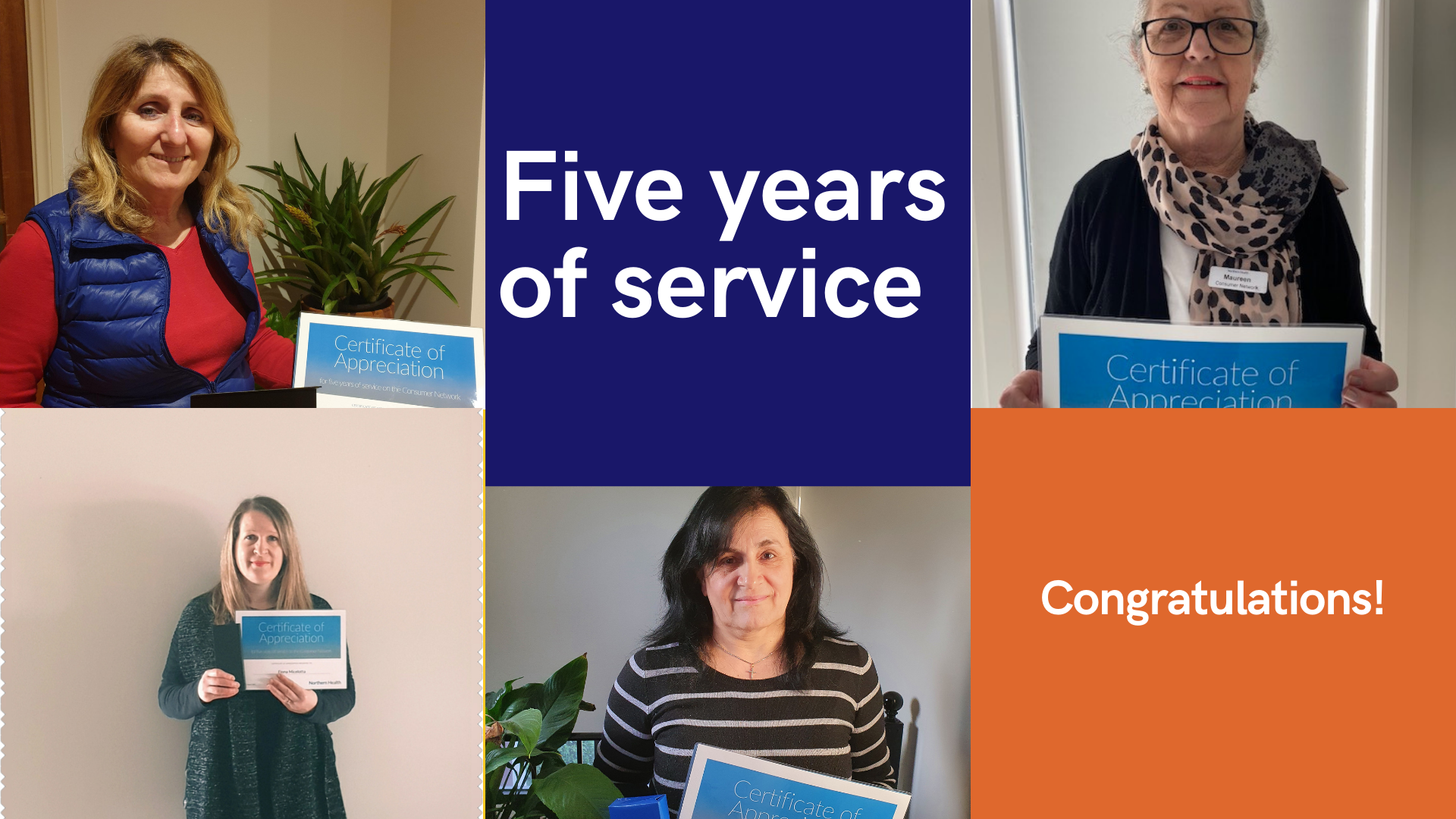
    Four of Northern Health’s consumers, and members of our Patient Experience and Community Advisory Committee (PECAC), celebrated five years of continuous service last month.

    In recognition of their ongoing commitment, Maureen Canzano, Fiona Micelotta, Nurcihan Ozturk and Dalal Sleiman received a certificate of appreciation and an engraved pen.

    Through the committee these consumers have contributed to the development of staff education, consumer education and patient and staff information resources.  This committee receives regular progress updates on Northern Health’s actions to improve patient experience.

    “Our consumer members provide advice on these strategies based on their unique experiences of receiving health care and their strong connections with the diverse community we serve,” said Sherrilyn Ballard, Consumer Participation Coordinator.

    The four consumers come from various professional backgrounds and bring a wealth of experience to share.

    Maureen has a background in teaching, counselling and social work.  She has worked professionally in health care, welfare and teaching, and has joined Northern Health in a range of activities including, staff education in the emergency department, ‘Choosing Wisely’ project, appraisal of staff grant applications and staff recruitment. Her daughter has a complex physical disability and she is a member of the Whittlesea Disability Network.

    “Maureen has brought to Northern Health’s attention how we can make a difference for patients living with a disability in accessing our services,” Sherrilyn added.

    Fiona is the mother of young children and strengthens Northern Health’s response to the needs of children living with a chronic condition. She works at a Special School and has participated in staff recruitment and co-design projects with Northern Health.

    On the other hand, Nurcihan has a passion for community development and has highlighted the needs of our culturally and linguistically diverse community.  Nurcihan is President of the Turkish women’s Recreational group and has held many roles in supporting the needs of the migrant and refugee communities, children and those living with a disability. She sees the work of PECAC as an important link to our community:

    “Just as consumers need to learn and know how Norther Health works and what services it provides, Northern Health needs to understand and learn from the broader, diverse community,” she said.

    “Nurcihan has invited Northern Health to visit her Turkish Women’s group and we have provided them with education on medication reconciliation and access to a session from Diabetes Victoria.  Nurcihan has since joined the Safer Care Victoria, Patient and Family Council,” Sherrilyn added.

    The fourth consumer, Dalal, also has a background in community development and services for the multicultural community.  Dalal has vast experience working to assist newly arrived refugees and asylum seekers. Currently, Dalal is working at City of Whittlesea, Brotherhood of St Laurence and also runs her own migration services business.

    “Dalal assists Northern Health in understanding the barriers for access to services and the health care needs of migrant and refugee communities living in the North. She is a member of our Cultural Responsiveness working group and the Strengthening our Hospital Response to Family Violence consumer working group,” Sherrilyn explained.

    Sophie Rodier, Manager Patient Experience added “Northern Health thanks our consumers for their dedicated five years of service to PECAC.”

  • Record number of Northern Health HMOs in prestigious training program

    Record number of Northern Health HMOs in prestigious training program

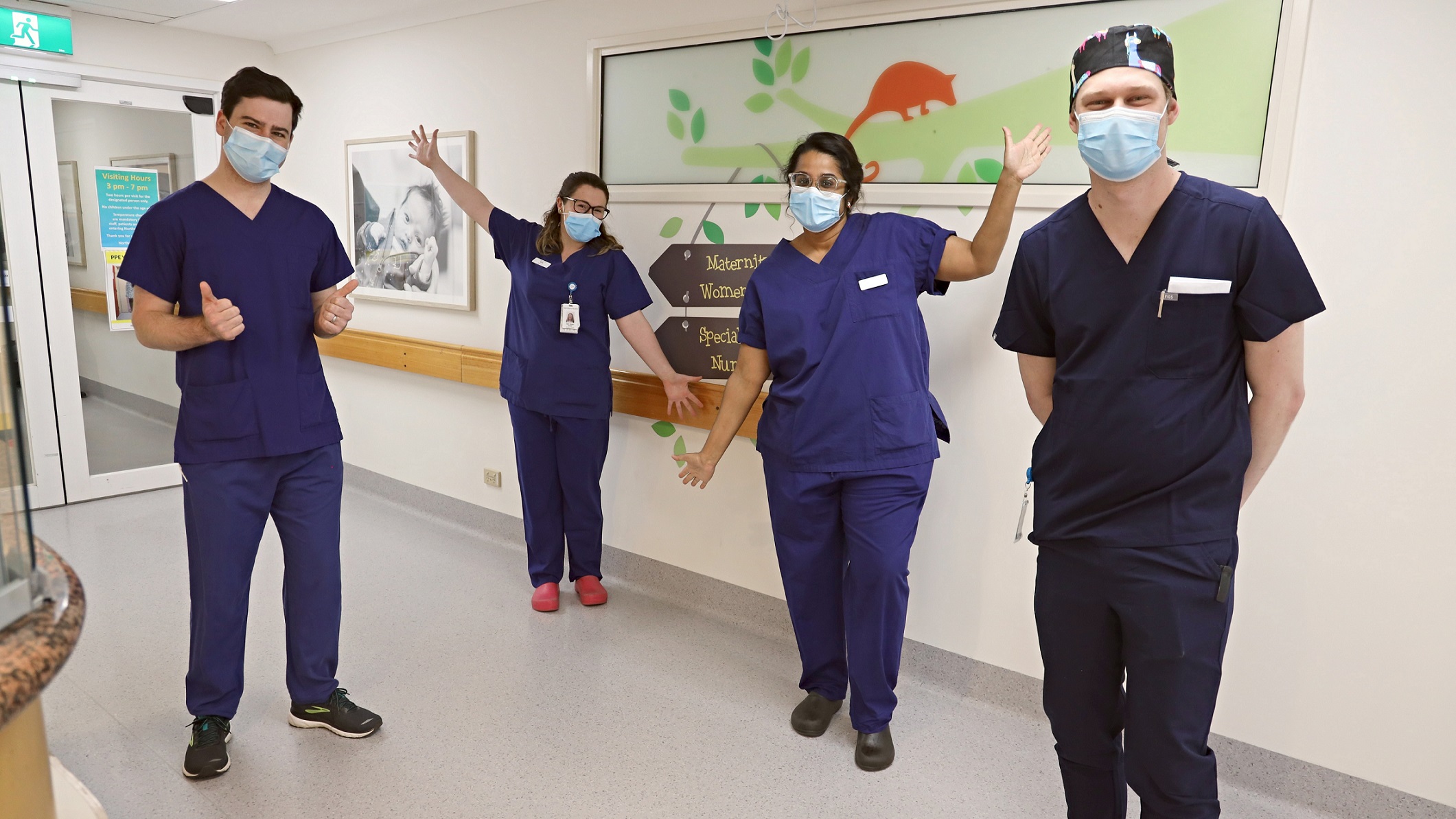
    This year, a record number of Hospital Medical Officers (HMOs) from Northern Health were accepted into the prestigious Royal Australian New Zealand College of Obstetricians and Gynaecologists (RANZCOG) Training Program.

    For the last four years, two HMOs from Northern Health have been successful in getting into the program however, this year, our doctors have doubled that number, with four HMOs being accepted – a  new record for Northern Health!

    Dr Brittany Green, Dr Hemma Valluvan, Dr Daniel McLean and Dr Michael Jones were all successful and are excited for what the future brings.

    RANZCOG trains and accredits doctors in the specialties of obstetrics and gynaecology in providing the highest standards of health care. Their highly competitive Training Program is a six-year specialist program where only 25 doctors per year in Victoria are accepted from only seven hospitals.

    Two trainees will spend the first four years based at Northern Hospital, with another two based at another health service in Melbourne. In their fifth and sixth year, they can be based anywhere in Victoria.

    Dr Green said, “After being part of the northern community for the last couple of years, it’s really exciting to be accepted onto the training program and to be able to continue my journey in obstetrics and gynaecology at Northern. I’m really proud of everything all of us have achieved and I look forward to working with them as we continue our careers.”

    Dr Valluvan is equally as excited to commence her specialist training.

    “It’s something I’ve been working towards for a very long time and I’m really glad that I have the opportunity to work for women and the community in areas that I’m really passionate about,” she said.

    Dr Paul Howat, Divisional Director for Women’s and Children’s Services, is delighted to see four of our doctors accepted into the program.

    “Congratulations to the successful applicants! We’re all very proud of you – and your hard work and efforts have been rewarded. For those who are going to other hospitals, we’d love to have you back here in your senior registrar years,” Dr Howat said.

    The program is extremely competitive and receives several hundred applications every year, so unfortunately not all who are interviewed get through.

    “For those who didn’t get through, we recognise your disappointment, we support you and we’re behind you. We have faith in you – the path is not always a straight line and sometimes the longer path can end up being more rewarding and enriching,” Dr Howat said.

    Dr Jones said, “I’ve been a resident in the obstetrics and gynaecology department at Northern Health for the last two years and it’s been a really great environment to learn and be supported, so it’s really exciting to have the opportunity to continue to grow my skills and work towards becoming a specialist in the field.”

    “We’re feeling very grateful – we all love our job and we’re all very excited to continue training,” Dr McLean concluded.

    Featured Image (left to right): Dr Michael Jones, Dr Brittany Green, Dr Hemma Valluvan and  Dr Daniel McLean

  • Dedicated graduate nurses and midwives improving patient care

    Dedicated graduate nurses and midwives improving patient care

    Working your first year as a graduate nurse or midwife can be challenging in any year, let alone if you start your graduate program during a pandemic.

    The graduates who started their careers with Northern Health this year have shown commitment and dedication during a difficult time, contributing to excellent care of our patients whilst also undertaking research and completing projects behind the scenes.

    Every year, graduates undertake a quality and safety project as part of their program. These projects help to improve patient care by elevating quality and safety measures across our health service.

    “This gives graduates an introduction into processes around quality and safety, to provide safer patient care. Introducing them to things like data collection, auditing and evidence-based practice allows them to make positive changes in the workplace and be able to evaluate those changes,” said Kate Duggan, Graduate Program Coordinator.

    In conjunction with their Unit Manager, graduates select a topic they are interested in and they feel they can make a change in. Over a timeline of approximately five months, they undertake data collection, research around the topic and conduct audits.

    “Afterwards, they suggest a change that may improve practice and then go through an implementation phase, followed by a re-audit to see if the change has been positive – which is essentially based on patient outcomes,” Kate said.

    Graduates have recently finalised their posters to report their findings, which are now available to view here. Normally, posters would be showcased prior to Research Week, however, due to COVID-19, the posters are now only available electronically and staff will be able to vote for the ‘Peoples Choice Award’.

    “We encourage Northern Health staff to view these posters and vote to help recognise the work that graduates are doing, and to acknowledge their contribution to improving patient care at Northern,” Kate said.

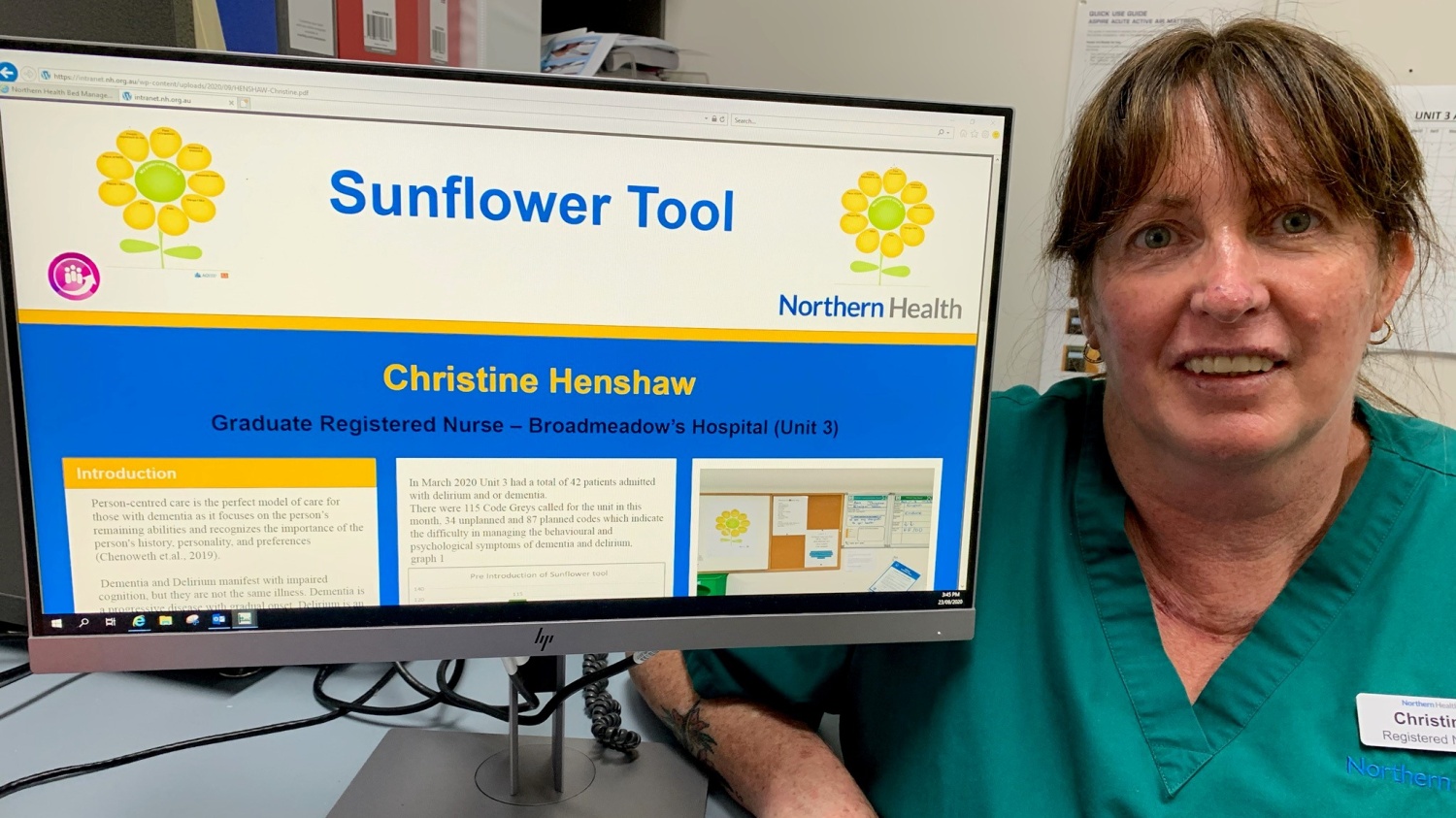
    Graduate nurse at Broadmeadows Hospital, Christine (pictured above) researched and implemented the ‘Sunflower Tool’ to improve safety and enhance care of dementia patients and patients with delirium.

    “We have a lot of delirium and dementia patients on our ward, so we launched this tool to gain more information from families to help us build a rapport with patients and help calm them down when needed,” Christine said.

    Nurses ask families a number of questions about their patients, to learn about their interests and things that matter to them, like their pet names, place they were born and which footy team they barrack for. The tool is displayed in their room and nurses can refer to it to strike up a conversation and chat about their interests should their behaviour start to escalate. Christine has found the tool very helpful, providing more patient-centred care, and helping keep patients engaged and feel comfortable.

    “The families likes it as well, as we’re putting a real interest into their loved one and they appreciate it. It’s proving really well, especially with delirium patients – if you start talking about their family pet, they pay attention!”

    Kate Duggan explained graduates have also helped contribute to our pandemic response. “In line with other staff, graduate nurses and midwives received further education and support around advanced respiratory care and assessment, as well as PPE training,” she said.

    In a normal year, graduates can find transitioning and adapting to a new workplace challenging, finding the balance between work and home life and adapting to new responsibilities and learning opportunities. COVID-19 has made things even more challenging, but our new staff members have shown continued commitment to their work.