

2019
-
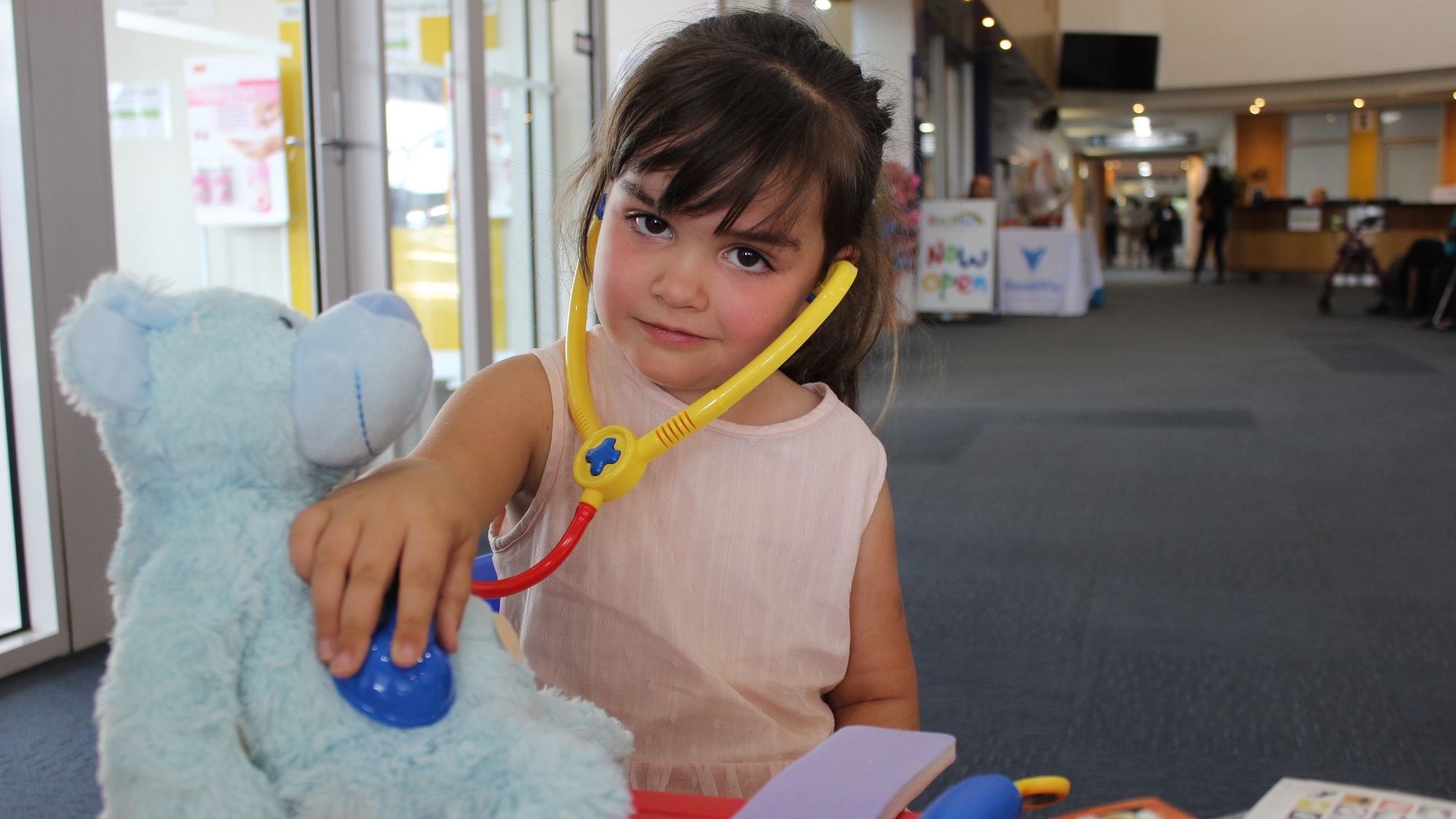
Teddy bears get a check-up
The Northern Hospital foyer was buzzing with kids, parents, Melbourne University students and teddy bears, for another ‘Teddy Bear Hospital’ day. This initiative, held four times a year at Northern Hospital, aims to help kids get familiar with hospital environments and some of the basic equipment, helping our youngest patients feel more comfortable when they come to see a doctor. The programme benefits the medical students as well. Ashlee Frye, third year medical student at Melbourne University, says this programme helps them get used to talking to kids in a fun way. “For some medical students, talking to small children…
-
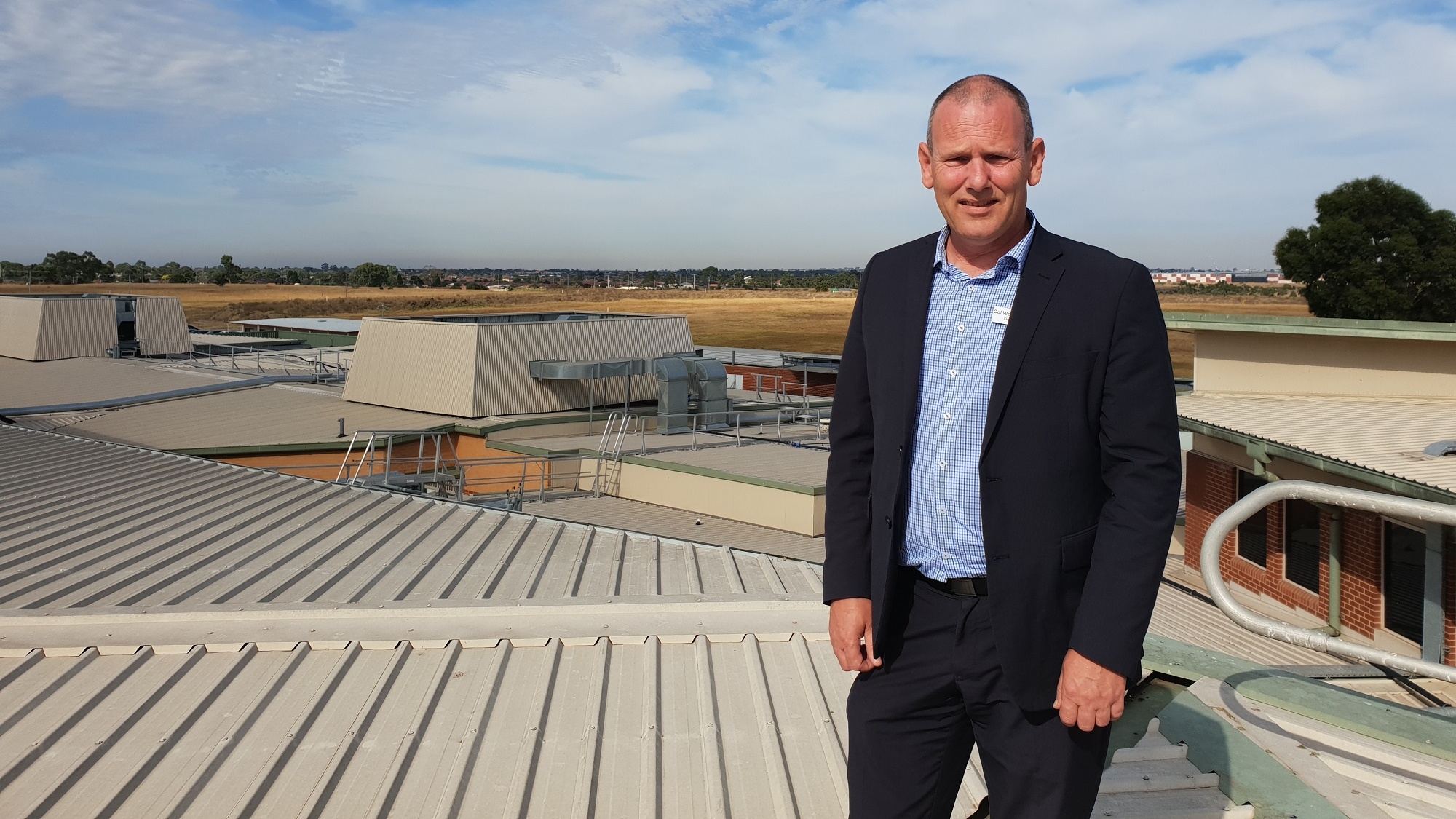
Get to know: Q&A with Colin Woodward
Get to know: Q&A with… is a new series of Northern Health staff profiles, where we talk about working at Northern, hobbies, personal interests and fun things! The first staff member we’ve interviewed is Colin Woodward. Get to know him: What is your coffee order? I prefer instant coffee. Tell us about your Northern Health journey? I started at Northern Health almost 11 years ago. Prior to this, I was working in the private health sector as a Facilities Manager for Villa Maria Disability Services. Being a Wallan resident, I wanted something closer to home and applied for a role…
-
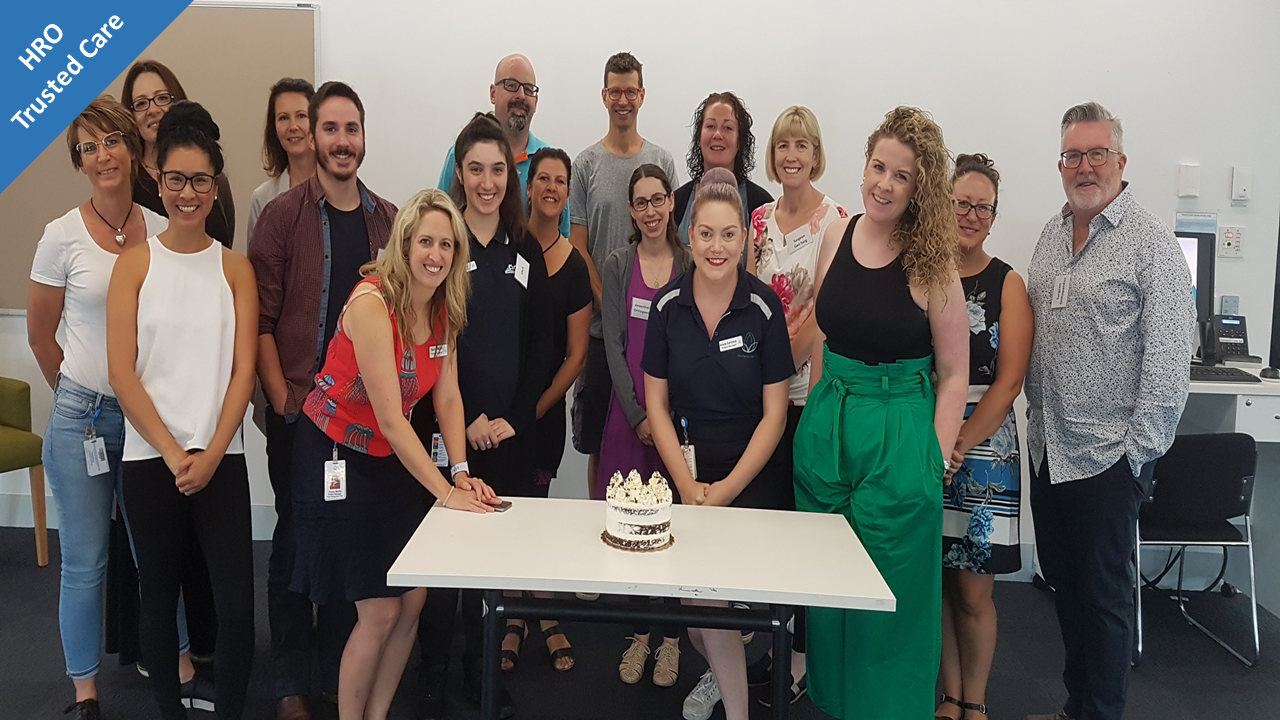
Learning Improvement Science Turns 50
‘Learning Improvement Science at Northern Health (LISN)’ workshop was established in June 2015, with the aim to give Northern Health staff a way to understand improvement methodology and feel empowered to go back to their work environment and make improvements. LISN is an action learning improvement workshop built around a simulation of Day Procedure Unit (DPU). Multiple cycles are conducted to improve patient’s clinical outcomes and access, reduce documentation errors, while at the same time, improve efficiency. This workshop is crucial to the High Reliability (HRO) – Trusted Care transformation, as one of the critical success factors in achieving HRO…
-
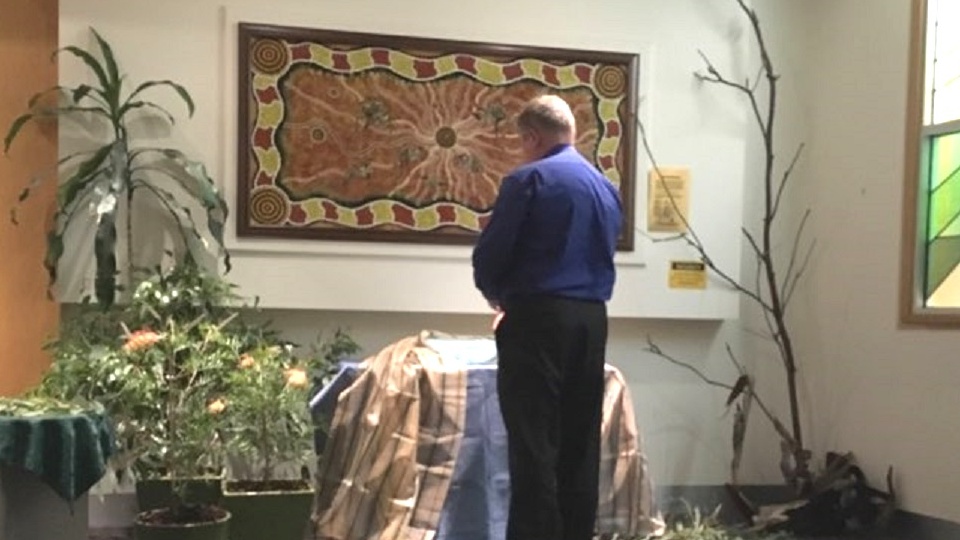
Black Saturday: A time of reflection and remembrance
On 7 February 2009, the worst bush fires in our nation’s history, the Black Saturday fires claimed 173 human lives, injured 5,000 people, destroyed 2,029 homes, killed countless animals, and burnt through over 4,500-square kilometres of land. Today marks the 10 year anniversary of that day, an event that occurred very close to Northern Hospital, marked by a commemoration ceremony at The Chapel of Northern Health . In the two weeks preceding Black Saturday, Victoria experienced a severe heatwave. Melbourne had temperatures in excess of 43°C for three consecutive days. Combined with the effects of the long term drought, extreme fire…
-
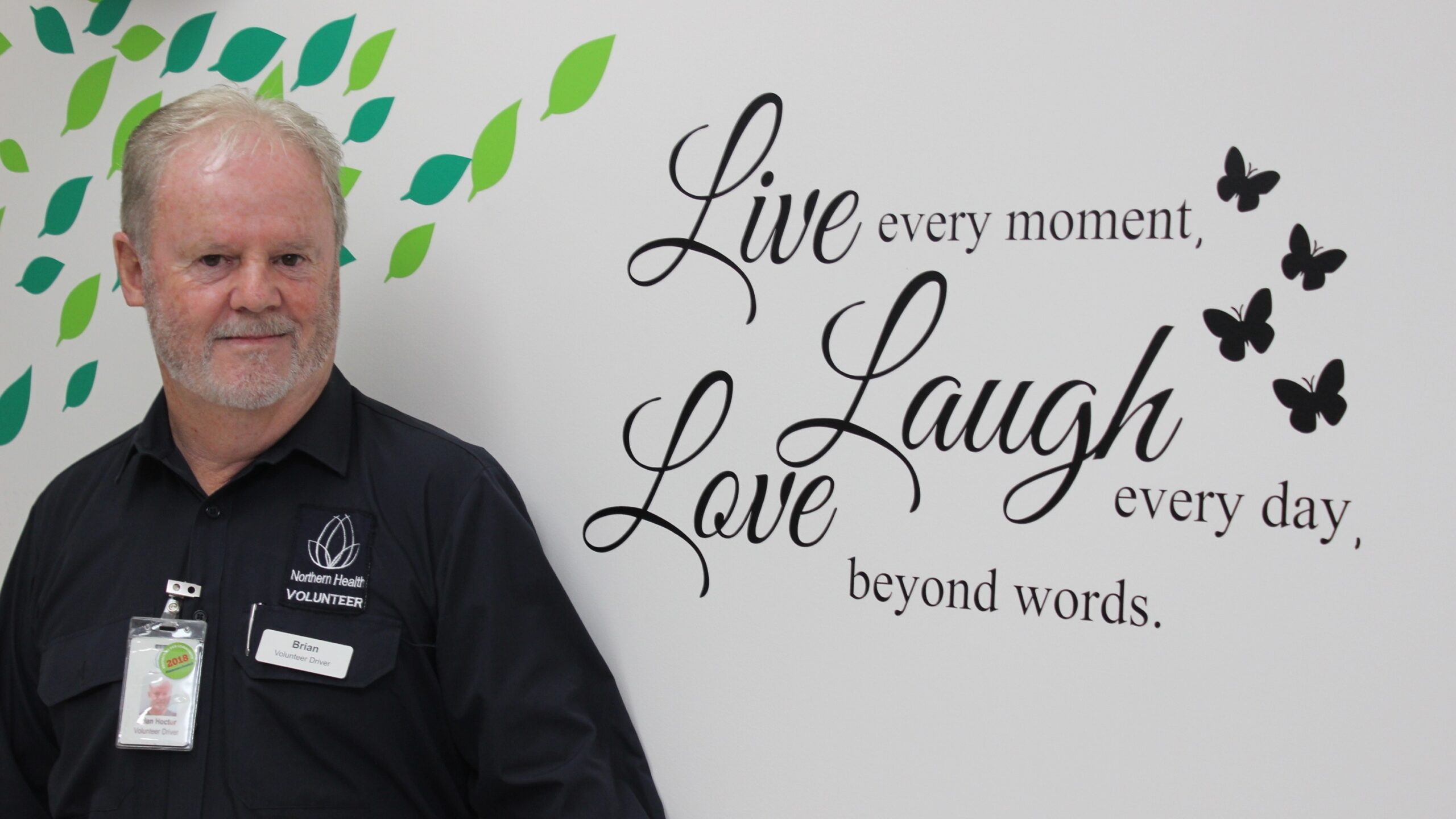
Brian Hoctor: Along for the journey
The smiling faces of our volunteers are the first people you see as you enter the hospital. Our volunteers form an integral part of how the hospital operates and help us to provide trusted care to our community. Brian Hoctor is a volunteer driver who has been with Northern Health for five years, and is a wonderful example of true community spirit. A humble man, Brian says, “I’m not here for pats on the back, I’m here to help.” His role is to drive patients receiving chemotherapy or dialysis to and from their appointments at the hospital, and to make…
-
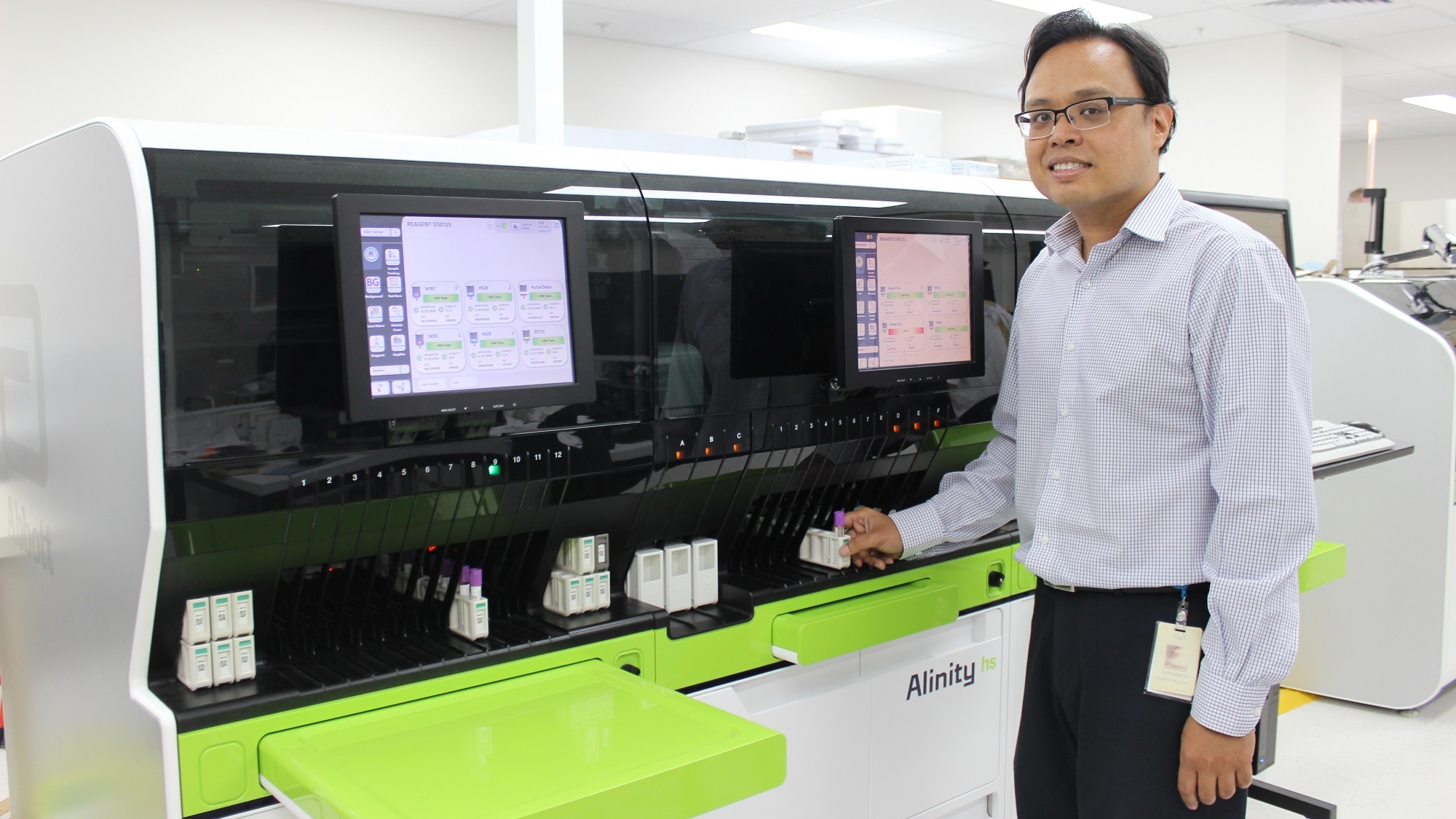
Thrombosis research success
Dr Prahlad Ho, Program Director of Diagnostic Services and Director of Clinical Haematology, was recently awarded his PhD for his thesis, ‘Evaluation of the management of venous thromboembolism and application of novel global coagulation assays’, completed in conjunction with the Florey Institute of Neuroscience and Mental Health, University of Melbourne. Dr Ho is a joint NHMRC and Heart Foundation Scholar, who studied the risk of clot recurrence in patients with venous thrombosis by the use of novel global coagulation assays. His work has defined subgroups with higher risk of recurrence, as well as identified unique mechanisms that regulate clot dissolution, adding…
-
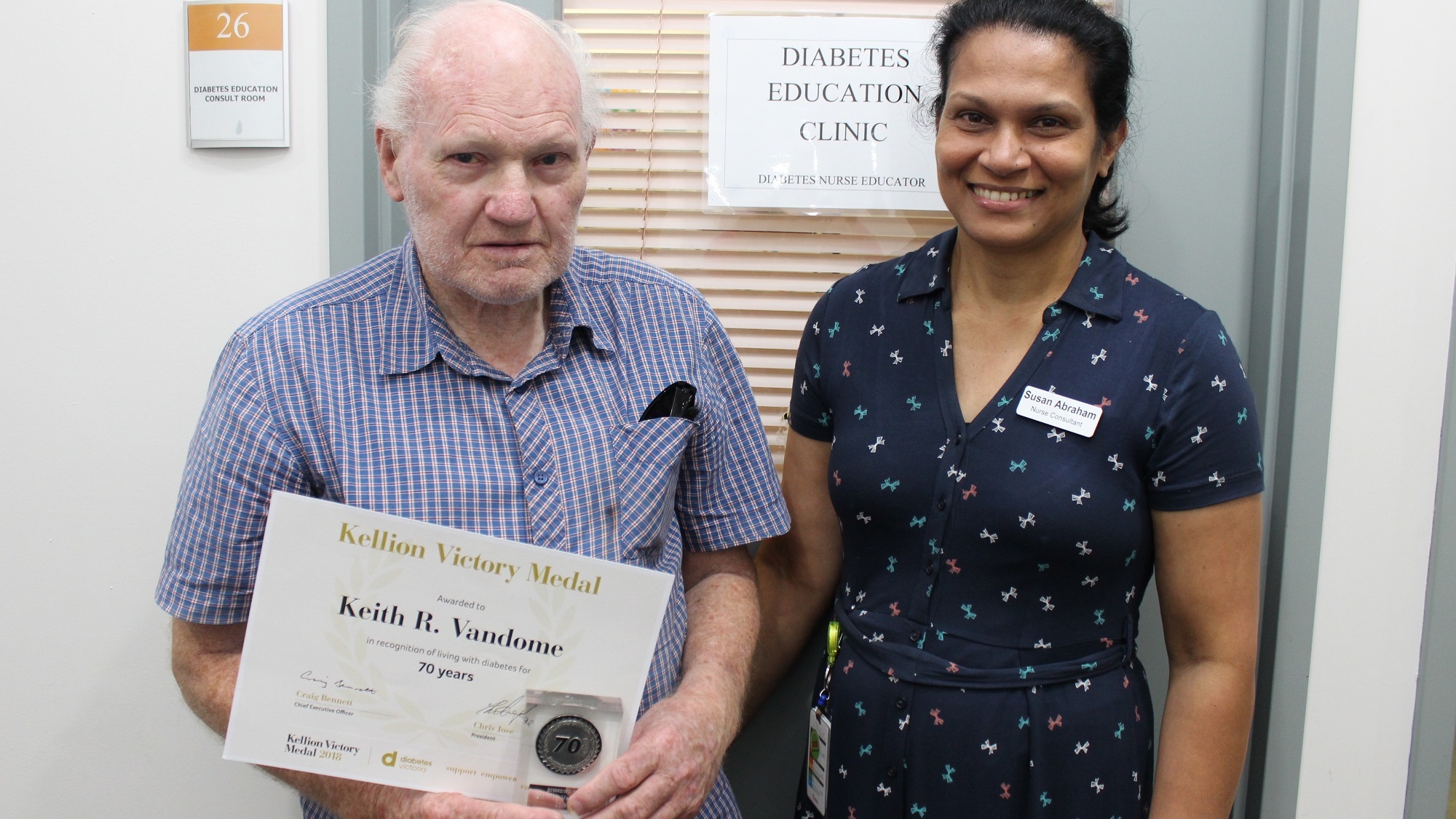
Living with diabetes for 70 years
Broadmeadows Hospital patient, Keith Vandome, was diagnosed with type 1 diabetes when he was just 7 years old. Today, he is 78, manages his condition very well, exercises regularly and with the help of new diabetes technology, he hopes to see the usual day to day blood glucose monitoring become easier. “The insulin choices and treatments at the time I was diagnosed were nothing like today. I’ve seen a lot of changes over the years, and the management of the condition got much better,” Keith said. Last year, Keith received the 70th Kellion Victory Medal through Diabetes Australia, for recognition…
-
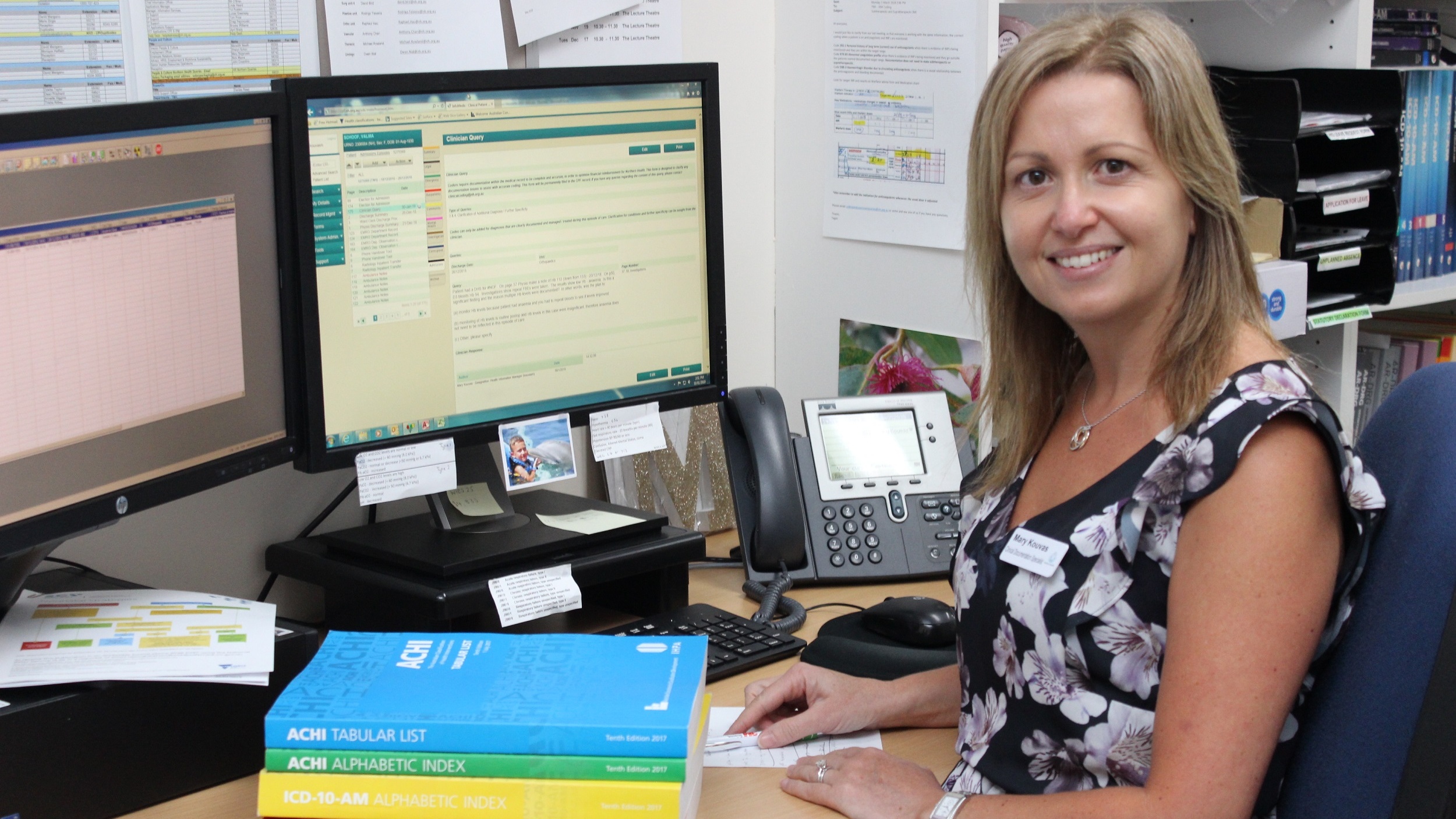
Clinical Coding: Are you making the most of your data?
For decades now, coded data has been used to ensure hospitals can be reimbursed for their activity and better plan for services in the future. Clinical coding usually occurs after the patient has been discharged from hospital, where information written in patient notes is translated into coded data and entered into hospital information systems. It is important that hospitals code episodes of care accurately to ensure the right resources to provide care for patients is received. For Northern Health, coding helps to fund our clinical services and equipment needs. Medical Unit 4 at Northern Hospital Epping has been involved in…