
• Get to know: Lori Bennett

    Get to know: Lori Bennett

    #WeAreNorthern

    Meet Lori Bennett, Computer Clerk and Peer Supporter at Northern Health

    1. What is your coffee order?

    I love a hot caramel latte with a dash of full cream milk! I have a sweet tooth

    2. Can you tell me about your role as both a Computer Clerk and a Peer Supporter?

    I have been employed with Northern Health since September 2015 as a part time staff member. My shifts are days, afternoons and weekends. I also work at Bundoora Centre to help out when they are short staffed. As a Switchboard Operator/Computer clerk, I play a vital part at Northern Health. My communication skills shine as I eagerly engage with various members of the public, directing enquiries and assisting them with integrity and decency. My expertise includes liaising with doctors and nurses, and establishing well structured lines of communication across our campus.

    I started my Peer Support role last year. I became a peer supporter to help those that need someone to talk to, even if it’s just to get something off their chest. I strive to give people strategies to help resolve any issues they may have without judgement, because I may not have walked in their shoes. I believe this program gives staff a chance to speak to someone who isn’t their manager, or may not even work in the same area. Helping others lifts my spirits and makes me happy.

    3. What motivated you to become a Peer Supporter?

    I was motivated by the fact that I have always enjoyed helping others. I thought it would be beneficial for people to have a safe space to debrief about their issues, work related or not. The program stood out to me as a great opportunity to contribute to  the wellbeing of others in the workplace by listening, acknowledging people’s feelings and helping in any way I can. Staff members should not feel like they just need to ‘cope better’ or just be able to ‘get on with things’ when they are struggling.

    4. What do you enjoy the most about being a Peer Supporter?

    I enjoy being a Peer Supporter because I believe emotional and psychological wellbeing in the workplace is important, and I enjoy connecting with my colleagues. I believe that having a safe space to share experiences and connect makes a difference in how we cope with difficult times in this challenging industry.

    5. How do you like to relax after a day at work?

    I relax by having a good old sing, whilst sipping on a pina colada. I have learnt singing for over 20 years, and also enjoy live streaming my singing when I have the chance. I also love getting out in nature.

    6. If you could have dinner with any historical figure or celebrity, who would it be and why?

    I would have dinner with Ryan Reynolds, as he would keep the table laughing and engaged with his quick wit and charm. My grandpa, just to have one more dinner with him would be amazing. And Juanita Coco from Young Talent Time who is one of my idols. Her talent for singing and dancing is amazing.

    To access the Peer Support Program, please visit the Intranet.
  • “We see you, and we believe you.” Shining a spotlight on women’s pain

    “We see you, and we believe you.” Shining a spotlight on women’s pain

    National Pain Week is Australia’s annual awareness event for chronic pain, which focuses national attention on the experiences of those living with chronic pain, and helps to reduce barriers related to their pain.

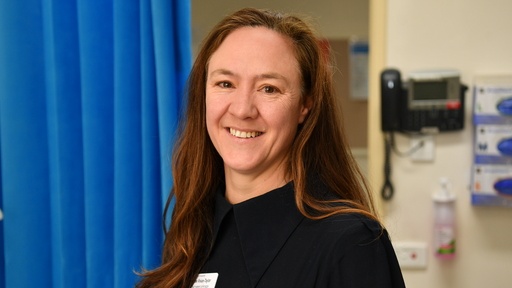
    We spoke to Dr Josephine Vivian-Taylor, Head of Gynaecology at Northern Health, about the impact of women’s pain, and how we can help to manage this pain more effectively.

    How prevalent is chronic pain among women compared to men?

    Women experience chronic pain at higher rates than men across a lifetime. In part, this is because women experience persistent pelvic pain, period pain, bladder and bowel pain, particularly at the time in their lives that they are having periods and ovulating.

    Why do gynaecological pain conditions often go undiagnosed or misdiagnosed?

    Evidence into women’s experiences of the healthcare system when they present with gynaecological pain has shown that they are more likely to have their pain disregarded. This may lead to delayed referral, diagnosis and treatment, all of which have the potential to contribute to the pain becoming more chronic in nature, and more difficult to treat.

    Pervasive ideas such as, ‘it is normal for sex to be painful,’ and, ‘period pain is normal,’ mean that, for girls and women who experience pain, particularly when it is excessive and negatively impacting their lives, are less likely to seek help in the first place. Many of our patients have internalised these messages to the point where they now feel that it is ‘normal’ to be bedridden for two days a month during their periods. When we are able to tell them that their experience is not ‘normal,’ and that we have ways to help, they express relief that they are not ‘going crazy’ as they had been feeling, up to this point, that their pain had been ignored.

    How does chronic pain impact a woman’s quality of life and mental health?

    Chronic pain can have an enormous impact on women’s quality of life and mental health. Women with persistent pelvic pain are often young, and not being able to participate in life like their peers, care for children or fulfil their career potential can have devastating effects. I am in awe of these women’s strength to push through and fight in the face of such pain. But why should they have to? Women are tough, but if we could help them manage their pain better, they could put this amazing resilience and energy into other aspects of their lives.

    How can we help women manage chronic pain more effectively?

    We know that chronic pain is most effectively treated in a multidisciplinary team that includes GPs, pain specialists, physiotherapists, pain psychologists, nurses, dieticians, and in my speciality, gynaecologists. The evidence for this multidisciplinary approach is well established, but the delivery of this model of care in our healthcare system is still being developed.

    The women’s health clinics that are being rolled out by the Victoria government across the state over the next four years, along with endometriosis clinics in general practice and health care plans for pelvic health physiotherapy and psychology, aim to improve access to this type of care in Victoria. There is no one solution to treat persistent pelvic pain, so shared decision making, with women at the centre of the care we deliver, is an essential aspect of this care also.

    What message would you like to convey to women suffering from chronic pain?

    I would like to say ‘we see you and we believe you’. For those who have been put off accessing care due to poor experience or fear of not being believed, I encourage you to advocate for treatment again. I would also encourage women to explore all aspects of the multidisciplinary treatment available for chronic pain so they can find the combination that works best for them.

    Dr Vivian-Taylor was this week featured in the Star Weekly newspaper, sharing her thoughts on this important subject. You can read this article here.

  • Powering up – Small Change, Big Impact

    Powering up – Small Change, Big Impact

    Earlier this week, Northern Health launched a new initiative called ‘Small Change, Big Impact’.

    The program encourages staff working in all facets of the organisation to implement small, cost saving actions in their areas and then share them through Ideascale. Ideas will be highlighted and celebrated through various forums, like The Window and the weekly Staff Update email, so that other areas can utilise them, and we can all benefit.

    The initial idea for the program came from Deanne Rowland, Nurse Unit Manager Unit 1, Broadmeadows Hospital, who has been challenging her staff to save $20 per person per shift.

    “Many staff are unaware of the costs of the products we use, so we’ve put cost per unit on some of our more frequently used items in our supply room,” Ms. Rowland explained.

    “It’s a visible reminder of the cost. So, when staff go into an isolation room, for example, they only take in what’s needed at the time, rather than throwing out excess when the patient goes home.”

    Using no-nonsense, ‘Nurse Math,’ if you have an average of five staff per shift x three shifts per day =15 shifts x $20 = $300/day x 30 units = $9000.00 per day x 365 = $3.2 million over the year!

    The beauty of all of this, is that so many wards and areas are already employing these kinds of measures. Through Small Change, Big Impact, these ideas can now be highlighted organisation wide, compounding the marvellous work being done. The ultimate powerup!

    Debra Bourne, Chief Operating Officer, added “This is not only about saving costs, what’s good for Northern is also good for the environment, and has many flow-on affects that are positive and sustainable.”

    Click here to share your ideas and collaborate with your peers now, and see your small change be part of a big impact.

  • Introducing Northern Health’s new CMO – Professor Prahlad Ho

    Introducing Northern Health’s new CMO – Professor Prahlad Ho

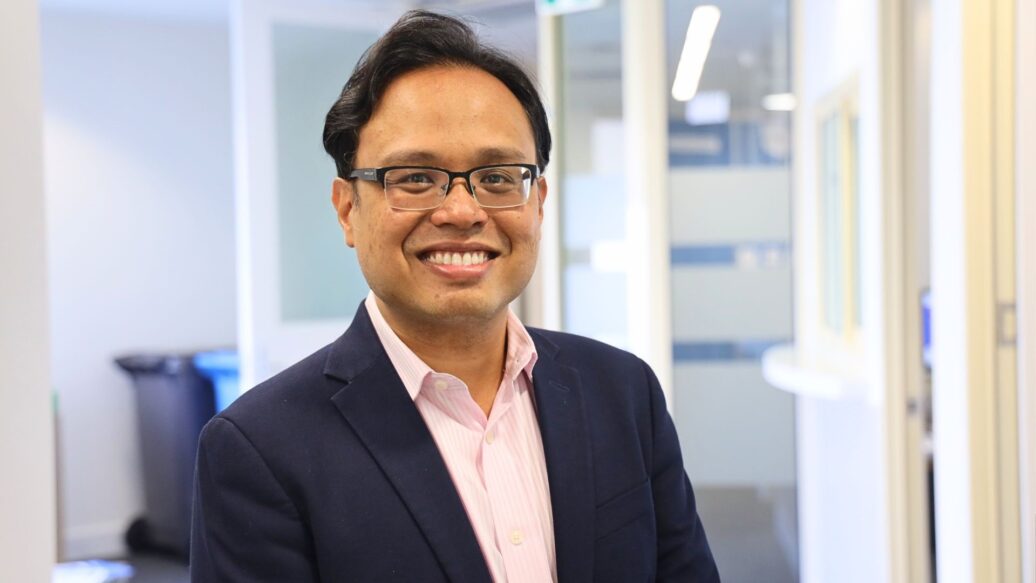
    This week, Professor Prahlad Ho takes on the role of Chief Medical Officer (CMO), with Professor Wanda Stelmach handing over the baton as she transitions to her new role in cancer services.

    With over 18 years of dedicated service at Northern Health, Prahlad’s journey began as an intern, progressing through basic and advanced training at Northern Health and Austin Health. In 2014, he was appointed to the role of Laboratory and Clinical Haematologist, and has since held multiple leadership positions, including Director of Clinical Haematology, Director of Northern Pathology, Divisional Director of Diagnostics and Outpatients, Divisional Director (Medical) of Cancer Services and Chair of the Research Executive Committee.

    Prahlad’s impressive academic background includes a Bachelor of Medical Science and a Bachelor of Medicine and Surgery (Honours) from the University of Melbourne. He is a Fellow of the Royal College of Pathologists of Australasia (FRCPA) and the Royal Australasian College of Physicians (FRACP) and earned his Doctor of Philosophy from the University of Melbourne in 2018. He also holds an Adjunct Professorship from RMIT University and honorary appointments at the University of Melbourne and Monash University, maintaining an active research portfolio in thrombosis and cardiovascular disease.

    In a recent discussion, Prahlad shared his insights on his new role, his remarkable career journey, the exciting new chapter ahead, and his future plans. Here is an excerpt from our conversation with him.

    Q: Firstly, what is your coffee order?

    A: I love coffee and skinny latte is my order.

    Q: You have been recently appointed the new Chief Medical Officer of Northern Health. Tell us how you feel about this new role, what would your focus be and what is your vision for the role?

    A: I am honoured to take on this role in a very challenging time, with the financial crisis and discussions about possible amalgamations hovering over us. While I am, like everyone else, concerned and anxious about the upcoming changes, I am supremely confident in the strength of our hospital, and that it will always be our geographical destiny to serve our growing population, as we have for over 25 years.

    Q: You have been working at Northern Health since 2006. Tell us about your history at Northern Health, your early beginnings and your journey throughout the years?

    A: I have had the privilege of serving in every medical position in this hospital, from medical student to consultant, and now I have the honour of serving as CMO. I still recall when I first came here as a medical student, I had to avoid kangaroos to get into the building. How much has the Northern Hospital Epping changed since then! During my time here, I have seen us develop from a small, outer suburban community hospital, into a major hospital that we are all so proud of.

    Q: What are you most excited about this new chapter?

    A: When I first started here as a haematologist and PhD student, I was asked “why would you ever go to Northern Health?” I have spent much of my career telling everyone – it is because this is the best place to work and a place where we can make a difference! My motto has been that “no patient should be disadvantaged by the postcode they live in” and I intend to continue on delivering this, by working together with everyone, to transform our hospital into a tertiary centre of excellence, which our patients, and us, can all be proud of.

    Q: What achievements are you most proud of at Northern Health?

    A: Northern Pathology Victoria, Northern Imaging Victoria and our NECTAR group (Northern Health’s Collaborative Group for Thrombosis and Research).

    Q: Can you please share with us something not many people know about you?

    A: I served in the Singapore Army and Navy.

    Q: What is on the top of your bucket list?

    A: Travel to every continent of the world.

    Congratulations from all of us at Northern Health! We wish you continued success and look forward to the positive impact you’ll bring.

  • TRICS to improving patient outcomes

    TRICS to improving patient outcomes

    As healthcare professionals, much of our training around clinical deterioration and resuscitation focuses on our technical skills – how to perform effective CPR, how to use the defibrillator etc.

    However, there is a growing awareness that our non-technical skills are just as important in a critical situation. Teaching and practice of skills such as role allocation, communication, leadership and planning are essential to improve outcomes for our patients.

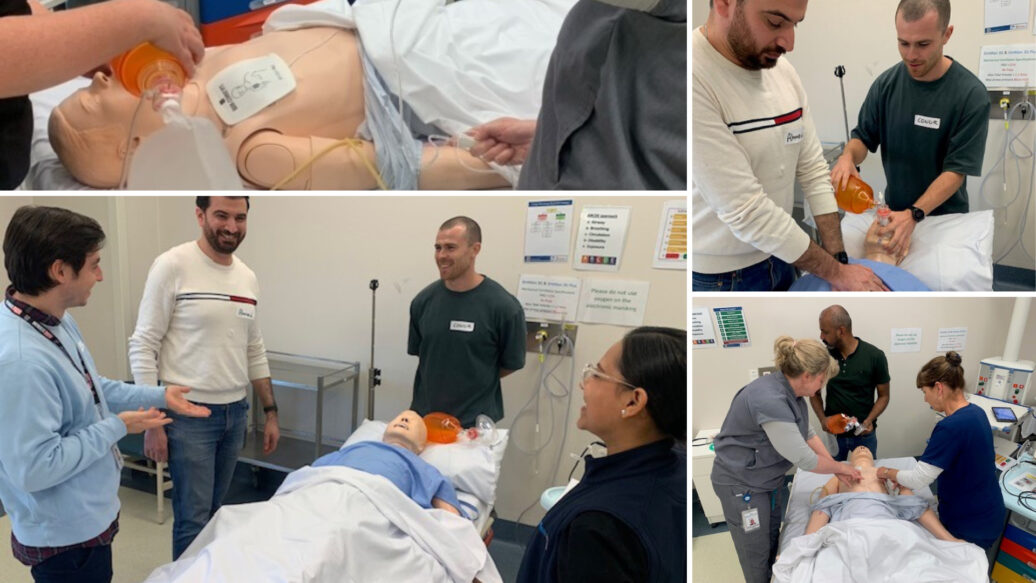
    The TRICS – Team Response in Critical Situations, course is designed to teach and practice these skills in a multidisciplinary team environment. The 4.5-hour course is held at the NCHER simulation centre and involves skills stations, simulations, and team debriefing, taught by nursing and medical faculty with critical care experience.

    The course has been running for a few weeks, with many staff attending providing valuable feedback on the importance of this course.

    “From my perspective, as a doctor working in ICU and anaesthetics who regularly attends Code Blues and MET calls, the improvement in communication, situational awareness, teamwork, and task management displayed by participants excites me and reassures me of the course’s value in enhancing patient safety.” – Dr Nathan Hanegbi, Anaesthetic SRMO.

    “The TRICS study day is a wonderful opportunity to solidify your leadership skills in critical high stress situations. The course provided great theoretical knowledge which was then reinforced during some fun and engaging team simulations. I have since found my confidence in medical emergencies has greatly improved and I am better able to communicate with others throughout the event which allows me to be a voice for my patients and escalate concerns and needs appropriately.” – Kaytlin Wills, Registered Nurse, Ward 22.

    “I thought there was a good mix of classroom explanation and bedside simulation. The simulation work was very helpful, not only as a Basic LIfe Support/Advanced Life Support  refresher almost, but mainly as a chance to take on a leadership role in a less high-stakes setting than actually in the hospital. The communication focus was a great benefit, because this seems to be what breaks down in work the most often. I’ve ended up using that experience I got in there in work a bunch of times since. I stepped up to Registrar recently and have been involved in and sometimes ran a lot of MET calls. The course acted as a good stepping stone towards those moments in work, and also gave me more confidence for those moments where everyone turns and asks ‘what would you like to do’, because we’d worked through a framework for those exact situations in the simulation room.” – Aaron Barry, General Medical Registrar.

    The TRICS course is open to clinical staff working at Northern Health. Course dates and how to register can be found on the LMS here.

  • Get to know: Henni Wade

    Get to know: Henni Wade

    #WeAreNorthern

    Meet Henni Wade, Manager – Volunteer Services, Northern Health.

    Q. Can I start with your coffee order please?
    I start my day with two coffees of any variety, that keeps me going for the day!

    Q. How long have you been with Northern Health?
    This is my 7th year with Northern Health.

    Q. Can you tell us a bit about your career?
    My career began in education, which naturally transitioned into community engagement roles.

    Q. Why did you switch from a career as a teacher to one focused on engagement roles?
    Kids changed my career path. Once they came along, I found myself actively involved in local community groups and clubs. Staying at home became monotonous, and I needed to keep busy. I enjoyed being active and involved, which led to voluntary engagement with local community groups and clubs. This, in turn, opened doors to project roles within local council and healthcare. My career mirrors my interest in real estate—I love to build, reimagine, and remodel. I thrive on creating and being part of change.

    Q. What is something that not many people know about you?
    Twenty years ago, I was a golf caddy in Japan. Having studied Japanese in school, I wanted to immerse myself in the culture, so I signed up as a golf caddy. Despite knowing nothing about golf, I was eager to explore Japan and improve my Japanese. I quickly discovered that textbook Japanese was quite different from the real thing! The language barrier was a shock, and I struggled to understand native speakers. I regret not maintaining my language skills. When I retire, I might take up language studies again—and perhaps even golf!

    Q. What do you love most about your role as Manager of Volunteer Services at Northern Health?
    I love my job because I work with people who genuinely enjoy what they do. It’s a privilege to work alongside our volunteers and fellow volunteer coordinators, supporting the various departments of Northern Health. Our volunteers come from all walks of life, bringing a wealth of experience, empathy, kindness, and intuition. They form a close-knit team, much like a big family, offering immense support to one another during tough times. I also collaborate closely with the Foundation team, who are lots of fun. I particularly enjoy helping to coordinate events.

    Q. What is next for you?
    I love to travel, and we’re planning a road trip around Australia. When our kids were in primary school, we took them out of school for three months for a road trip. They may not remember their Christmas presents from those years, but they do recall many experiences from our adventures on the road. This time, our trip will be without kids, promising a completely different experience. I cherish the outback, the bush, and a campfire. The simple things in life are the best.

    Q. Any final thoughts?
    Have no regrets. Live life to the fullest. Money isn’t everything—life experiences are!

  • Virtual ED for people with diabetes now available

    Virtual ED for people with diabetes now available

    A specialised virtual emergency department catering for people living with diabetes will improve access to care at the time of an emergency, while taking pressure off stretched hospital wards across Victoria.

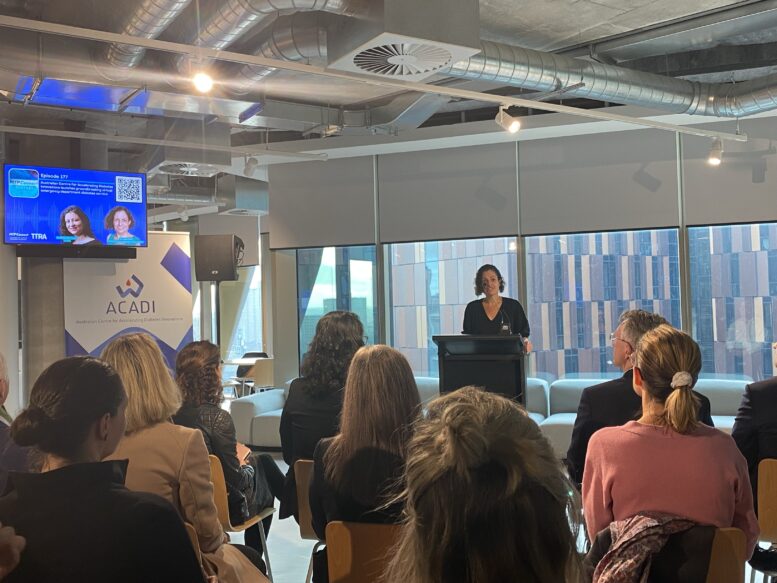
    The Australian Centre for Accelerating Diabetes Innovations (ACADI) and Victorian Virtual Emergency Department (VVED) launched the service earlier this month as an extension of the VVED, which was established in 2020 to reduce avoidable hospital admissions.

    The new virtual service, called VVED Diabetes, will provide free video consultations to people with diabetes suffering urgent non-life-threatening complications.

    The service, delivered by diabetes nurse practitioners and emergency clinicians, provides a lifeline to those living in regional and remote areas, where access to urgent care is often limited.

    University of Melbourne Professor and ACADI Director Elif Ekinci, who led the initiative, said, “diabetes is the fastest growing chronic health condition in Australia and those living with the disease must constantly manage their blood sugar levels to prevent serious spikes or drops.”

    “The new virtual ED, allowing patients access to care immediately, will reduce the risk of further deterioration in their health, and will assist in breaking down the city to country divide by offering immediate support to those who would otherwise travel long distances for an in-person medical consult.”

    VVED Director Loren Sher said, “since launching more than three years ago, VVED has supported more than 300,000 patients and helped prevent unnecessary hospital presentations, freeing up beds for critically ill patients.”

    “Offering a diabetes specific service will ensure those living with the disease aren’t having to be put on lengthy ED waitlists and can receive the right care at the right time.”

    Dr Loren Sher, Director, VVED

    The second stage, expected to be rolled out later this year, features an ambulance callout service which will start testing ketone levels for people with diabetes. Ambulance Victoria will respond to callouts made by the virtual clinic and once on scene, paramedics will use blood ketone level testing kits to check whether patients have developed diabetic ketoacidosis, a serious complication where the body can’t produce enough insulin. Each patient’s condition will be carefully assessed to determine whether they can be safely managed at home.

    Northern Health endocrinologist Dr Ben Nash, who will oversee the virtual service said, “equipping paramedics with ketone testing is a gamechanger. Up until now, most cases of hyperglycaemia attended by paramedics are transported to a hospital.”

    “Ketone testing will allow for rapid identification and management of suspected diabetic ketoacidosis, while also identifying those that can be safely managed at home.”

    The clinical operations of the diabetes virtual ED was funded by the Victorian Government, while research relating to the clinic was funded via a $915,823 National Health and Medical Research Council grant.

    The clinic will also work with key partners including the Royal Flying Doctors Service and Diabetes Victoria to reach patients across Victoria.

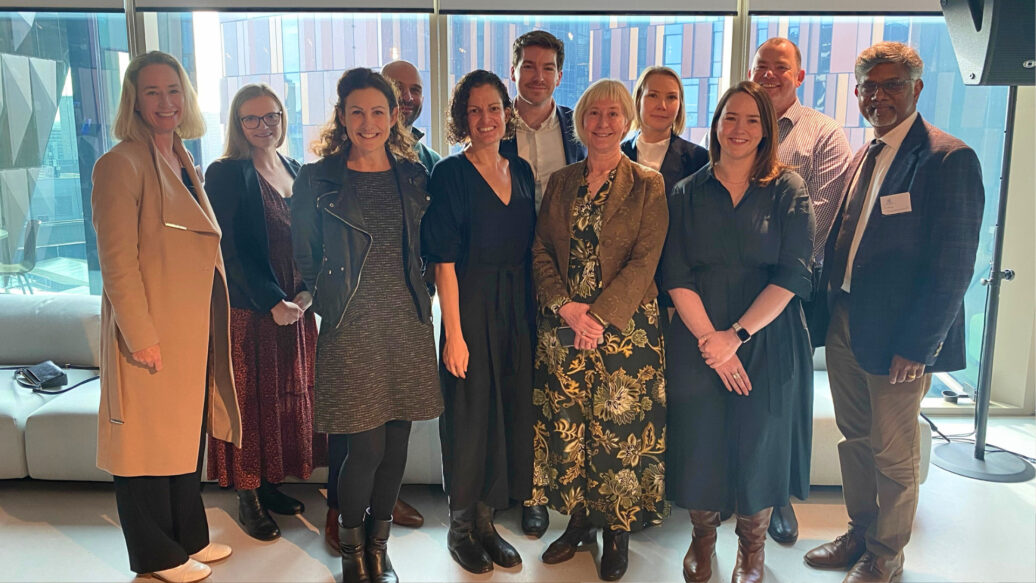
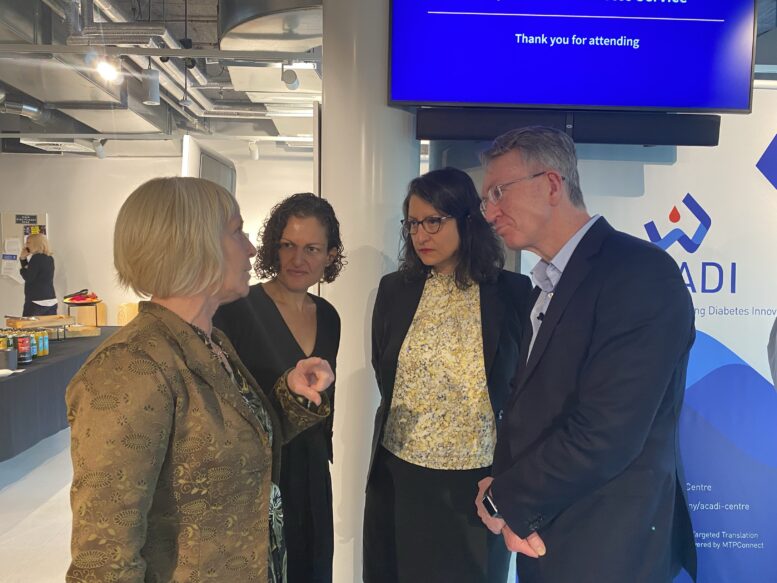
    Bronwyn Halfpenny MP, Dr Loren Sher, Director, VVED, Professor Elif Ekinci, Director of ACADI, Glenn Noonan, CEO of Diabetes Victoria

    Pictured in featured image: Northern Health’s VVED team with Bronwyn Halfpenny MP. 

  • NAIDOC Week 2024: Highlights and quiz winners

    NAIDOC Week 2024: Highlights and quiz winners

    Last week, the spirit of NAIDOC Week blazed brightly across Northern Health sites. The Narrun Wilip-giin, our Aboriginal Support Unit, transformed spaces into vibrant showcases, echoing the theme: ‘Keep the fire burning! Blak, Loud, and Proud.’

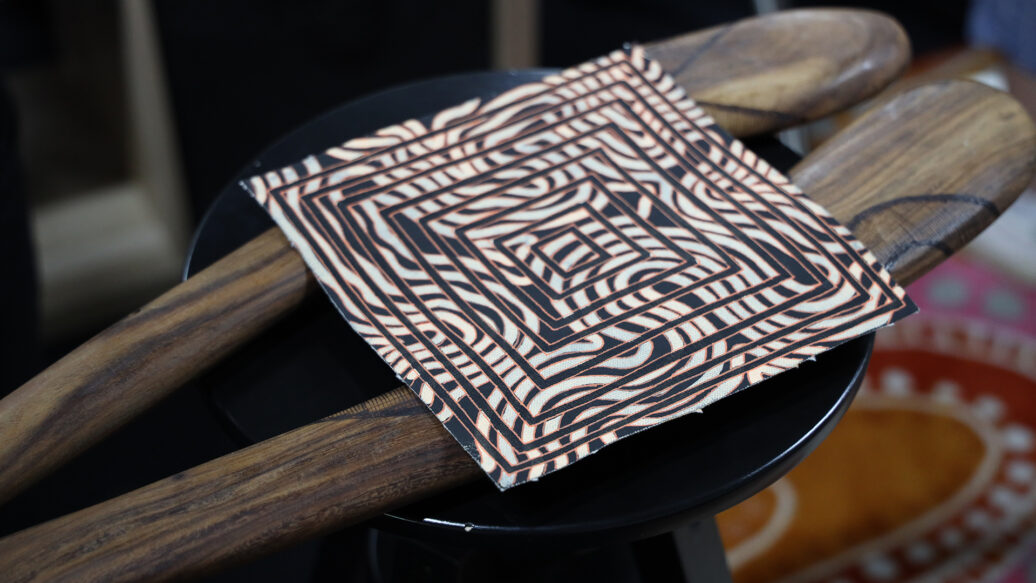
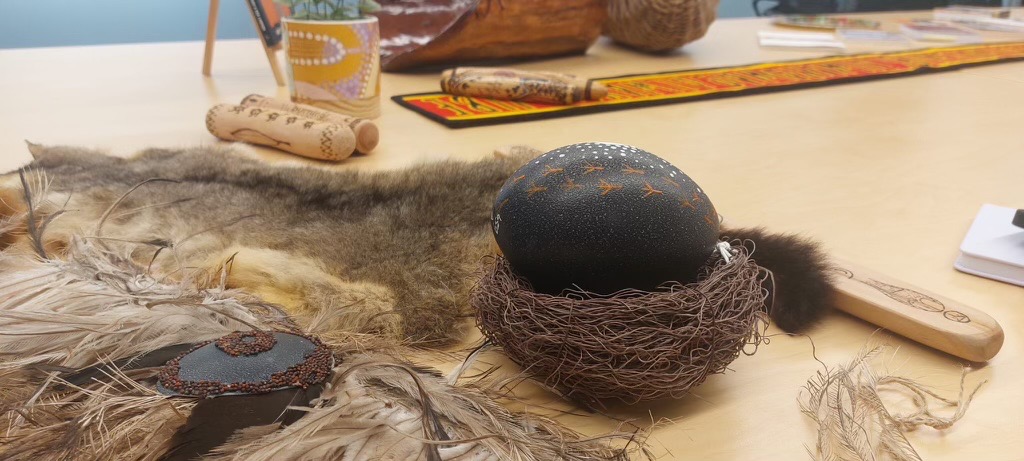
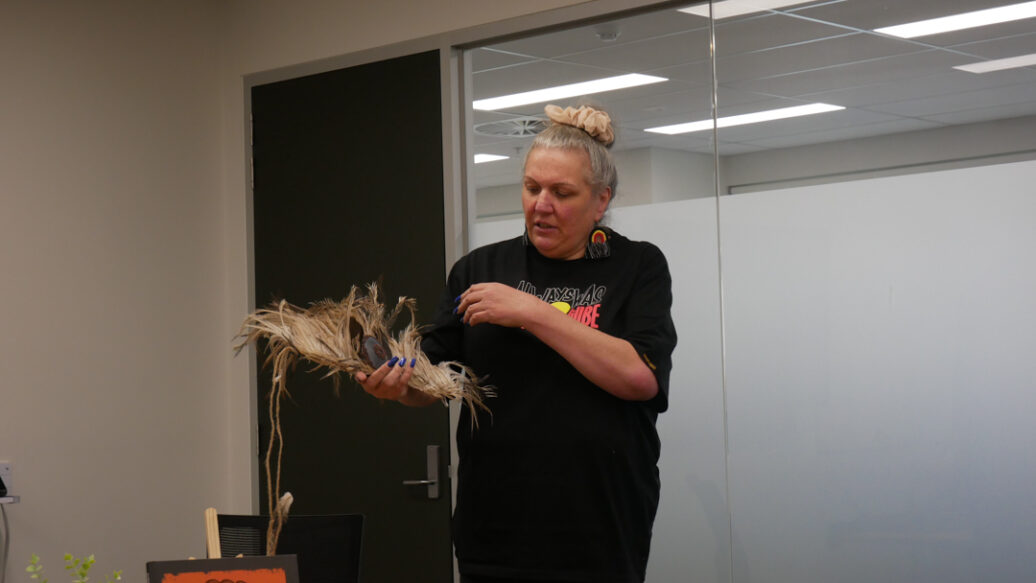
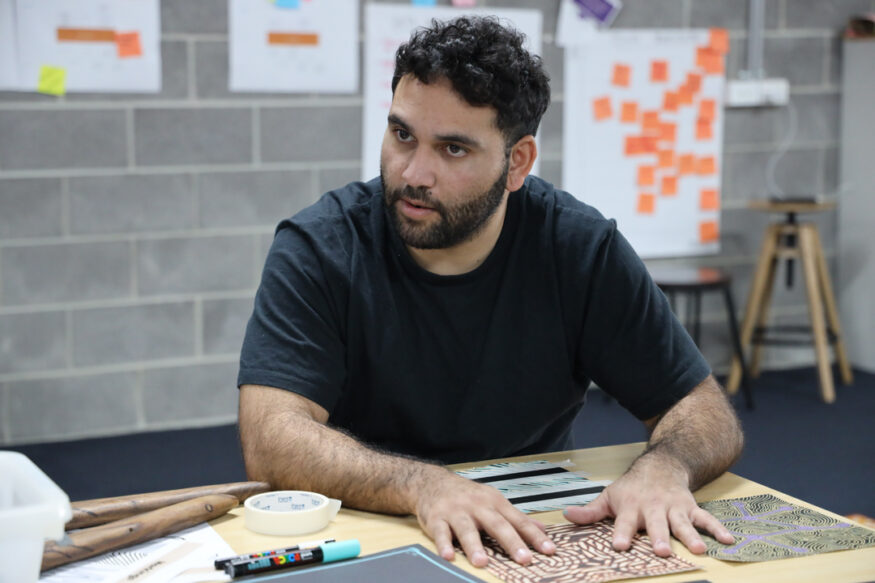
    In the Ideas Lab, Peter Hood’s Aboriginal Art workshop ignited creativity. Colours whispered stories and canvas became a portal to ancestral wisdom. Merilyn Duff, led riveting Aboriginal Culture and History workshops. She unveiled treasures: possum skin cloaks, the yandi dish (coolamon), rhythmic clapsticks, and the yarning stick—a bridge between voices. Books on Aboriginal history and culture adorned the space, inviting exploration.

    The artifacts wove threads of connection, bridging past and present. Participants marveled. “The presenter,” they said, “was an excellent communicator—passionate, knowledgeable.”

    ‘I really enjoyed learning about the yarning stick, and how that is used as a communication tool passed around to support, respect and empower each individual whilst speaking and sharing’ said Stefania Zen, Education and Engagement Manager.

    Stephanie Thompson, Aboriginal Liaison Officer, said, “It was great to see colleagues embrace the art workshop and we loved hearing everyone’s story through their artwork.”


    Merilyn Duff
    Peter Hood


    And the winners of the NAIDOC Week Quiz are:

    Preet Romana (1st Prize)

    Sabine Hauser (2nd Prize)

    Kendall Parsons (3rd Prize)

    Congratulations to all the winners! The Aboriginal Support Unit will contact you with a time to collect your prize.