• International Overdose Awareness Day: Together We Can

    International Overdose Awareness Day: Together We Can

    International Overdose Awareness Day (IOAD), observed annually on 31 August, is a powerful campaign dedicated to ending overdose, remembering those who have died without stigma, and acknowledging the grief of their loved ones.

    Associate Professor Joe Anthony Rotella, Clinical Toxicologist and Emergency Physician (Addiction Psychiatry and Toxicology), poses a poignant question: “What is the difference between those who overdose and us? For most of us, we have not endured the same suffering or experiences. I sincerely hope no one ever does.”

    He explains, “In some cases of overdose, it was a recreational mishap. There was no suicidal intent, there was no desire to die but the substance in question didn’t behave the way it did last time. In other cases, someone’s distress was so great and so terrible, that they were forced to take something to try and make that pain and suffering go away. At that time, your brain is working at its most primal level, trying anything to escape danger, distress, pain and/or fear. There is no space or opportunity to think rationally or, as some enlightened individuals suggest, to ‘snap out of it’. At that point, it feels like nothing could be worse. I think it is not a stretch to say that we all can think of times where we have felt the same way.”

    “But it could happen to any one of us. Perhaps this realisation drives our response, or lack thereof… that the gap between us is not that wide after all?”

    Scott Bell, Lead Peer Support Worker at North West Area Mental Health Service, emphasises, “Those with lived experience of alcohol and/or drug use are people first. Preventing overdose gives us the opportunity to continue our journey to abstain or gain our connection back to the community. Having faith in us, even after having multiple overdoes, still gives us hope, even in the darkest of hours. Compassion, curiosity and a genuine effort to include us in our own treatment goes a long way to help prevent overdose. Only we can remove the stigma of criminality and change the view towards this health crisis”.

    The Northern Health Addiction Psychiatry and Toxicology (APT) service is available to consumers admitted through the Northern Hospital Emergency Department, medical and surgical inpatients, psychiatry wards, and current consumers of our mental health services. Our services include specialist assessment, diagnosis, and clinical management of co-occurring substance use disorders and toxicity, as well as secondary consultations with treating teams for advice on diagnosis, clinical management, and treatment options.

    Dr. Vinay Lakra, Divisional Director of Mental Health, states, “APT services at Northern Health are committed to providing evidence-based care to those who present with an overdose. This complements the efforts of our other clinical services in supporting patients to make positive choices. Together we can.”

    Belinda Scott, Executive Director of Mental Health, urges, “On International Overdose Awareness Day, let us unite under the theme ‘Together We Can’ to raise awareness, advocate for change, and work towards ending the harm caused by overdose. Every voice counts in this vital campaign.”

    A/Prof Rotella concludes, “So I put to you, if any of us could end up in the same circumstances, why shouldn’t we help? We can all ask about someone’s wellbeing, we can promote harm minimisation, and we can combat stigma. In other words, we can be safe, kind and together.”

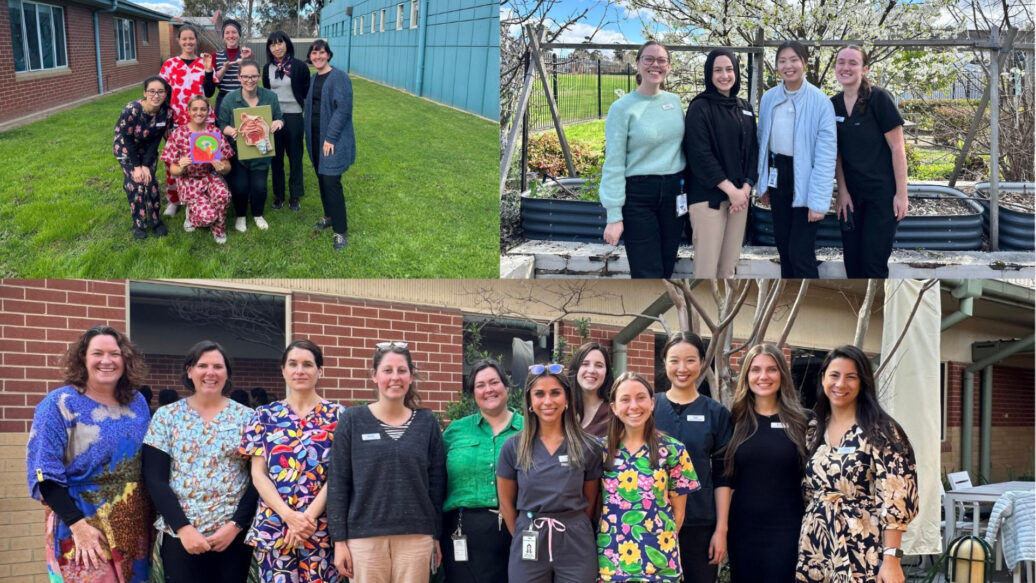
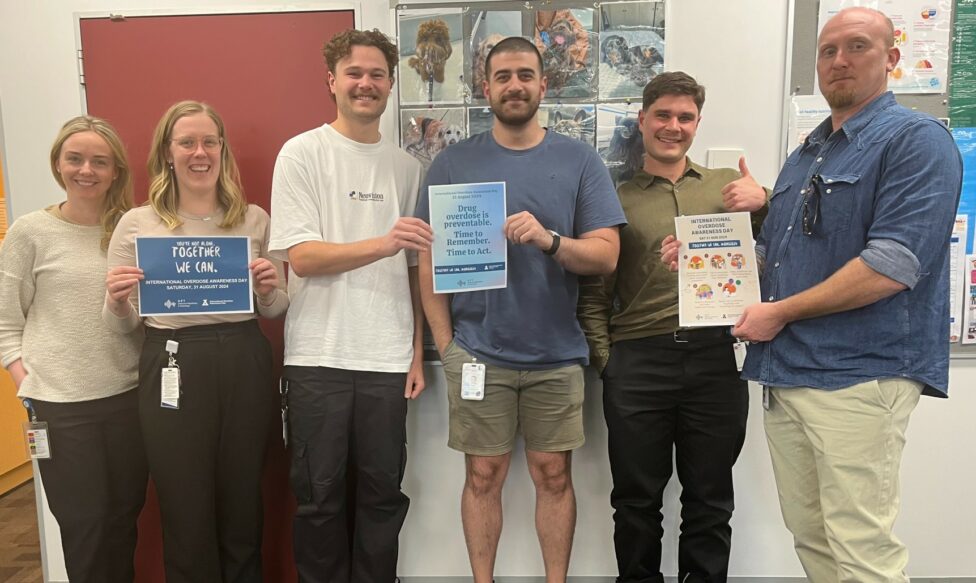
    Pictured the Community Mental Health Clinicians at Merri-bek (L-R):  Georgia Borrack, Sarah Cunningham, Rohan Godfrey, Cem Sonmez, Josh Sollitt, Chris Jennings
  • Australian Medical Association 2024 President’s Award

    Australian Medical Association 2024 President’s Award

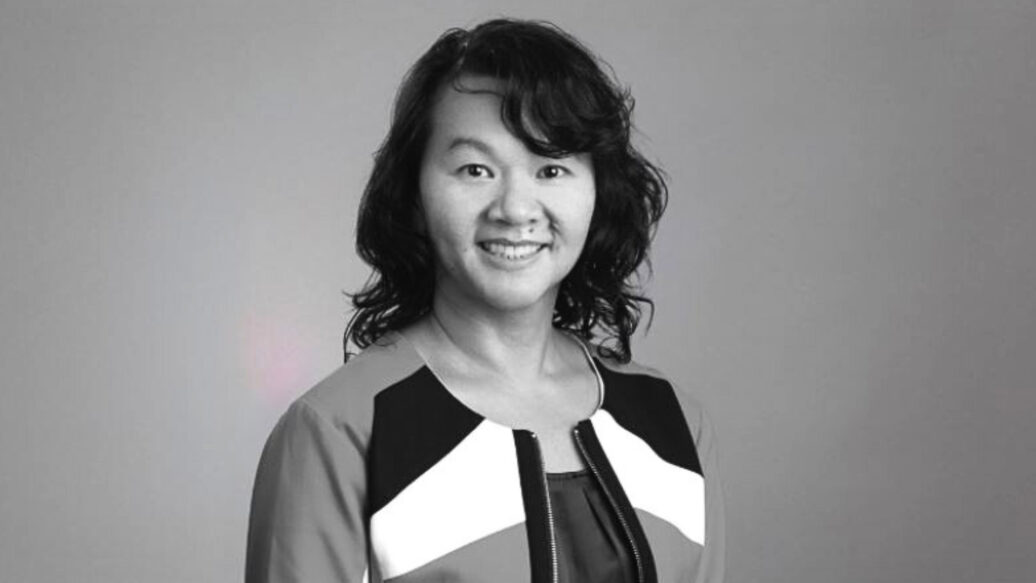
    Northern Health anaesthetist, Associate Professor Suzi Nou, has recently been awarded the Australian Medical Association’s (AMA) 2024 President’s Award for her outstanding advocacy work on private practice.

    Suzi’s award was announced on 3 August at the AMA’s national conference, AMA24, on Queensland’s Gold Coast.

    AMA President, Professor Steve Robson, said A/Prof Nou, the immediate past president of the federal Australian Society of Anaesthetists (ASA), was committed to improving conditions for medical professionals and ensuring patients have access to the best possible care.

    “A/Prof Suzi Nou is an exceptional anaesthetist who is highly respected by her colleagues.”

    “As federal ASA president, she mitigated the impact of caring for public patients in private hospitals, particularly on work conditions.”

    “We want to honour Suzi for advocating strongly for specialists to maintain their independence, for public patients in private hospitals, amid the looming threat of bundled and managed care in the private sector,” he added.

    Suzi represents anaesthetists on the AMA Federal Council and works with the wider profession to improve work conditions for doctors and ensure their independence.

    During the Awards event, Suzi was abroad on sabbatical leave and couldn’t attend the ceremony. However, she said she was deeply honoured to be the recipient of the President’s Award.

    “When Professor Robson rang me to let me know that I was the recipient of the award, I was standing in a campground, looking across a Norwegian glacier lake. It was a surreal experience and I was speechless,” said A/Prof Nou.

    “I saw my role as ASA President and AMA Federal Councillor as an incredible opportunity to represent the profession. I learnt a lot about private health funds and their growth in profits and reduction in payouts to patients. I regarded it as my duty to speak about these things so that the independence of doctors be maintained and patients continue to receive high quality care. To be awarded for what I saw as my duty is an incredible honour,” she added.

    Jake Geertsema, Northern Health Director of Anaesthesia and Perioperative Medicine, said, “Suzi’s tireless advocacy for both patients and medical professionals has set a new benchmark in our field. Her receipt of the AMA 2024 President’s Award is a testament to the profound impact she has made in healthcare, and we are incredibly proud to have her as a part of our team at Northern Health.”

    From all of us here at Northern Health, congratulations and well done!

    At the night of the Awards
    The view that Dr Suzi Nou had at the time of the phone call (Norwegian glacier lake).


    Featured image supplied by AMA 

  • Speech pathologists and the continuum of care

    Speech pathologists and the continuum of care

    This week is Speech Pathology Week 2024 and the theme is ‘Communicate Your Way.’ Speech Pathology Week is all about celebrating the diverse ways that people communicate and to raise awareness about the work of speech pathologists.

    In Australia, there are an estimated 1.2 million people with communication support needs. Speech pathologists work with people to achieve their communication goals, whether it’s a child with a developmental language delay, someone recovering from a stroke, or anyone needing support to communicate.

    According to 2021 Australian Early Developmental Census (AEDC) data, on average one in five children in Victoria (28 per cent of children in the local government areas of Hume and 20 per cent in Whittlesea) present to school as developmentally vulnerable in at least one area (Department of Education and Training, 2021).

    At Northern Health, the Speech Pathology Department consists of 35 speech pathologists and allied health assistants in the Paediatric and Adult teams, working across multiple sites. Speech pathologists are responsible for assessment and management of swallowing and communication disorders. To celebrate and acknowledge the Northern Health Speech Pathologists, let’s take a look at the services they provide across the continuum of care with a focus on supporting patients with a communication impairment.

    Communication Support Group

    Frank Matsuzak and Norminia McGregor are two Northern Health patients that have had speech pathology as part of their journey. Frank and Norminia are currently involved in a weekly communication group run by Manuela Cavuoto, Northern Health Speech Pathologist.

    Norminia was first seen by speech pathology when she was diagnosed with a Left Lacunar Infarct. At that time, Norminia’s speech started depleting and progressively became worse. With the support of Northern Health Speech Pathologists, Norminia reports that her speech has improved since implementing strategies and talking as much as possible. Despite some spelling difficulties, Norminia sometimes uses pen and paper to write down what she is trying to say to help others understand her.

    Frank was diagnosed with Myasthenia Gravis and a Left Middle Cerebral Artery Stroke which impacted his communication. When talking about the difference speech pathology has made for him, Frank shared that “speech pathology gave me the confidence to speak again and get around the community… Speech pathology had helpful recommendations about what to do when there is a communication breakdown.”

    Acute

    The Acute Speech Pathology team play a significant role in the early stages of a patient’s communication journey. They provide communication screening, assessment, management and early rehabilitation of patients who present with a communication and/or swallowing difficulty. It’s essential for patients to be able to communicate their basic needs and wants and participate in healthcare decision making. Speech pathologists help to optimise and advocate a way of communicating (e.g. gesture, communication aids, verbally) and support patients on their healthcare journey.

    Subacute 

    The Subacute Speech Pathology team continue on the assessment and management of patients with a large focus on rehabilitation and goal-based intervention and within the geriatric population. It’s within this setting that patients may receive therapy to work on their goals. Some examples include improving the clarity of their speech, participating in a conversation, reducing word finding difficulties, and providing education to family and carers.

    Community

    The Community Speech Pathologists have a key role in working alongside patients to achieve their communication goals once they are back at home. This can include supporting a patient return to work by practicing their clear speech strategies over the telephone, increasing their confidence in reading a story to their grandchildren or practicing word-retrieval strategies to help with successful conversations. Both Bundoora and Broadmeadows host a Communication Support Group which provides an opportunity for patients to increase their confidence communicating.

    Paediatrics

    The Paediatric Speech Pathology team supports family and nursing staff to understand babies’ early communication skills. They also provide outpatient services for children who have developmental delay including language, speech, play, and cognition. Paediatric Speech Pathologists work within the Multidisciplinary Developmental Assessment Clinic (MDAC) and the Northern Autism Spectrum Disorder Clinic (NASDAC).

    Thank you to our Speech Pathology team for all your hard work and dedication!

    Featured image: Speech Pathology teams at Bundoora, Broadmeadows and Epping.

  • Get to know: Genevieve Lane

    Get to know: Genevieve Lane

    #WeAreNorthern

    Meet Genevieve Lane, Hospital Coordinator, Kilmore District Hospital, Northern Health.

    Q: Firstly, what is your coffee order?

    A: Long black with full cream milk on the side. Cup, not a mug.

    Q: Tell us about your role as hospital coordinator at Kilmore District Hospital?

    A: I have been a hospital coordinator for the last three years. My role includes a fairly detailed oversight of the running of the facility when the management have left for the day/weekend. I have worked at Kilmore District Hospital for 25 years, mostly as an ANUM RN RM on the acute ward. I also worked in our Urgent Care Centre during this time and for some variety.

    Q: What does a day at work look like for you?

    A: My day/night involves managing staffing across all areas, codes, equipment failure, reporting to the executive on call and maintenance, Victorian Health Incident Management System (VHIMs) reporting, limited site security, supporting staff, making sure they have the resources required so that the patients, residents and the community are safe and getting the best care we can provide at Kilmore District Hospital. There is often something that comes out of left field that is unexpected and requires lateral thinking.

    Q: What are some of the achievements you are most proud of, both personally and professionally?

    A: I am proud to be a nurse/midwife after 46 years of working in healthcare and still enjoy working. I love the connection nursing gives me with people. I tell people I have been nursing for 100 years!

    I am also proud of my family connection with Kilmore District Hospital. My grandfather and father both served on the Board of Management for years. My father was President for quite a long time, including the period when the community fundraised and lobbied the government for funding to build Caladenia Nursing Home, one of our two aged care facilities, which opened back in 1991. My father later became a resident of both Dianella Hostel and Caladenia Nursing Home.

    Q: Favourite movie quote?

    A: My favourite quote would have to be from The Addams Family, Lurch, “You rang”.

    If fact, I often answer the phone with a deep voice, “You rang” when I am expecting a call or I think I know who is calling. I have been caught once when a patient phone call was transferred through to the hospital coordinator’s phone and yes, I was very embarrassed.

  • General Surgery Registrar Prize Night

    General Surgery Registrar Prize Night

    The bi-annual General Surgery Registrar Prize Night is the brainchild of Professor Hamish Ewing, inaugural Associate Professor of Surgery at the Preston and Northcote Community Hospital (PANCH).

    It is a way of celebrating and rewarding our accredited surgical registrars for their dedication and hard work across the six months of their rotation at Northern Health. And what better way to reward them than to make them present a case report and literature review in a competitive environment!

    The Prize Night, held on 25 July, was a particularly good one. The rules of the competition are that registrars must present a case they have managed in their six-month term, present a relevant literature discussion, and above all, stick to the 10-minute time limit.

    All six registrars did a fantastic job, were clearly very enthusiastic regarding their topics, and had put a lot of work into their presentations. Dr Neil Strugnell and Dr Bibhusal Thapa had the unenviable job of judging, while those in attendance enjoyed the excellent spread of sushi and Vietnamese spring rolls put on by our sponsor Becton, Dickinson and Company (BD). Our thanks to the BD representative, Sam Jawad, and also to Donna Wilkes, who organised the evening and was the official timekeeper.

    Tess Howard kicked off proceedings with a fascinating case about foreign body perforation of a Meckel’s diverticulum. Alex Kuminov had a great discussion following a case with synchronous oesophageal and gastric cancers, and how to surgically manage these. Khadijah Ahmed presented a great ethical dilemma of when to remove peritoneal metastatic disease, the role of debulking, the role of Hyperthermic Intra-Peritoneal Chemotherapy (HIPEC), or whether palliative care is more appropriate in a patient wanting active treatment.

    The judges highlighted Candy Cheng’s talk on a large fungating Phylloides tumour, and in particular were impressed at the depth of patient care when delving into a Post-Traumatic Stress Disorder (PTSD) diagnosis being the reason for the markedly delayed presentation. Sara Mohammed Jinnaah’s talk was also highlighted for the amazing video and pictures of a humungous gallstone being delivered out of the duodenum in a rare case of Bouveret’s Syndrome – gallstone ileus with duodenal impaction.

    The star of the night was vascular registrar, Amar Lakhani, who presented a case of femoral artery pseudoaneurysm and abscess in an IV drug user. Seeing a photo of a pseudoaneurysm that had emerged through the skin, and hearing about the acute rupture on the ward was a little terrifying, but the discussion around the surgical methods to first save the life, and then save the leg had the whole audience asking questions. Congratulations to Amar, who was a worthy winner!

    The registrars in the second half of the year will get a chance to show their presenting skills at the next Surgical Registrar Prize Night on 12 of December at 5.30 pm in the Northern Health Lecture Theatre and on Teams.

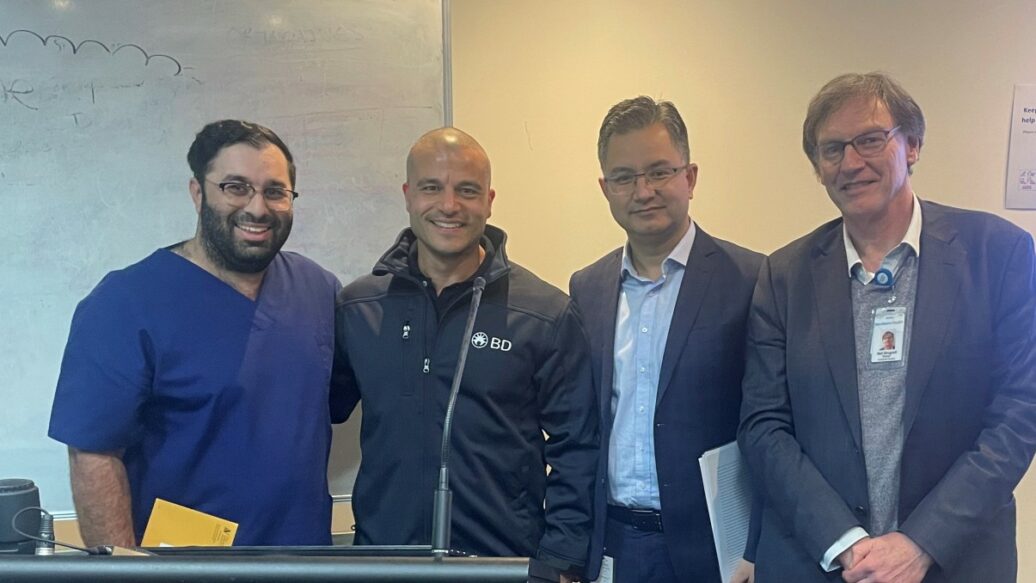
    Picture shows Registrar Amar Lakhani, Sam Jawad, BD representative and Drs Bibhusal Thapa and Neil Strugnell. 

  • Healthy choices in Kilmore: Making it easier for staff to eat well

    Healthy choices in Kilmore: Making it easier for staff to eat well

    Kilmore District Hospital staff will soon have more access to healthier food options, thanks to the latest efforts aligned with the Victorian Government’s Healthy Choices Policy Directive for Public Health Services.

    The policy directive aims to improve the availability of healthy food and drink choices at public hospitals and health services, supporting the health and wellbeing of staff and visitors. Northern Health has embraced these guidelines to ensure a greater number of healthy food and drink choices are available across its facilities.

    In recent audits, food options available for staff to purchase at Kilmore District Hospital were analysed in depth using ‘FoodChecker’ software, which was developed by Nutrition Australia with support from the Victorian Government to assess how various public services align with the Healthy Choices Policy Directive.

    From September 2024, all vending machines and in-house food retail outlets at Kilmore District Hospital will offer at least 50 per cent green food options (those deemed the healthiest) and no more than 20 per cent red food options (foods that should be limited).

    The catering provided at staff meetings and events across other Northern Health locations will also offer at least 50 per cent green foods and drinks and no red foods and drinks. These changes ensure that healthier choices are more accessible, encouraging better eating habits among staff and patients.

    The implementation has been overseen by key Northern Health staff, including Lisa Cox, Chief Nursing and Midwifery Officer, and Executive Sponsor for Healthy Choices at Northern Health.

    “It’s good to see how we have integrated the Healthy Choices Policy directives to be able to unite as one health service and engage Kilmore District Hospital, so that we are all working towards healthy outcomes for not only our patients but for our staff.”

    Working in partnership with food providers such as Henry’s Café and the hospital’s in-house catering services, Northern Health is dedicated to enhancing the nutritional quality of food available to staff. This collaboration ensures that vending machines and meal options for catering are stocked with healthier choices, providing convenient and nutritious options throughout the day.

    These efforts reflect Northern Health’s ongoing commitment to creating a supportive environment for health and wellbeing, making the healthy choice the easy one.

  • Partnering in healthcare: VVED and Nurse-On-Call

    Partnering in healthcare: VVED and Nurse-On-Call

    The Victorian Virtual Emergency Department (VVED) and Nurse-On-Call (NOC) have collaborated to support more patients to receive the care they need at home, helping to avoid unnecessary trips to the emergency department.

    Since the collaboration’s inception in August 2023, nearly 20,000 NOC callers, who would have previously been advised to attend an emergency department, have instead been redirected to the VVED and assessed from home. More than 80 per cent of these cases have been successfully managed via video consult, therefore reducing physical attendances across emergency departments in Victoria by over 16,000.

    The collaboration arose from co-design sessions with consumers, executives and clinicians aiming to streamline healthcare-seeking behaviours across Victoria. Workshops identified that 11,000 paediatric callers reached out to NOC every month, and through phone-based triage, 27 per cent were advised to attend their nearest emergency department via a private vehicle.

    An opportunity was recognised to redirect these patients to a virtual assessment, enabling more timely review and potentially avoiding a trip to the emergency department altogether. A paediatric pathway commenced in August 2023 as a trial, with 89 per cent of NOC patients managed at home, with a high patient satisfaction rate of 95 per cent. The paediatric success led to the expansion to adult patients in November 2023.

    The VVED has seen over 9,000 children via the NOC pathway, with 84 per cent respectively avoiding an emergency department. Since inception, the average wait time to see a VVED clinician is 13 minutes, quicker than most families can travel to their nearest hospital.

    Children presenting with conditions such as gastroenteritis, head injury, and viral infections now receive early management and support at home. Adult referrals have a broad range of chief complaints, including chest pain, abdominal pain, infections and bone injuries. More than 10,000 adults have been through this pathway, with 76 per cent of adults able to be managed in the community.

    The VVED and NOC partnership also allows patients who need escalation in care and ambulance transport to be quickly identified.

    “This partnership has been a critical first step in building a digital front door in Victoria, one where patients have a simple way to access the right care in the right place at the right time,” said Dr Loren Sher, Director, VVED.

    “Together, this partnership is revolutionising the way Victorians can receive healthcare, ensuring every Victorian, regardless of age and geographical location, can receive the same access to high quality urgent care around the clock.”

  • Exploring the future of simulation in healthcare education

    Exploring the future of simulation in healthcare education

    Rapid advancements in technology are set to revolutionise simulation-based education in healthcare training, with artificial intelligence (AI), augmented reality (AR), virtual reality (VR), improved audio-visual hardware, ‘built for purpose’ software and high-fidelity manikins leading the charge. These innovations are poised to transform the ‘simulated’ landscape by creating more immersive, lifelike environments, where learners can safely practice and hone their skills.

    AI is at the forefront of this transformation, enabling simulations to dynamically adapt to each trainee’s needs. This allows for personalised scenarios and real-time feedback, accelerating learning and enhancing decision-making capabilities. VR takes trainees into fully immersive 3D environments, where they can practice complex procedures, navigate high-pressure situations, and refine their skills without the risks associated with real-life patient care. Meanwhile, AR seamlessly overlays digital information onto the physical world, enabling learners to interact with virtual patients or visualise internal anatomy as they perform procedures on physical models.

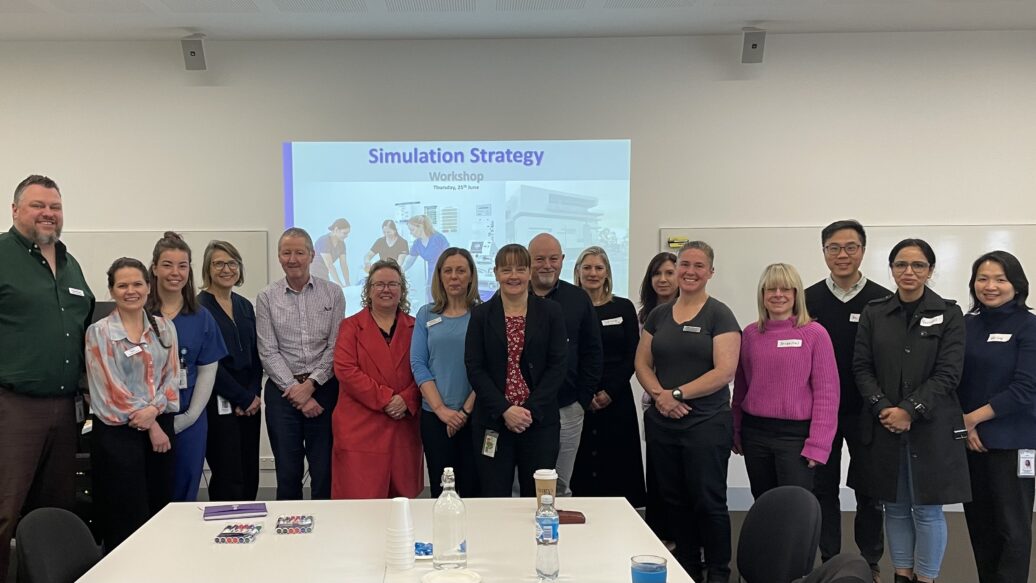
    Recognising the significance of these technological advancements, a recent strategy workshop was held at the Northern Centre for Health Education & Research (NCHER) to explore the future of simulation in healthcare education.

    The workshop brought together 16 leaders and educators from Northern Health, La Trobe University and the University of Melbourne. The aim was to chart a strategic course for the next three years, focusing on priorities and opportunities for collaboration in simulation-based learning.

    In late 2022, an asset management fund was established across the NCHER partnership, which will be instrumental in realising the strategic directions set during the workshop. This fund will provide the necessary resources to invest in the innovative approaches discussed, ensuring the partnership can capitalise on emerging technologies in simulation-based education. Additionally, ongoing efforts are being made to create opportunities for collaborative decision-making, helping to sustain the momentum generated by the workshop and drive continuous progress in the field.

    Peter Brack, Director of NCHER Operations and Partnership, facilitated the highly interactive session.

    He remarked, “The session was incredibly well-attended, and it was inspiring to witness the participants’ passion for advancing simulation. The outcomes of this workshop will guide our resource allocation and future investments. There are some truly exciting technologies on the horizon that have the potential to reshape simulation-based training. We also uncovered a strong desire for ongoing collaboration across education and research which was really positive.”

    Divisional Director of Education & Training, Tony McGillion, remarked that this well-facilitated brainstorming workshop was a great example of what can be achieved through partnerships and is one of the reasons the Northern Health Education & Training Governance model is the envy of many other health services.

    Participants shared positive feedback on the session, with Eloise Williams, NCHER Simulation Manager, who noted, “It was great to find out the direction that everyone wants to take with simulation. Now we can prioritise and make some plans to move forward.”

    Featured image: Participants from Northern Health, La Trobe University and the University of Melbourne