• Minister for Health opens new ICU

    Minister for Health opens new ICU

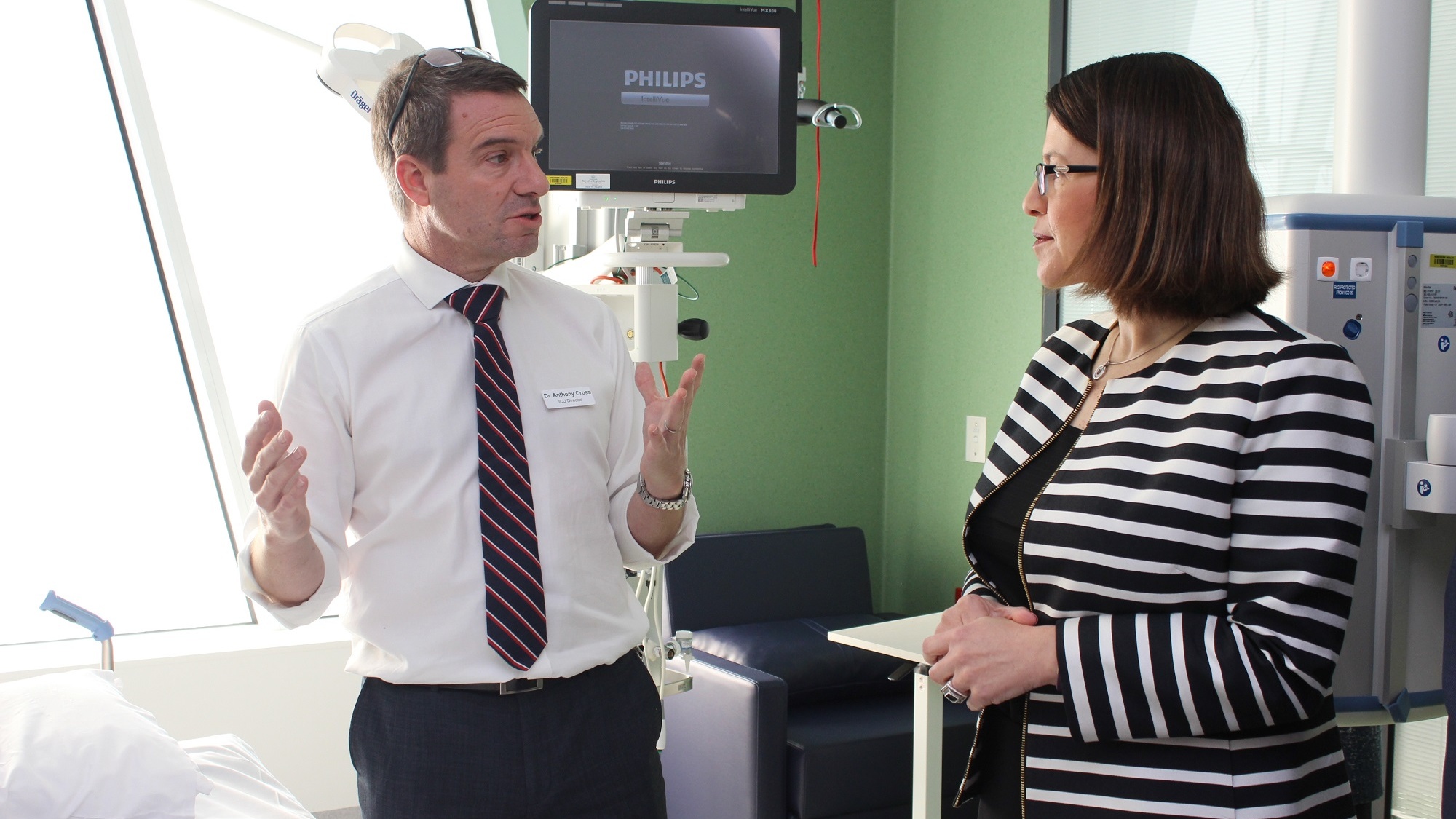
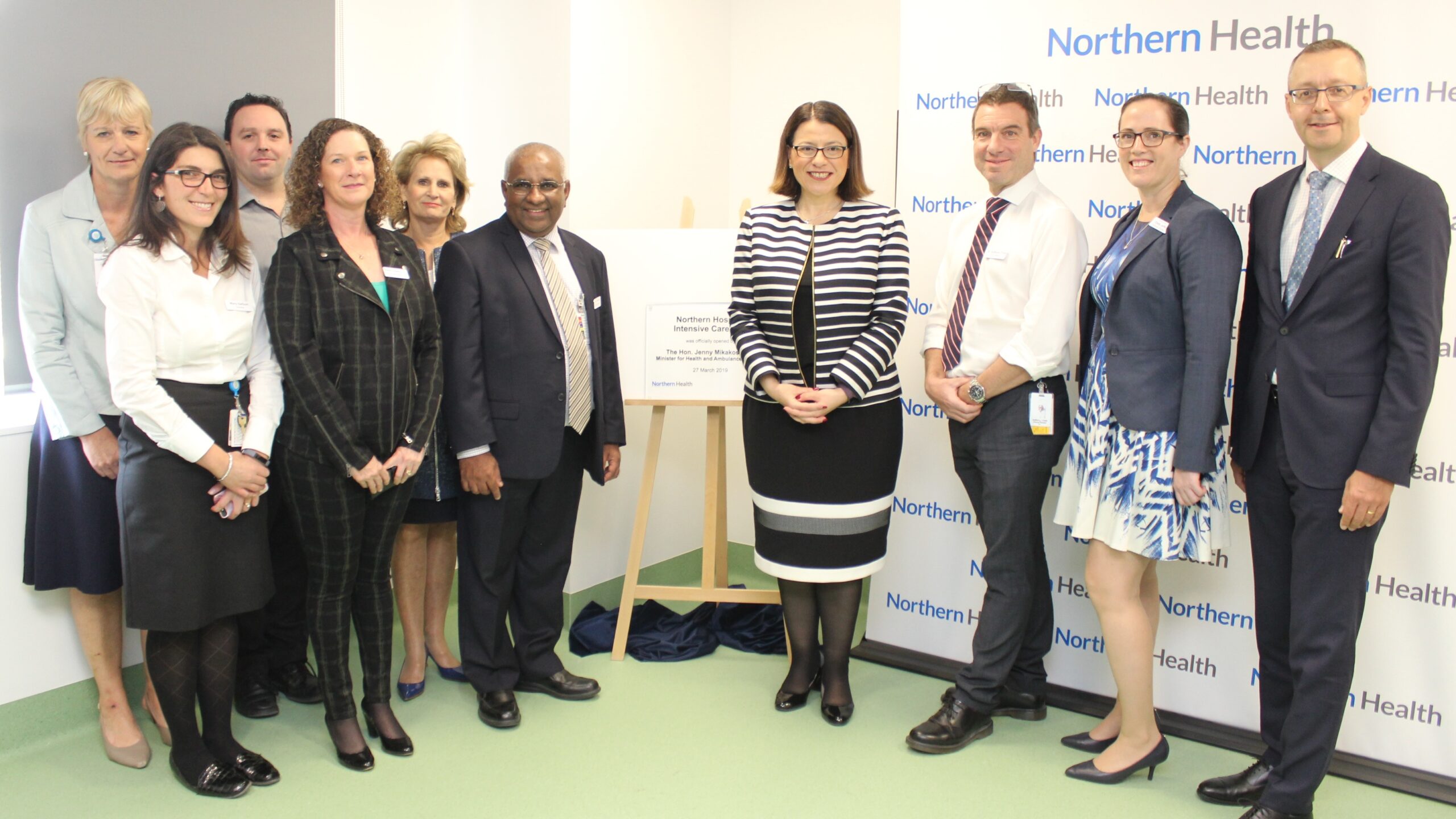
    This morning, the Minister for Health and Ambulance Services, The Hon. Jenny Mikakos, officially opened Northern Hospital’s new Intensive Care Unit (ICU).

    Welcomed by Northern Health Chair Jennifer Williams and Chief Executive Siva Sivarajah, the Minister toured the facilities with local MPs, whilst discussing the benefits the new ICU will bring to the northern community, patients and their families.

    Minister Jenny Mikakos, said, “our hard-working doctors and nurses at Northern Health do an amazing job caring for people who need their help. We’re completing a once-in-a-generation redevelopment so they can do what they do best.”

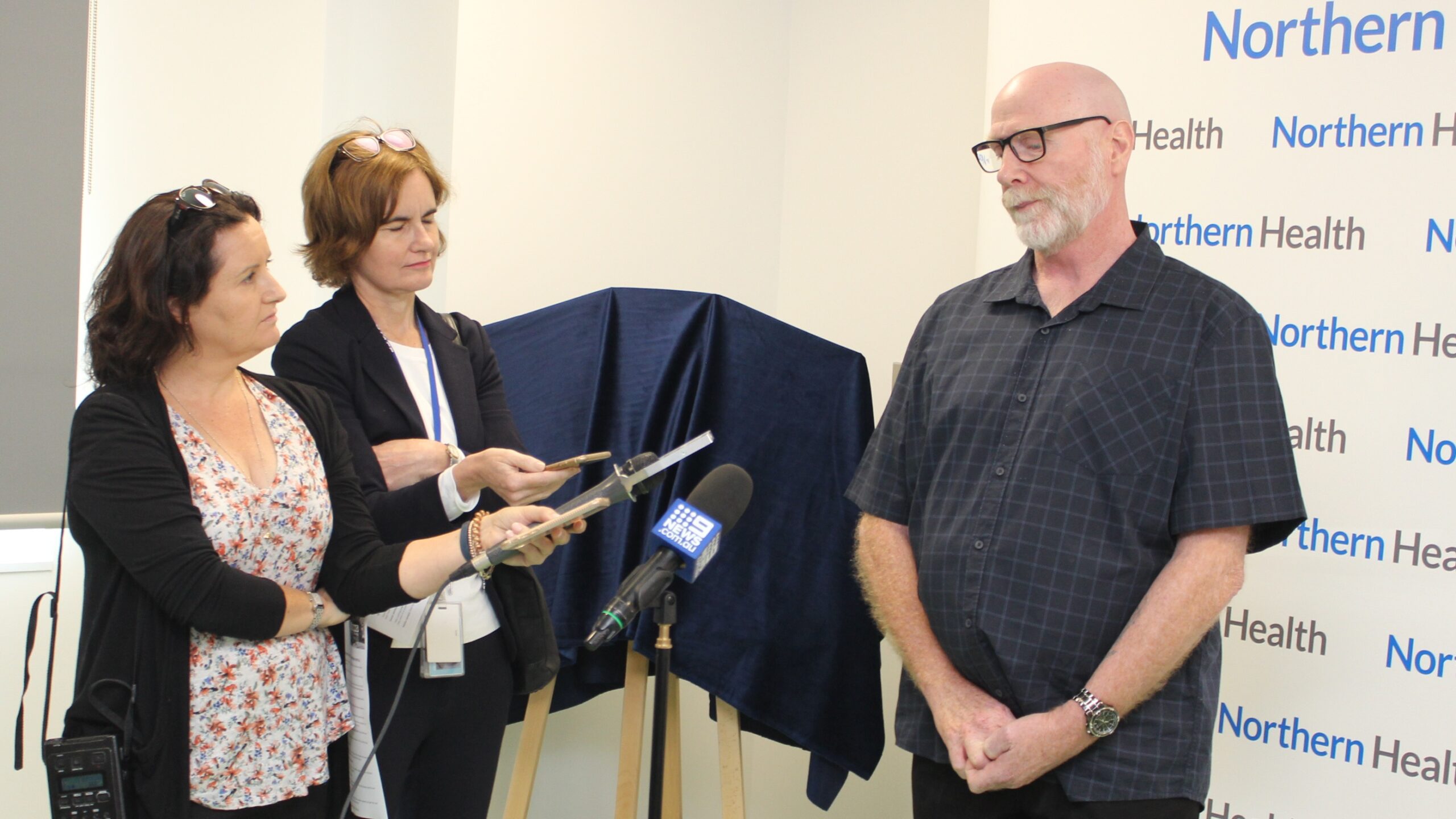
    59 year old former ICU patient, Shaun Carey, attended the opening and couldn’t speak highly enough of the ICU staff and the treatment he received during his many stays in the unit.

    “If it wasn’t for the staff, I wouldn’t be here,” he said.

    “During my journey, I spent more months’ in hospital than at home. The doctors and nurses in ICU were amazing – very helpful and caring not only for me, but for my family as well.”

    “Both myself and my wife couldn’t be any more thankful for all the care we have been given – they are the best and surely made our journey a lot easier.”

    The Hon. Jenny Mikakos added, “for Shaun to speak so positively about the empathy, care and compassion he received from the staff, is really a credit to everyone here. It’s fantastic to see Shaun here today – a picture of good health.”

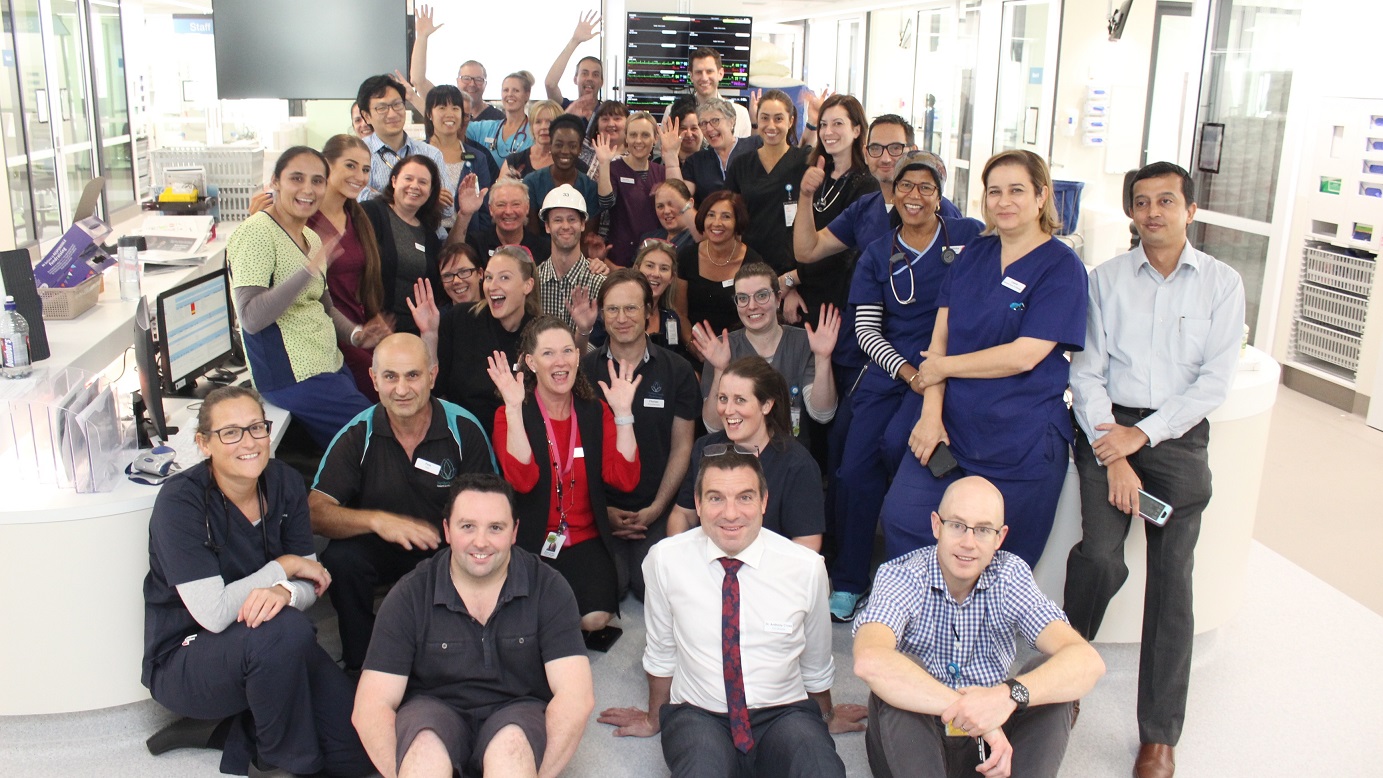
    Northern Health staff with Jenny Mikakos


    Former ICU Patient, Shaun Carey, speaking about his experiences
  • New Intensive Care opens

    New Intensive Care opens

    Today, our new Ward 17 (ICU) opens at Northern Hospital, with the ICU team moving into the space from 8.30 am this morning.

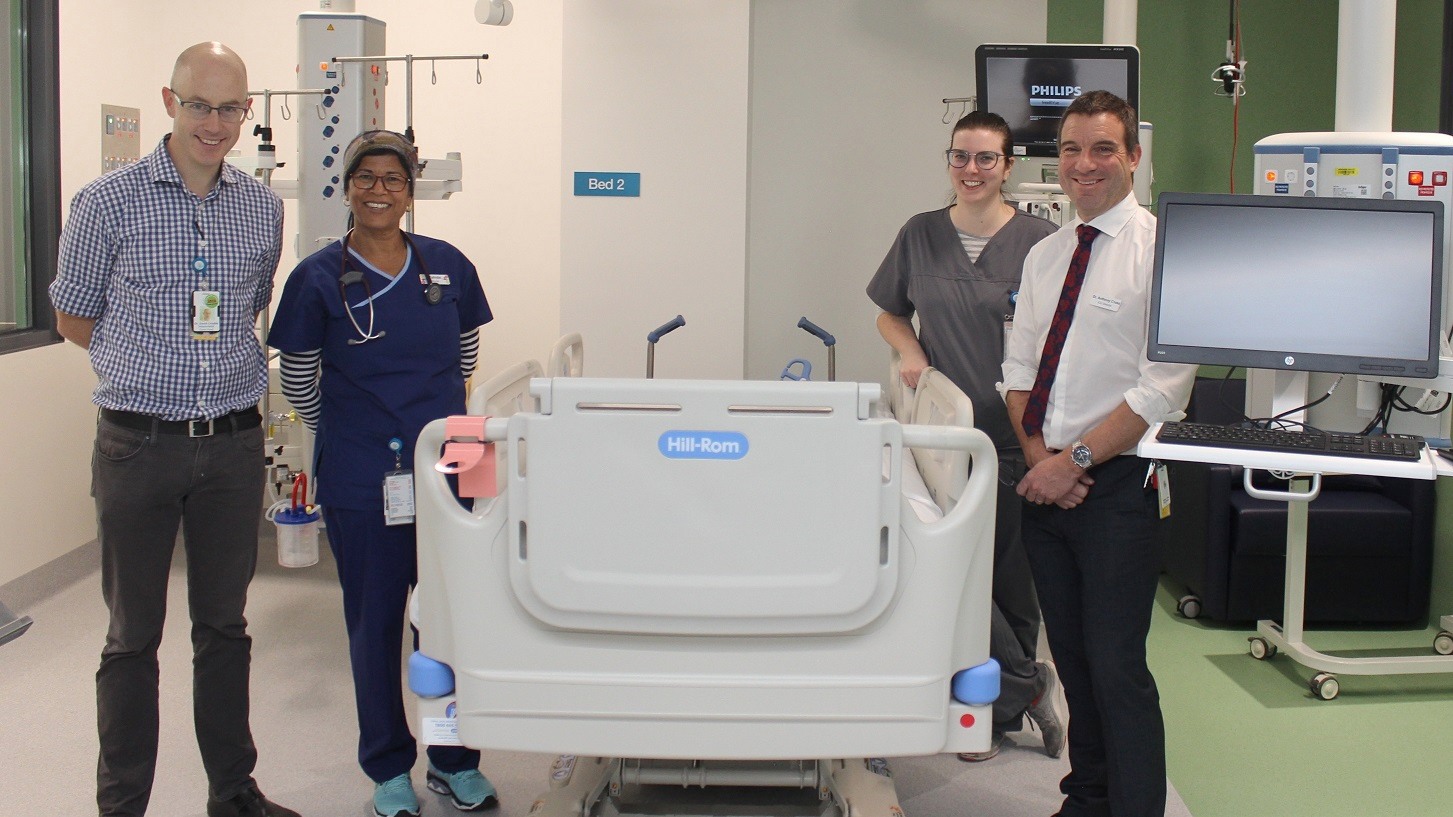
    The new state of the art ICU includes 18 intensive care beds and three dedicated paediatric bays.

    The space hosts latest patient information and entertainment screens, central monitoring, negative and positive pressure isolation rooms and switchable privacy window films.

    From today, the old ICU space will be renamed Ward 15.

    Dr Anthony Cross, ICU Director, said the move went smoothly due to extensive and detailed planning and preparation.

    “It has been a massive involvement of people to make this happen. Our nursing staff have had numerous days of preparation, and this has been a good day and a great team exercise,” he said.

    Northern Health Chief Executive, Siva Sivarajah, thanked staff for such a smooth transition.

    “I’d like to thank all staff who were involved in the ICU move today, from the planning and operational readiness teams to the ICU staff who moved the patients safely.”

    Tomorrow, the Minister for Health and Ambulance Services, Jenny Mikakos, will officially open the new unit.

    The new ICU is the first stage of the $162.7 million Northern Hospital Stage 2 Expansion Project, which will provide a seven-storey tower including an additional 96 inpatient beds, three new operating theatres and provision for a rooftop helipad in the future.

    The expansion will allow for an additional 10,000 patients to be treated every year, and extra space has been earmarked for future expansions of cardiology services, catheter labs and medical imaging.

  • Diabetes team wins two awards

    Diabetes team wins two awards

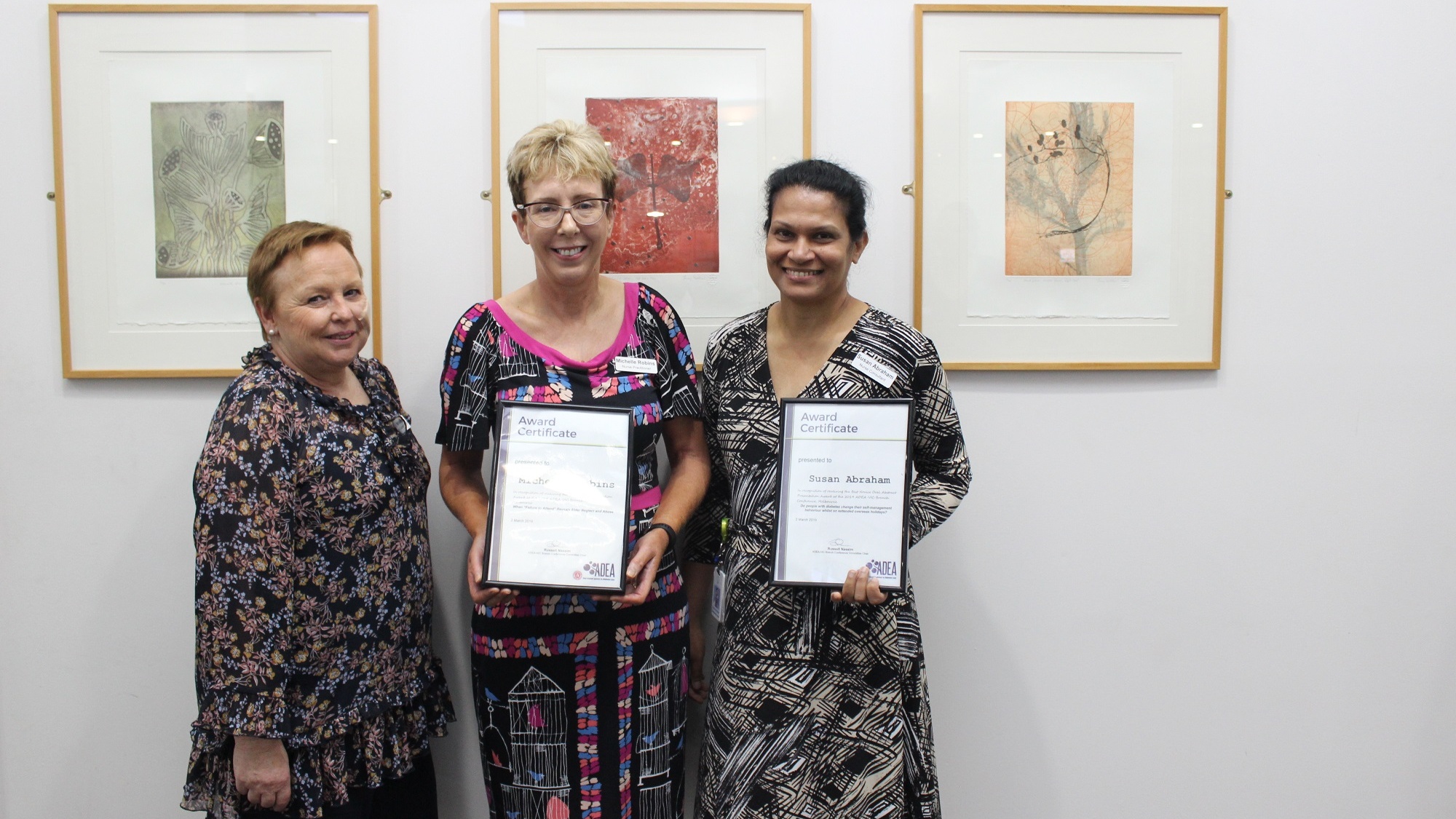
    In front of 250 attendants, the Northern Health Ambulatory Diabetes team received two awards at the Australian Diabetes Educators (ADEA) conference, recently held in Albert Park.

    Diabetes Nurse Educator, Susan Abraham, won the award for ‘Best Novice Oral Abstract Presentation’ on her project titled ‘Do people with diabetes change their self-management behaviours whilst on extended overseas holidays?’

    The motivation for the project came from patients of different cultural backgrounds visiting the hospital. The diabetes team were unsure whether these patients were managing their diabetes properly when they were travelling overseas for holidays or family visits.

    “It was interesting to see whether their diabetes would get worse once they went on holidays and what their results would be once they returned. What we found is their results were almost the same, which was good to know, as we needed to find out if they would be ignoring the condition under different circumstances,” she added.

    Susan says it feels great to get this kind of appreciation from your colleagues and sees research as a way to improve diabetes services.

    Her colleague, Diabetes Nurse Practitioner, Michelle Robins, won the ‘Best Poster Presentation’ award on her case study with Michelle Brooks, Care Coordinator, themed ‘When failure to attend reveals elder neglect and abuse’.

    “The whole purpose of presenting this poster was to highlight the social determinants of health and how things that are not right at home can impact a person’s health,” Michelle Robins said.

    Michelle also added that it’s important to look beyond pathology results and to actually dig deeper into a person’s life and their circumstances, as this has a major impact on the health of patients.

    “The actual circumstances of the patient in the study motivated me to research further. I think it’s important to highlight the under-reported and under-recognised issue of elder abuse. My colleague, Michelle Brooks, was able to bring all parts together. With her help, our patient, who was the inspiration for the study, managed to get his diabetes under control,” she said.

    Michelle Brooks added that it wasn’t just them helping the patient, it was the whole team working with the community, with a strong team focus on great patient outcomes.

    Ambulatory Care Diabetes Coordinator, Catarina Hart, said this is the fourth year the Ambulatory Diabetes team have received a presentation award at the Australian Diabetes Educators Conference.

    “I am incredibly proud of our achievements and we have a great team of dedicated diabetes educators who are committed to ongoing quality improvement and research activities,” she said.

  • Close the Gap: Our health, our voice, our choice

    Close the Gap: Our health, our voice, our choice

    Did you know that Australia’s Indigenous people on average, die 10 to 17 years earlier than other Australians?

    The Close the Gap campaign aims to close the health and life expectancy gap between Aboriginal and Torres Strait Islander peoples and non-Indigenous Australians within a generation.

    The Close the Gap Campaign 2019 report, ‘Our choices, our voices‘, identifies three priority themes to boost progress in meeting the Closing the Gap targets. These are, targeted and needs-based primary healthcare, a responsive healthcare system and good housing for good health.

    The Northern Health Aboriginal Healthcare policy, focusses on six key priority areas of Koolin Balit: Victorian Government’s strategic directions for Aboriginal health 2012-2022 – a healthy start to life; a healthy childhood; a healthy transition to adulthood; caring for older people; addressing risk factors and managing illness better with effective health services.

    Northern Health’s Koori Maternity Service, which provide accessible and culturally appropriate pregnancy care for Koori families in the north, was awarded the Minister for Health’s Award in 2017 for Improving Indigenous Health – Closing the Gap.

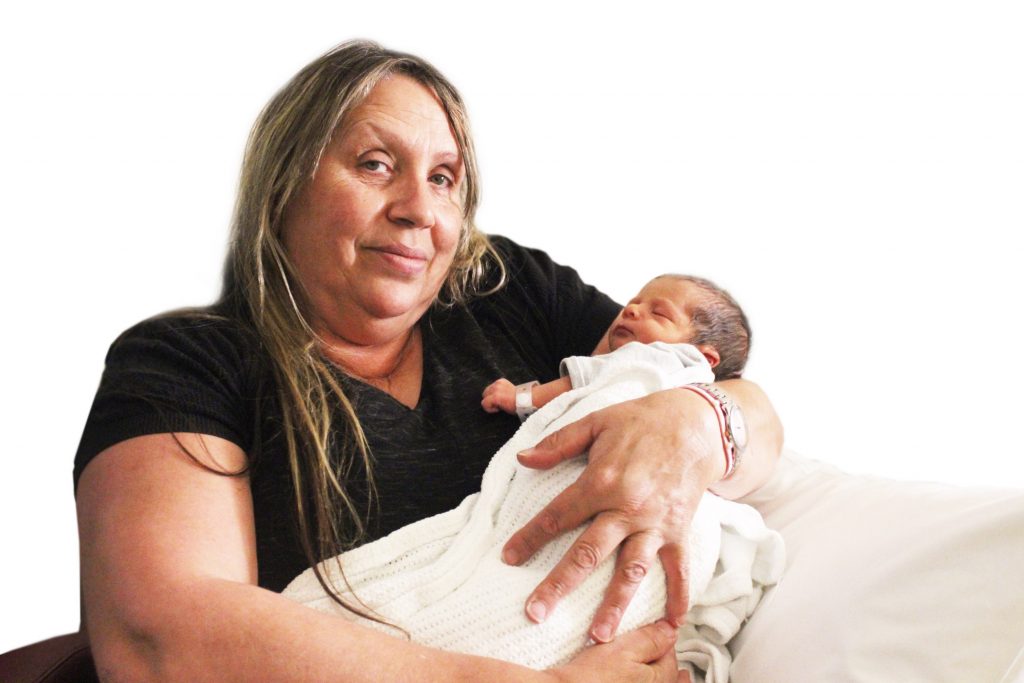
    The Koori Cuddling Program launched last year as part of this service, pairs babies from families unable to be with their baby, with an aunt or guardian figure from the Aboriginal community.

    Koori Cuddler & Gunditjmara woman, Donna Wright

    “The program, which is probably the first of its kind in Victoria, offers a culturally safe space for Koori mums, respecting their customs and traditions and, in turn, provides the comfort and reassurance they need at this critical stage of motherhood,” says Aboriginal Health Worker, Jo Quinn, who runs the Koori Maternity Service Program.

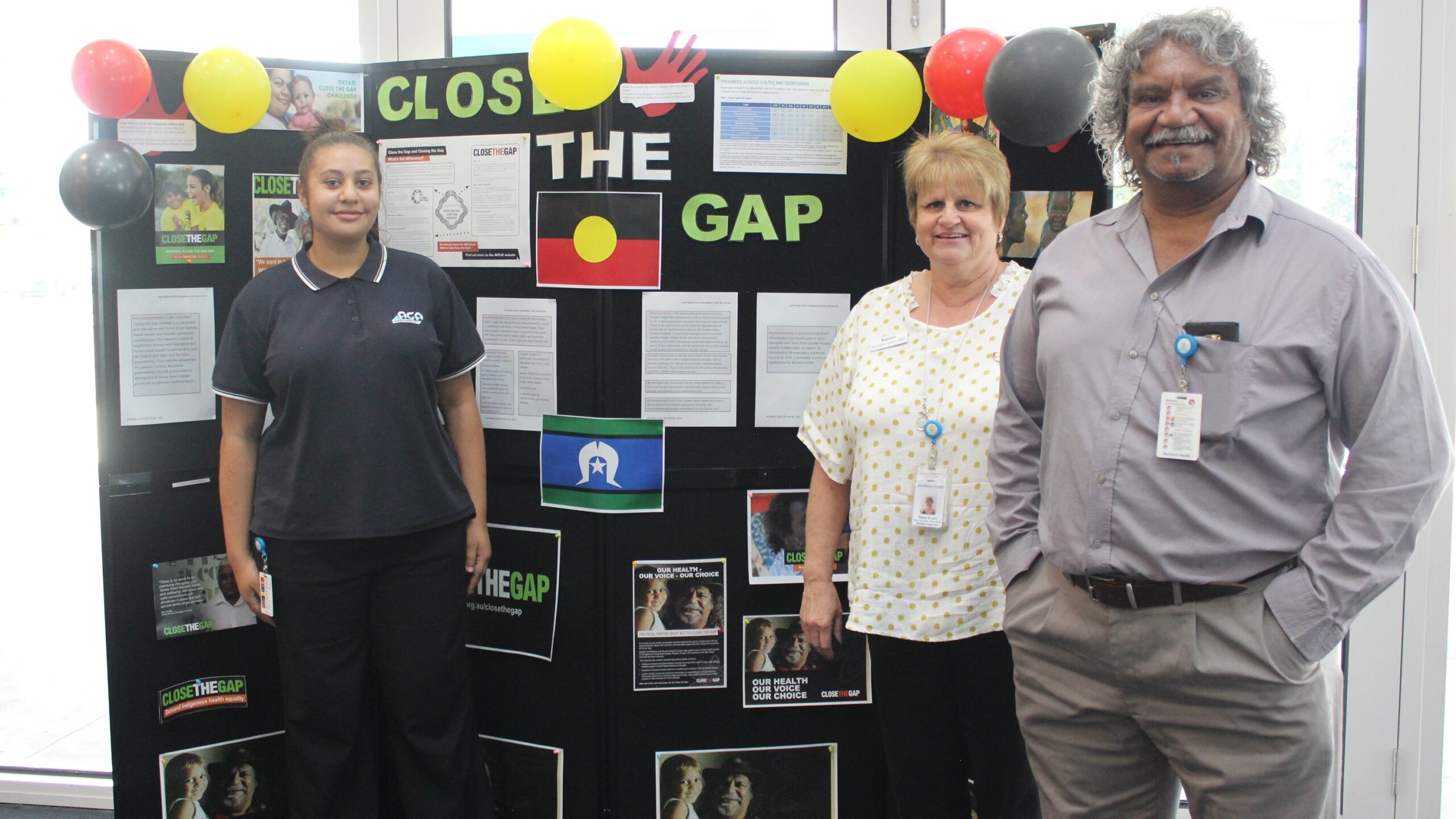
    Karen Bryant, Senior Aboriginal Liaison Officer, believes Indigenous people have the right to self-determination and full participation in decision making about issues that affect us.

    “We must celebrate the achievements in our community, but also continue to look at improving the health and well-being of our people, particularly in the acute health setting, with Indigenous involvement designing better services, which will impact on improved outcomes for our mob!” Karen says.

  • Harmony Week: Everyone Belongs

    Harmony Week: Everyone Belongs

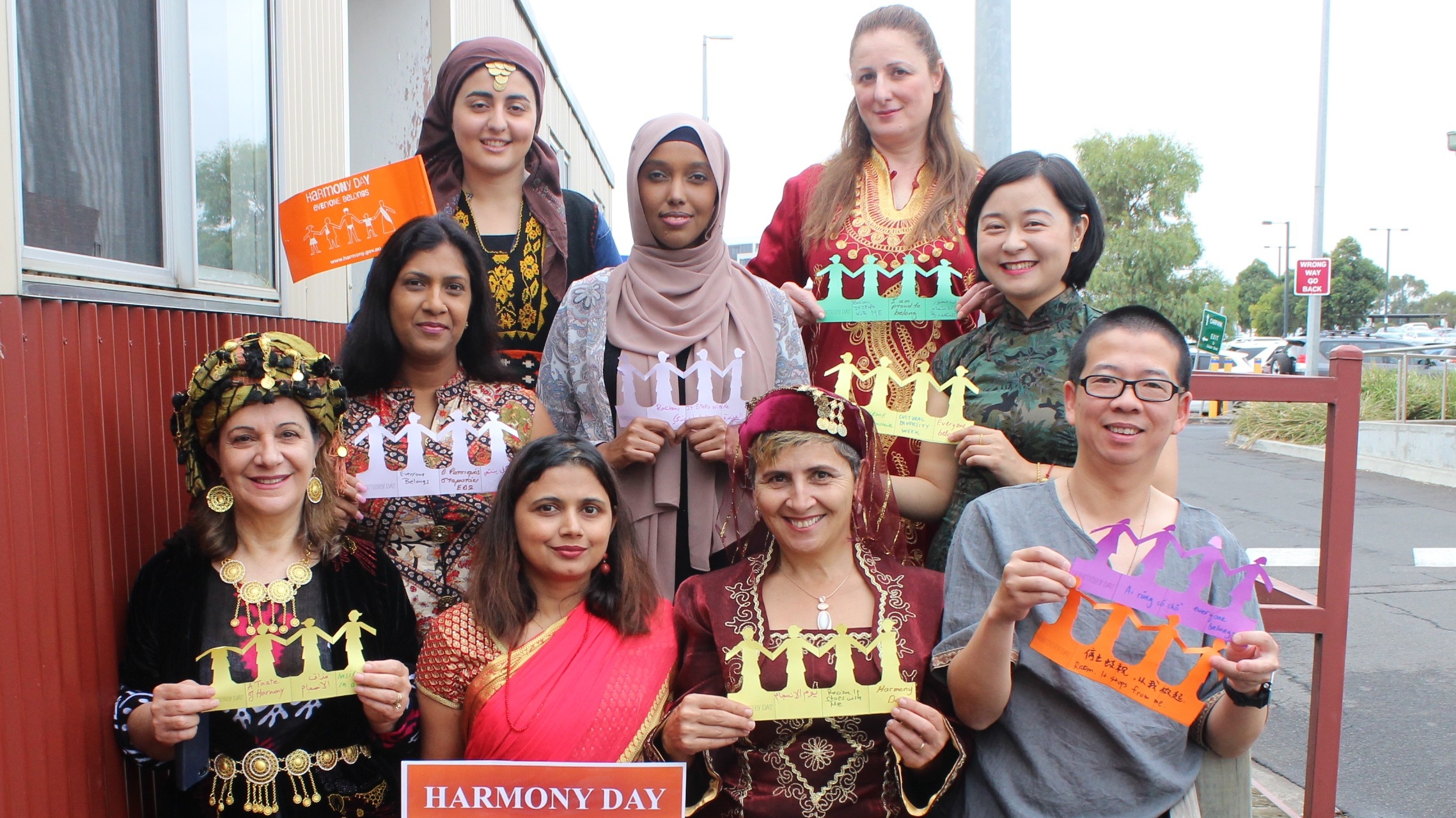
    Harmony Week is about inclusiveness, respect and belonging for all Australians, regardless of cultural or linguistic background.

    Today, almost half of Victorians were either born overseas or have at least one parent who was born overseas.

    Here in the North, our patients were born in 184 countries, speak 106 languages and follow 90 religions and beliefs.

    Our Northern Health staff were born in 44 different countries and over 30 percent speak a language other than English at home, with over 50 different languages spoken.

    Harmony Week is an opportunity to reflect on what gives us all a sense of belonging in our multicultural community. Here’s what our staff had to say:

    “Harmony presents a balance of Yin and Yang.” – Yue Hue, Cultural Liaison Officer

    “Harmony to me means feeling safe, happy, and being able to get along with others no matter where they come from or what their background is. We are each unique and beautiful, but together we are a masterpiece!” – Stefania Zen, Cultural Liaison Officer

    “Harmony means acknowledging the First Peoples Nation of Australia and being inclusive and welcoming to all other cultures to our beautiful land.” – Karen Bryant, Senior Aboriginal Liaison Officer

    “Active, mutual, non-paternalistic acceptance, co-existence, cooperation and representation, in all aspects of a society’s and a country’s life, of culturally diverse people.” – Kostas Karamarkos, Greek Interpreter

    “Harmony means being together with a good heart.” – Atira Marcus, Booking Officer

    “Harmony is recognising and accepting that there is no ‘us and them’, but only ‘us’.” – Emiliano Zucchi, Transcultural And Language Services (TALS) and Aboriginal Support Unit Manager

    Our TALS team currently have 43 in-house interpreters, covering 17 languages; Arabic, Turkish, Italian, Assyrian, Greek, Macedonian, Vietnamese, Chaldean, Persian, Punjabi, Mandarin, Nepali, Croatian, Serbian, Cantonese, Urdu, and Hindi, and provides over 70,000 occasions of service per year.

  • Get to know: Q&A with Evelyne Kollaras

    Get to know: Q&A with Evelyne Kollaras

    In this week’s Get to know: Q&A with… we catch up with People & Culture Recruitment Coordinator, Evelyne Kollaras.

    What is your coffee order?

    Soy latte.

    Can you tell us a bit about your Northern Health journey? 

    I started at Northern about two and a half years ago whilst I was still completing my HR degree. I was absolutely stoked to get my foot in the door as a HR Advisor, as I’d had a few questionable jobs – Red Rooster cashier, filing clerk, switchboard operator, the works! I’ve since moved into a Recruitment Coordinator position and absolutely love it.

    What do you love most about your role?

    I really enjoy the interactive nature of the job. I am a social person and have found that working within the recruitment function of HR is always a positive experience. Whether it’s coaching staff with the recruitment process or assisting an employee with their on-boarding, I’ve come to realise the impact that truly enjoying a career and workplace has on a person’s life, and being a part of this instils a sense of fulfilment. I also love my team!

    What do you find most challenging about your role? 

    Just the transition from studying – coming from a theoretical background, and then having to apply it into everyday work, it’s really hard to know how and when to apply it. And meeting deadlines, but that’s not too much of a challenge when you work in such an efficient team.

    What are your favourite memories since starting here? 

    When we started specialising within the People and Culture team, it made for a really strong team dynamic and relationship building – it’s been amazing. We do so much together and it’s really lovely. Going to events together as a team, like the Northern Health Annual Dinner, that was a really lovely memory.

    I also remember when I first started – I’m a crazy Carlton supporter – and one day they came here and I got them to sign things and get photos, I had the best day. That was a personal favourite memory.

    I have also really enjoyed sitting in on interviews – to be able to see what talent is coming in and seeing who is right for the organisation.

    What do you like to do after work?

    Sitting behind a desk all day has its drawbacks, so I like to keep fit by playing netball, running, and doing yoga (although I’m not very good). Along with fitness, I love my food, especially sweets – too bad they don’t go hand in hand.

    What are some things people don’t know about you?

    I actually love spending time outdoors and go on hikes whenever possible. I recently travelled to Tassie and completed a short hike down the southern coast. It was absolutely beautiful and I would recommend everyone give it a go, although it’s not for the faint-hearted. One of my all-time favourite hikes would have to be Roy’s Peak in New Zealand. The view was spectacular and the trip to McDonald’s afterwards was well deserved.

    I also participate in running events and am currently training for my second half marathon in May. I hate to admit it, but Shiraz (from Northern Pathology Victoria) is actually a lot quicker than me, but hoping I’ll be able to take the win this time around. Watch this space.

    How would you describe Northern Health in one sentence?

    A thriving health service working for the community.

    Who would you nominate next for a staff profile?

    I’d like to nominate Josh Wallace from Medical Workforce Unit. Josh is amazing at what he does and I’d love to hear his spiel!


  • Celebrating World Social Work Day

    Celebrating World Social Work Day

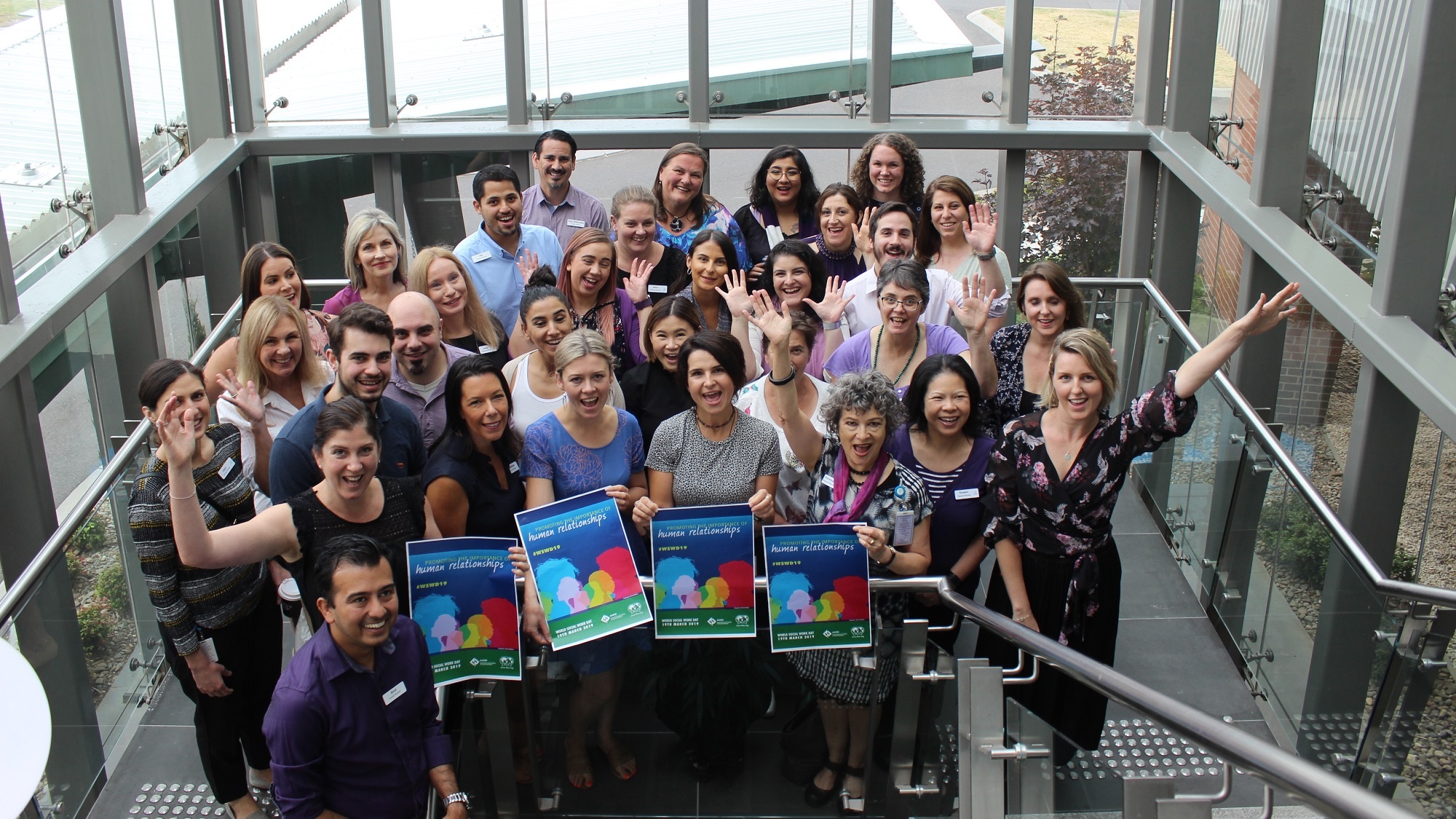
    Today we celebrate social workers’ contribution to making a difference to people’s lives, respecting their dignity and rights.

    This is also an opportunity to recognise the contribution social workers make world-wide, and to acknowledge the great work and achievements of our social workers across Northern Health.

    Associate Director Allied Health, Penelope Vye, said the theme of World Social Work Day 2019 is ‘Promoting the Importance of Human Relationships’.

    “Given the recent horrific event in New Zealand, it is a very timely day to reflect on the importance and power of building positive relationships. It is also a day to acknowledge the power of working together to create a world where justice prevails, where equality and human rights are acknowledged and celebrated, and where diversity is recognised as part of being human and is highly valued,” she said.

    Social workers are an integral part of our patient care at Northern Health, providing support to patients, their families and carers.

    Since the last World Social Work Day, the team of 53 social workers has seen 36,938 patients, helping them with a range of services such as facilitating safe and appropriate discharges, providing advocacy on behalf of patients to address social issues impacting on their health and well being, support with psycho social issues, resources and referrals, and crisis interventions.

  • Think before you cannulate

    Think before you cannulate

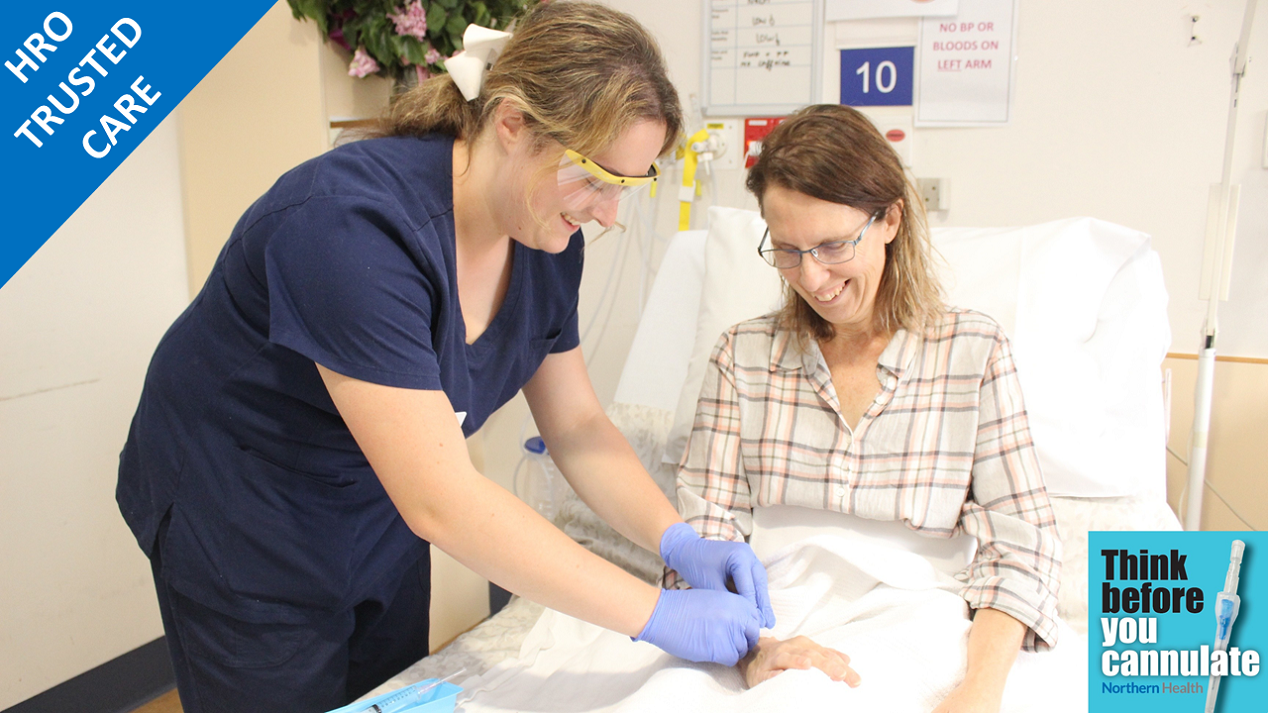
    Every year in hospitals the size of Northern Health, there are about 8-10 cases of staphylococcus bacteraemia mostly related to intravenous cannulas. These infections can result in death, but most are preventable.

    Northern Health is looking to improve how we care for patients with Peripheral Intravenous Cannulas (PIVCs). During the Safe Practice Forum on Wednesday 20 March, staff will be able to hear more about safe cannulation practices and patient case studies, as well as hear about Northern Health’s new cannulation policy, now available on Prompt (click here to download).

    Clare McCarthy, Project Manager, said the three-day focus on cannulation safety is the lead up to an organisation-wide ‘Week of Cannulation Safety’.

    “This will occur towards mid-2019, culminating in a re-audit and further education sessions. The week will be organised by front line clinicians to enable and embed local ownership of the campaign,” she said.

    The focus on Peripheral Intravenous Cannulation (PIVC) during these three days aims to raise awareness of the risk PIVCs carry in our emergency department and wards, and aims to prevent infection, improve patient safety and reduce the usage of cannulas.

    Whilst mainly safe, PIVCs come with the risk of complications. Following all the necessary procedures for the insertion and care of PIVCs is crucial, as they can provide a direct portal of entry for microorganisms and result in bacteraemia, the most common being staphylococcus aureus bacteraemia (SAB).

    Northern Health’s focus on patient safety and high reliability has led to revising the old cannulation policy and establishing a new one, which is formed on evidence-based practice.

    With the new policy, nursing staff are supported by Northern Health and executive team to remove the PIVC if an ongoing need is not documented – such as ongoing medications, fluids or documented plans for access in the next 12 hours.

    Dr Craig Aboltins, Infection Prevention, said that previously, nurses may not have been empowered to remove unused cannulas, as they felt this is something they need instructions from the doctor.

    “Recent evidence suggests that care for patients with IV cannulas in a hospital like ours can be improved. Part of this program is to empower the nurses to be able to remove intravenous cannulas. If they are not meant to be used in the next 12 hours, and there are no ongoing intravenous medications, the nurses should remove them,” he said.

    Remember – if in doubt, take it out!

    In the emergency department, clinicians will be asked to “think before you cannulate.”

    Avoiding unnecessary cannulas or cannulas put in “just in case” is a simple way to prevent patients from experiencing both the risk of severe infection and the discomfort associated with a PIVC. A guideline has been developed for use in the emergency department to help advise clinicians which patients should and should not have cannulas.

    To hear more from Dr Aboltins about the correct cannulation procedures, patient safety and recent evidence findings, as well as to see a demonstration, please watch the video below.