• Improving critical care

    Improving critical care

    Standard 8 – Recognising and Responding to Acute Deterioration aims to ensure that a person’s acute deterioration is recognised promptly and appropriate action is taken. Acute deterioration includes physiological changes, as well as acute changes in cognition and mental state.

    Elise Sutton, Clinical Deterioration and Resuscitation Coordinator, is one of the leads on the Standard 8 Committee and works on numerous Standard 8-related projects, as well as on the education around this Standard.

    “Some of the projects implemented include the ‘Allergy and Anaphylaxis’ project, where we identified there was no allergy and anaphylaxis procedure, so we developed an online learning module and a face to face component. We also gave authority to nurses to initiate adrenaline in the event of anaphylaxis, if they have done this learning package,” she explained.

    Another project Elise is proud of is moving pre-METs to Medtasker.

    “Prior to this, pre-METs were activated by dialing 444 which went through the switchboard. The switch gets around 3,000 calls in codes every month, and half of those were pre-METs. We have moved pre-METs to Medtasker and that has been going for a month now,” Elise said.

    “Some of the really good things about this change is that we can actually track the reasons why the pre-METs are being called, while previously we had no information on that. Now, we know that one third of those calls are blood sugar related and we can now identify where the calls are coming from and what is the reason. For example, if we notice our surgical wards are having a lot of pre-METs for blood sugar, we can target our education towards that area,” she explained.

    Previously, with pagers, the team wasn’t able to see if the pre-MET message was getting through. Now, with Medtasker, the team can see if the message has been delivered.

    “It could happen that the pager has gone flat or missing and we wouldn’t know that pager was not staffed. Now, if you try to activate a pre-MET and there is no one logged on, we can see straight away and escalate. Rather than having a 30 minute delay due to no response, now we can escalate to a MET call if needed. Ultimately, this is reducing the delay in time to treatment,” Elise explained.

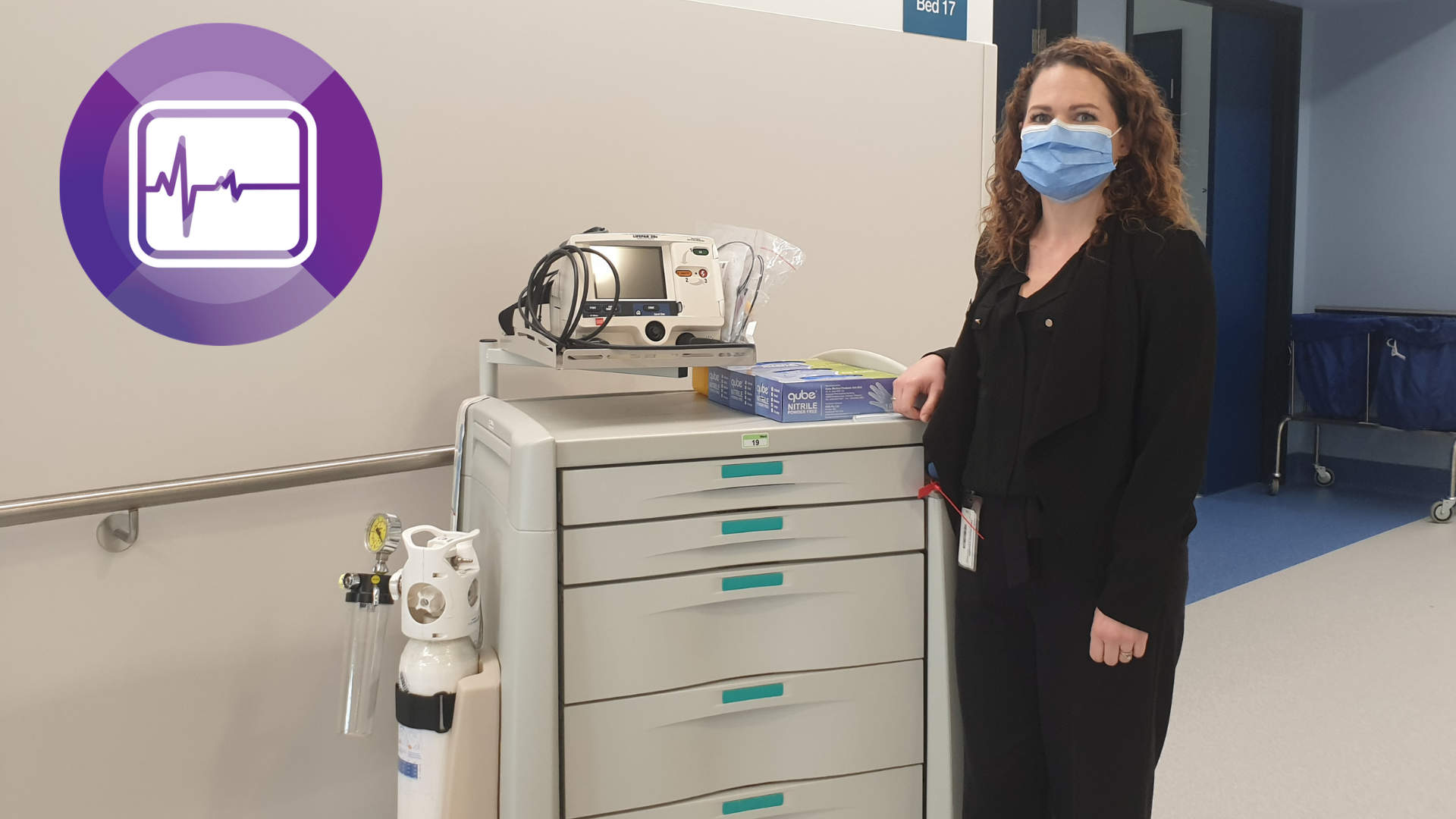
    Another organisation-wide initiative and a key improvement was working with the Standard 4 Committee to standardise all the medication in resus trolleys, so all the critical care areas have a standardised layout of the medication in the trolleys, and the same was implemented in general wards.

    “Education is another key improvement. We found ways to utilise virtual resources and adjust our sessions, via Microsoft Teams and LMS. We now have a Clinical Deterioration and Resuscitation Learning Hub, so there is one centralised location with all the resources around resuscitation,” Elise said.

    Over the last 12 months, a new fleet of defibrillators was rolled out across the health service, standardising these devices across Northern Health.

    “Previously, we had several brands. Now, they are standardised and meet the Australian Resuscitation Council guidelines, as they have the ability to escalate joules to 360 if required. The Northern Health Foundation donated money to purchase the new fleet of defibrillators,” Elise said.

    Featured image: Elise Sutton with the new green trolley and new defibrillator
  • Karen Bryant’s new honour

    Karen Bryant’s new honour

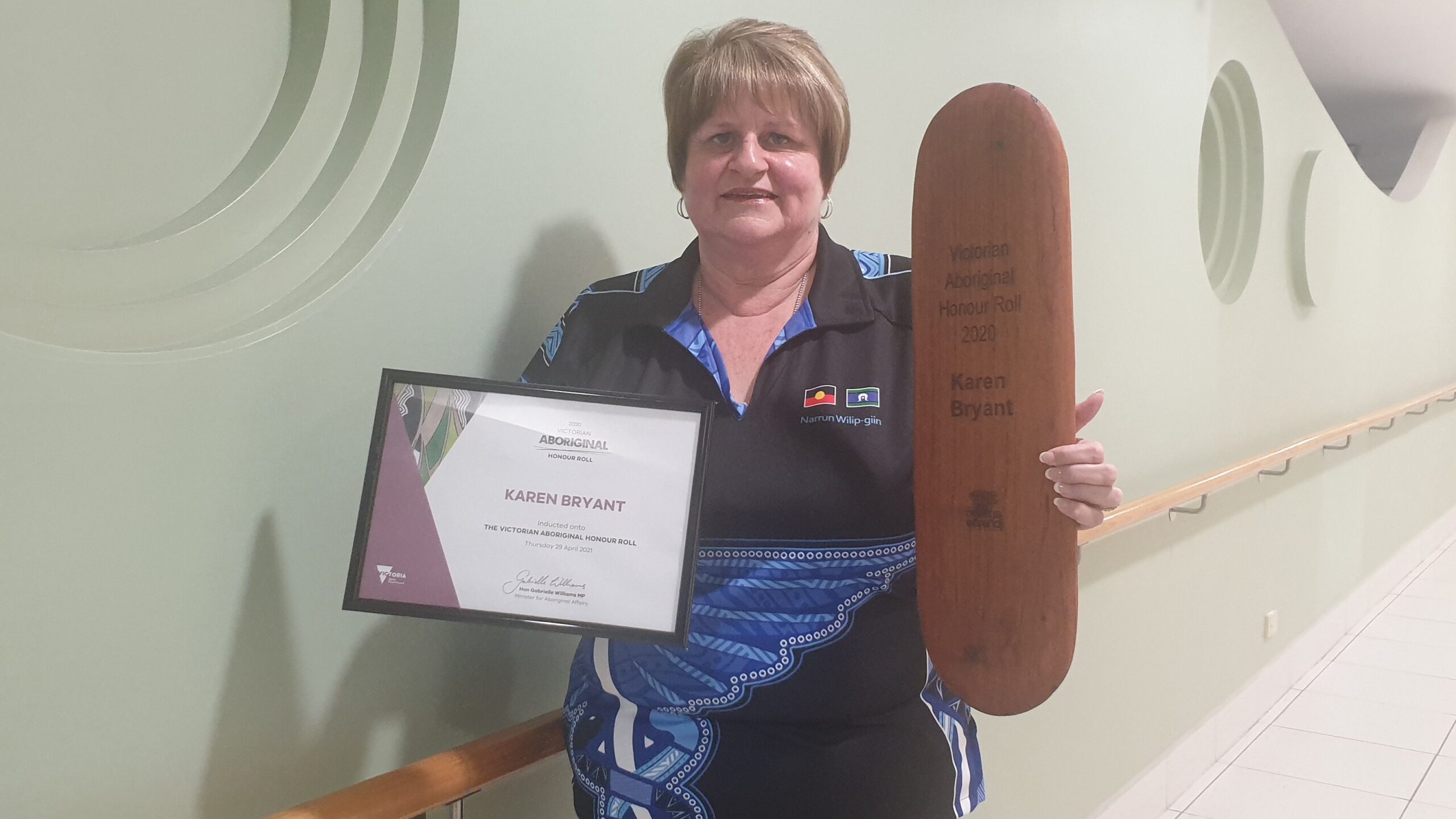
    Our Senior Aboriginal Liaison Officer Karen Bryant has been inducted into the Victorian Aboriginal Honour Roll.

    The honour roll celebrates and recognises the achievements of Aboriginal Victorians, both past and present, who have made a profound contribution to their community and the state.

    “I am very happy to be acknowledged in this way. I am feeling very honoured to be among the 12 other inductees and to hear their stories is a beautiful and humbling experience,” Karen said.

    Karen has worked at Northern Health for 14 years and says she has seen the organisation and Aboriginal services at Northern Health expand over the years.

    “We have two great programs operating. The Koori Maternity Program looks after Aboriginal women and their spouses who are having ‘boorai’s (babies). The program has two midwives and an Aboriginal Health Worker. The program works with Aboriginal women in the antenatal phase, at birth and at post-delivery,” she said.

    “The Aboriginal Liaison Officer (ALO) team works with inpatients at the Northern Hospital, Broadmeadows, Craigieburn and Bundoora sites. The ALO role is predominately working with the Aboriginal and Torres Strait Islander patients coming in and we often work with the spouses of Aboriginal families. We have some great changes evolving all the time and many actions coming from the Northern Health Reconciliation Plan.”

    Karen says she is always wanting to improve the education of non-Aboriginal people about culture safety matters and culture awareness, but also educating Aboriginal patients on the importance of the hospital, health services and options on services, clinics and programs within the hospital setting.

    “A lot of our people are getting chronic illnesses quite early on and people are getting multiple chronic illnesses in their 40s or 50s. Many of our people die earlier than the broader community so education is key to many things,” she said.

    “It’s also about educating the staff on how to engage with Aboriginal people. It’s about making that journey better for them or getting them to understand the journey. The hospital is a safe place and we want to encourage Aboriginal people to attend when needed”.

    “We’ve had some great cultural safety exercises happening around the hospital. Northern Health has got Acknowledgement to Country plaques of the traditional owners throughout the hospital and all the other Northern Health sites.

    Since starting at Northern Health, Karen has seen a significant improvement in Aboriginal and Torres Islander people accessing the health service with more outpatients appointments booked in and higher attendances.

    “We have patients coming from country areas because sometimes they don’t have specialist services or a particular discipline in their area. We are are seeing people from areas like Wallan, Broadford and Sunbury, including people coming from Mildura, Echuca and Shepparton,” Karen said.

    Featured image: Karen Bryant 

  • Standard 8: What you need to know

    Standard 8: What you need to know

    In the lead up to organisation wide Accreditation from 24-28 May 2021, each week Northern Health is focusing on a different Standard. You will hear from the Chairs of each Standard Committee on what you need to know.

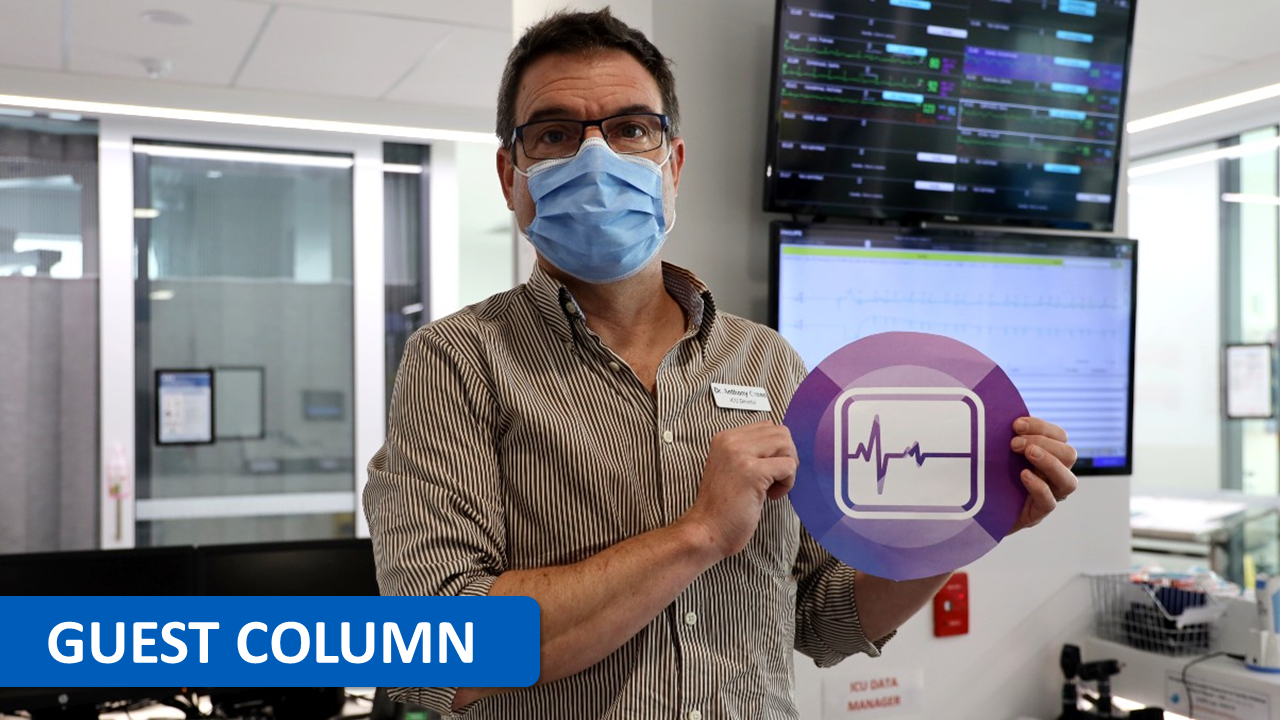
    This week we spoke to Dr Anthony Cross, Head of ICU, about Standard 8: Recognising and Responding to Acute Deterioration

    What is this Standard about?

    Standard 8 aims to ensure that a person’s acute deterioration is recognised quickly and appropriate action and response occurs. Acute deterioration could be physiological changes or changes in cognition and mental state. Recognition of deterioration could be by a clinician, family member, carer, or the patient.

    At Northern Health, this standard looks like….

    • Observation and response charts with a track and trigger systems are utilised to prompt staff of acute deterioration
    • Processes are in place to ensure correct escalation
    • Resuscitation training for staff with direct patient care is mandated to promote patient safety
    • Medical Emergency Teams respond to escalation of acute deterioration
    • Cardiac arrest HAC, MET and Code Blue data is monitored and reported on

    What are the top 5 ways staff can be prepared for Accreditation against this Standard?

    1. Know the process for escalating acute deterioration and where to locate the procedure
    2. Ensure you and your patients are familiar with the REACH escalation process
    3. Know where your resuscitation equipment is kept, how to know it has stocked and equipment is working
    4. Complete the Observation and Response Chart audit and ensure your departments compliance with questions
    5. Ensure you have completed your mandatory online resuscitation module and successfully completed the online assessment

    What are the top 5 questions staff needs to be able to answer about this Standard?

    1. How do you know when to escalate acute deterioration and how do you do this?
    2. If you do not have a response after you have activated an emergency call due to acute deterioration, what is the process to escalate this and ensure timely care is delivered?
    3. What is the process for patients, carers or families to escalate care?
    4. Where is your resuscitation equipment located and how do you know it is available and stocked?
    5. How do you access the resuscitation training?

    Is there anything else you would like staff to know about this Standard?

    Standard 8 is part of your daily work when caring for patients. Ensure you escalate care if your patient falls into PreMET or MET criteria and if you have no response or there is no one logged on to Medtasker, escalate as per the Deteriorating Patient procedure. Always remember to engage your patient and their families in their care, even in an emergency situation and ensure they are aware of the REACH process.

    To learn more about Standard 8, please see the Intranet.

  • Making blood transfusions safe

    Making blood transfusions safe

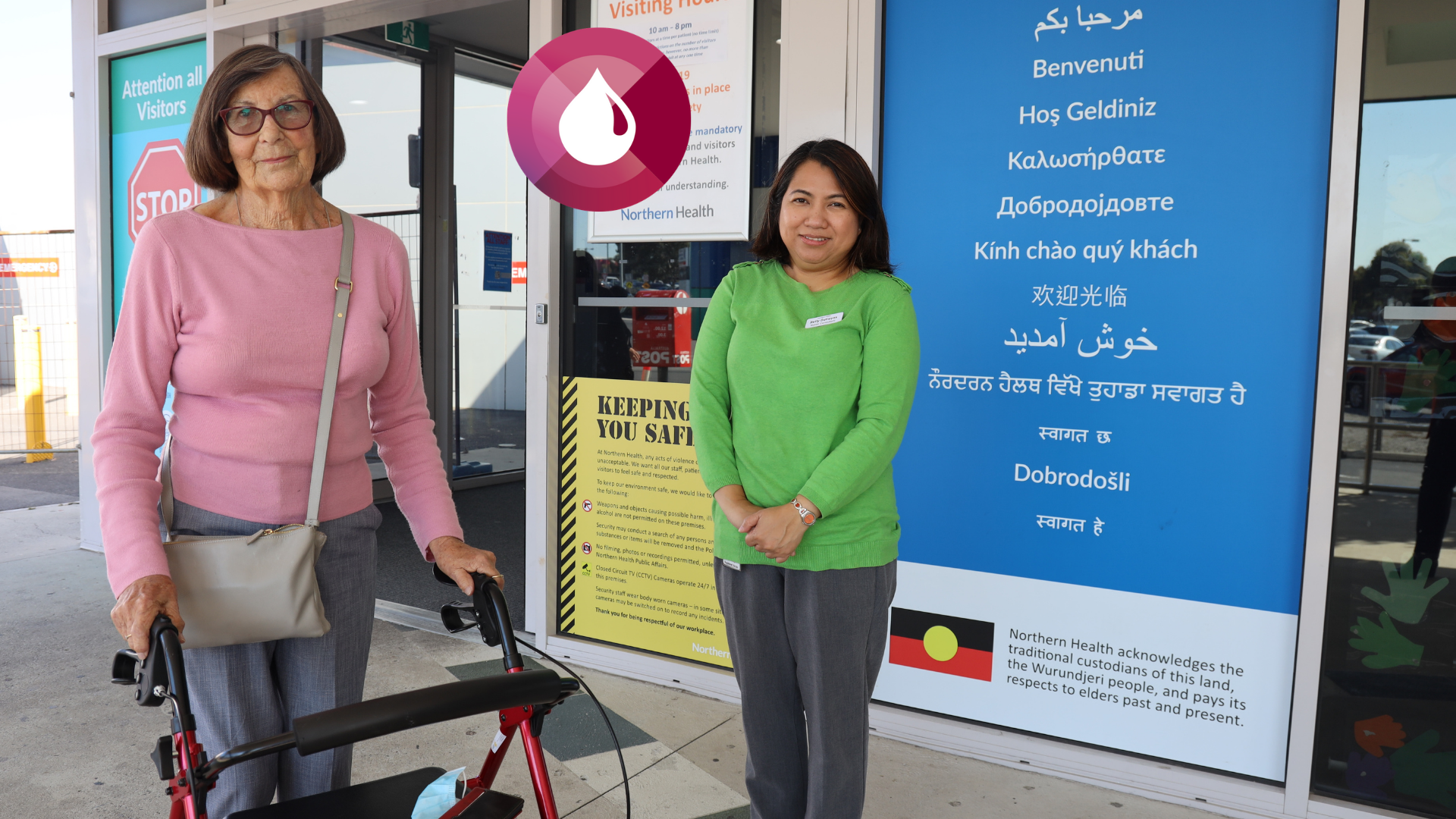
    Janice (Jan) Stevens has been a Northern Health patient for eight years. She came to Northern for the first time when her haematologist suggested participating in clinical trials, and in the meantime has also become our Standard 7 consumer representative.

    Jan has a rare condition, Cold Agglutinin, which is connected to blood cancer. For the last eight years, she has been coming to hospital in various intervals for tests and blood transfusions.

    “There was a period when I had a blood transfusion every Saturday, for 11 months,” she said.

    More than a year ago, Jan joined the Blood Management Committee.

    “I saw a poster in Day Oncology and thought maybe that is something I can do to help the hospital, as they help me so much. Day Oncology staff are absolutely wonderful. I don’t have a science background, but I guess my contribution is around how they represent themselves to patients and communication with patients,” she said.

    “One of the things I remember doing was reviewing a new pamphlet. I helped review the language and ensured patients understood what is written there. It’s all about communication.”

    The Standard 7 Blood Management Committee oversees the transfusion practice and management of blood and blood products at Northern Health. The Committee is there to ensure the transfusion practice is safe and appropriate.

    “Blood is a very precious product and there isn’t an unlimited supply. The Blood Management Committee oversees that we use this resource appropriately, so that we can protect our future generations. If we don’t use it appropriately and wisely, we cannot be assured that the blood will be available for future generations. That is why the committee is ensuring we are not wasting blood, and we are practising safe transfusion,” Betty Dumayas, Transfusion Nurse Consultant explained.

    “Blood comes from other people, and when we give it to someone else, we want to make sure it is safe.”

    To ensure safety, the team uses the Blood Administration Chart, which is one of the most important documents in blood transfusion.

    “It is important that the blood product is traceable. That means when you give it to a patient, we can trace back when it was given and from whom, and in case an infection happens, we can trace it back. This blood chart helps us trace the blood product – it’s called the look back process,” Betty added.

    The chart also contains other relevant information, such as patient consent and similar.

    “We are now using an amended version and implementing improvements was a long process. With the new chart, revised by the committee and Janice, we now have a better, more compliant chart, which conforms with the Standard 7,” Betty said.

    The Blood Management Standard aims to improve outcomes for patients by identifying risks and using strategies that optimise and conserve a patient’s own blood, as well as ensuring that any blood and blood products that patients receive are safe and appropriate.

    Featured image (left to right): Janice (Jan) Stevens and Betty Dumayas

  • Successful move into new wards at Northern Hospital

    Successful move into new wards at Northern Hospital

    This week, new wards at Northern Hospital were opened as part of Stage 2 of the Northern Hospital Expansion. Located in the new Main Ward Block, Wards 19, 20 and 21 were moved into over two days – Tuesday, 4 May and Wednesday, 5 May – and are now operational.

    We spoke to some of the Divisional Directors and Heads of Unit to see how the move went and how their teams are enjoying their new spaces.

    Dennis Gyomber, Divisional Director of Surgery, acknowledged the exceptional work of Ward 19 staff who moved from Ward 13 on Wednesday, led by Nurse Unit Manager, Amanda Palelogos. He also explained the benefits of the new ward.

    “The new ward provides a modern, clean and less cluttered space for the surgical and nursing teams. Most patients will have large private rooms, meaning the surgical teams can now hold conversations that maintain confidentiality, have enough room for family members to be present and finally provide shelter from the noises of a busy ward creating an environment favourable for recovery from surgery,” said Dennis.

    “Ward 18 moved and split into two new wards, Ward 20 and Ward 21. The specialist medical services that Ward 18 previously provided, respiratory and neurology/stroke, are now located on separate wards. This separation of specialist medical services has allowed for an expansion of neurology and stroke services at Northern Health, which now offers facilities for acute stroke/neurology high dependency and specialist electroencephalogram (EEG) monitoring services,” explained Lisa Cox, Divisional Director of Medicine, Subacute and Emergency Services; Emergency Management.

    “Carol Winter (Ward 20) and Nadine Stowell (Ward 21), as Nurse Unit Managers, have completed a vast amount of work to ensure the smooth transition and move, and large amounts of this work was completed during our very challenging 2020 year. The move on Tuesday went seamlessly and was just about complete by mid-morning! They should both be highly commended,” said Lisa.

    “A big thank you to Kathryn Bartho, Lora Davies, Carolyn Downing and Karen Green who also had significant roles with this project, and for the Access Team at Northern Hospital for assistance on move day. Big moves, like this one, makes you feel very proud of your team and support staff, and clearly demonstrates our staff living the Northern Health values,” Lisa added.

    Associate Professor Doug Crompton, Head of Neurology, is thrilled with the new facilities.

    “The opening of Ward 21 gives Northern Health world class facilities for the care of neurology and stroke patients. For the first time, we will have two inpatient rooms for video-EEG (brainwave) monitoring to optimise diagnosis and treatment of epilepsy and related conditions,” he explained.

    “Atrial fibrillation is associated with one in four strokes but is often intermittent and challenging to detect. We now have comprehensive cardiac rhythm monitoring for people presenting with strokes to allow early detection and treatment of atrial fibrillation, enhancing our ability to minimise stroke recurrence,” Doug added.

    Dr Yana Sunderland, Divisional Director of Medicine, also acknowledged the importance of these new facilities.

    “We know that having our patients in the right place makes it easier for our staff to better respond to patient’s care needs and provide timely cohesive high quality care. This makes a difference to our patient’s care experience. The new Respiratory Care Unit and Stroke Unit beds will also allow us to deliver more specialised care in a purpose built environment that better meets the needs of these patients,” Yana said.

    Dr Katharine See, Director of Respiratory Medicine, explained, “The purpose built ward improves the safety of some of our most unwell and vulnerable patients. Every single one of the Respiratory Care Unit beds has been designed with direct line of sight vision from the nurses station, plus state of the art back to base monitoring. Feedback from our patients is that when you’re acutely short of breath, it’s reassuring to be able to see that the nursing and medical staff are monitoring you closely, regardless of whether they’re in the room with you or outside at the staff station. This reassurance helps manage the anxiety of being acutely unwell.”

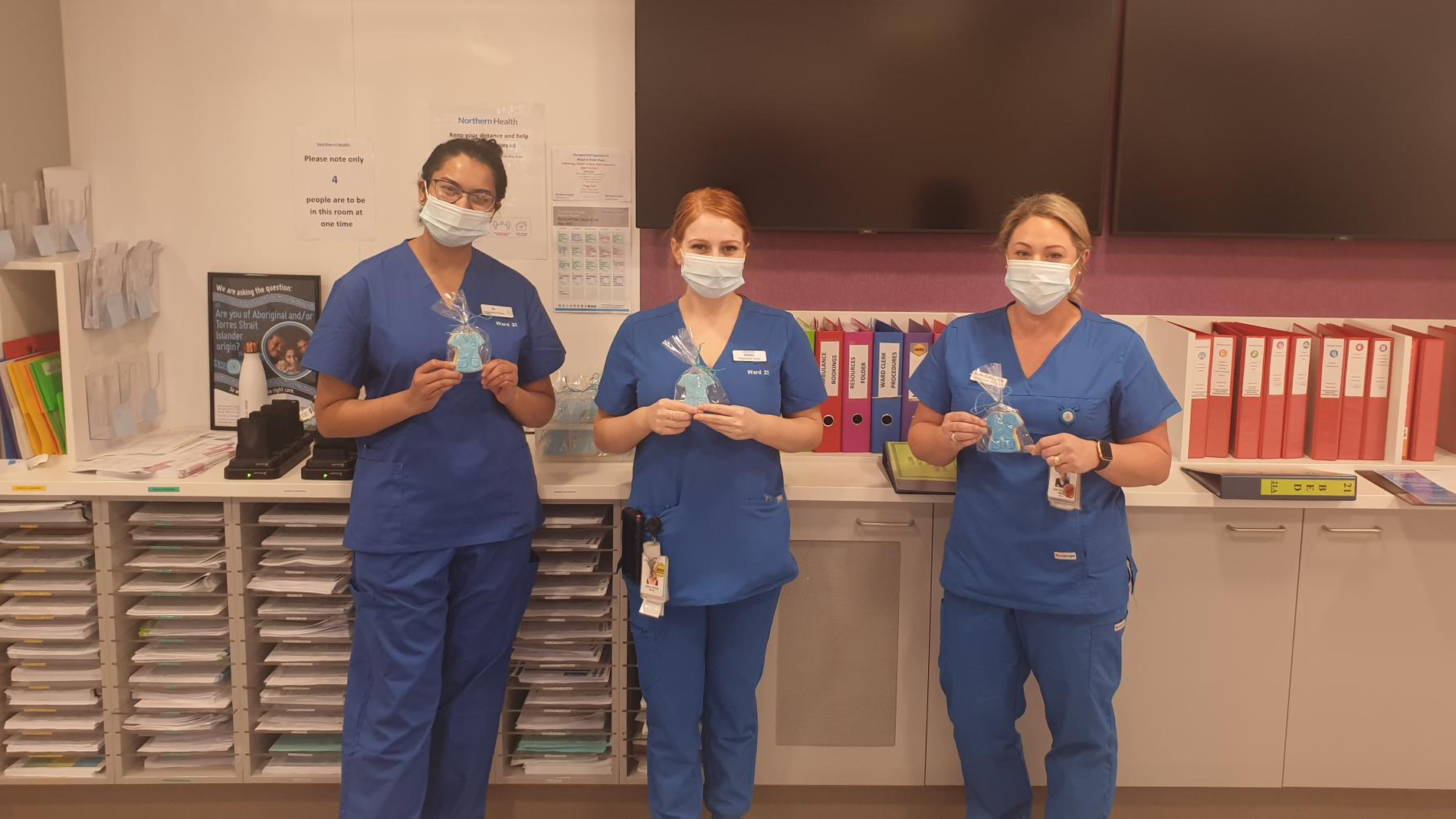
    Featured Image: Ward 19 staff after their successful move from Ward 13 

    Ward 20 staff
  • Happy International Day of the Midwife

    Happy International Day of the Midwife

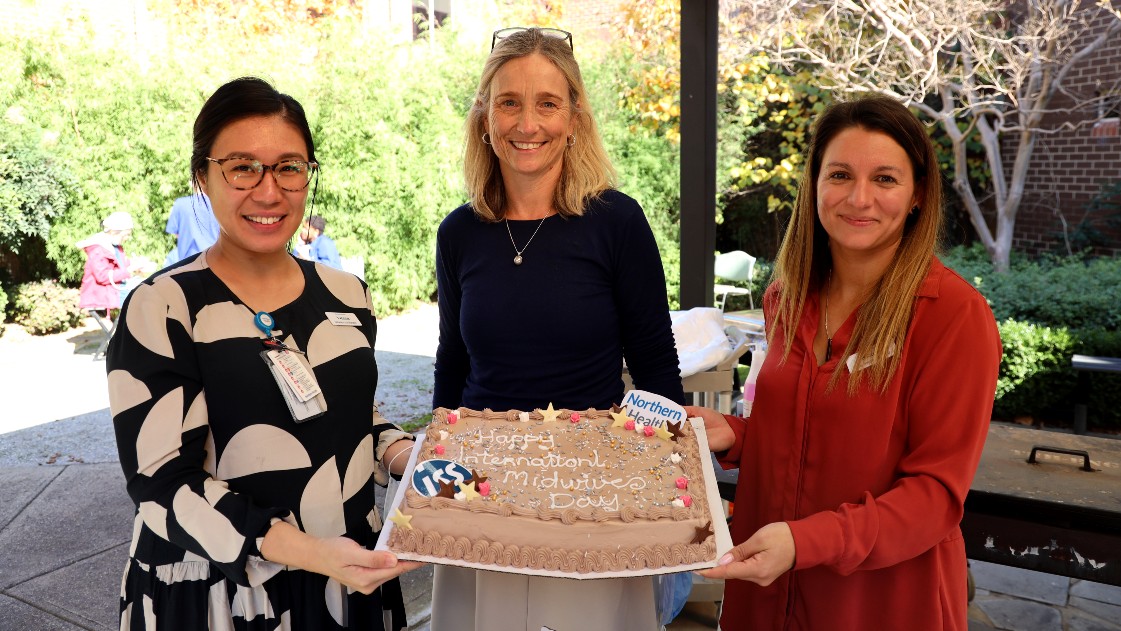
    Today we celebrate the responsibility, dedication, and unwavering compassion of midwives across the world. International Day of the Midwife (IDM) is a time to celebrate the work the midwives, and our colleagues do for mothers, families and communities.

    Nicole Carlon, Director of Operations, Women’s and Children’s said IDM is an opportunity to highlight the importance of midwives in the care of women and their families during their childbearing years.

    “This year’s theme is ‘Follow the Data: Invest in Midwives’ and it highlights the evidence that continuity of care with a known midwife provides the best outcomes. I think that celebrating days like today allows us to take that step back, look at what we do every day, and remember that we can and are making a difference,” she said.

    For Nicole, being part of a woman’s birth is incredible and she feels it is so much more than the birthing process- it is about creating a mother, creating a family and building a community.

    “Pregnancy, birthing and postnatal journey is such an incredibly important time in a woman’s life. When a woman feels listened to, empowered and supported at this time in her life, it can give her an amazing start to motherhood and to the rest of her life, even when things don’t necessarily go to plan. How could I not want to be a part of that?” she added.

    “The most rewarding thing about being a midwife is that feeling of amazement at the human body, the overwhelming emotion surrounding birth and that time with a mother and her newborn…. it never gets old,” she said.

    The other thing that Nicole enjoys is to make a real difference to someone. “Just a few weeks ago I had a woman tell me how amazing she felt after she was fully involved in the shared decision making that occurred around her birth options and how great it felt to feel listened to and cared about. She felt that her birth experience was empowering and joyous. I will come back every day for that”.

    Debra Bourne, Chief Nursing and Midwifery Officer added that it is important to celebrate this day so that we can remember the care midwifes provide across the spectrum of pre-pregnancy, pregnancy, in labour, post-natal and further.

    “Midwifes are vital to improve the health and wellbeing not only for women in Australia, but internationally as well and they are the key to improving health outcomes for all women,” she said.

    Northern Health is celebrating the International Day of the Midwife (IDM) and the International Nurses Day next week with numerous events across our four campuses. Keep an eye on  the Intranet and our social media for more photos.

    BBQ at Northern Hospital Epping


    Nicole Carlon and Lora Davies with the celebration cake


    Northern Health staff at the BBQ
  • Together we make an impact

    Together we make an impact

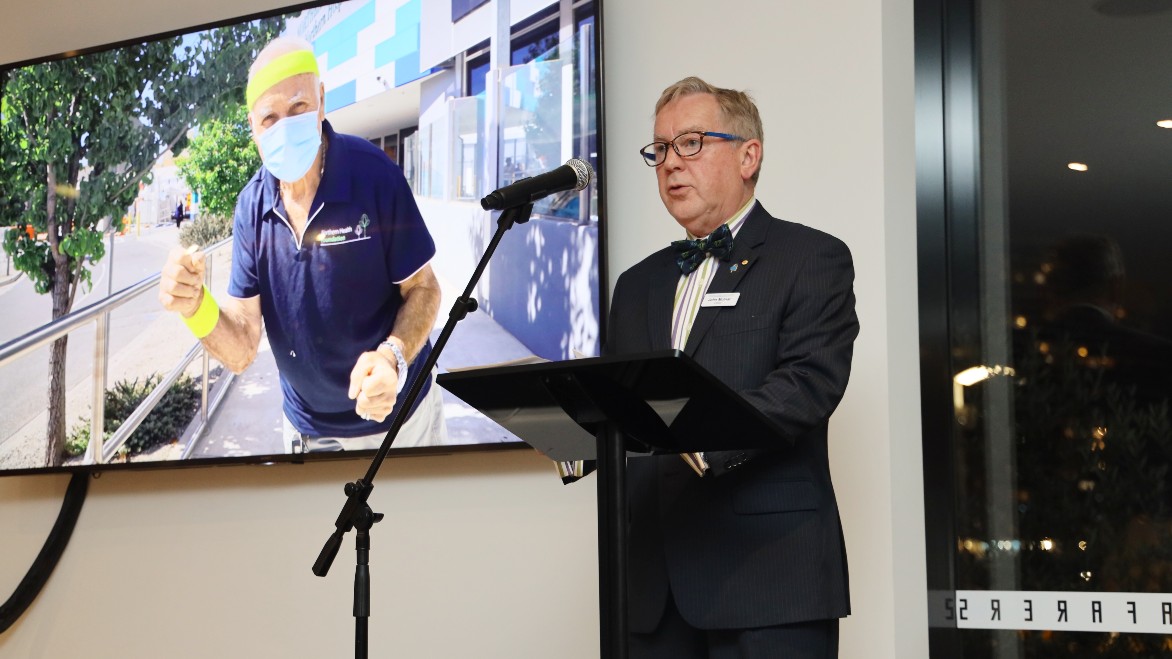
    Featured Image: John Molnar OAM, Northern Health Foundation Board Chair

    On Thursday evening, 29 April, Northern Health Foundation was delighted to host their first face-to-face event for 2021 to thank and acknowledge the generous philanthropic support from our wonderful community.

    Held at Seafarers Residences Display Suite in Docklands, the event recognised the work of Northern Health Foundation’s dedicated patrons, corporate partners, philanthropic supporters and volunteers over the past 12 months.

    “Here tonight, we celebrate the work of many people who give so generously in support of Northern Health,” said Andrew Williamson, Executive Director Public Affairs and Foundation.

    Among the guests included Jennifer Williams AM, Northern Health Board Chair, Siva Sivarajah, Northern Health Chief Executive, Northern Health Board Directors and Northern Health Foundation Board Directors, Northern Health Executive, clinicians and staff, and Northern Health Foundation Patrons, Bev Carman, Josie Minniti and Trudi Hay.

    “This event brought together donors, clinicians and grateful patients to highlight that, ‘Together, we make an impact’. It is so rewarding to see our staff being able to personally thank the donors who supported the health service,” said Andrew.

    “It is your continued support that helps us provide great care to our community.”

    Special thanks to Riverlee, in particular, David Lee and Northern Health Foundation Board Member, Tricia Lee, for hosting the event at their spectacular venue.

    “While it has been a challenging year for fundraising – we are thrilled to be able to fund over $622,000 to support Northern Health in providing funds in the areas of teaching, training and research, education, and the purchase of much needed medical equipment across Northern Health,” said John Molnar OAM, Northern Health Foundation Board Chair.

    Funds raised includes our major campaign in 2020 to purchase the Endobronchial Ultrasound Service (EBUS) for Northern Health, which will reduce patient wait times for lung cancer stage diagnosis and treatment.

    “I would like to extend my sincerest gratitude to all of our generous supporters, patrons, corporate partners, dedicated volunteers, Northern Health staff and everyone who has contributed towards our fundraising efforts through donations, grants and support at our events,” said John.

    “We are grateful and honoured that you have chosen us to support and make saving lives possible. I’d also like to thank my fellow Foundation Directors and community fundraisers for their tireless work in supporting the work of Northern Health.”

    The evening also included a presentation from Linda Romano, Divisional Director of Surgical Services. Linda spoke about Northern Health Foundation’s current fundraising campaign to support the purchase of new state of the art technology in the field of ophthalmology. This will ensure the latest and most effective technology is available to patients in our community who require cataract surgery.

    “We are thrilled to share that a generous family donated $50,000 on the night to launch the campaign,” Andrew explained.

    Watch the below video to hear from some of our staff and patients on the impact that this wonderful support has made.

    Pina Di Donato, Northern Health Foundation Deputy Chair and Tricia Lee, Northern Health Foundation Board Director
    Jennifer Williams AM, Northern Health Board Chair and Siva Sivarajah, Northern Health Chief Executive
    Northern Health patient Colin Berryman with wife Angela
    Dennis Gyomber, Divisional Director of Surgery and Linda Romano, Divisional Director of Surgery – Nursing
    Staff with some of our generous supporters
  • Expansion of reception services

    Expansion of reception services

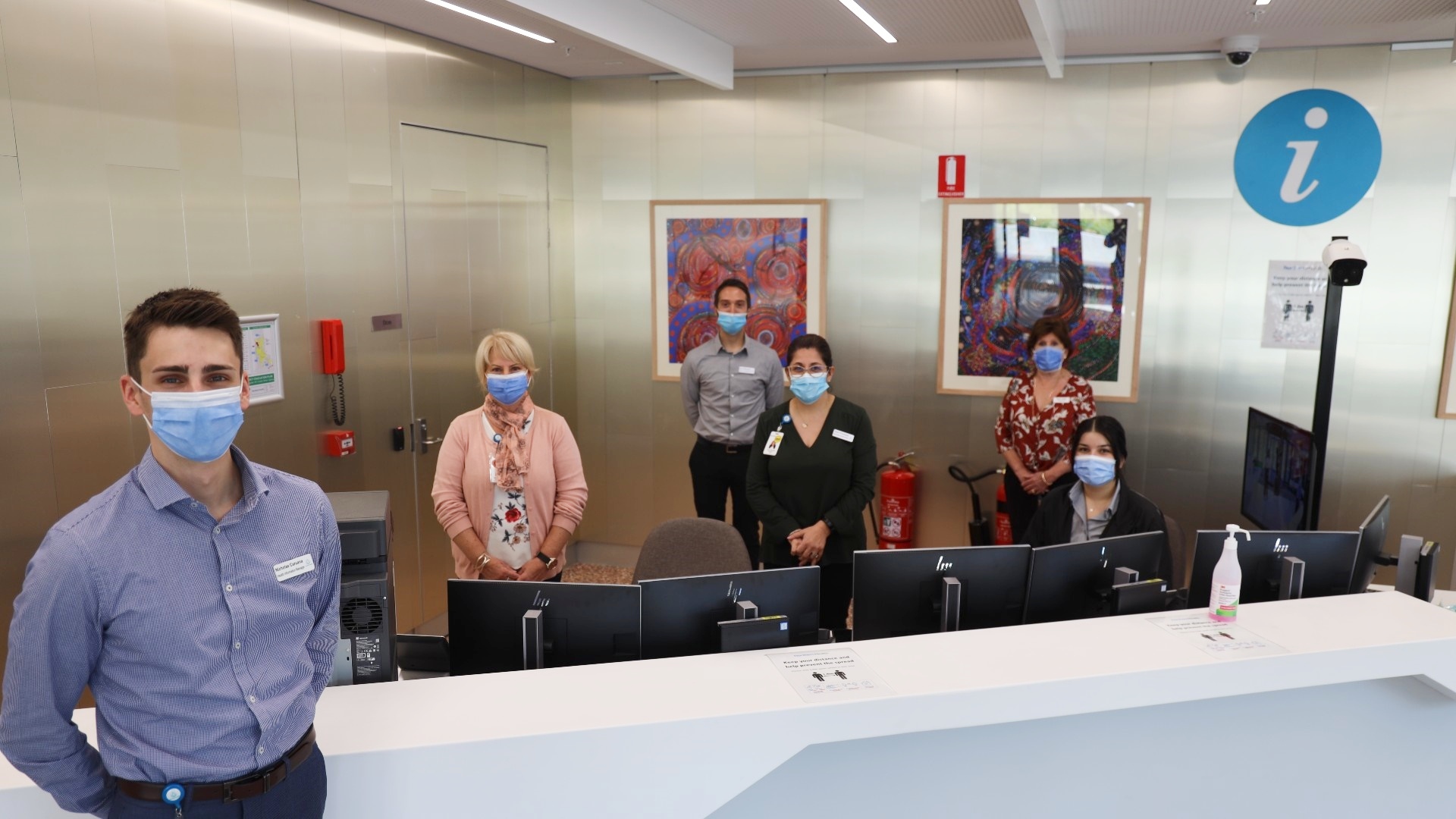
    From today, Nick Caruana takes up a new role as our Hospital Reception Manager for Northern Health. Nick will be responsible for the hospital reception departments at Northern Hospital Epping, Broadmeadows Hospital and Bundoora Centre.

    Sue Lisle, Communications Supervisor at Epping and Robyn Johnson, Reception Services Manager at Bundoora, will transition into new roles in Health Information Services (HIS) as Program Allocations Officers.

    While we congratulate Nick, we also use this opportunity to highlight the contribution that Sue and Robyn have made to Northern Health over the years.

    Sue joined Northern Health in 1986, working at PANCH as a switchboard operator. Sue then moved to Northern Hospital Epping in 1997 to help establish communications services before the hospital officially opened in 1998 and has remained in that capacity since then.

    Robyn Johnson started as a casual reception/switchboard operator in May 1995. Robyn was soon made permanent part-time and, by the end of 1995, was appointed to Reception Services Manager at Bundoora Centre. Robyn has remained in that role ever since. Over the years, Robyn has also assisted with Bundoora Bed Management, DVA Liaison and Support Services tasks at Bundoora Centre.

    Robyn Johnson

    Nick says what attracted him to the role was, “the opportunity to define the role and centralise the management of hospital reception across our three campuses. There was also the opportunity to work with a great team within reception to improve and standardise our processes.”

    Nick is no stranger to Northern Health, formerly having worked in Health Information Services for almost five years, first as the Forms Coordinator and then in the Datasets Reporting Unit (DRU). Says Nick, “My more recent role in DRU was responsibility for the reporting of Northern Health data to the Department of Health. This included data such as our inpatient activity, elective surgeries, emergency presentations, and, more recently, COVID-19 data such as the number of patients who visit our Fever Clinic.”

    He says his biggest challenge will be, “learning the intricacies of what the team does on a day to day basis within such a fast paced environment. This will include getting to know the staff across all campuses as well as looking to create a unified team and standardising processes where possible.”

    Nick sees this new role as allowing for strategic change around our services and workflow. On a personal level, Nick says, “the experience, knowledge and relationships I will develop by providing leadership to a team that is such an integral part of the organisation is invaluable.”

    A component of the new role will be overseeing communications for the Main Ward block. Nick explains, “The reception desk at the base of the main ward block will be staffed from 11 am to 6 pm every day of the week. The communications staff will assist patients, visitors and staff with general enquiries and wayfinding through the new building. The phone at the reception desk links to the Northern Hospital main switchboard, therefore allowing Main Ward Block reception staff to ease the burden on the main switchboard, hopefully resulting in reduced phone wait times.”

    Please join us in congratulating Nick on his new role as Hospital Reception Manager and wishing Sue and Robyn the very best in their new roles.

    Main picture shows Nick Caruana, Diane Chadwick from Reception; David Mangano, Operations Manager, HIS; Terri Fiorenza, Director HIS; Sue Lisle and ISS staff.