• Victorian-first intravascular ultrasound service for venous disease at Northern Hospital

    Victorian-first intravascular ultrasound service for venous disease at Northern Hospital

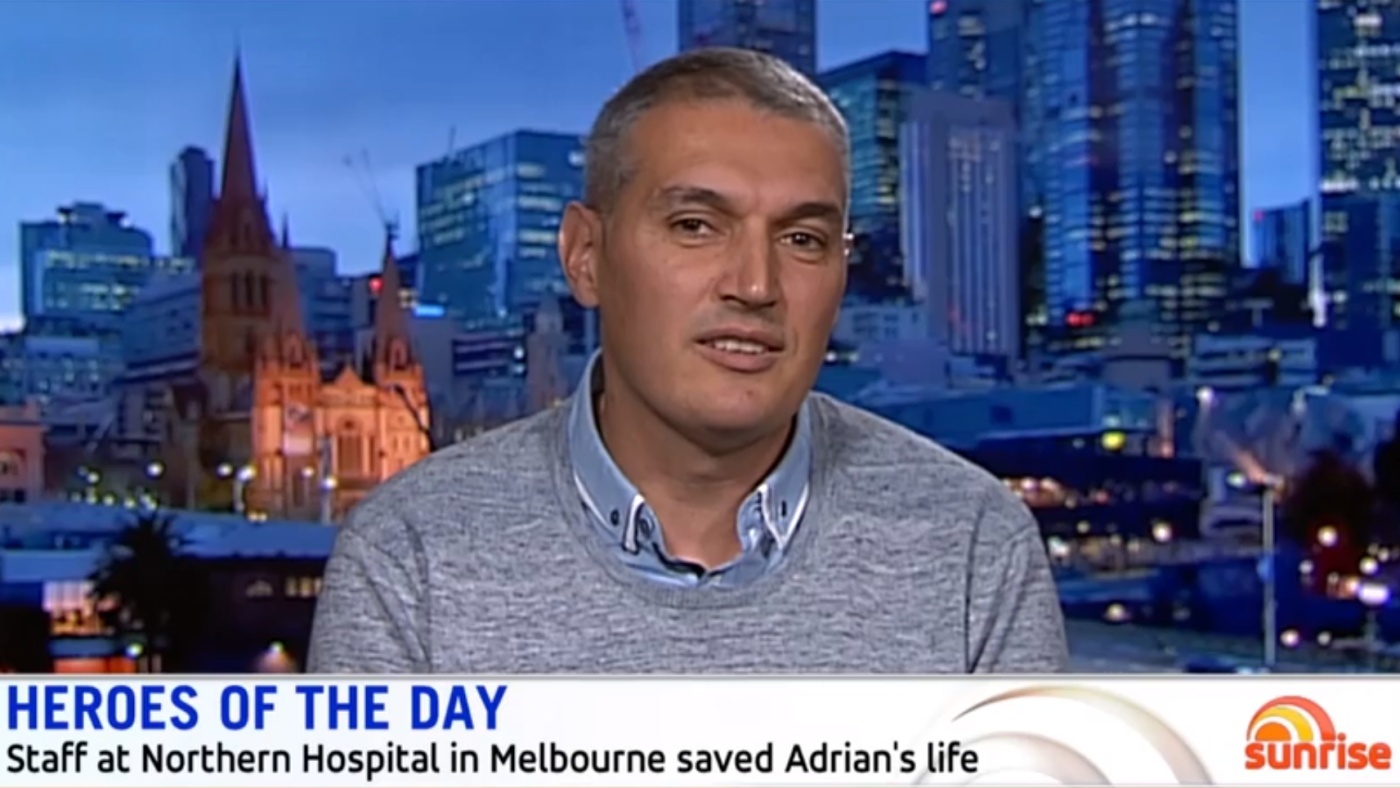
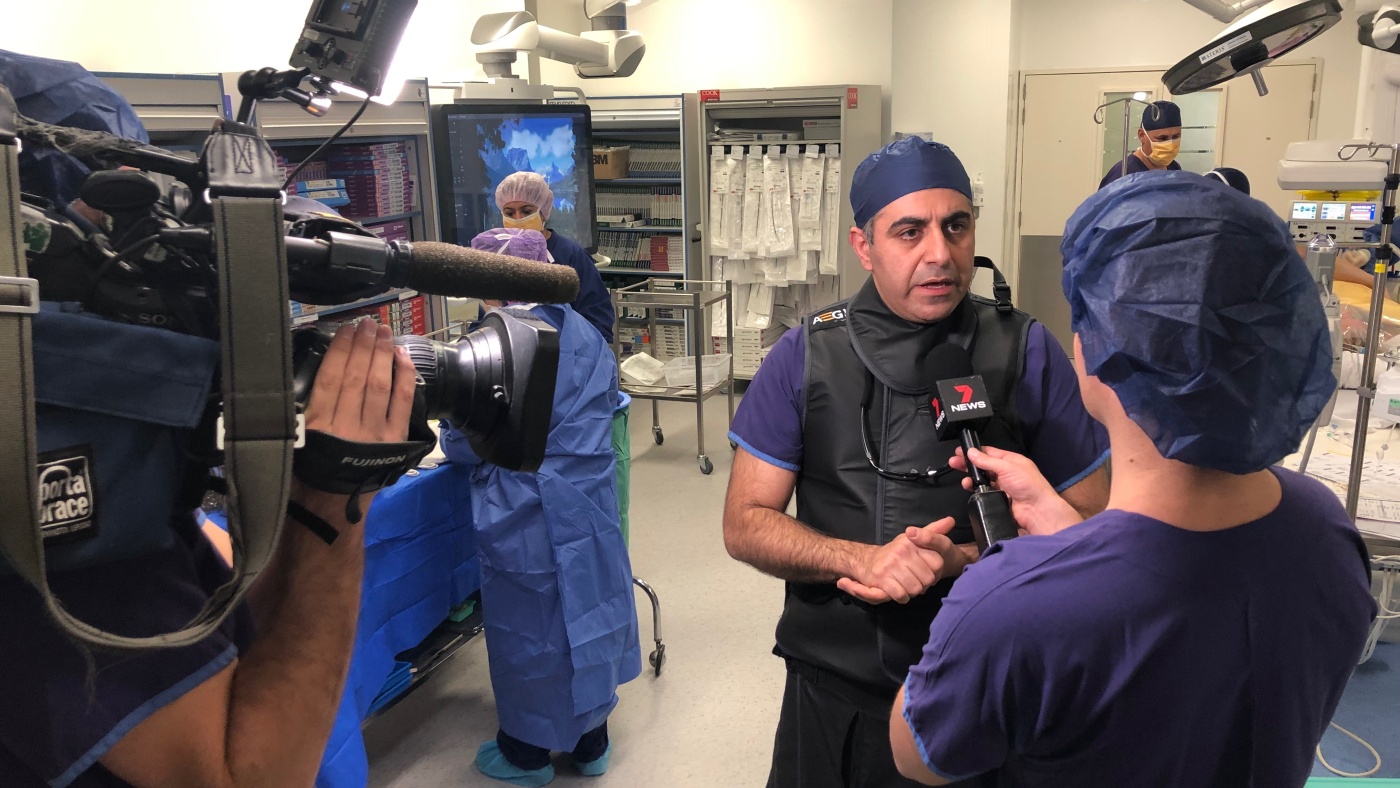
    Yesterday we welcomed Channel 7 News to Northern Hospital Epping to interview Vascular Surgeon, Iman Bayat, about his use of cutting-edge intravascular ultrasound technology to treat venous disease.

    Northern Health is leading the state in the field of complex venous disorders, as the first hospital in Victoria to offer intravascular ultrasound (IVUS) as a regular service to patients.

    In order for veins to function normally, they need to be clear of blockages. Veins can be acutely blocked by commonly known conditions like deep vein thrombosis (DVT).

    Many advances have been made in minimal invasive treatment of blocked arteries. One major advance is the cutting-edge technology, IVUS – sonography inside the vein.

    Several studies show the superiority of IVUS to standard angiography when treating complex venous disorder as it enables vascular surgeons to conduct highly complex procedures whilst reducing the risk of radiation exposure to patients.

    Iman Bayat said, “IVUS gives us accurate measurement of the degree of obstruction, the size of the veins, and also guides treatment of blocked veins using stents.”

    “Previously, the technology was restricted to arteries within the heart. Now we are able to assess veins that are 10 times the size of the heart vessels.”

    Northern Hospital’s new state-of-the-art angiography hybrid theatre is also the first in Victoria to be equipped with IVUS.

    81 year old grandfather, Gerhard Scholl, was one of the beneficiaries of this IVUS treatment at Northern Hospital by Iman Bayat.

    Gerhard’s results speak for themselves. Prior to the procedure, Gerhard said he had a lot of trouble walking and painful swelling. He would even struggle to walk through the shops with his wife.

    “I feel so much better. Now, I can walk all the way through the shopping centre no problem!” he tells us gratefully.

    Watch the video below which featured on Channel 7 News last night:

  • He ain’t heavy: Manual Handling Risk Improvement Program

    He ain’t heavy: Manual Handling Risk Improvement Program

    Upali and Somaratne are Patient Service Assistants (PSAs) who are always smiling, right through an eight hour work day. Their typical day includes mopping floors, restocking trolleys and store rooms, cleaning bathrooms and making beds – everything required to prepare the room for the next patient.

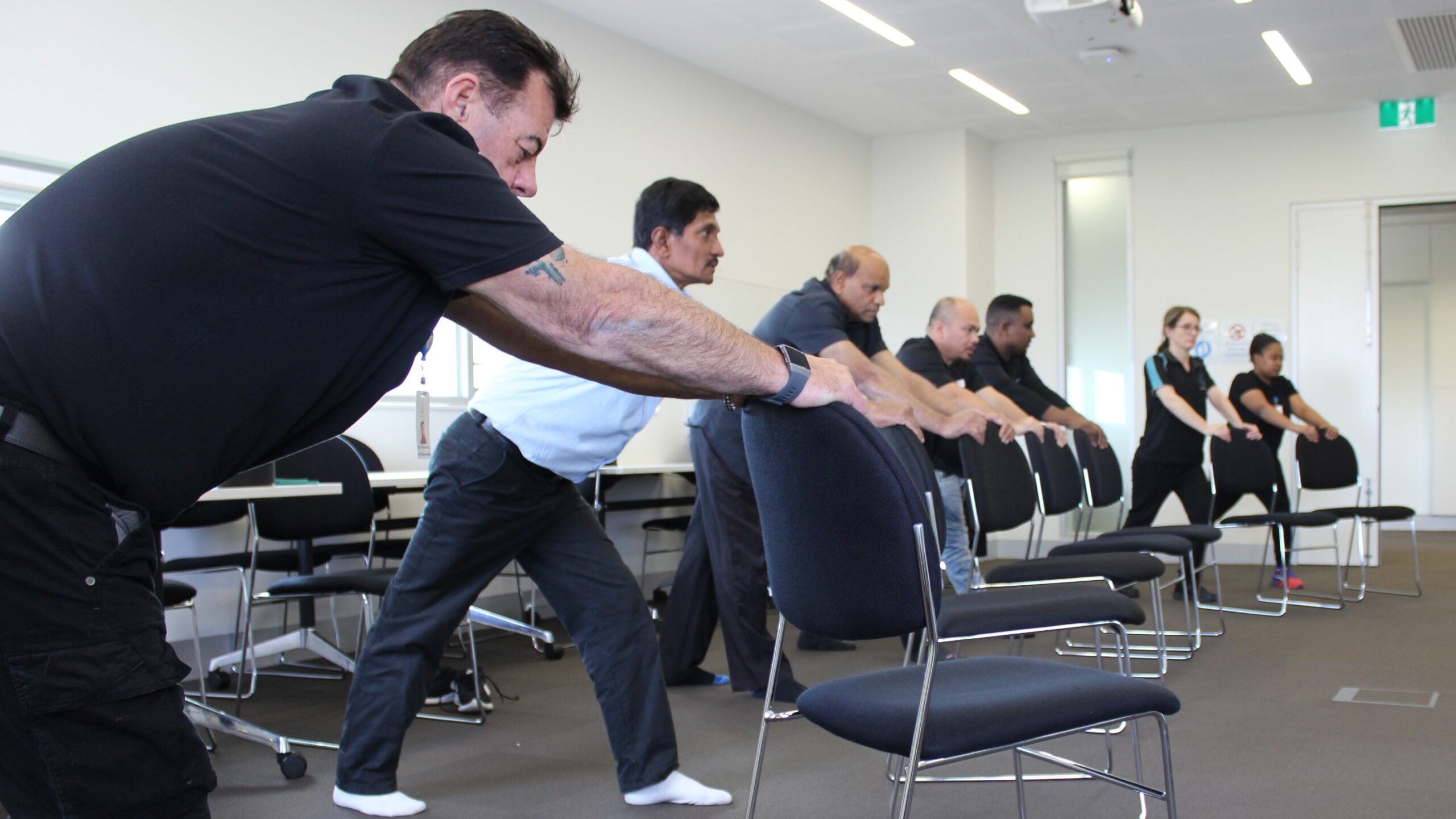
    Today their smiles are broader than usual. They have just been through week eight of a Manual Handling Risk Improvement Program, run by our Occupational Health & Safety (OHS) team in conjunction with Exercise Movement Professionals (EMP).

    They say they have learnt a lot and can already see an improvement. “Particularly, when the EMP staff come around to our wards and observe how we’re working and show us the correct way to complete tasks without causing pain or damage to our bodies,” they say.

    Among the first participants to test out the technology used in the program were Chief Operating Officer, Jane Poxon, Chief Financial Officer, Basil Ireland and Executive Director People & Culture, Michelle Fenwick.

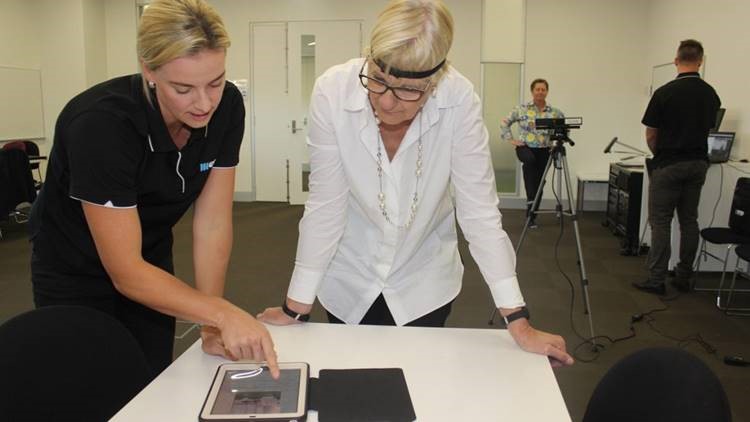
    Jane, Basil and Michelle took part in both the function assessment and sensor tests, and had their results explained instantly from EMP staff.
    They were shown how small changes in behaviour can reduce risk – such as moving closer to the table or moving a chair out of the way if you’re wiping down a table.

    Michelle Fenwick said it was nice to be able to recognise the hard work our PSAs do and empower them to give of their best.

    “They are an important part of our workforce and vital to the smooth discharge of patients,” she said.

    The PSA-CARPS staff group was the first set of PSAs to trial the program, with other departments to follow.

    Pictured above Jane Poxon and Michelle Fenwick taking part in the function assessment and sensor tests conducted by EMP staff
  • Staying Well: Acute to Community Coordination Team

    Staying Well: Acute to Community Coordination Team

    Are you worried your patient may not manage in the community after they go home from hospital?

    The Acute to Community Coordination Team (previously known as DPSS) are helping Northern Health patients on their ‘Staying Well’ pathway and will have a solution.

    The team reviews patients in all areas of Northern Hospital, who have had unplanned admissions (three or more in the previous six months), are at risk of readmission or failed discharge, or who they worry may not be able to cope at home. These patients are referred to as Healthlinks patients, meaning the patient has had three or more recent unplanned admissions. Healthlinks patients are people with chronic and complex health needs, and are often frequent users of hospital inpatient services.

    With extensive knowledge of the health service and community programs, the Acute to Community Coordination Team link patients to what they need, helping them transition from the hospital to the community, and continue to recover at home.

    Lorinda McPherson, Manager – Acute to Community Coordination Team, says, “Our coordinators provide post discharge support in the form of a phone call within one to three days of going home. We check on the patient’s wellbeing and how their recovery is going – ensuring they are staying on track, improving their health, and referring them onto community programs such as the Hospital Admission Risk Program (HARP) if necessary.”

    “We can help chronic disease patients to recognise if they are becoming unwell again, and assist them in ‘Staying Well’ and out of hospital. We provide support for the patient or carer with several phone calls in the weeks following discharge,” Lorinda continues.

    Patients often struggle at home after discharge, as they aren’t clear on their discharge instructions. For example, medication changes, fluid restriction in heart failure patients, blood glucose management, and the importance of follow up care via their GP in the community.

    “We are trying to prevent our patients from having to come back to hospital, as we know that frequent hospital admissions and being unwell leads to poor general health and reduced quality of life,” Lorinda says.

    The Acute to Community Coordination Team also review any patient in the hospital with a length of stay (LOS) of five days and above, ensuring there is a clear plan for discharge.

    The team are involved in referral to continuing care programs such as the Transition Care Program (TCP – both home-based and bed-based), GEM@Home and GEM@Resi.

    If you are unsure if one of your patients would benefit from or be eligible for these programs, please contact your ward Acute to Community Coordinator.

    To contact our coordinators, please click here or email lorinda.mcpherson@nh.org.au.

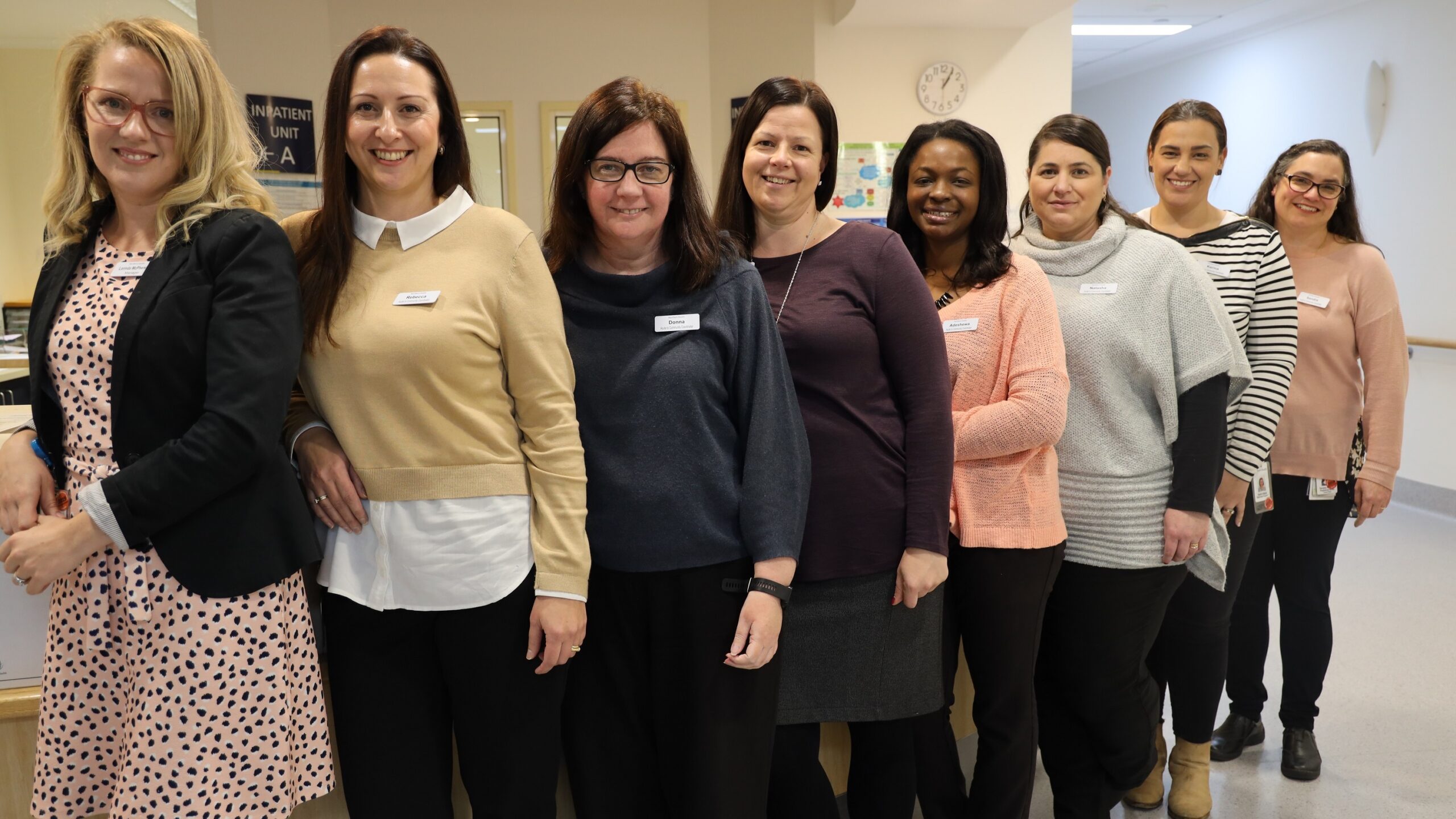
    Featured Image (left to right): Acute to Community Coordination Team – Lorinda McPherson, Rebecca Moussa, Donna McVean, Melinda Roberts, Adeshewa Ajide, Natasha Vinci, Karina Barca, Sandra Rizzotto 

  • Last 1000 Days

    Last 1000 Days

    Professor Brian Dolan is on a mission. First, he started a global social movement called #EndPJparalysis, which gained over 400 million impressions on Twitter and was all about encouraging patients to get up, dressed and moving, to reduce the risk of deconditioning of patients while in hospital.

    Now, he is on a campaign to make patient time the most important currency in health care.

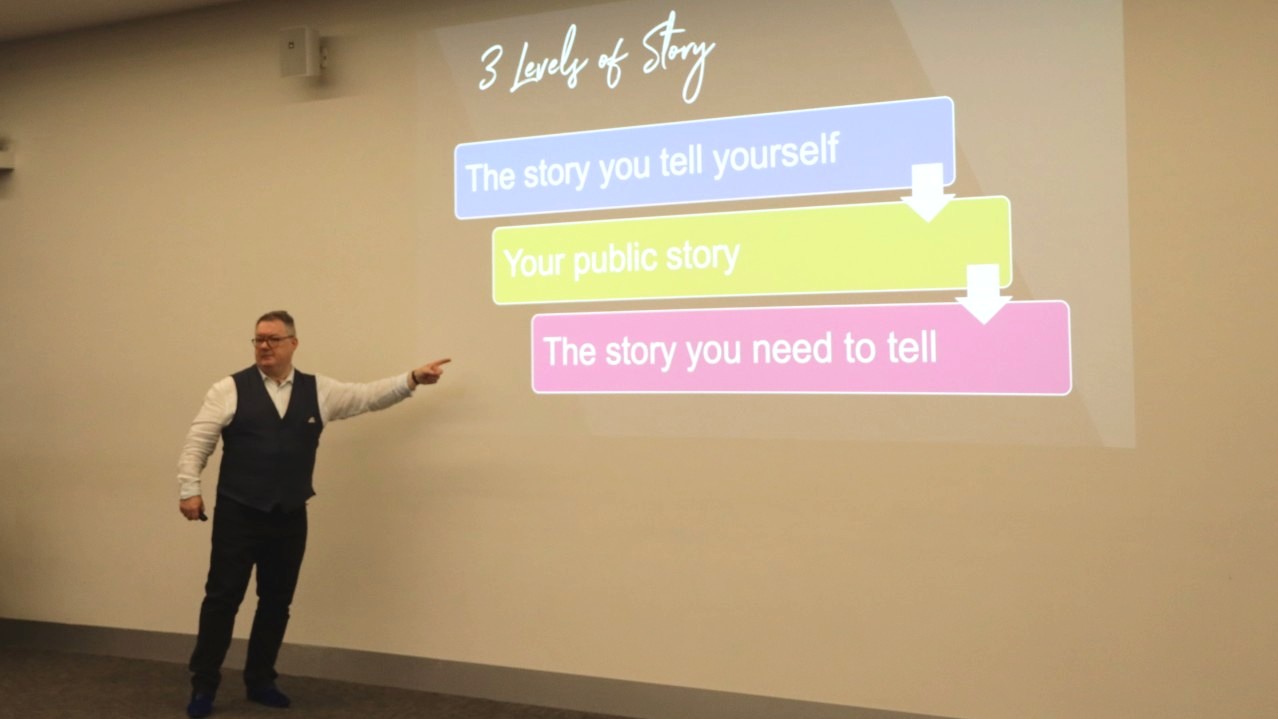
    Northern Health was privileged to hear Prof. Dolan, voted one of the 20 most influential people in the 70-year history of the National Health Service (NHS) UK, speak to our staff on this subject.

    Debra Bourne, Chief Nursing and Midwifery Officer, said she first heard Prof. Dolan at the Canterbury Health Service in New Zealand this year, and was inspired by his approach to patient-centred care.

    “We thought it would be a great idea to get him over here to speak to all our clinical and non-clinical staff, to deliver the key message that we are working through the High Reliability Organisation (HRO) framework about the improved patient experience,” she says.

    Professor Brian Dolan is the Director of Health Service 360 UK, and conducts leadership programs in New Zealand, Australia and the UK. He has published over 70 papers and is the author/editor of seven books, mainly on emergency care. Prof. Dolan is a Fellow of the Royal Society of Arts, Honorary Professor of Leadership in Healthcare at the University of Salford, Manchester, and Visiting Professor of Nursing at the Oxford Institute of Nursing, Midwifery and Allied Health Research (OxINMAHR).

    Prof. Dolan believes whilst medical staff are busy and important, patient time is sacred.

    In a lecture punctuated with bon mots such as, “People who have the most birthdays – live the longest,” he made the point;

    “If we value patient time, there will be no needless waiting, suffering and harm and people feel safer – they will have their dignity and sense of self restored, and get back to the loved ones they need to be with.”

    “Rather than spend their last 1000 days in hospital – they will spend it with the ones they love.”

    His lecture titled ‘Last 1000 Days’ left the audience both entertained and inspired.

    Nicole Campbell, Clinical Nurse Consultant, said she was completely overwhelmed by his presentation and could’ve listened to him for many more hours.

    “I am fortunate to work in an organisation that encourages this type of learning,” she said.

    Debra Bourne, speaking for all those present at the lecture, said;

    “Brian absolutely lived up to our expectations. The lecture he delivered contained wisdom and passion, and gave everyone a space to reflect upon the care we are giving and what the most important thing to us is – which of course are our patients.”

  • Grateful patient shares his story

    Grateful patient shares his story

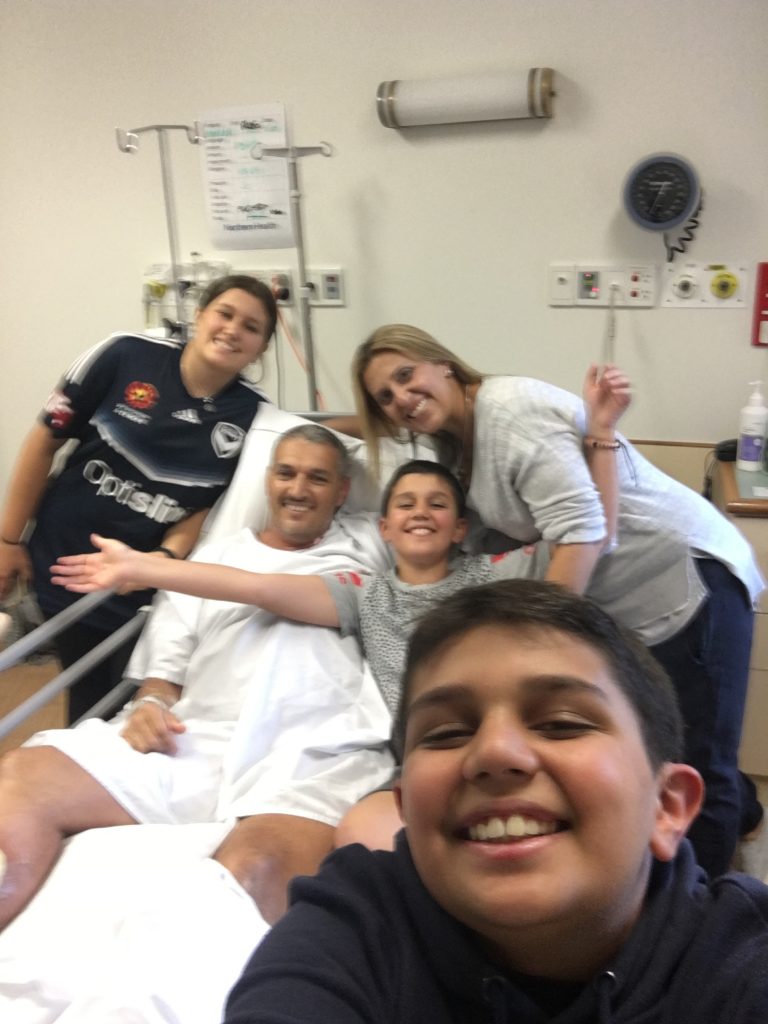
    45 year old father of three, Adrian Nandapi says it’s great to be alive, literally.

    Two months ago he was in the fight of his life. Whilst on holiday in Fiji with his family, Adrian suffered a scratch on the shinbone of his right leg.

    36 hours later, his family flew home to Australia and his leg had become noticeably swollen.

    In the hours that followed, his body went into septic shock and he was rushed to the Northern Hospital’s emergency department for life-saving treatment and surgeries.

    After being admitted to our intensive care unit, Adrian’s family were informed he had a serious bacterial infection, necrotizing fasciitis.

    Over time, Adrian’s body started to fight back as our medical team successfully treated his condition, even saving his leg.

    On 11 June, after five weeks and multiple surgeries later, Adrian safely returned home to his family.

    Last week, he returned to hospital to thank the nurses and doctors that saved his life.

    “I am alive today due to the passionate, empathetic and outstanding professionalism shown to my family and I by the wonderful medical team at Northern Hospital in Epping,” he said.

    “Thank you to the staff who took such good care of us in Ward 15 and Ward 13. Hospitals are an emotional roller coaster and doctors and nurses are at the forefront of that – they unwaveringly support us in life’s most difficult of moments,” he added.

    “Northern Hospital’s magnificent medical team saved my life, and in doing so, you saved my family and friends from a world of pain.”

    Adrian is now back on his feet and has even returned to work. Watch the video below to see Adrian’s story featured on Channel 7 News.

    Adrian Nandapi with his wife, Enza, and their three children
  • Grant expands Northern Health ENT services

    Grant expands Northern Health ENT services

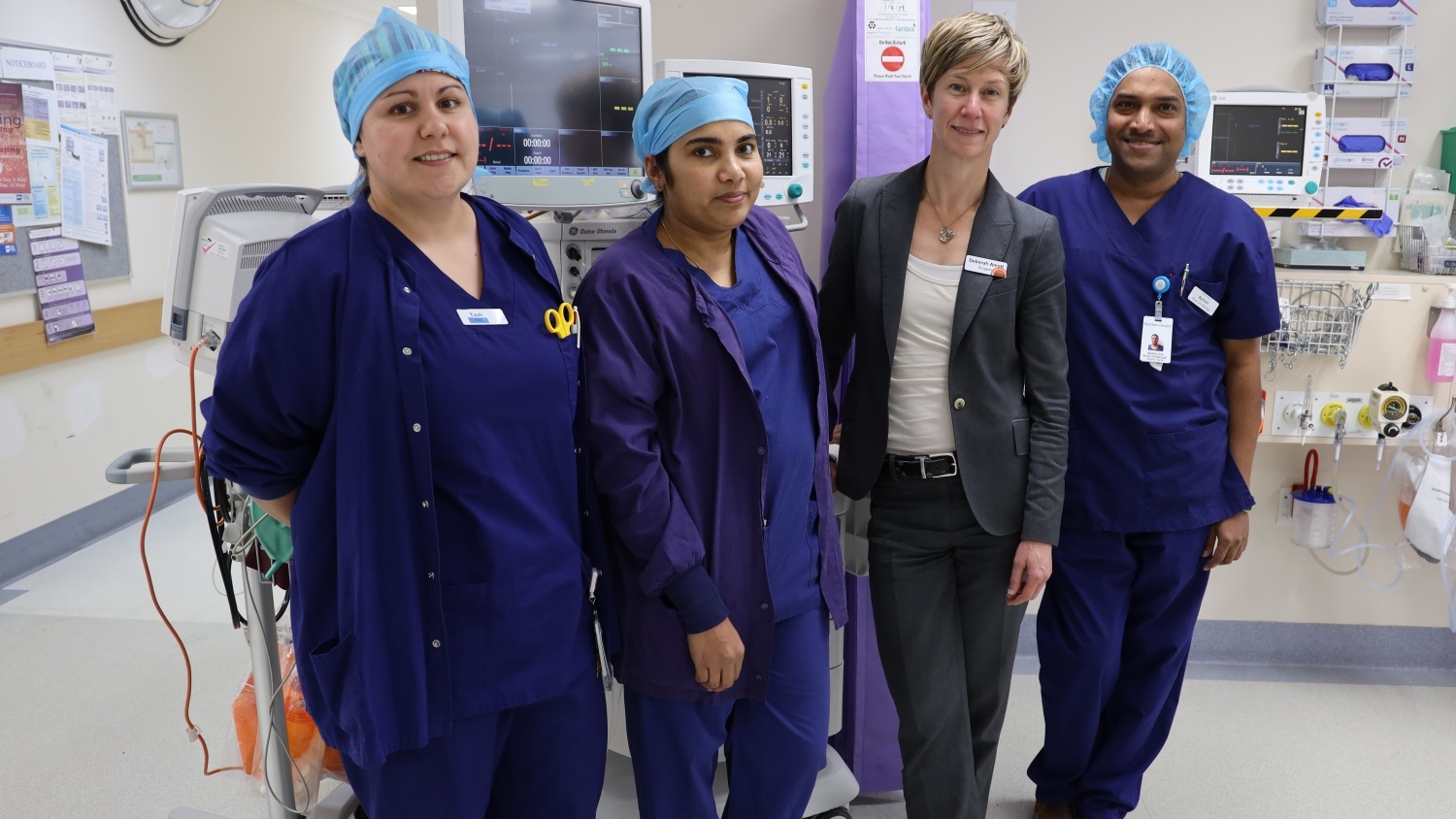
    Our Ear, Nose & Throat (ENT) Surgery Department is delighted to have recently received a grant from the Northern Health Foundation, allowing them to purchase surgical equipment to introduce complex ear surgery to the services offered at Northern Health.

    Director of Ear, Nose & Throat Services, Dr Deborah Amott said, “Many people in our community need specialist ear surgery due to chronic ear disease. This surgery enables children to hear properly during their education, and adults to increase their participation in the workplace, education, and taking care of their own families, removing the burden of recurrent ear infections, pain and poor hearing.”

    Complex ear disease is usually associated with recent migrant population and low-socio economic groups, which are over represented in the northern corridor.

    The grant has allowed the department to purchase a mastoid drill, a piece of surgical equipment crucial to performing very complex ear surgery.

    “We’re very excited because this enables us to not only add new resources to the ENT unit here, but also perform a surgery that a lot of people in the northern growth corridor require,” Dr Amott said.

    Until now, patients with this kind of ear disease need to be referred to other health services, often with considerable time away from their family and work due to travel for appointments and surgery, as well as causing significant inconvenience and costs for our hospital.

    “Patients can end up on waiting lists for a long period of time, and if they require surgery and follow-up care there, it’s a great deal of inconvenience to them. So we’re very excited to offer a new line of surgical treatment for this group of patients locally,” Dr Amott said.

    “It’s a great advantage for local patients and creates an overall improved patient experience within our hospital,” Dr Amott added.

    For Northern Health as a whole, Dr Amott tells us being able to offer this new surgery means we can build more ENT services, which has a significant run on effect for the rest of the hospital, particularly the emergency department as they will have improved access to ENT surgeons.

    It also means we’re able to recruit surgeons that wish to offer this particular service, who would otherwise be looking for work elsewhere.

    “Expanding Northern Health ENT services is also a stepping stone on our way to building training positions within our unit, as access to this kind of surgery is mandatory to be approved by the College of Surgeons,” Dr Amott said.

    Currently, ENT offers a daytime service without significant after hours emergency services.

    “The purchase of this new, surgical equipment is a very big step towards having a 24/7 ENT presence at the hospital. It’s $21,000 towards an entire service – it’s a very impressive leverage for a relatively small amount of money,” Dr Amott added. 

    “We’re extremely grateful for the help from the Northern Health Foundation both in giving us the grant, but also helping us through the process of applying for it,” Dr Amott said.

    “I’d very much like to acknowledge the support from the surgical directorate here and surgical services – they’ve all been very supportive.” 

    The support from the Northern Health Foundation builds on expansion of the ENT service underway, towards a fully-fledged service for our local community.

  • Quarterly Staff Recognition Awards

    Quarterly Staff Recognition Awards

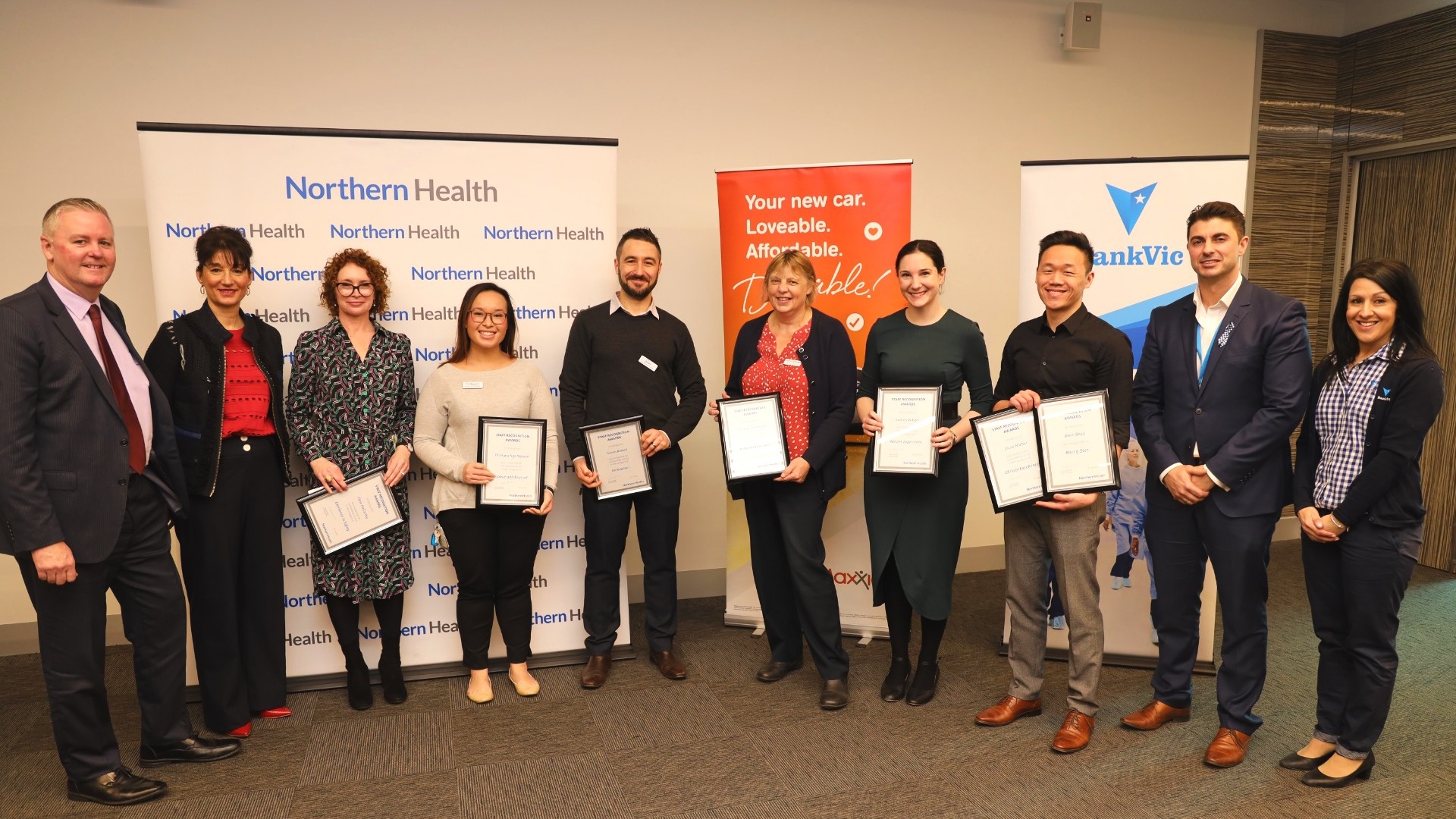
    This morning, Northern Health celebrated the fourth Quarterly Staff Recognition Awards.

    In this round of awards, there was a record number of 77 nominations, making it very difficult for the Executive Judging Panel to choose just one winner for each category.

    The six categories are; Clinical Excellence – a clinician or clinical team generous with knowledge, who instils confidence in patients and colleagues, and achieves the best patient experience outcomes; Patient Experience – an individual or team who has made a significant achievement in improving the care experience, including showing kindness and compassion towards a patient or their family; Excellence in Safety – an individual or team who has assisted in making Northern Health safer for patients, visitors or staff; Innovation – a team or individual who implemented a better way to deliver care or service through a new idea or initiative; Above and Beyond – an individual who has gone above and beyond in providing care or support to a patient, family or work colleague; and Rising Star – a staff member recognised as having great potential to grow and develop in their career at Northern Health.

    Chief Executive, Siva Sivarajah said, “Our Quarterly Awards are a wonderful way to acknowledge staff who exemplify a strong and positive workplace culture, are committed to providing great patient care, and whose actions align with our values across the six award categories.”

    “To see so many nominations highlights the amazing work our staff do day in and day out,” he continued.

    And the winners are…

    1. Clinical Excellence – Claire Michel, Medicine


    1. Patient Experience – Yvonne Cartwright and Andrea Wilson (Team), RECIPE – Residential in Reach


    1. Excellence in Safety – Clare McCarthy, Project Management Office/HRO Transformation Unit


    1. Innovation – Simon Bertoli, People and Culture


    1. Above and Beyond – Thi Hang Nga Nguyen, Ward 4 – Unit B


    1. Rising Star – Alvin Shae, Medicine – Aged Care

    “Congratulations to all of our winners and thank you to our award sponsors – Maxxia and BankVic for your continued support,” Siva said.

    Featured image left to right: Tim Bond and Daniella Ghiri from Maxxia, Clare McCarthy, Thi Hang Nga Nguyen, Simon Bertoli, Yvonne Cartwright, Andrea Wilson, Alvin Shae and Nicholas Tseros and Rebecca Attard from BankVic.

  • Pharmacist Min Chu: Treating patients like family

    Pharmacist Min Chu: Treating patients like family

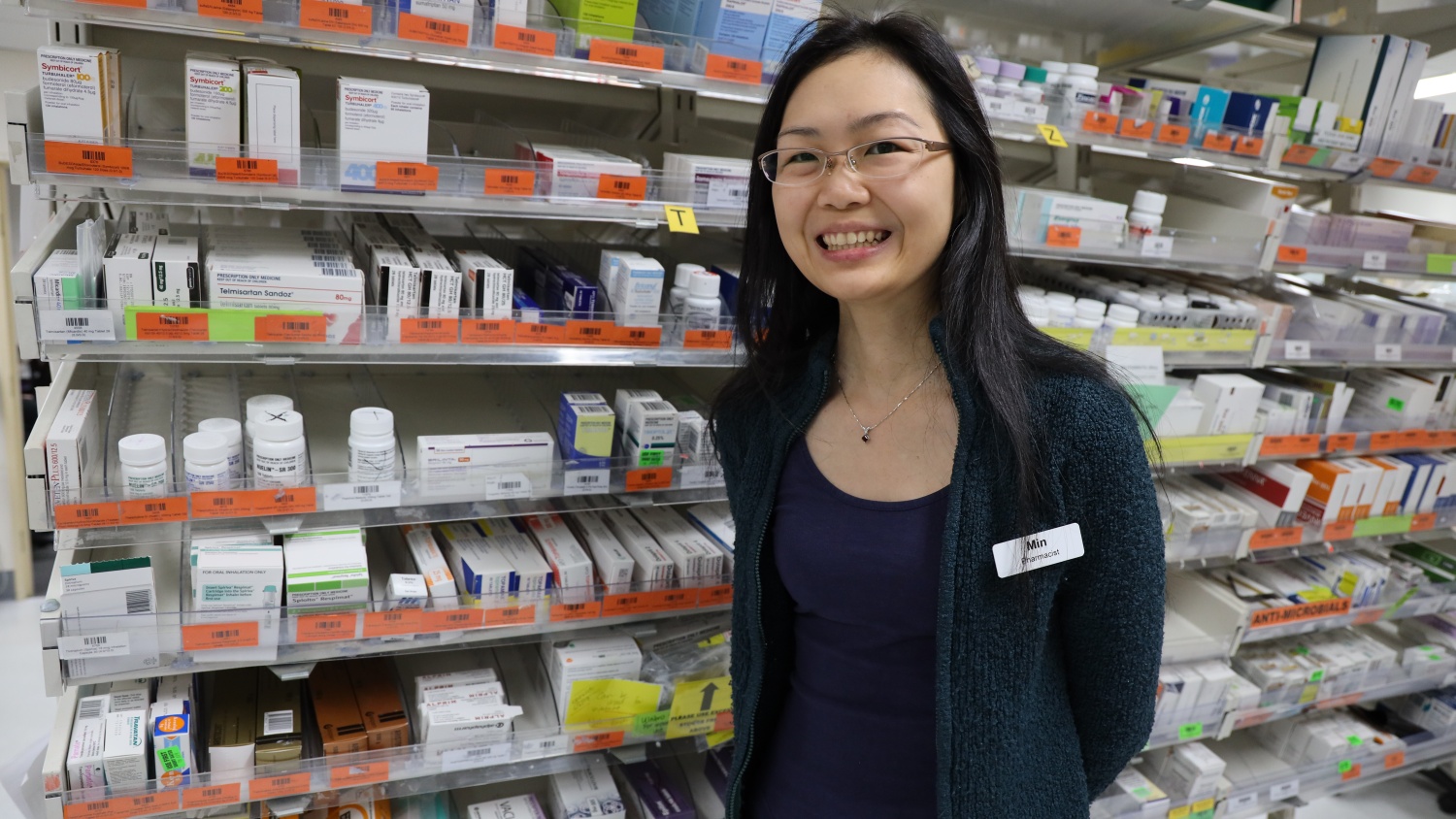
    Pharmacist Min Chu, recently received the award for ‘Excellence in Safety’ at our Quarterly Staff Recognition Awards, for her commitment to patient experience and safe, trusted care.

    Min began her Northern Health journey back in 2007 as a clinical pharmacist. She then moved into the emergency department as the Hospital Admission Risk Program (HARP) pharmacist in 2011, where she concentrated on identifying patients with complex needs at risk of medication mismanagement at the point of admission.

    From there, Min returned to the general medical wards, one of which was the first medical ward to start admitting oncology and haematology patients from our Day Oncology Unit. Currently, Min works on Ward 3 where she treats these patients.

    The year Min began, Day Oncology also officially commenced outpatient chemotherapy provision. Min said, “I have been lucky enough to have watched the cancer services division grow and develop over the past 12 or so years.”

    Min was nominated by both Ihab Barsoum and Joe Conway who said, “Many of the patients on Ward 3 are gravely ill and Min Chu always takes that extra step to ensure these patients receive the best possible treatment based on their disease and medication history. Many of these patients are overwhelmed by new cancer diagnosis and being started on a range of new medications.”

    “Min serves as an educator to the many junior (and senior) doctors who look after patients on Ward 3 and they know their patients are safe with Min. She also acts as a mentor and role model for many junior pharmacists and other pharmacy staff.”

    Min explains, “The cancer journey can be very scary for some – it isn’t just the confusing amount of information patients are given, it is also learning how to navigate our complex healthcare system. There are medical appointments to remember, appointments for scans, blood tests, and chemotherapy treatment, and on top of that, you have to remember what your medications are for, how to take them, how long to take them and which pharmacy to get them from!”

    “Many of our patients are from culturally and linguistically diverse (CALD) backgrounds and have low health literacy, so it can be challenging to educate these patients on new and complex medications. Pharmacists help to provide patients and carers with information on how to best manage their medications using various means. Hopefully this helps ease our patients through what is a very trying time, and reduces some of the stress associated with managing an acute or chronic illness,” she continues.

    “In terms of safety, I always think of how I would like my family to be treated if they were in hospital – I think that is the greatest motivator for safety. I know I would appreciate a clinician taking the time to be thorough, both in their assessment as well as in the provision of information, so that is what I try to give my patients and colleagues.”

    When asked what winning this award meant to her, Min said, “The nomination came as a complete surprise – I have the Pharmacy leadership team to thank for conspiring behind my back to bring it about! To be nominated by people I admire and respect is both humbling and inspiring.”

    “I’d like to think this award isn’t just for myself – it is representative of the pharmacy department as a whole. Many of my colleagues go above and beyond, and they deserve just as much recognition, if not more!” she adds.

    She also tells us her favourite part about working here is the people – “Northern Health’s greatest asset is its staff. Everyone takes the time to help each other out, to celebrate the little victories everyday, and stand with each other to learn from and commiserate the failures. I hope that as we grow, we don’t lose this ‘small town’ feel.”

    And where does Min see herself in the future?

    “I actually love what I do at the moment, so I am staying put!”

    Min receiving the award