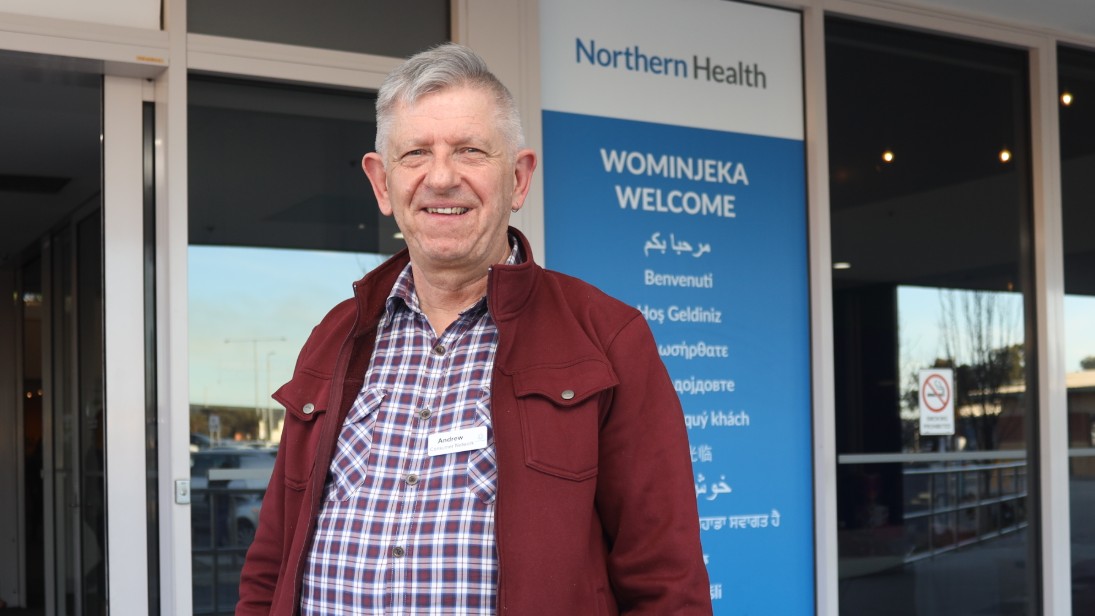
• Andrew Lauva on consumer participation

    Andrew Lauva on consumer participation

    Andrew Lauva enjoys a challenge and a problem that needs to be solved. That is one of the reasons he is one of Northern Health’s valuable consumers who has participated on a number of important initiatives, including the working party for the strategic plan, patient experience recruitment and Standard 2 committee.

    Andrew spent the majority of his career working for the Victorian Public Service. His last role was as a HR Coordinator/ Facilities Manager was at the State Services Authority.

    “I worked in about 10 departments during my career in the Victorian Public Service also volunteered with Brotherhood of St Laurence, working with Asylum Seekers and Refugees and helping them with job seeking,” he said.

    Andrew had experiences as an inpatient both in private and public hospitals.  Through his rehabilitation at Bundoora Centre for an injured ankle he became interested in volunteering at Northern Health.

    “Before Bundoora, I was also a patient in a medical ward at Broadmeadows Hospital and had rehab there to add to my consumer experience,” he said.

    As an end user of the system, Andrew felt his experience, observations of routines and practices whilst in hospital provided an opportunity for input as a consumer at Northern Health.  Coupled with his impressive experience professionally, Andrew felt he had something to offer.

    “After retiring, I was keen to stay engaged in the community and keep my mind active, as well as give back to my community. I was seeking a way to use my professional background to make a meaningful contribution. I value learning about the complexities of a public health system,” he said.

    Andrew enjoys the opportunity to share his expertise and knowledge, as well as the social interaction as a consumer. Being active in the community, and the feeling of contributing and the contact – brings Andrew satisfaction. His work on the committees and being involved in the strategic plan development enable Andrew to make a valuable contribution.

    Andrew also feels it is important to recognise and reward volunteers – as they provide their time, energy and skills to an organisation.

    “Actually, my volunteering experience at Northern Health was as a Ward Angel.  After being an inpatient myself, I understood how long a day can be, and how your day is driven by routines. A Ward Angel visits people and spends time with them. Having a chat, being a friendly face that can help break up the day, particularly if you are mostly confined to bed really means a lot,” he added.

    Andrew knows that a consumer brings fresh eyes to a situation, and being a future potential end user of the system, he aims to have his experience influence and improve others experiences.

    “We are all consumers and potential users of health services. With increasing demand, consumers can influence processes and offer a different way of doing things, that can shift efficiency and effectiveness, which a clinical or medical model may not consider,” he added.

    Andrew is excited to have a continued and deeper involvement in committees.

    “I would like the opportunity to make an active contribution to development of Framework for involving consumers in recruitment.  I like to be involved in projects where I can see the results,” he added.
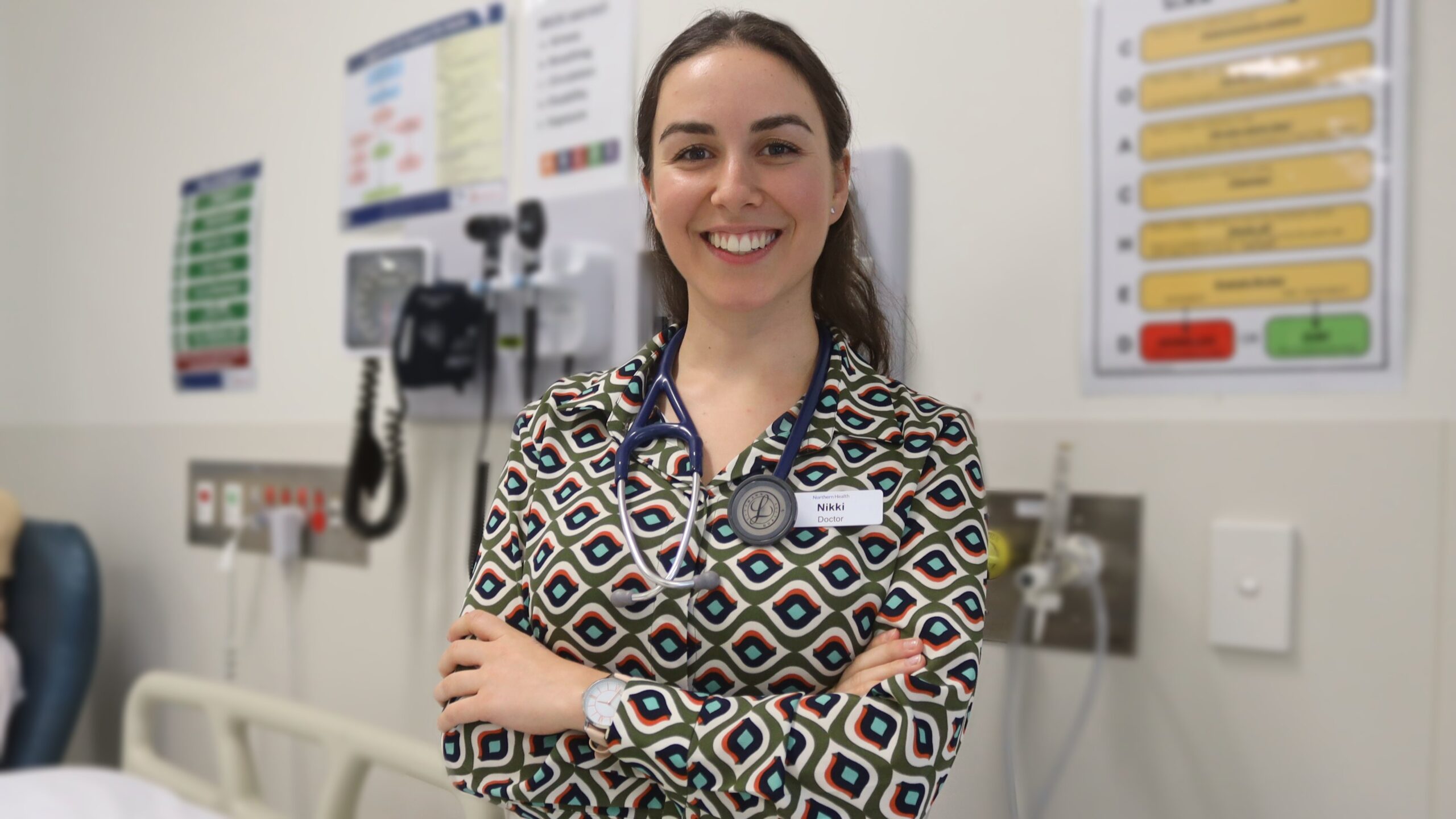
  • Intern, Nikki Petrakis on becoming a Northern Doctor

    Intern, Nikki Petrakis on becoming a Northern Doctor

    Nikki Petrakis says she has always wanted to be a Northern Doctor. This year, she saw her dream become a reality.

    Nikki is one of our many excited and talented medical interns starting their Northern Health journey this year.

    After studying as a medical student at James Cook University in Townsville and Mackay, Nikki was eager to return to her home city of Melbourne and work in the northern suburbs where she grew up.

    “Northern Health was my top choice for internship as I was driven to give back to the community I had grown up in as a child. All my big Greek family live in the area, including the four grandparents who inspired me to become a Northern Doctor.”

    “My mum began her career as a clinical support officer at Northern Hospital, and I am excited to begin my career in the same organisation,” she said.

    Nikki tells us she enjoyed visiting family members over the years who worked for Northern Health.

    “Growing up, I always visited family working here, including my two aunties who work in surgical bookings and podiatry still to this day. However, I’m proud to be the first in the family to work here as a doctor.”

    Nikki’s time studying interstate provided her with a number of unique experiences to help shape her as a junior doctor.

    “Studying in Far North Queensland has equipped me with the skills to become a practical and resourceful doctor. I was fortunate enough to deliver babies in the Tropics of Fiji, work rurally in Mount Isa and visit some of Australia’s remotest communities with the Royal Flying Doctors Service,” she says.

    The future looks bright for Nikki and she is keen to hit the ground running to care for patients and families in the north.

    She tells us she is most looking forward to being an advocate for holistic patient care. She says, “this is especially relevant in communities like ours that have such diverse backgrounds.”

    “I am particularly passionate about having a role in the development of Northern Health as an organisation that services not just individual patients, but our entire community,” she adds.

    “Although I have not chosen a medical specialty yet, it is exciting to be a part of the growth corridor out in the north, and see my career develop alongside the continued expansion of the health service.”

  • Northern Health hosts third annual Complex Venous Workshop

    Northern Health hosts third annual Complex Venous Workshop

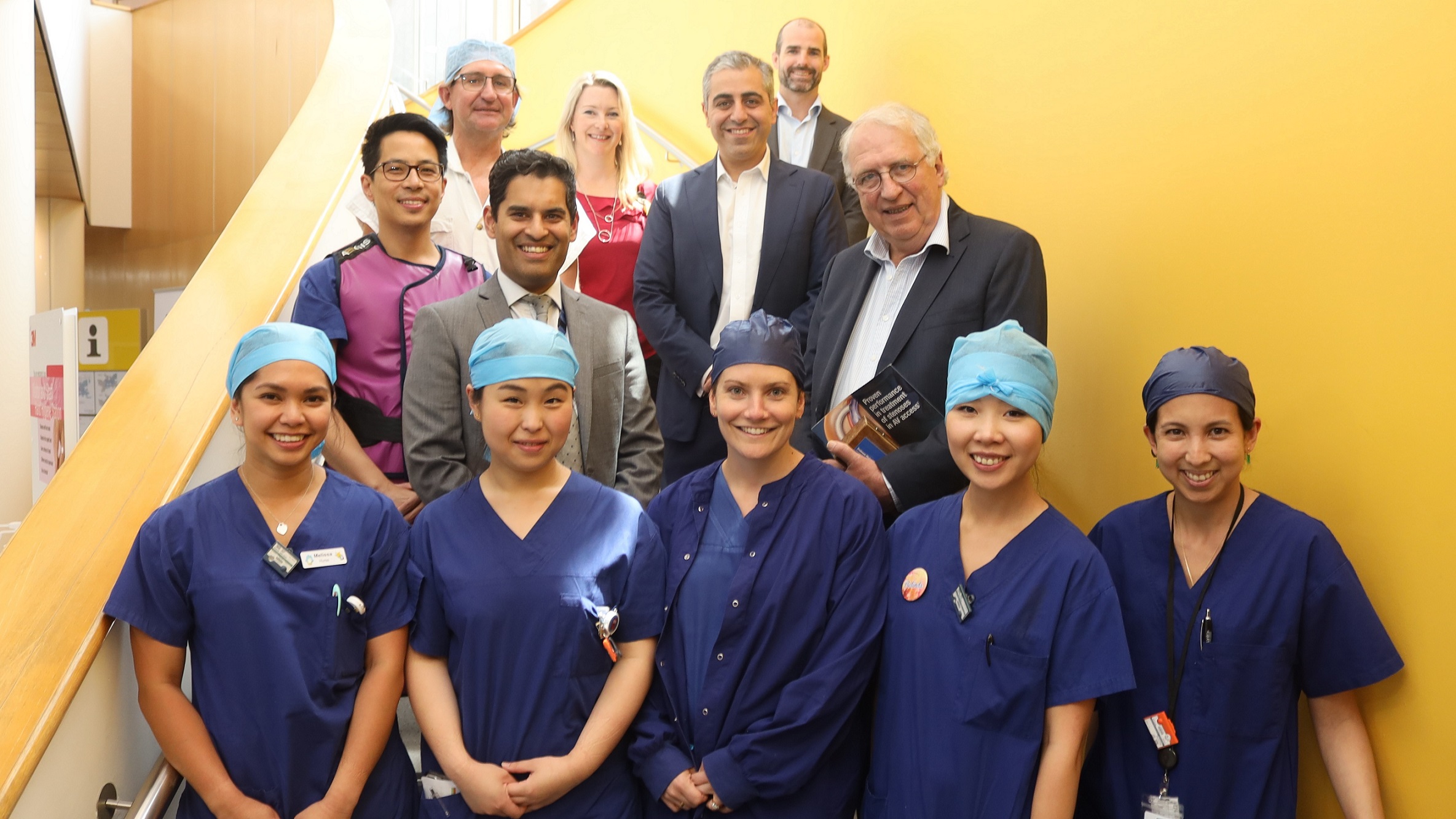
    The Northern Health vascular surgery team were pleased to host their third annual Complex Venous Workshop last Wednesday.

    Workshops involve treating cases of patients with complex venous disorders, and hosting renowned venous experts from around the globe, for an opportunity to share expertise and learn from world-leading surgeons.

    “This year, we had the honour of hosting Melbourne surgeon, Professor Michael Grigg, to join us and share his invaluable experience. The focus of the workshop was thoracic outlet compression and, once again, a case of complete vena cava obstruction,” said Iman Bayat, Head of Vascular Surgery at Northern Health.

    Professor Grigg led the first case of the workshop – a cervical rib resection to treat thoracic outlet syndrome.

    The thoracic outlet is a narrow space between the collarbone and first rib. Through this narrow space, large vessels and nerves travel from the chest and neck into the arms. In some patients, these vessels and nerves can be compressed and result in complications such as blood clots or damage to the vessels.

    Treatment for these patients is not only to treat the immediate complications such as blood clots, but to prevent recurrence of the complications by removal of the first rib. Interestingly, our patient who underwent treatment during the workshop not only had compression by the first rib, but also had an extra rib, which is a known but rare congenital anomaly.

    The patient underwent successful surgery by Professor Grigg and Northern Health surgeons, Mr David Goh and Mr Shrikkanth Rangarajan.

    “The workshop today was excellent. It’s a very pleasant environment here and the theatres are extremely well equipped,” said Professor Grigg.

    The second case, led by Northern Health surgeons, Mr Iman Bayat and Mr David Goh, successfully opened an obstructed inferior vena cava (IVC) and iliac veins using balloons and stents.

    “In our efforts to treat the more complex of the spectrum of chronic venous obstruction, our second case was a patient who had blockage of her inferior vena cava from previous, and now in remission, cancer,” Mr Bayat said.

    “The IVC is the main vein in the abdomen that transports the returning blood from both legs and the pelvic organs back to the heart. With this vein being completely blocked, our patient unfortunately suffered from pain in the legs while walking, leg swelling, and, if not treated, would have developed further complications such as ulcerations and skin changes. The procedure was successful with no complications,” Mr Bayat added.

    “It was just over a year ago when we performed the first endovascular IVC reconstruction with guidance from Mr Stephen Black visiting from the UK, and it’s great to see the skills acquired at these workshops enable our surgeons to now tackle these more complex procedures and bring those benefits to our patients,” Mr Bayat said.

    Northern Health vascular surgeons are leading the state in treating complex venous disease and are working towards offering a complete spectrum of venous care to patients in the north.

    Featured Image: Mr Iman Bayat, Head of Vascular Surgery at Northern Health (centre) and Professor Michael Grigg (far right middle row) with Northern Health staff 

  • Northern Health welcomes 2020 graduate nurses and midwives

    Northern Health welcomes 2020 graduate nurses and midwives

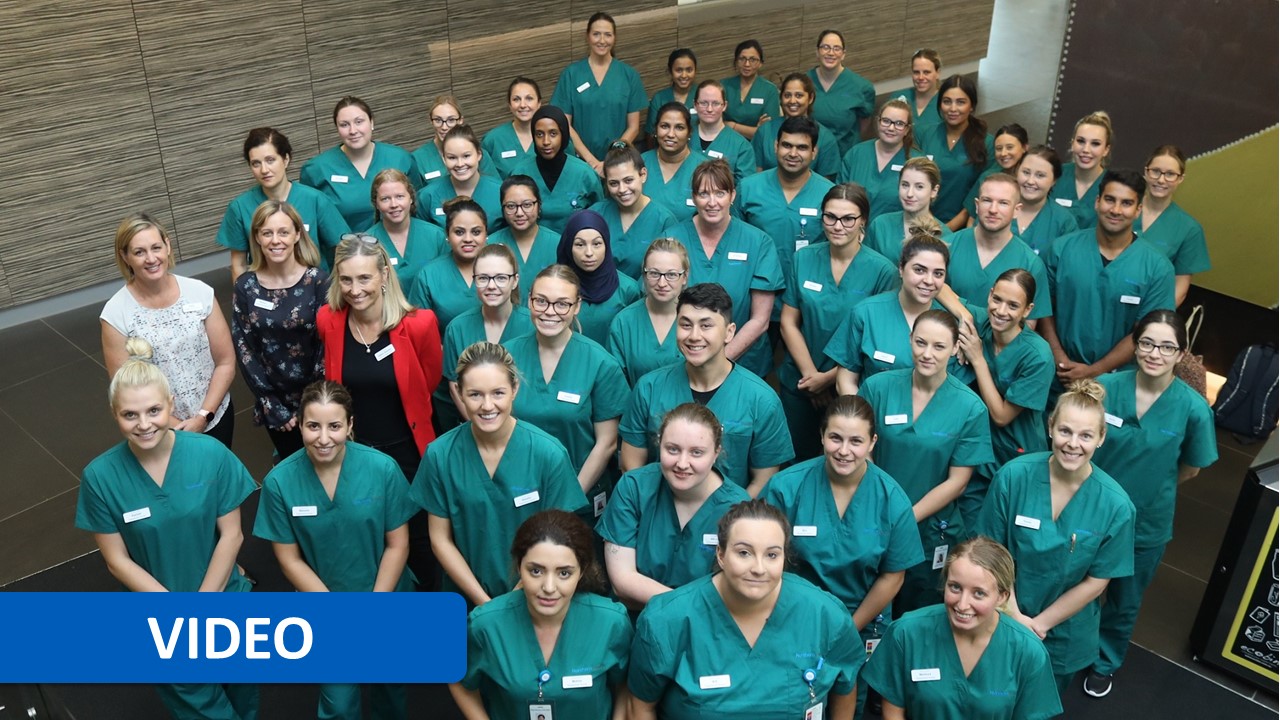
    Many new faces have been warmly welcomed to Northern Health, as 52 graduate nurses and midwives begin their careers today.

    Following a record number of applications received for Northern Health’s 2020 Graduate Nursing and Midwifery Programs, a total of 124 graduates will start throughout the year.

    This is a special year to begin their nursing careers, as 2020 is the International Year of the Nurse and the Midwife – a year to recognise and showcase the crucial roles nurses and midwives have in the community to improve the health and wellbeing of patients and their families.

    Northern Health Chief Nursing and Midwifery Officer, Debra Bourne, said, “It is with great pleasure that we welcome the new graduate nurses and midwives to Northern Health.”

    “With 2020 being declared the International Year of the Nurse and Midwife, it is an important year for our profession – a time when we will celebrate and promote the role of the midwife and nurse. The new graduates are part of this celebration and we are excited for all that they will bring and add to this year,” she said.

    The enthusiastic nurses and midwives will complete a two-day orientation at the state of the art Northern Centre for Health Education & Research, before commencing rotations in areas including emergency, surgical, paediatrics and aged care.

    As a tertiary teaching health service, Northern Health offers three streams of Graduate Programs: General Nursing, Midwifery, and Combined Nursing & Midwifery.

    The three programs support nurses and midwives as they make their transition from student to registered nurse or midwife, combining theory and knowledge from their studies with practical skills.

    Nurses and midwives also have the opportunity to work across our four sites: Northern Hospital, Broadmeadows Hospital, Bundoora Centre and Craigieburn Centre, allowing them to further develop their skills in many different areas of Northern Health.

    Congratulations and good luck to all of our 2020 graduate nurses and midwives – we look forward to working with you throughout your Northern Health journey!

    We asked some of our new graduate nurses and midwives what they are most looking forward to about working at Northern Health. Hear what they had to say in the video below.

  • Grant success: CMAC device arrives to Anaesthesia

    Grant success: CMAC device arrives to Anaesthesia

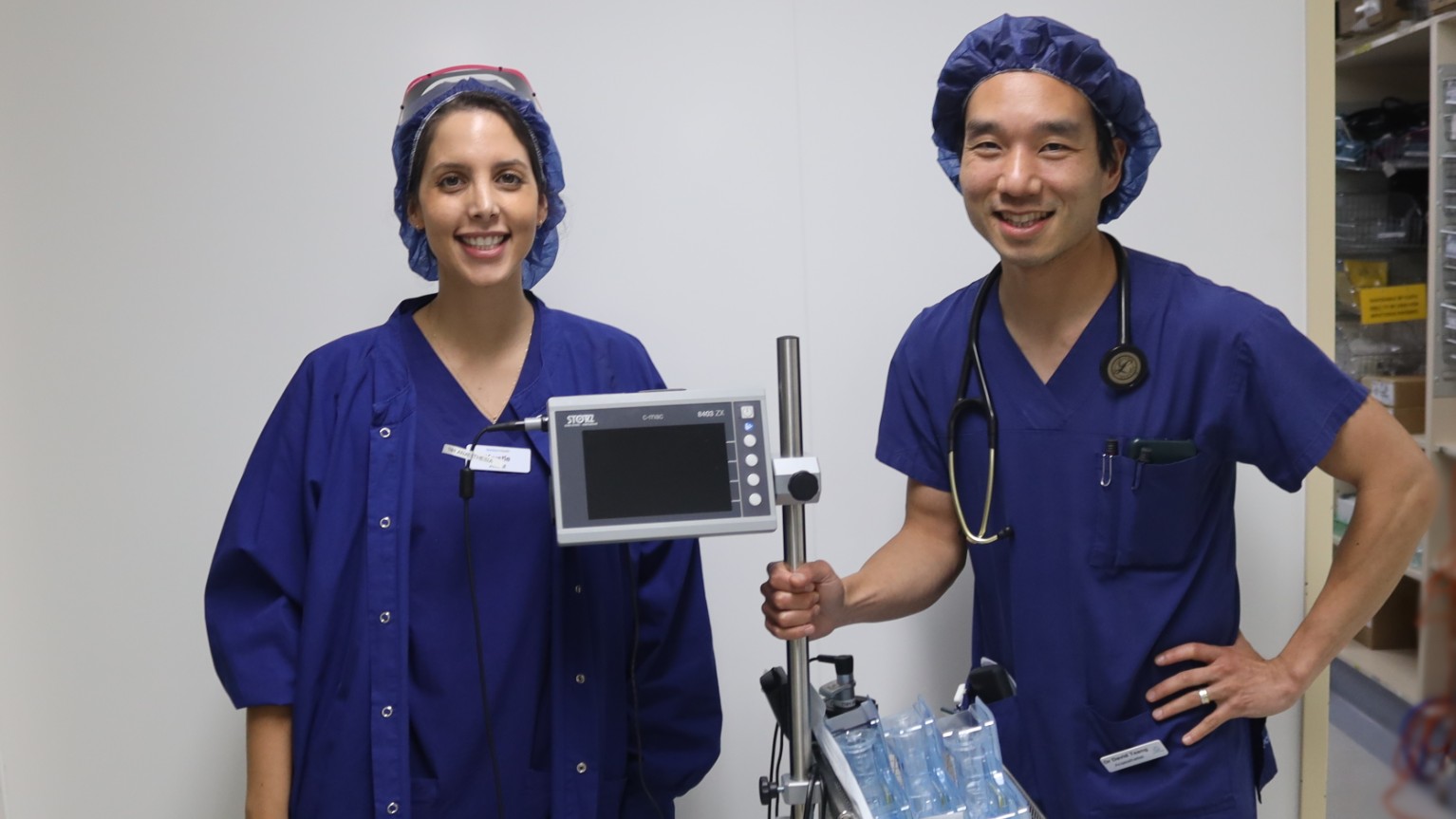
    With the help of Northern Health Foundation, the Department of Anaesthesia has successfully obtained a grant for the CMAC video laryngoscope.

    Dr David Tsang, Anaesthetist, said the idea for applying for a CMAC, a device used to safely manage airways, came as a result of the need to provide timely help across the whole hospital.

    “One of the greatest challenges in airway management are usually not within theatre itself, but in other departments, like emergency and intensive care. In those departments, they already use CMAC, which is different from what we were using in theatre, so the idea was that if we obtain CMAC for theatre, it would improve airway management throughout the hospital,” he said.

    That way, the theatre staff would be more familiar with the equipment in other departments, especially when staff are called to provide expert advice and management in other departments.

    “Having a CMAC of our own means we wouldn’t be looking at the equipment for the first time in other departments,” he explained.

    “In terms of obtaining the grant, we saw a unique opportunity to apply for the grant because the speech pathology department have been in the process of establishing an endoscopic evaluation of swallow service which uses the CMAC module. Because they already use it, this was a chance for us to put the same module to an additional purpose,” he said.

    “The equipment arrived in late 2019, with a lot of help and support from the Northern Health Foundation. It is great that the Foundation recognised this opportunity to benefit two different departments with a shared piece of equipment. We are very grateful,” David added.

    “Northern Health Foundation were supportive of the grant as it will be a shared resource with the speech pathology department, as well as aligning CMAC equipment across Northern Hospital. It also supports our medical staff when managing patients across departments and improving the patient experience,” said Yvonne Amos, Director Northern Health Foundation.

    Featured image: Krystle Neophitou, ANUM of Anaesthetics and Dr David Tsang.

  • Giant Steps for innovation at Northern

    Giant Steps for innovation at Northern

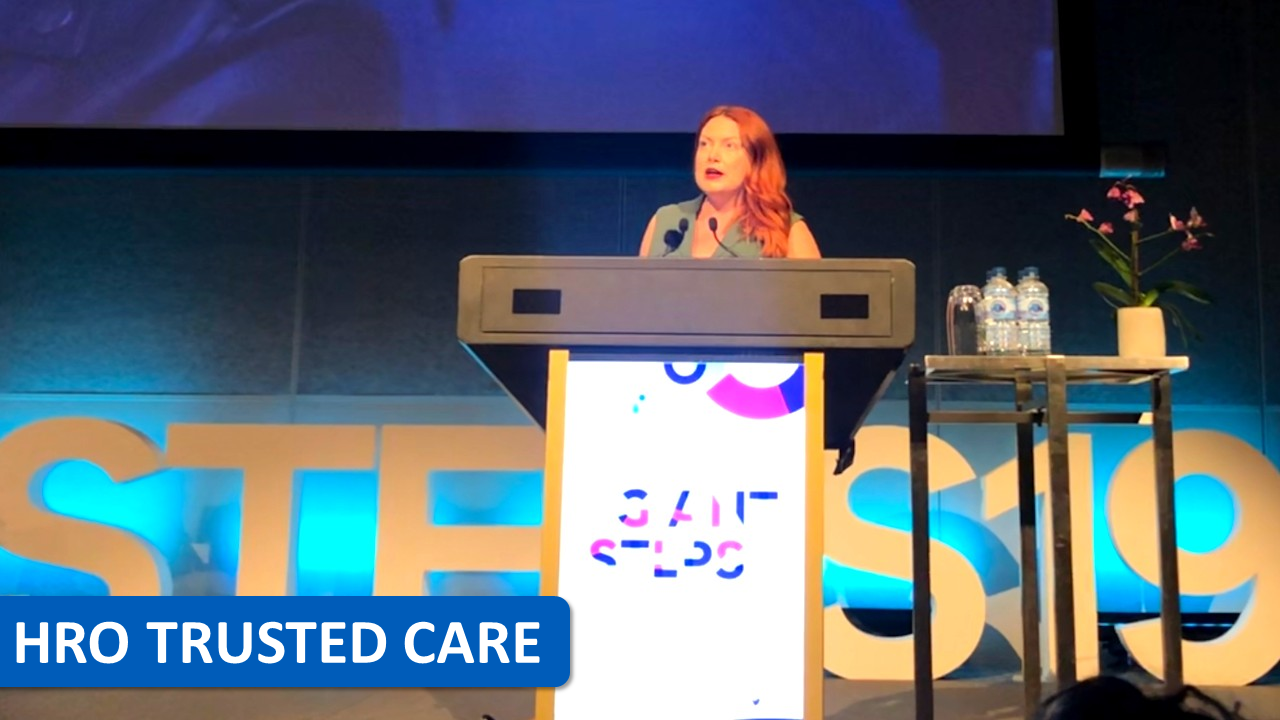
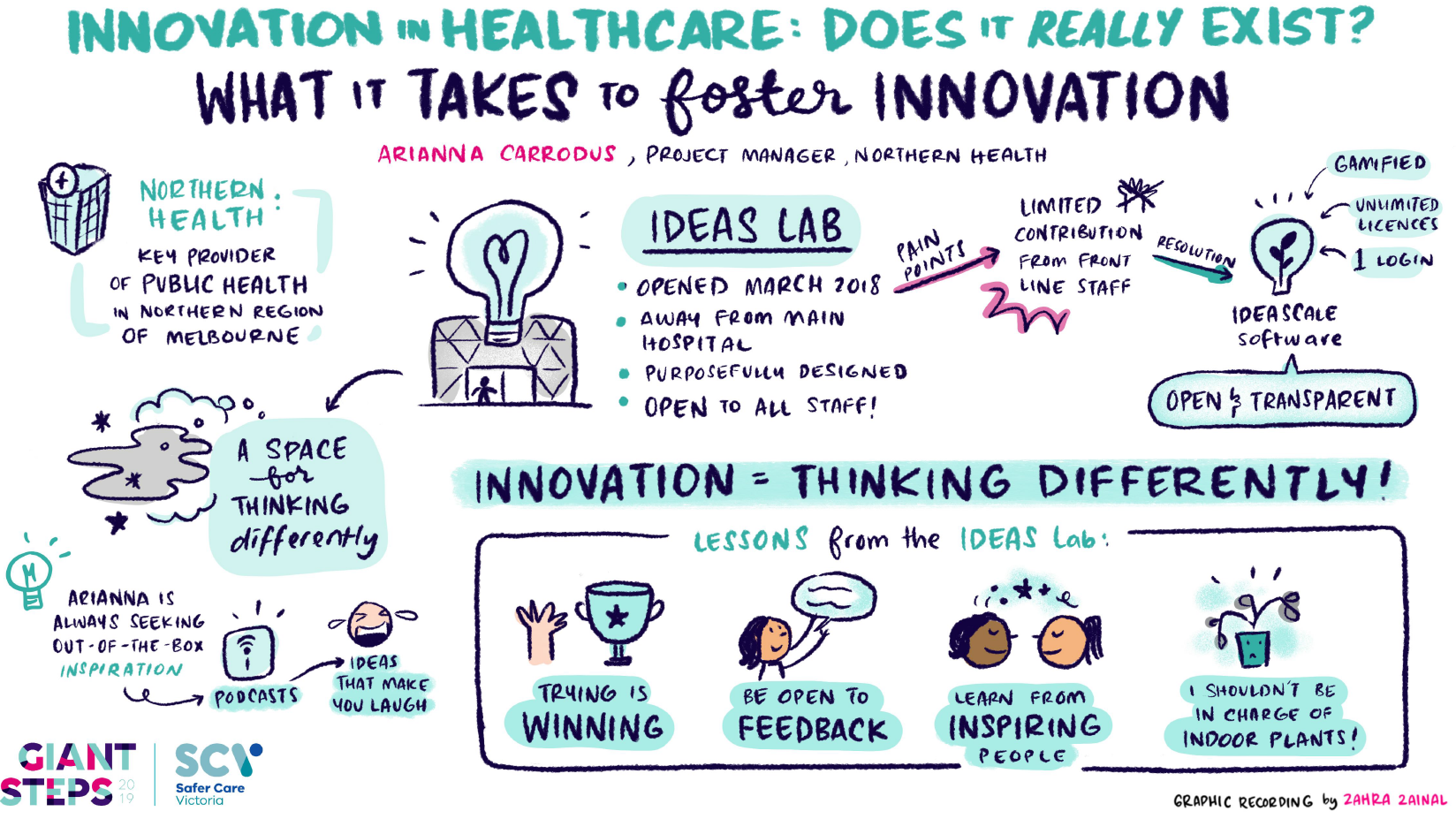
    At the recent Giant Steps Conference, our HRO Project Manager, Ariana Carrodus, presented on innovation in health care and our Ideas Lab.

    The Giant Steps 2019 – Towards better, safer care is a two-day health care quality and safety event, aimed at those who are interested in finding better and safer ways to deliver health care in Victoria.

    Ariana, who leads the Ideas Lab at Northern Health, says we are the only public health service in Victoria to have an Ideas Lab and people are interested to hear how it works.

    “The title of my presentation was, ‘What it takes to foster innovation,’ and I talked about our HRO strategy and vision around achieving high reliability. One of the mechanisms of achieving HRO is through the development of the Ideas Lab space,” she said.

    To an audience of over 300 people at the main conference stage, Ariana explained how the Lab was established in early 2018, the feel of the space and what makes it different.

    “The fact that the space is away from the hospital makes it additionally unique. When people walk into the room, they immediately think they’ve stepped into a kindergarten or that it’s an unfinished space. All of these things are factors that contribute to thinking differently,” she said.

    Ariana also touched on the development of the ideas management software, ‘IdeaScale’, and how it helps engage with all staff, regardless of the shift they are working on, or the campus they are at. The software is available to all staff, and everyone is encouraged to contribute their ideas.

    A panel discussion followed the presentation, and together with Matiu Bush, Deputy Director of Transformation Lab at RMIT, Ariana answered numerous questions on innovation in health care.

    “There were lots of questions on improvement, innovation and consumer participation. The really good thing about speaking at this conference is being able to showcase all the wonderful things Northern Health is doing.”

    “People were curious about how it all works and showed interest in coming to Northern Health to observe the workshop. The number of people who came up to me after to ask if they can come and visit is wonderful,” she said.

    The monthly Ideas Lab challenges the concept of a traditional workshop, with a new topic each month. Led by Northern Health’s Chief Executive and open to all staff, they encourage people to think differently and find creative and innovative solutions to current issues.

  • Our HRO and safety highlights

    Our HRO and safety highlights

    As an Executive Director of Quality, Safety and Transformation, I am proud to say 2019 was a big year for our organisation when it comes to the number of safety initiatives we have implemented.

    Not only has the year consolidated our understanding of a High Reliability Organisation (HRO) as it applies in the Australian health care setting and specifically, at Northern Health, but it has also delivered some significant initiatives that bring us closer to becoming a highly reliable organisation and achieving our goal of Trusted Care for our community.

    We’ve achieved many goals so far, but our journey is not yet over.

    Some highlights from 2019 include the establishment of eight Comprehensive Unit-based Safety Programs (CUSPs) to promote and improve patient safety. These CUSPs have engaged all ward staff and encouraged them to come forward with safety improvement ideas.

    We have also established a dedicated safety science training open to all staff called ‘Reliable Innovation and Safety Science at Northern Health (RISSN)’. The training is free to all our staff and gives participants practical project coaching and advice, with the ability to positively contribute to safety of our patients.

    I am also proud of our Simulation Clinical Community, who successfully coordinated four simulations with a quality and safety improvement focus. Another safety-focused initiative is our Daily Safety Brief. Northern Health’s Daily Safety Brief is a morning huddle where we get together to learn more about how we manage and solve our daily safety and operational challenges.

    We have also launched our ideas management software ‘IdeaScale’. This is a platform where we host all ideas on improvements, innovation, as well as all creative ideas that came out of our monthly Ideas Labs. If you haven’t attended an Ideas Lab workshop before, I strongly encourage you to do so this year and contribute to creative problem solving in our organisation.

    There are numerous things I look forward to in 2020, such as addition of two staff members who haven’t previously been part of the transformation team, and a new consumer who would be joining our steering committee. The quality and safety team will focus on increasing the levels of trust between teams and disciplines, which we’re calling horizontal trust, and removing waste from the system with the initial focus being on finding ways to save our patients’ time.

    I am also looking forward to the introduction of Sharepoint software for project management and documentation management and the increased focus on our Staying Well initiatives.

    If you would like to get involved, please contact the team at HRO@nh.org.au.

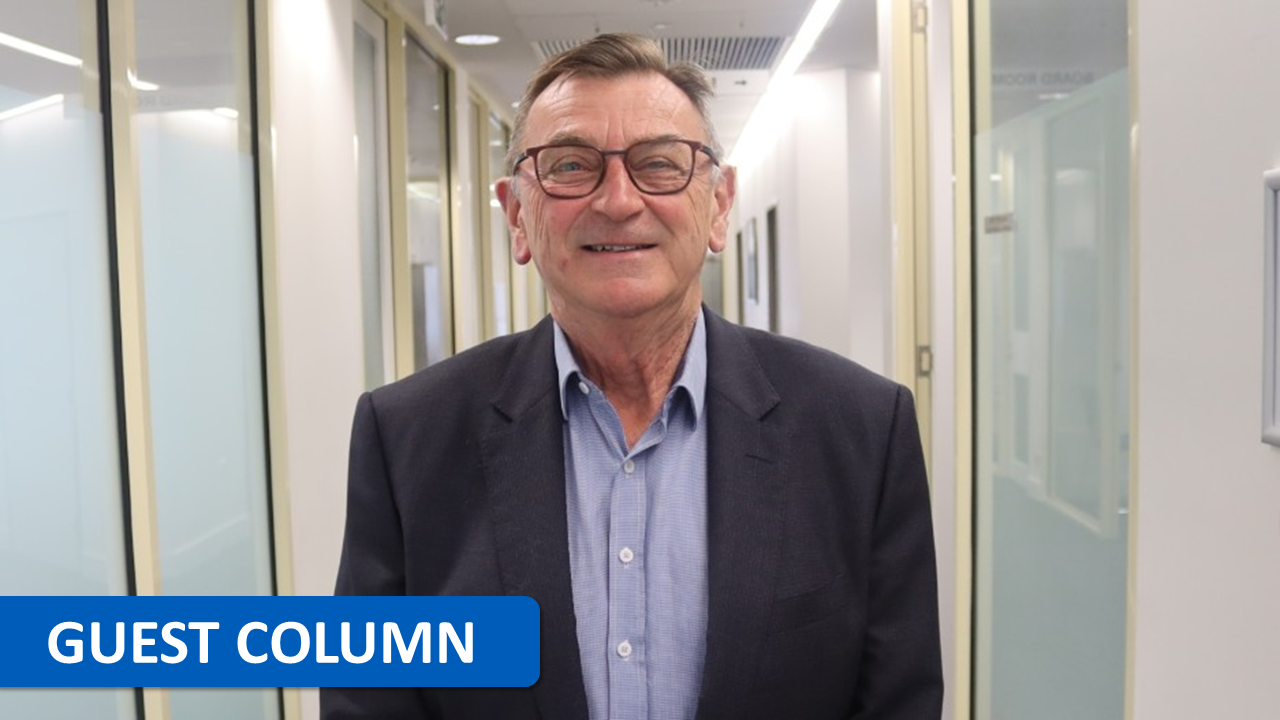
    Dr Bill Shearer

    Executive Director, Quality, Safety and Transformation

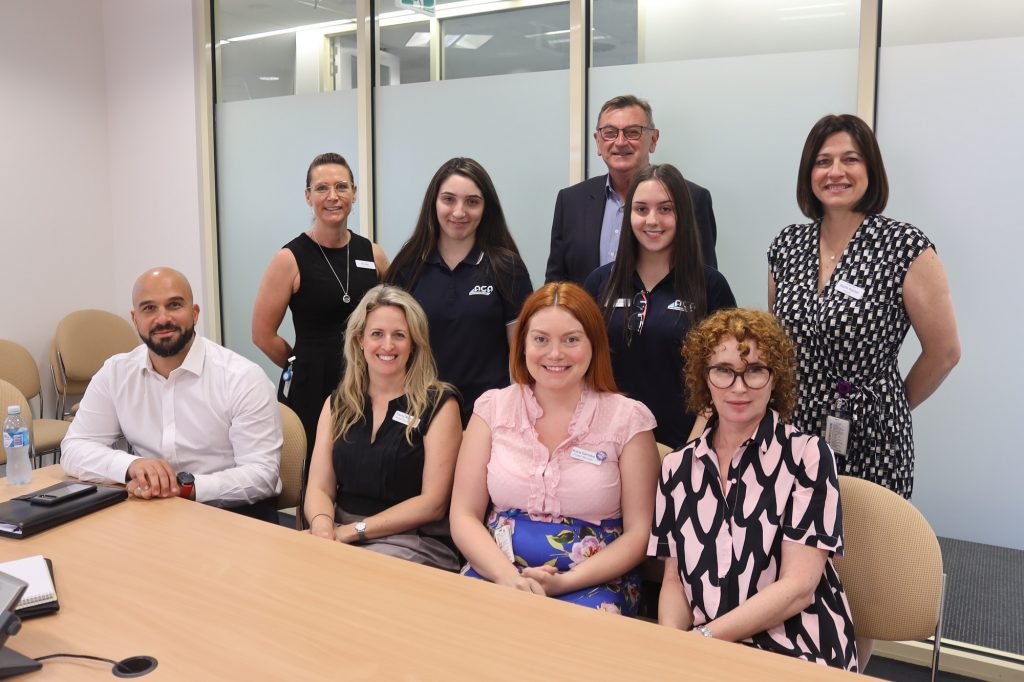
    Bill with the HRO team
  • New Outpatient Symptom Management Clinic at Bundoora Centre

    New Outpatient Symptom Management Clinic at Bundoora Centre

    The Northern Health Integrated Palliative Care Service now offers an outpatient Symptom Management Clinic, operating fortnightly at Bundoora Centre.

    The clinic is suitable for patients with an advanced and/or life-limiting condition who would benefit from specialist palliative care involvement such as linking in with a community palliative care team, optimising symptom management or facilitating psychosocial support and end-of-life decision making.

    The clinic is run in association with the Banksia Community Palliative Care Service and is funded by a grant from the Victorian Department of Health and Human Services.

    The clinic hopes to make it easier for patients with palliative care needs and difficulty accessing specialists to access the support and expertise that they need.

    The symptom management clinic is attended by Dr. Kerith Whittigan, who is a palliative care physician, and a clinician from Community Palliative Care.

    The clinic has been well received by both patients and the community.

    “Patients are finding this an excellent opportunity to have their concerns and symptoms comprehensively addressed, and have input from both their palliative care teams working together,” says Dr. Whittigan  of the new service.

    Head of Palliative Care services at Northern Health, Dr. Alison Giles, says, “This is a great opportunity for us to improve access to specialist palliative care services for patients in our area. These patients often have complex needs that can benefit from early identification and intervention.  These might include symptom control, psychosocial support and opportunity for challenging conversations about end-of-life decision making that will hopefully help them to avoid unwanted hospital admissions. Great to be working in partnership with our Banksia community colleagues.”

    Staff wishing to refer to the clinic should contact the Palliative Care Consultation Service.

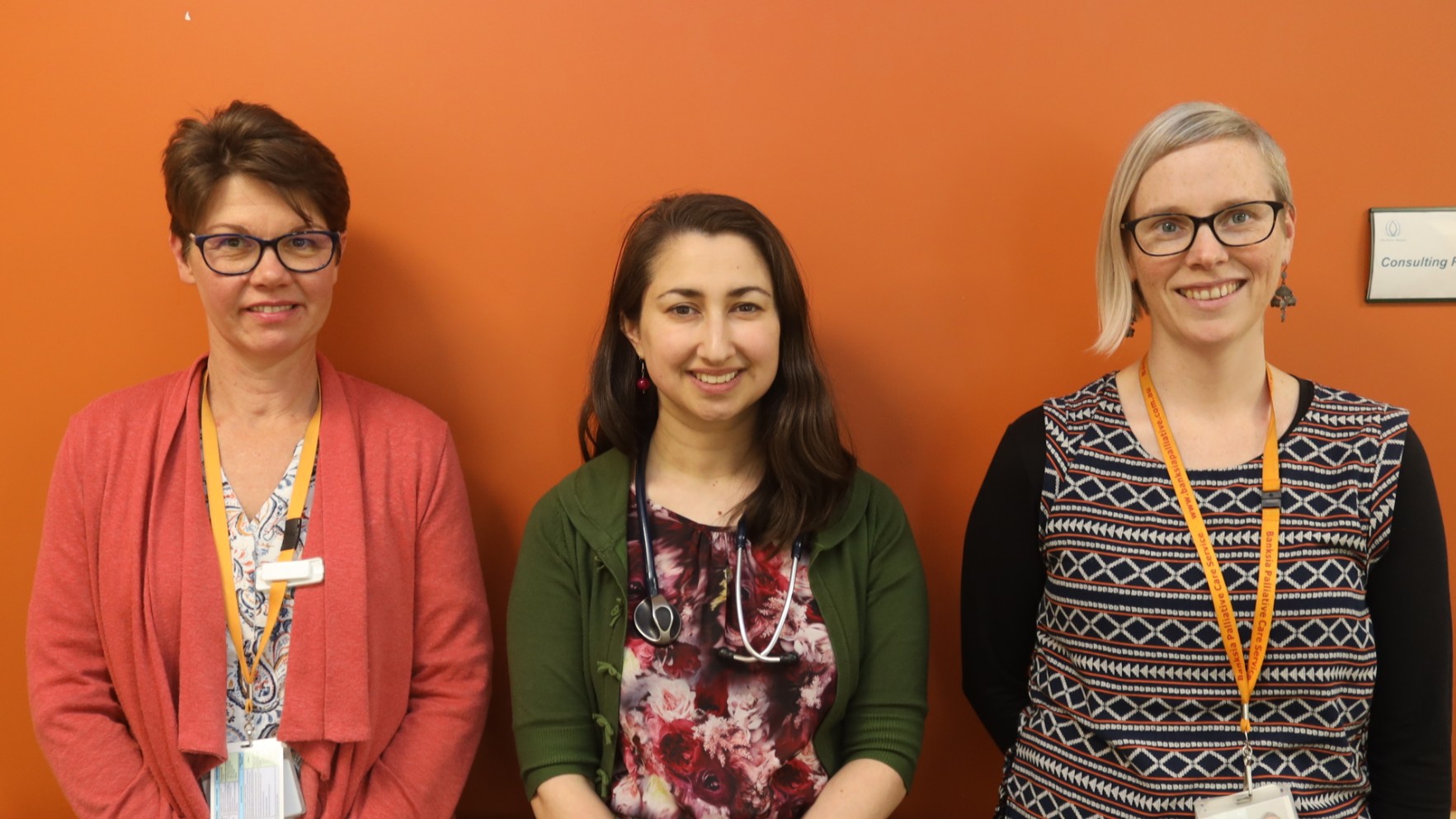
    Featured image (left to right): Wendy Palmer, Banksia Palliative Care Nurse; Dr Kerith Whittigan, Palliative Care Physician Northern Health and Tori Pearce, Banksia Palliative Care Social Worker.