• Chief Executive Message

    Chief Executive Message

    Quarterly Staff Recognition Awards

    Northern Health is introducing a new Quarterly Staff Recognition Awards program designed to formally recognise outstanding contributions by our employees and celebrate staff excellence. The Quarterly Recognition Awards will be an opportunity for us to reward teams and individuals in a wide range of areas, who have demonstrated commitment to high quality outcomes.

    Categories will cover exceptional patient experience, compassionate care, safety improvement, innovation and potential to grow and develop at Northern Health.  An “Above and Beyond” category will also be awarded. The Awards will be jointly conducted by People and Culture and Public Affairs with sponsorship from BankVic and Maxxia.

    I encourage staff to nominate their colleagues for their achievements at Northern Health and celebrating success and commitment to our patients and each other. Entries are now open and you can nominate here.

    Trusted Care

    Bill Shearer, our Executive Director, Executive Director Transformation Quality & Safety, is leading our work to becoming a High Reliability Organisation (HRO). This is a three year journey where we advance our commitment of delivering trusted care to our community. All staff are encouraged to become involved in this journey. You can find out more about HRO and Trusted Care in the guest iNews column this week.

    Hope you all have a great week ahead.

    Siva Sivarajah

    Chief Executive
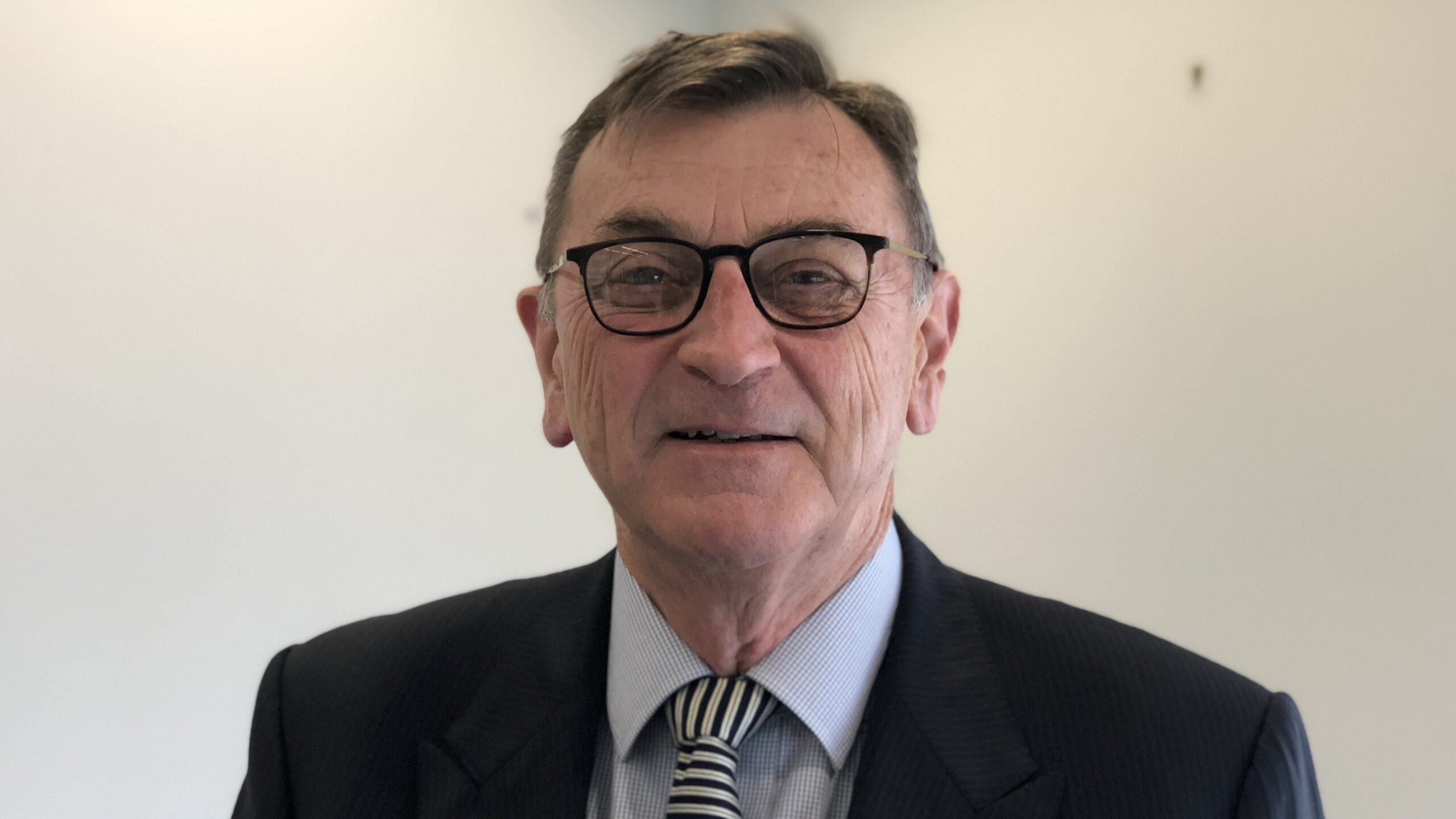
  • Bill Shearer: Trusted care to our community

    Bill Shearer: Trusted care to our community

    High Reliability Organisations are those which maintain a high level of safety in dangerous and complex environments.  In 2017, Northern Health began a journey towards becoming a High Reliability Organisation in partnership with Johns Hopkins Health. This has allowed us to learn from the experience of one of the top three hospitals in the world and adapt that experience and knowledge for Northern Health.

    Through this partnership, we are able to examine the way we currently work through the lens of High Reliability, which has led  us to design and begin to implement significant and sometimes dramatic changes.  These changes have been built around the concept of delivering trusted care to our community.

    We understand that trusted care is safe, patient-centred, clinically excellent and operationally efficient care. This care is delivered by high functioning teams in an organisation which has a culture that fosters trust both within the health service and from the community we serve.

    Johns Hopkins has described some basic tools for delivering High Reliability in healthcare, including the deployment of Comprehensive Unit Based Safety Programs to maximise the safety of our patients, and the use of Clinical Communities to solve the most complex and difficult of clinical problems. We have adapted and extended these to include the concept of the enabled healthcare worker.

    The enabled healthcare worker is everyone of us. This healthcare worker has knowledge about safety in hospitals and the workplace, knows how to talk to patients with respect and kindness and is passionate about investigating new ways of improving healthcare.

    We are all capable of being a champion of safety.

    Over the coming weeks and months, you will hear about the projects we are commencing and how you can become involved.

    Bill Shearer

    Executive Director, Executive Director Transformation Quality & Safety

  • Audi Raffle Ticket No. 37 – Basil, our CFO

    Audi Raffle Ticket No. 37 – Basil, our CFO

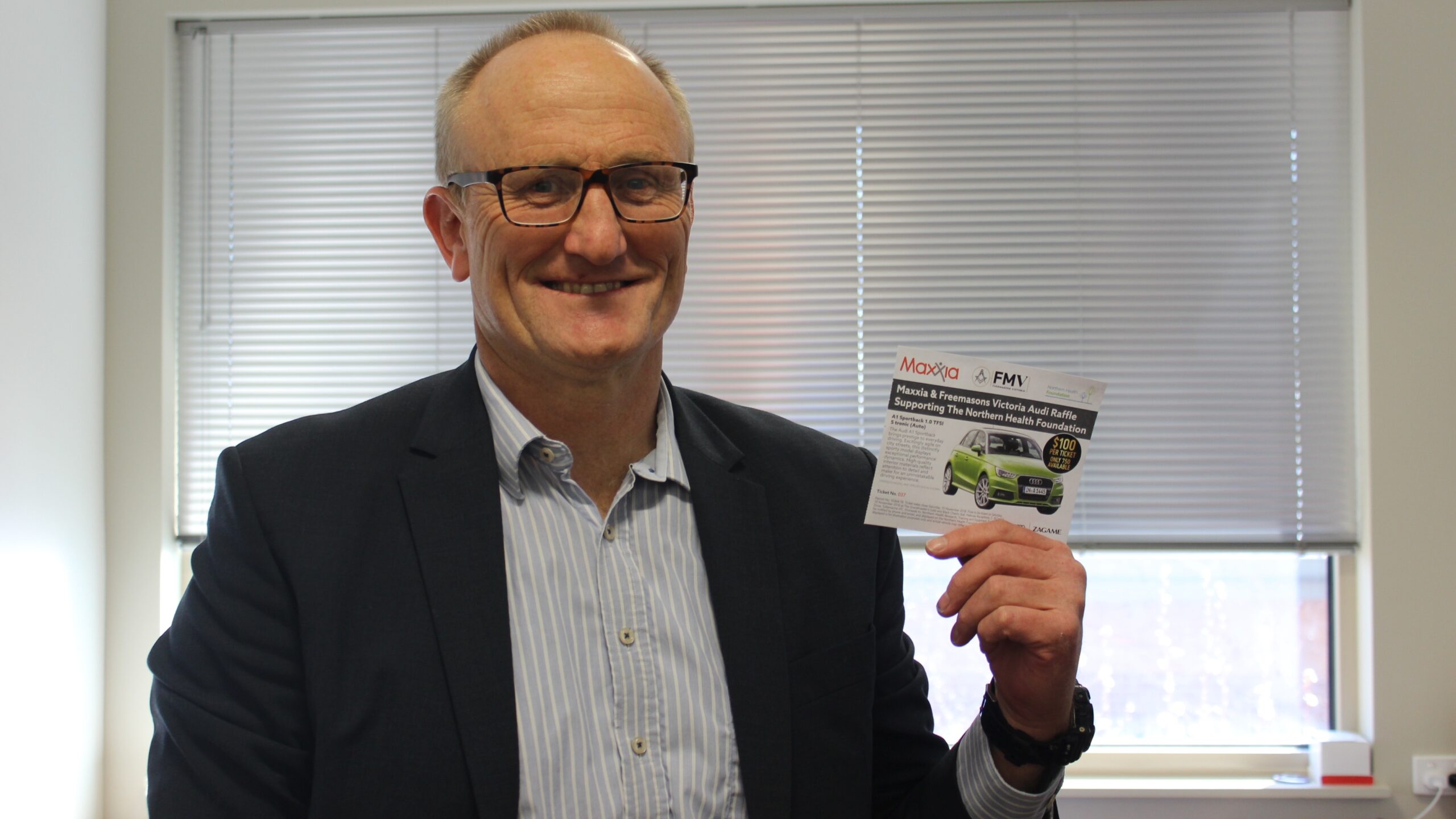
    Foundation’s Audi raffle ticket sale is in full swing, with our staff members making sure not to miss out on the opportunity to win the fabulous sporty A1 looking for a new place to call home.

    Basil Ireland, our CFO, bought ticket no. 37 this year, inspired by the efforts the Foundation is putting into raising funds for our Paediatric High Dependency Unit.

    “This is a great chance for our staff to win a car – one in 750, better than most odds you get. The money is going to a great cause and it’s definitely worth buying the ticket,” he says.

    We were wondering what Basil would do in case he won, and he shared with us that he’d definitely keep the car and drive to work in it.

    If you’d also like to drive to work in an A1 Sportsback, be sure to grab your lucky ticket from our dedicated volunteers in the Northern Hospital foyer or just click here.

    And if you’ve already bought a ticket and would like to share your story, contact us.


  • Northern women, let’s chat about your health

    Northern women, let’s chat about your health

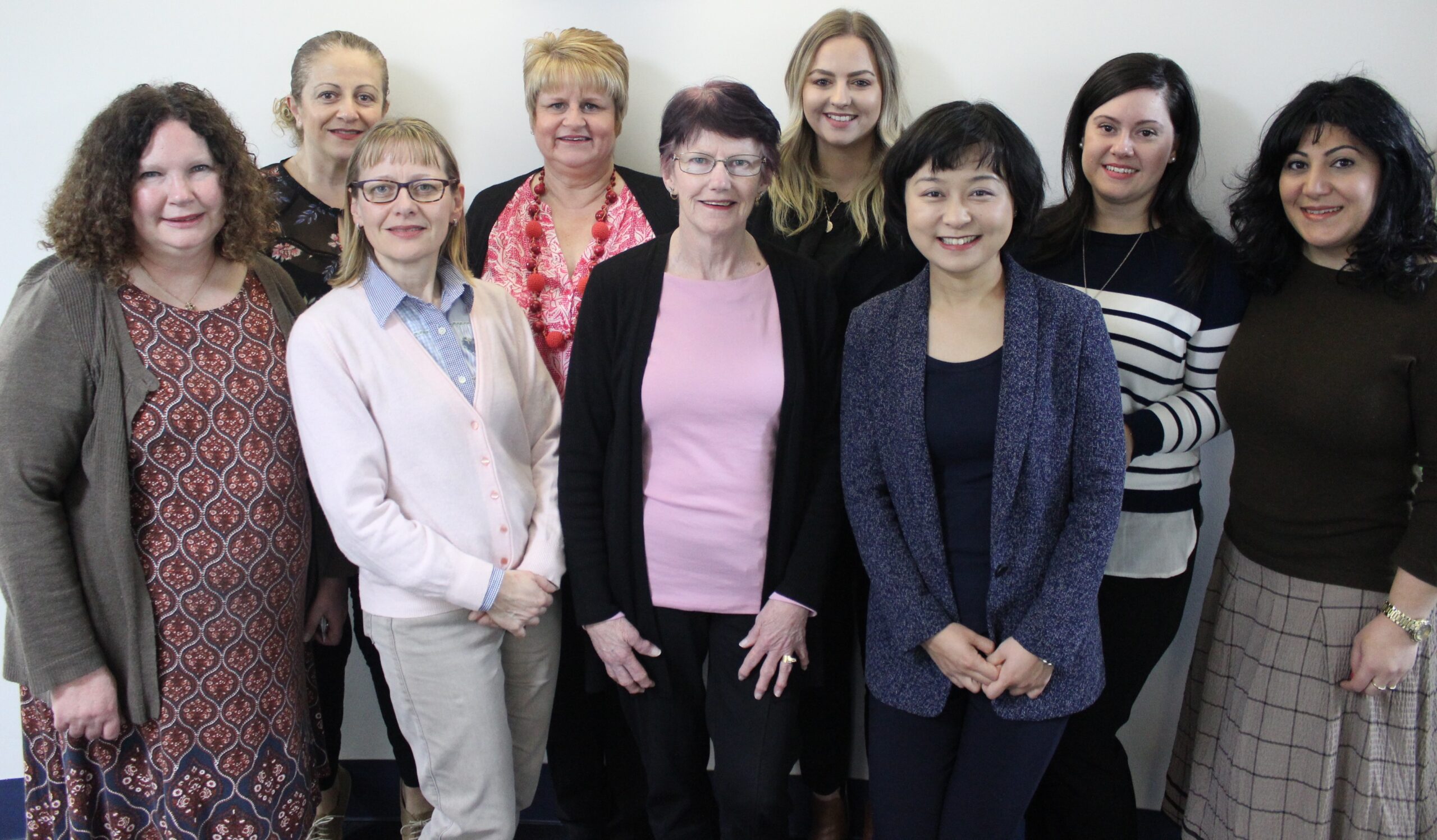
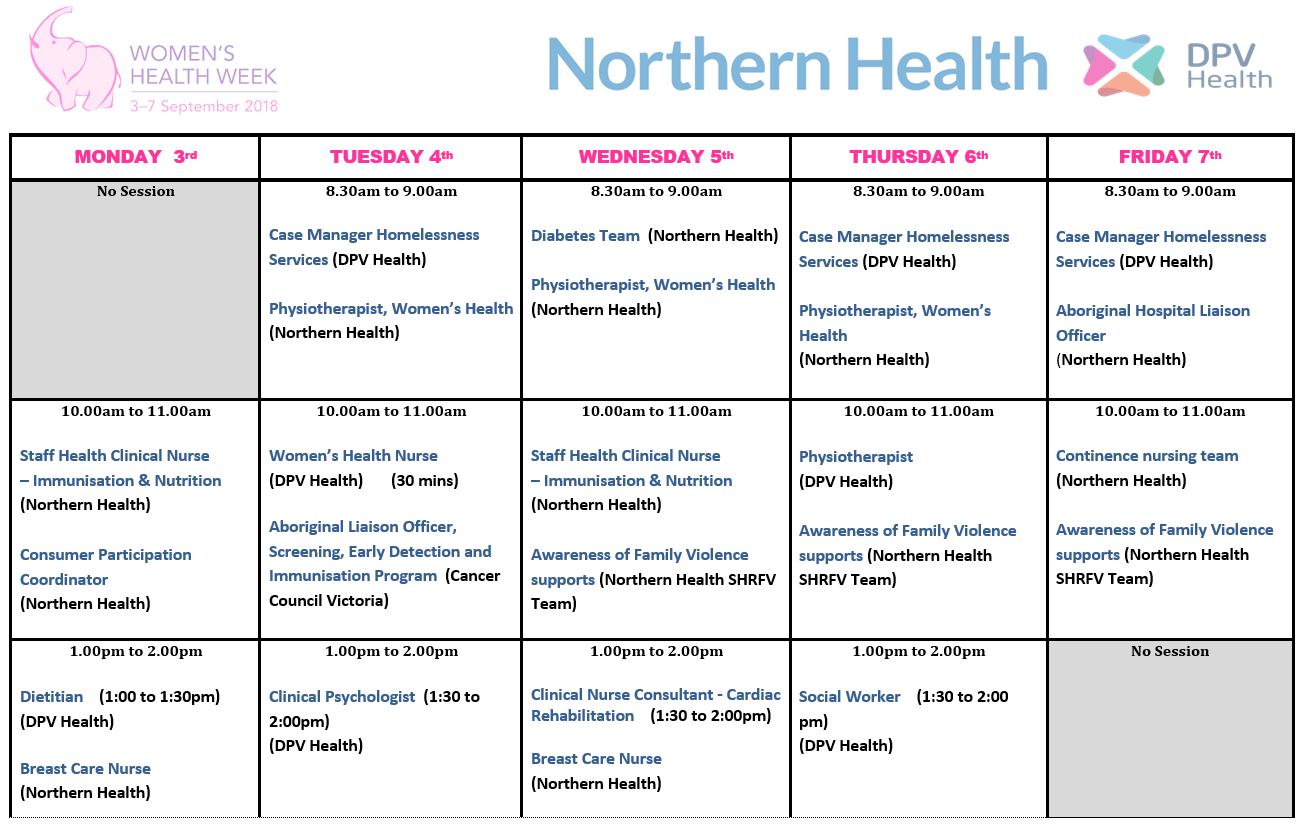
    Northern Health is celebrating Women’s Health Week by holding a fabulous event for its female staff and women from Melbourne’s northern suburbs, with the aim to empower women and improve their health.

    Women’s Health Week will be held from 3-7 September 2018 at Northern Hospital Foyer, with the drop-in sessions running from 8.30-9am, 10-11am and 1-2pm. This is a great opportunity to discuss different aspects of women’s health with a Northern Health professional, get essential information and advice, and take a proactive approach towards health.

    Cheryl Murray, Breast Care Nurse Consultant at Northern says that women are usually are busy juggling family, work and day to day duties, and a lot of the time they put everyone else’s needs first. Time is quite often the enemy for women when it comes down to maintaining their health, with women often forgetting about themselves and more often than not only seeing a doctor when something goes wrong.

    “It is crucial for women to look after themselves mentally and physically and that starts as early as vaccinations. Knowing your body and what is normal and abnormal is great, knowing what to do if there is a problem. Taking advantage of the community programs like Breast Screening, vaccination programs, cervical screening and bowel cancer screening is essential to be healthy and to live a long and happy life,” she says.

    Cheryl also points out that prevention is one of the keys to good health. In cases where women are facing a health issue, getting on top of it early can make all the difference, particularly if it is a potential life threatening scenario.

    We encourage you to have a look at the topics covered during each session and be sure to drop in at the foyer for a chat.

    It’s free, informative and can be life-changing.


  • Mental Wellness: Start the Conversation

    Mental Wellness: Start the Conversation

    From 10 – 13 September, Northern Health will be holding a week of ‘Conversations on Mental Wellness’ as part of our Psychological Wellbeing Strategy.

    The program focuses on three main areas; protection, prevention and intervention, as an initiative to protect the mental health of Northern Health staff, promote wellbeing, and intervene to address mental health concerns.

    World Suicide Prevention Day will mark the start of the program on Monday 10 September, with Layne Stretton from Roses in the Ocean speaking about the impact suicide can have on families and communities, and the signs to look out for.

    Speakers and sessions will run until R U OK? Day to close the program on Thursday 13 September.

    The objective of these events is to showcase Northern Health’s commitment to a psychologically safe workplace, and provide tangible steps towards a number of actions, including raising awareness, combating stigma, suicide prevention and promoting positive mental health.

    One of the featured speakers, Northern Health Pastoral Care Coordinator, David Paterson, describes conversations on mental wellness as “openness to asking the question about how someone else is doing and openness to giving an honest answer.”

    “When someone asks how you are, instead of the trite answer, ‘fine how are you?’, stop, pause and reflect on how you are really. Are you tired, sad, depressed, happy, flat or simply don’t know?”

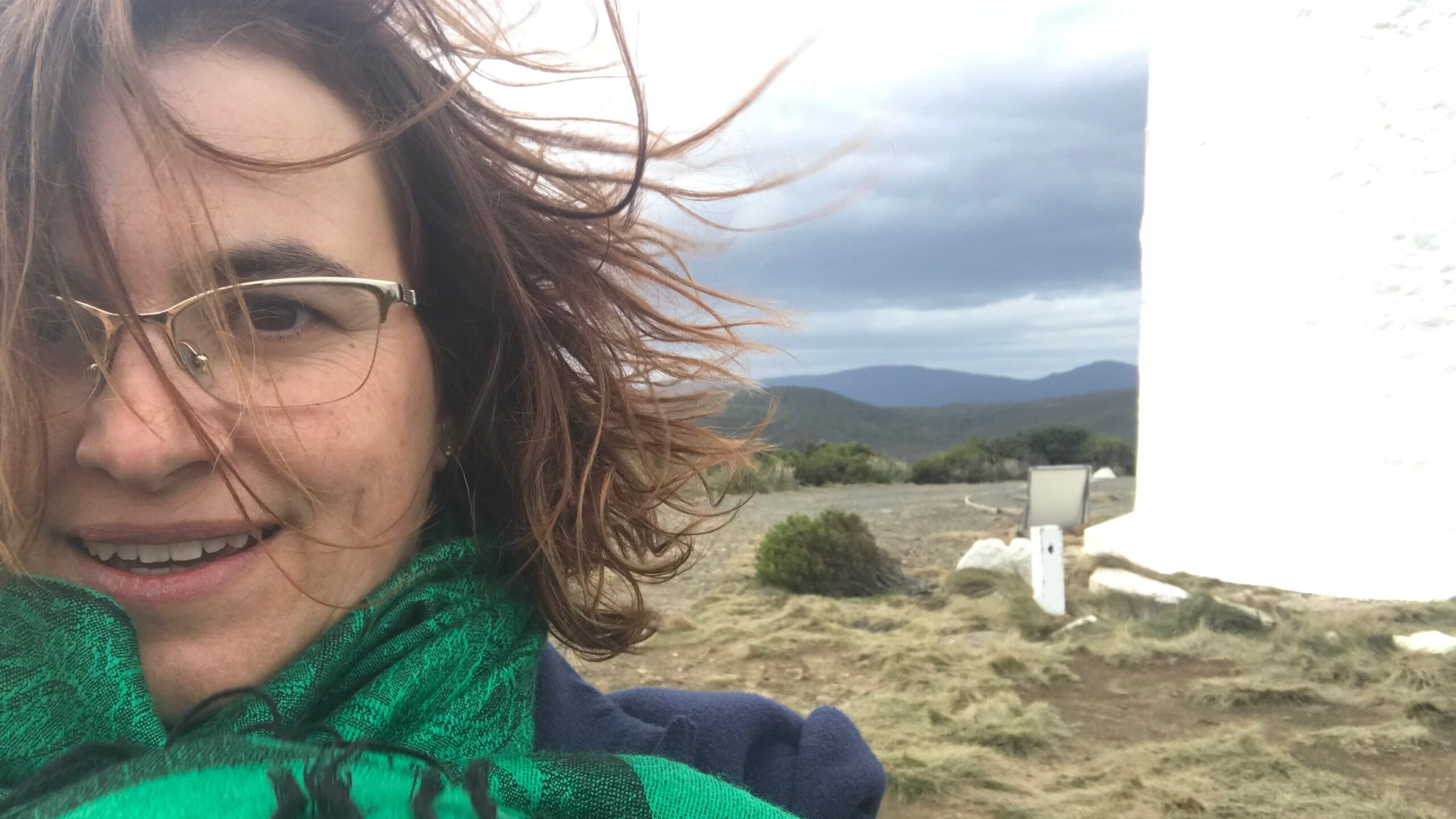
    Molly Galea (pictured), Northern Health Allied Health Education Lead, will be speaking on how great teams make great workplaces. She says her session will be an interactive, active and playful look at how you can contribute to creating a mentally healthy workplace.

    So what does mental wellness mean to Molly?

    “It means I am happy with where I am in my life, and who I have around me. It’s feeling I’m contributing to the world and my community, knowing that I have the emotional resources to come through adversity and times of trouble.”

    “Every interaction we have promotes or detracts from others’ mental health. It is our network of identities that make us who we are. A web of identities means that if one fails, we have a whole bunch of other identities to catch us,” she said.

    To start the conversation, please click here.

  • Mark Tacey, Biostatistician returns to Northern

    Mark Tacey, Biostatistician returns to Northern

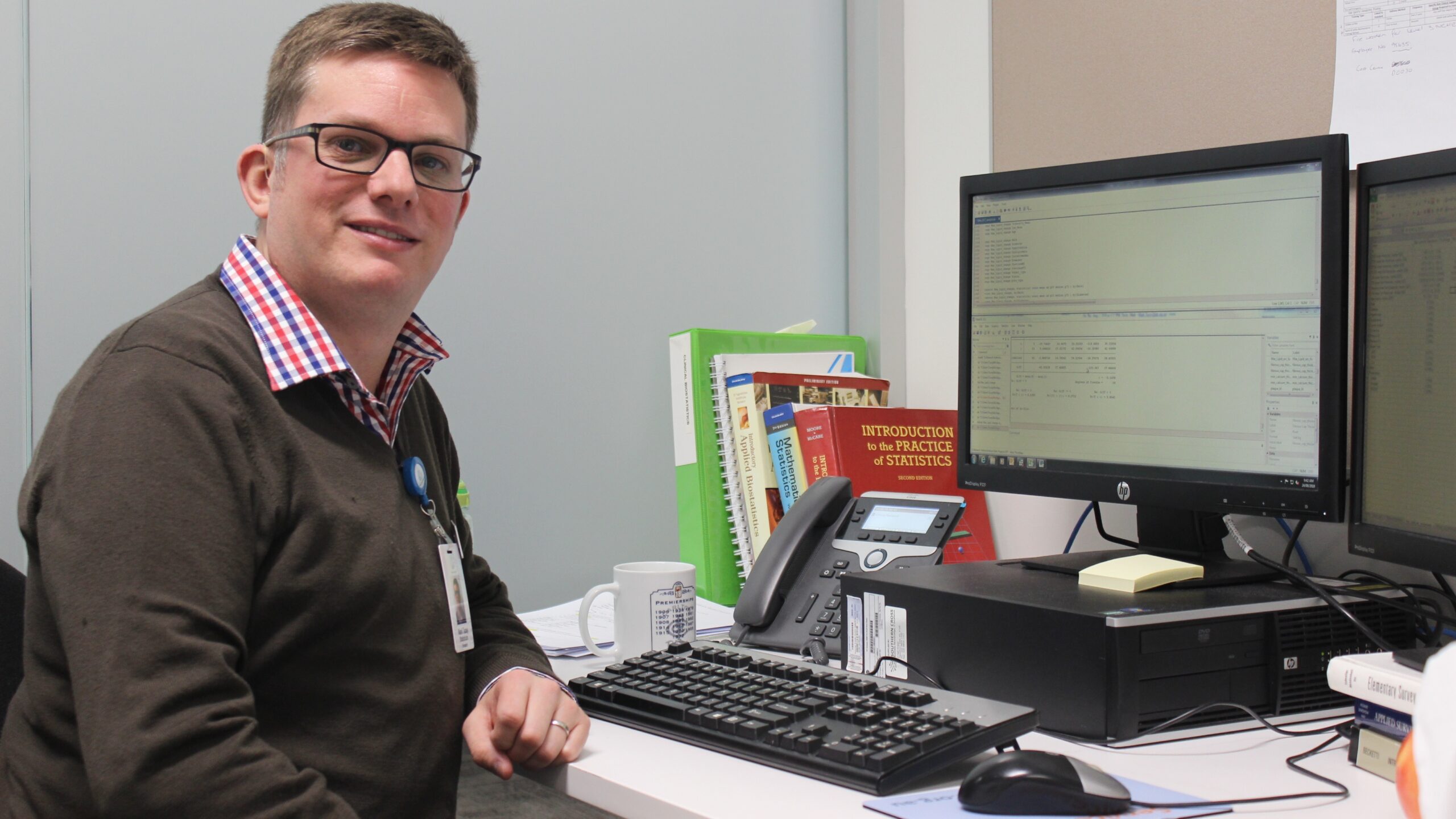
    Northern Health’s research team has just become stronger, having Mark Tacey, Biostatistician returning to work for us. Mark had spent two years with Northern Health in the past, then moved to Monash University and decided to come back and work on exciting projects with Northern’s researchers.

    “I’ve chosen Northern because it’s a great research community. I enjoy helping people here and seeing their research go all the way to publication. I am also involved in a couple of quality improvement projects and I enjoy seeing how that helps with good patient outcomes,” Mark says.

    Mark is a biostatistician available to provide statistical analysis support for staff on their projects conducted at Northern Health.  If you are working on research, Mark strongly recommends coming to him first before you start.

    “I can assist with anything from sample size calculations to presentation of data. The importance of coming to me early in the project is that researchers make sure they get the study design and sample size accurate, and that will help them achieve their research goals,” he says. 

    With research projects, having the right things done at the right time is essential.

    “It’s crucial that they don’t go through the whole project phase, get to the end and then realise they don’t have enough sample size or they’ve conducted the analysis in a slightly incorrect way,” Mark says.

    Mark will be providing training courses relating to clinical research study design, sample size estimation, clinical data collection and an introduction to statistical analysis, which will be advertised over the coming months.

    Mark is available for consultation on Wednesday, Thursday and Friday each week. He can be contacted on (03) 8468 0742 or at mark.tacey@nh.org.au, and is located in the Office of Research on Level 3 of the NCHER building.

    Northern Health’s Research Week will be held from 8-12 October 2018.


  • Join the competition to be part of Northern Health’s future

    Join the competition to be part of Northern Health’s future

    In early 2019, Northern Health will be implementing a powerful new Learning Management System (LMS) as an integrated and collaborative online learning space for the future.

    The system will provide an exclusive learning environment for all employees and allow those within our community to connect with the traditional delivery of training in a digital form.

    Michelle Fenwick, Executive Director, People and Culture, says the new LMS is about bridging the gap between employee qualifications and Northern Health’s business requirements.

    “Fundamentally, the LMS underpins employees life-cycle with Northern Health. We invest in equipment, we invest in buildings, we invest in new ideas, and the LMS is a way of investing in our employees,” Michelle Fenwick said.

    For the duration of 2018, the focus will be on governance and support for the new system, sourcing and implementation of the system and providing leadership in the effective use of new and emerging technologies to enhance learning.

    One of the first tasks, as an organisation, is to name the system. Open to all employees, a competition has been announced to devise a unique name.

    Bec Gilbert, eLearning Manager, says they would like to brand the LMS with a name that represents Northern Health and the purpose of the new system, which is to accompany and enhance the traditional delivery of our training and online learning.

    You’ll be notified if your selection is one of the top three and the person who submits the winning entry will receive a prize to the value of $200. Deadline for submissions is Thursday, 13 September.

    To enter, please click here.

  • Communication access is communication for all

    Communication access is communication for all

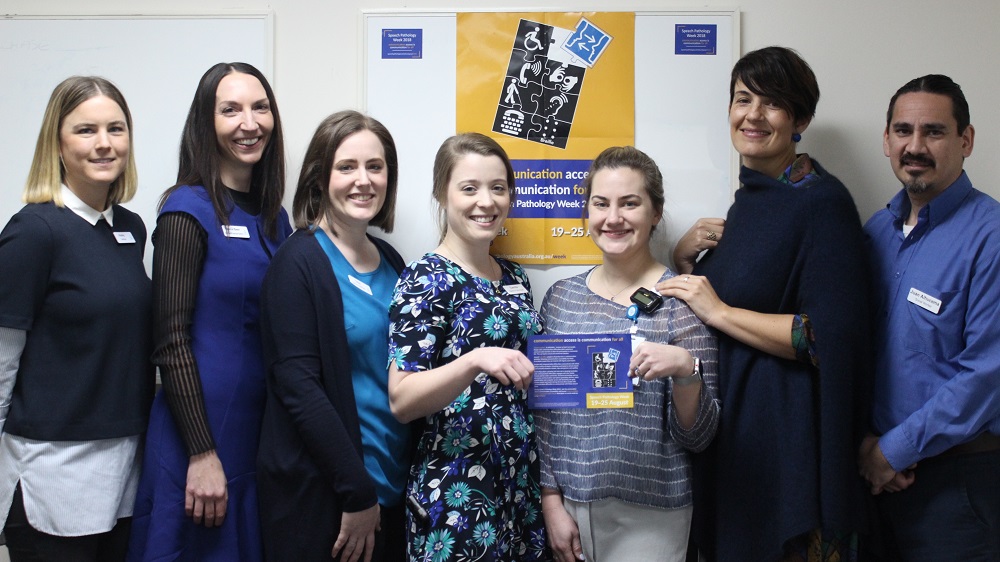
    It’s Wear Blue Day at Northern Health’s Speech Pathology Departments, supporting the Speech Pathology Australia Week. This year,  the speech pathology professionals call for greater action to ensure accessibility for the 1.2 million Australians with a communication disability.

    Communication access is vital to enable everyone to participate fully in the social, educational, economic and sporting aspects of life.

    Emma Beer, Associate Director Allied Health Speech Pathology (CPSP), Audiology and Orthoptics at Northern Hospital says that they celebrate Speech Pathology Week every year with a different theme. This year, the focus is on communication access for all.

    “In a hospital setting, we have a lot of patients with communication problems from stroke, who can’t communicate their needs. As speech pathologists, it’s important that we enable them to express themselves. We are all wearing blue today to draw attention to the importance of communication,” she said.

    Technology plays a growing and vital role in keeping Australians with communication difficulties engaged with their family, friends and those in their local community.

    Assistive technology such as electronic and speech generating devices, voice amplification and computer access aids (including eye-gaze mouse control and head tracking devices) allow people with speech difficulties to communicate with those around them.

    Building communication accessibility will ensure that everyone is treated with dignity and respect. When we create communication accessible communities, everyone gets the message.