• Home Phototherapy: Keeping mothers and babies together

    Home Phototherapy: Keeping mothers and babies together

    Northern Health is launching a new service to treat babies with jaundice in the comfort of their own home.

    Neonatal jaundice is the development of a yellowing of the skin that can rise to dangerous levels and requires a baby to be readmitted to hospital. Prior to this new service, babies with jaundice would have needed to be admitted to Northern Hospital’s Neonatal Unit for phototherapy treatment.

    The new home phototherapy service will form part of Northern Hospital’s ‘Hospital in the Home’ (HITH) program, and will allow mother and baby to go home together, keeping families close.

    Maternity Nurse Unit Manager, Michelle Morrow, said, “It’s important to us that we identify how we can improve the journey for women and their babies, and that includes a lack of separation at birth due to issues such as jaundice.”

    Following an assessment, babies who fit certain criteria are able to receive the home treatment, which will allow otherwise healthy babies avoid a stay in the nursery. Families will be provided with education to use the equipment before they are discharged.

    Nurses will make daily home visits to monitor progress, and families will be able to contact the Neonatal Unit 24 hours a day.

    Barbara Rischitelli, Neonatal Nurse Unit Manager, said, “We have spoken to a lot of parents who seem really excited about this new program, as it means they can go home with their baby”.

    “We are providing individualised and personalised care, and our aim is to keep more families together in the northern community,” Barbara said.

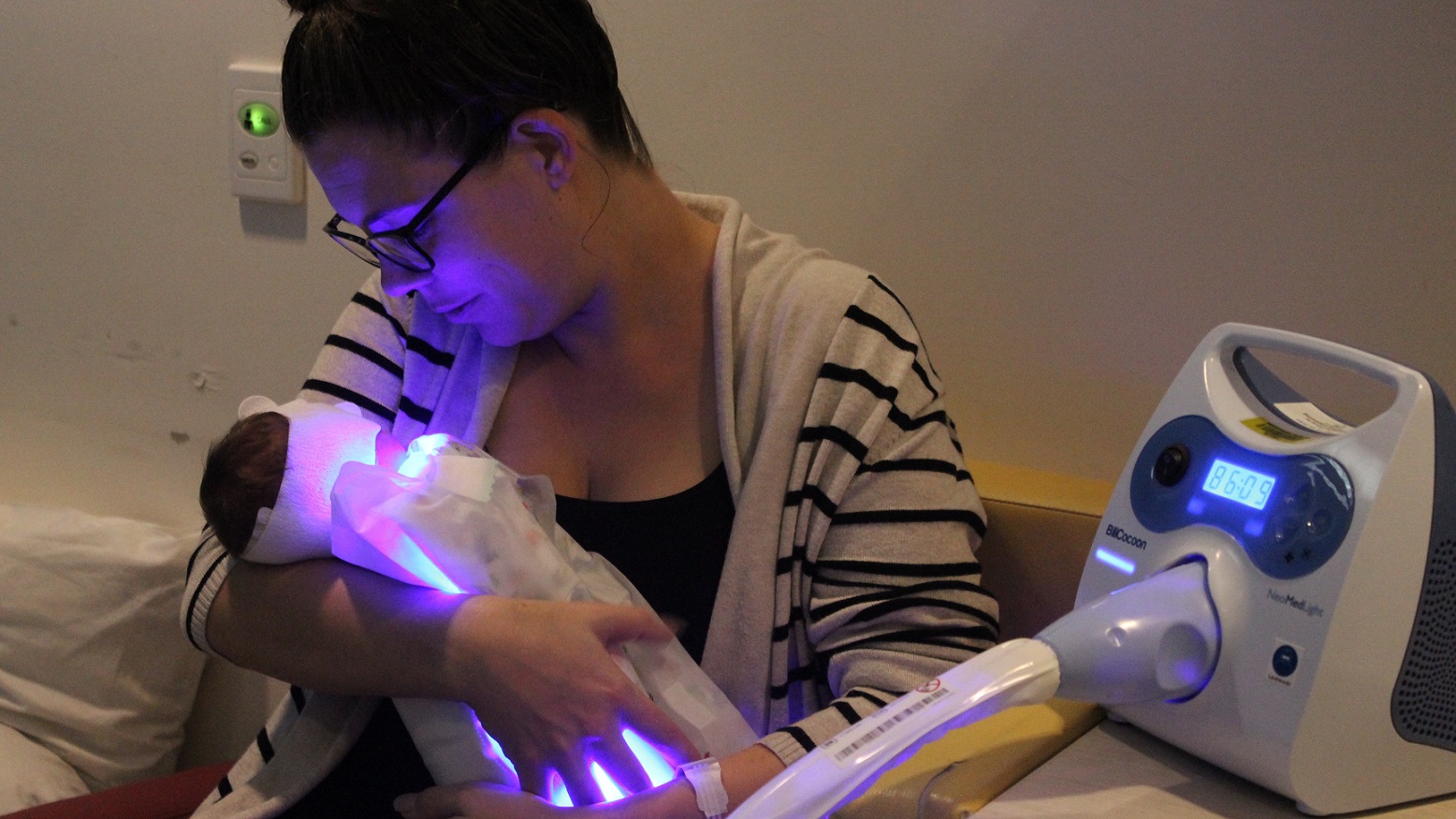
    Natasha Fitzgerald’s baby boy, Jayden (pictured), received phototherapy treatment at Northern Hospital and said, “I would love to be able to take him home, it would make such a difference.”

    Natasha’s husband, Justin, said, “it will be such a relief to use this at home – much less stressful for mum and everyone involved – especially when you can hold your baby.”

    Northern Health is working towards keeping mothers and babies together at all times where possible.

    Coinciding with the launch of the new service, this week we are celebrating Northern Health’s Jaundice Awareness Week, which helps increase awareness amongst staff and patients of at-risk babies.

    The midwifery team at Northern Hospital are focused on creating new policies that help to diminish the incidence of jaundice developing in babies.

    Skin to skin at birth, early breastfeeding and recognition of women that have higher risk factors for their babies to develop jaundice are all being highlighted in the weeks theme – ‘jaundice is no joke’.

    You will see staff proudly wearing some form of yellow to increase awareness, and new breastfeeding education will commence each day at 11.00 am for women to improve their knowledge and confidence in breastfeeding their babies.

    (Featured Image: Natasha Fitzgerald and baby Jayden receiving phototherapy treatment)
  • National Advance Care Planning Week: Your Life. Your Voice. Your Choice.

    National Advance Care Planning Week: Your Life. Your Voice. Your Choice.

    This week is National Advance Care Planning Week, an opportunity to prepare for our future healthcare. A time to speak up and be heard about what matters most to you.

    Vera Ray, was already very knowledgeable about Advance Care Planning, when she met Anne Marie Fabri, Manager Advance Care Planning at Northern Health.

    “What I didn’t know was all the new laws and rules. She alerted me to certain things I had no idea about. For instance, the fact that my GP had to be a part of the conversation and the process. She was very informative!”

    Vera believes in planning ahead.

    “I used to be a teacher. I worked until I was 82, then I went back to school – to uni, and I became a psychologist and I worked in private practice,” Vera says.

    “I was a bit worried about being retired, but that was silly. I have never been busier than I am now. There is plenty to do!”

    She took a similar approach to Advance Care Planning.

    “You’ve got to write it down, otherwise people don’t know what you want.”

    Advance Care Planning is a way to choose who you would like to make medical decisions for you, if you were too sick to do this for yourself. It starts a conversation with family, friends and healthcare providers about what your values and preferences for future healthcare are, and what you want them to consider for you.

    “You have to really understand what you want. You have to express it so other people understand – you have to say how you want it.”

    For some people, it is about lifting a burden off others. For others, it is about having a say, being in control.

    “Look, I think everybody should have a plan and it should be written down very clearly,” Vera says.

    Advance Care Planning is something we can all do – have you had the conversation?

    For more information on Advance Care Planning, call 9495 3235 or email acp@nh.org.au

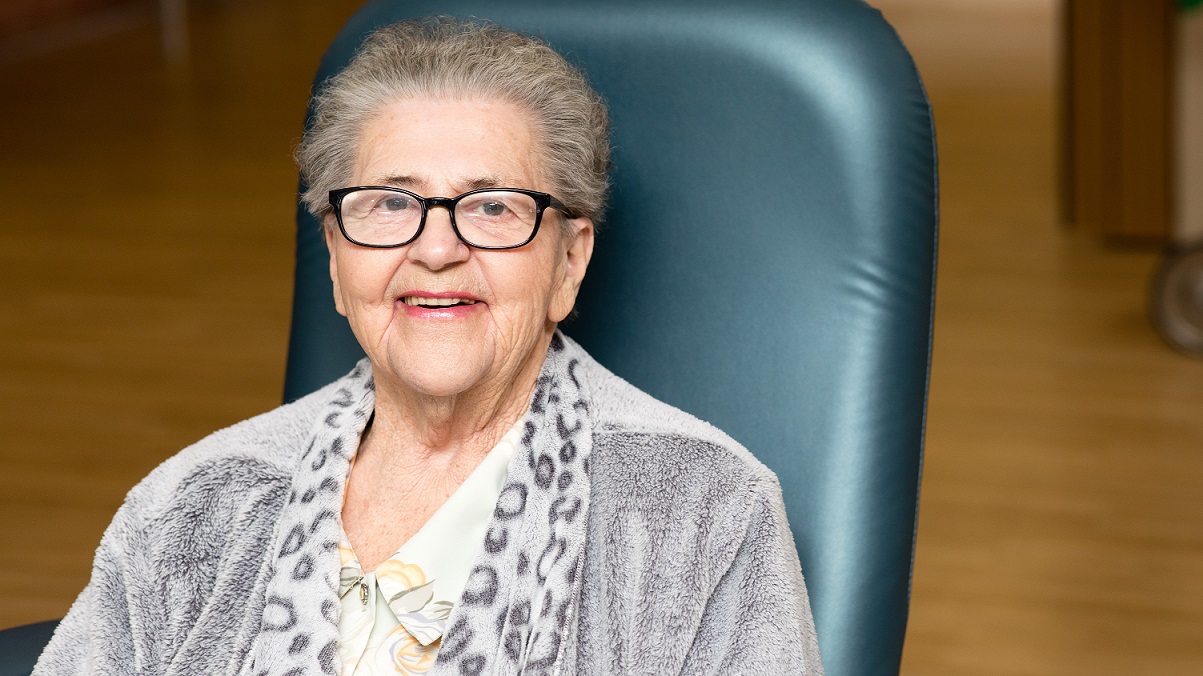
    The photo is for illustrative purposes only and does not represent the person interviewed in this article.

  • Smoking Ceremony Garden Launch

    Smoking Ceremony Garden Launch

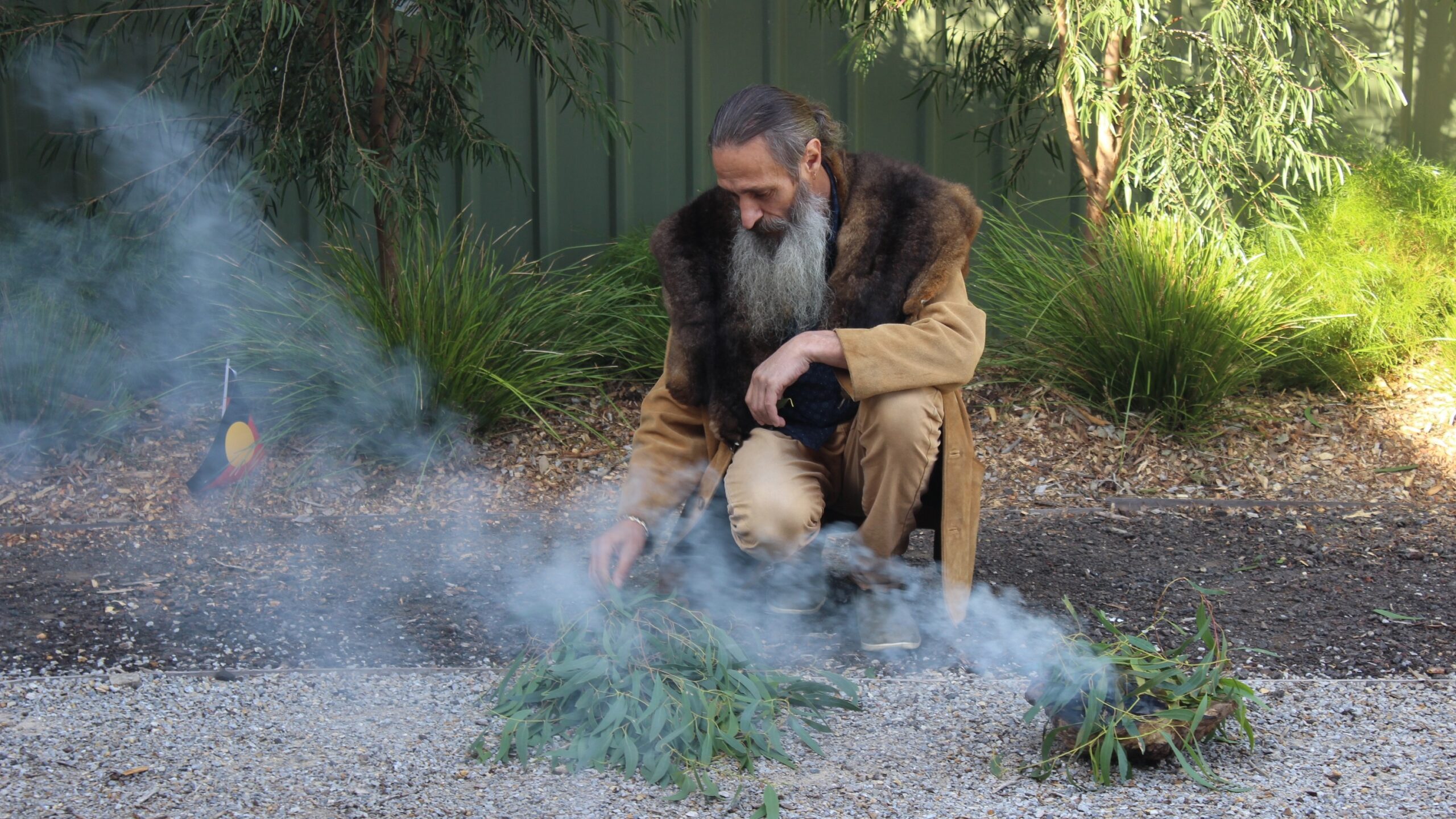
    Just outside Unit G is Jornung-Bik – A Pleasant Place, that was the scene this morning of a ceremony that has been observed for thousands of years to cleanse places and promote the wellbeing of people and guests on Country.

    Colin Hunter Jr, Traditional Owner, welcomed attendees with a Smoking Ceremony, an Aboriginal custom that involves burning native plants which have cleansing properties. They are believed to ward off bad spirits from the people and the land and make pathways for a brighter future.

    The opening of Jornung-Bik, Smoking Ceremony Garden, is part of a larger initiative that aims to improve cultural safety at Northern Health, stated Siva Sivarajah, Chief Executive Northern Health.

    “It is the outcome of our partnership with staff members, patients and families, Wurundjeri Elders and the greater community to deliver a culturally appropriate space,” Mr Sivarajah explained.

    Attendees included Cr Lawrie Cox, Mayor of Whittlesea, Kelli Hunter – Traditional Owner, Aboriginal elders and community, the Northern Health Aboriginal Advisory Committee Members and members of the Northern Health Executive Team and staff.

    Simon Keating, Chief Strategy, Business and Development Officer, said the need for the garden was identified when an Aboriginal patient on a 12 year cancer journey entered Northern Health palliative care, before entering the dream time. At the request of the patient’s family, they wished to perform a Smoking Ceremony in the patient’s final days on the ward.

    In recent past, Northern Health has had much to celebrate about our diverse community. Just a few weeks ago, we marked Harmony Week, in which National Close the Gap Day played an important role.

    Northern Health is currently in the process of installing welcome signs in all our centres and hospitals, which welcomes patients in 14 languages and acknowledges the traditional owners of the land.

    At today’s  opening, Mr Sivarajah announced the new wing under construction, would host a dedicated Aboriginal Family Room on Level 2.

    Karen Bryant, Proud Gunditjmara woman and Senior Aboriginal Liaison Officer at Northern Health said, “We now have a culturally safe space for Smoking Ceremonies. Included in this garden, we have installed a bollard or ‘message stick’ to educate the broader community about the significance of Smoking Ceremonies to Aboriginal and Torres Strait Islander people.”

    The event concluded with didgeridoo player, Robert Bamblett and morning tea.

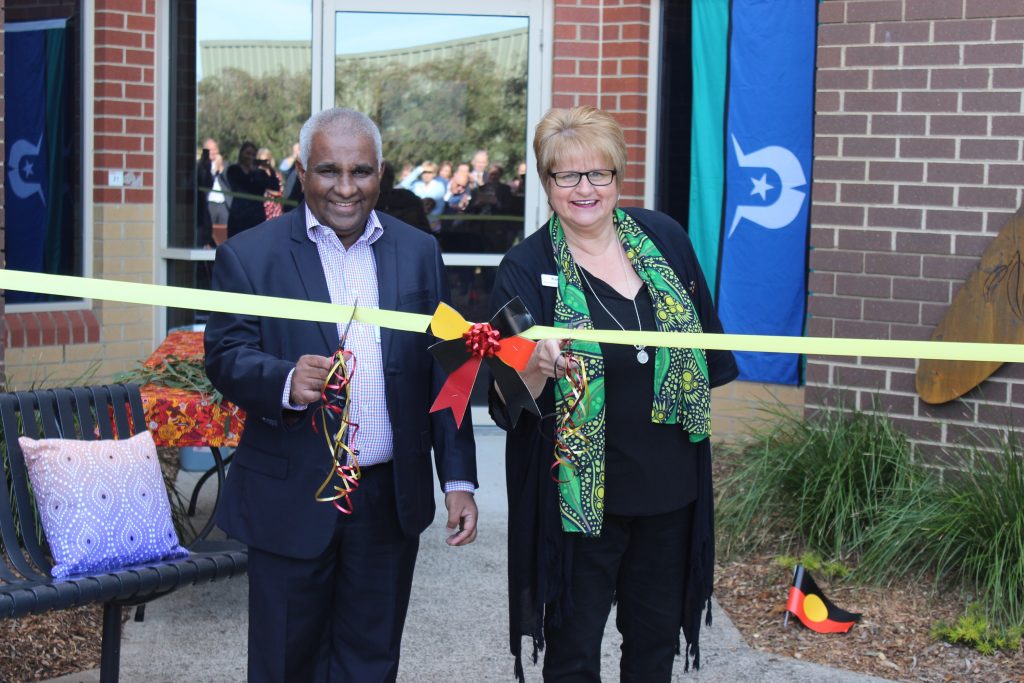
    Siva Sivarajah and Karen Bryant officially opening the garden
    Robert Bamblett
  • Professor Bill van Gaal on the future of cardiology

    Professor Bill van Gaal on the future of cardiology

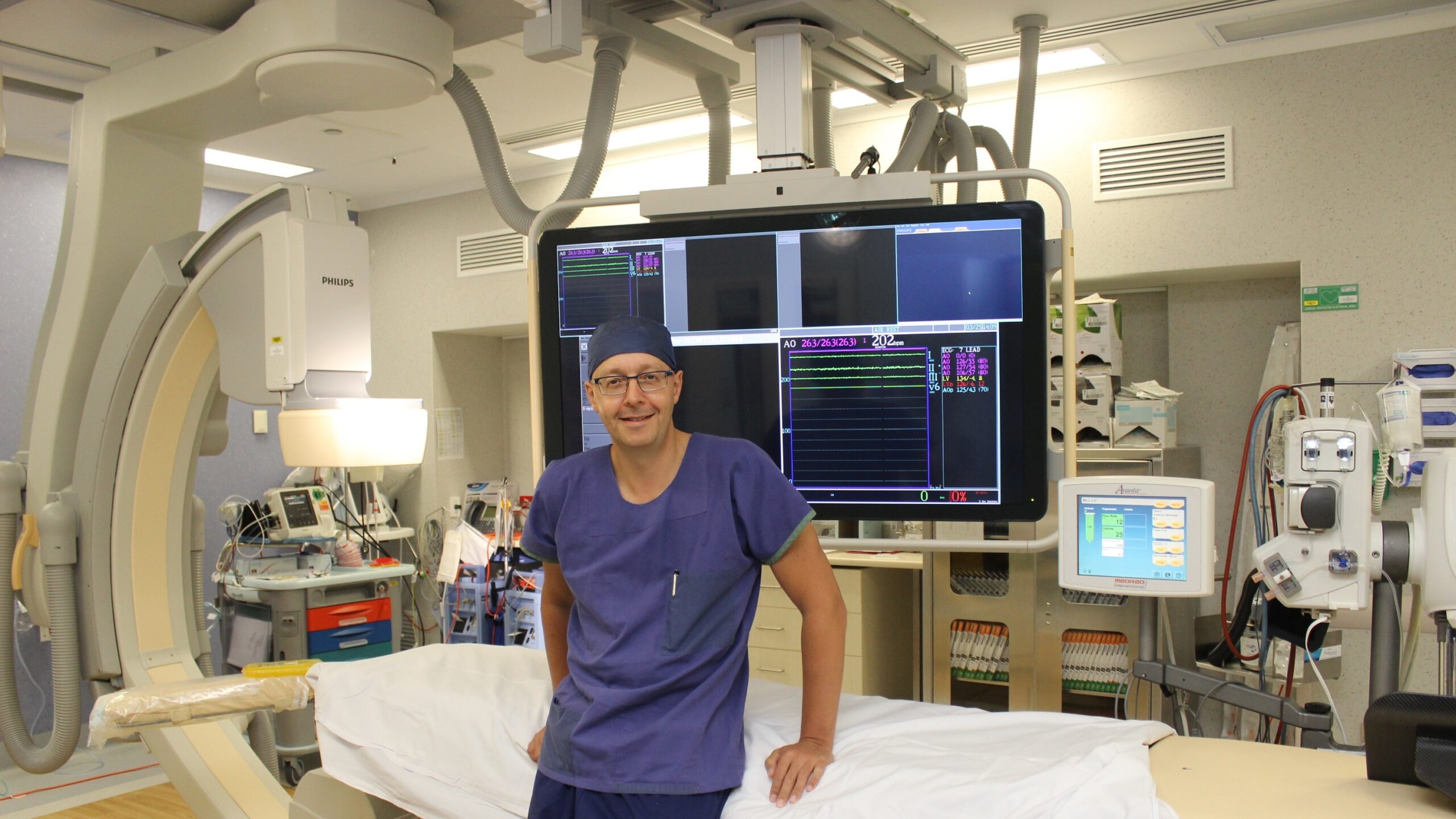
    William ‘Bill’ van Gaal, Northern Health Divisional Director of Emergency Services and Director of Cardiology, was recently appointed Professor of Medicine at the University of Melbourne – one more milestone in his impressive career in cardiology services. Here, he discusses his time at Northern Health and the future of cardiology.

    Can you tell us more about your role in academia and teaching?

    I have been doing research since I was a medical student. I did my first research project in endocrinology when I was a student at Austin Health and published a paper. I enjoyed doing research and as I progressed in my career, I formally studied it.

    I then went over to Oxford University. Oxford run a Masters in Evidence-Based Health – it’s a formal tertiary postgraduate education in how to do research.

    What drew you to cardiology and nuclear medicine?

    Originally, I was going to be a neurologist. What drew me to cardiology was the ability to intervene in the acute setting. The other was the multiple playing fields – intervention, imaging and clinical cardiology. I ended up doing all three.

    How did the cardiology department at Northern Health begin?

    11 years ago in October 2007. Northern Health started up their cardiology service. They rang me whilst I was in Oxford and asked if I’d be interested in the position of Director.

    The first thing we did was set up an angioplasty service, then an electrophysiology service, and then we quickly became a 24 hour service. We started with seven cardiologists – we now have 15. Back then we also had five interventionists, now we have seven to help run the 24 hour service, which is much busier than it used to be.

    When I first started, the department didn’t even have a bed card, so all the patients were under general medicine. Since then, we have developed our own coronary care unit combined with a cardiology ward (Unit D).

    What have been some of the highlights during your time at Northern Health?

    The biggest highlight would be seeing what it was, which was tiny, to what it’s become.

    Another (of the many highlights) is our ‘door to balloon time’ – the time it takes for someone having a heart attack to have their blocked artery open with a balloon and wire. Our outcomes were good, but our door to balloon times were not. We were able to turn that result around and now we’re one of the best performing centres in the state.

    We’ve also topped recruitment for several trials in Australia for lipid therapies; we have Associate Professor Uwais Mohamed, one of the first surgeons in Melbourne trialling His Bundle Pacing; Professor Peter Barlis and his Optical Coherence Tomography program – we are the first hospital in Australia to have this sophisticated imagery technique for coronary diseases; and now we have our first PhD fellow, which is exciting.

    What does the future of cardiology look like?

    Good question. There’s this tension between centralising services and providing access across Victoria.

    Here at the Northern, heart failure is the number one Diagnosis-Related Group (DRG). We treat more than 2,000 heart failure inpatients a year.

    For us in the next five years, it’s about access. We need to expand our cath lab as the demand increases. We’re also looking at splitting cardiology into general cardiology and a heart failure unit.

    We want to grow the heart failure service further, increase the focus on quality and safety, and develop our cardiovascular research themes even more.

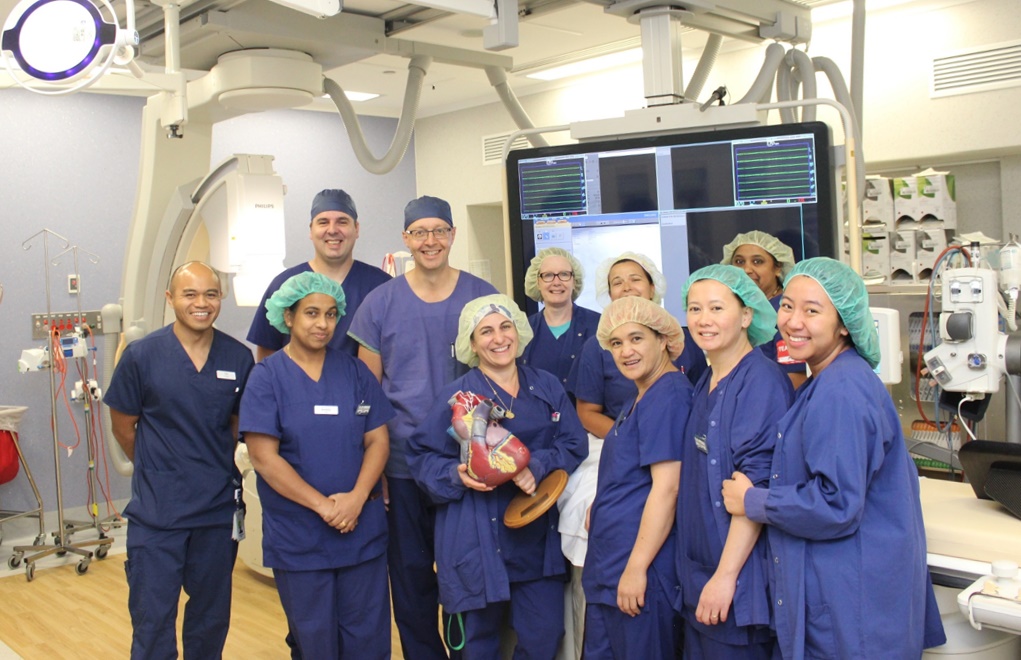
    The cardiology team
  • Speech pathology department overjoyed with successful grant

    Speech pathology department overjoyed with successful grant

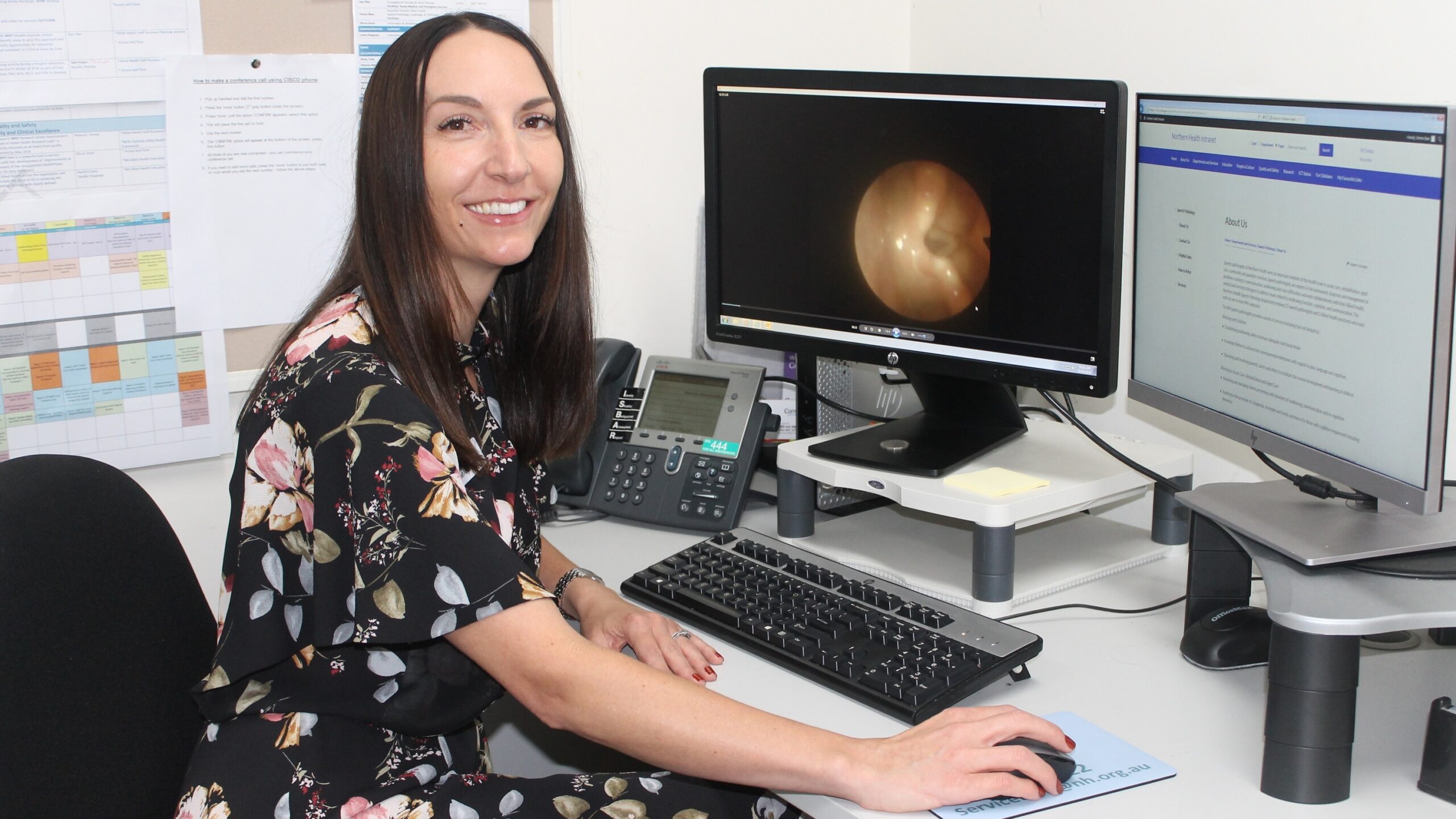
    The speech pathology department at Northern Health, recently received a grant from the Northern Health Foundation for a Fibre Optic Videolaryngoscopy, to support Fibreoptic Endoscopic Evaluation of Swallowing (FEES) assessments in patients who have swallowing difficulties.

    Associate Director Allied Health, Speech Pathology, Audiology & Orthoptics, Emma Beer, was overjoyed when she heard the news about the successful grant.

    “It was a mixture of relief, overwhelming happiness and achievement for the speech pathology department to receive this support from the Northern Health Foundation,” she said.

    “Now that we have FEES, we are able to upskill our staff and provide the safest and best approach for our patients.”

    From a clinical perspective, the new equipment will enable timely assessment of patients presenting with swallowing problems. As the equipment is portable, it can be wheeled to a patient’s bedside and they can be assessed and provided with a management and nutrition plan on the day they present, as opposed to previously having to wait a couple of days for assessment.

    “The more efficient assessment of a patient will have a positive impact on length of stay and reduce anxiety due to reduced waiting times,” Emma says.

    “For staff, it will improve their skill development as well as retention and recruitment. If people know we have FEES, it’s another skill avenue they can pursue and it’s also a great attribute to recruit new staff.”

    The future is exciting for speech pathology, with a small research grant already received in the area of FEES, and the ability to undertake research in the field.

    “We’re hoping we can present our research findings at forums, conferences and in the future, do publications around FEES and Videolaryngoscopy.”

    Videolaryngoscopy utilises video camera technology to see airway structures and facilitate endotracheal intubation (placement of a flexible plastic tube into the windpipe to maintain an open airway or to serve as an outlet to administer certain medications).

    The new equipment will support effective clinical assessments of patients with dysphagia, a disease that creates difficulty or discomfort when swallowing. Without effective clinical assessment, this condition can lead to aspiration pneumonia and other respiratory complications.

    The Northern Health Foundation is the philanthropic and fundraising arm of Northern Health and aims to raise $4 million for equipment and research between now and 2021.

    Featured Image: Emma reviewing FEES image via Videolaryngoscopy.

  • Katherine Healy: Improving the lives of patients

    Katherine Healy: Improving the lives of patients

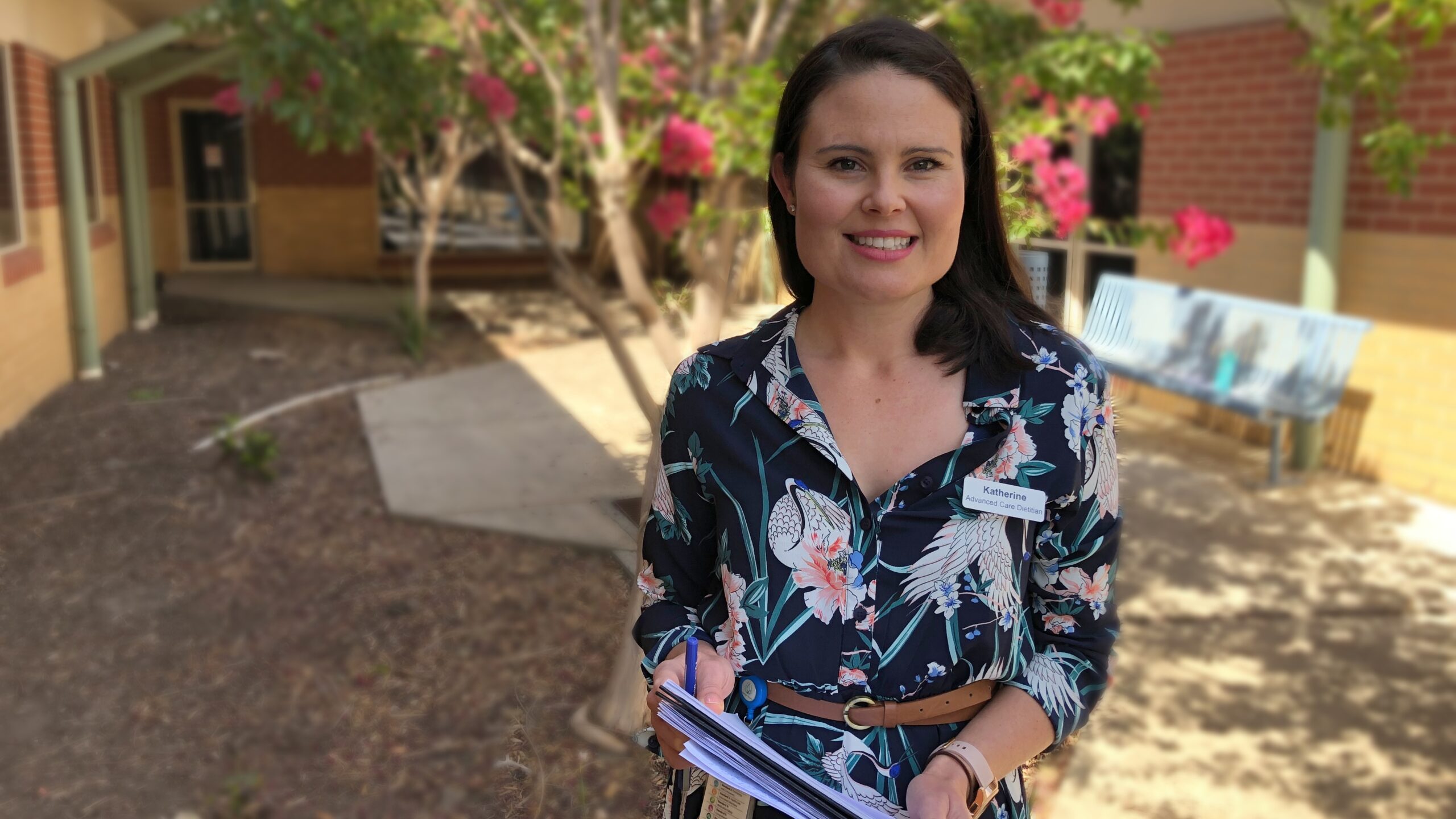
    Northern Health Dietitian, Katherine Healy, recently received the award for ‘patient experience’ during our second round of Quarterly Staff Recognition Awards.

    Nominated by Rachael Evans, Associate Director Allied Health – Dietetics, Rachael said, “Katherine is committed to excellent patient care, and is extremely generous with her expertise, providing support internally to the dietetics and gastroenterology teams, and externally with various support groups and professional organisations.”

    “She has a unique professional background as both a Medical Scientist and Advance Practice Dietitian, and assisted in the establishment of a novel practice dietitian-led gastroenterology screening clinic at Northern Health, the first of its type in Australia,” Rachael said.

    “The majority of patients are safely discharged back to their GP’s without the need for invasive procedures or gastroenterology review. Once equipped with knowledge on using diet to manage their condition, these patients no longer frequently present to the emergency department,” Rachael added.

    Katherine explained that in the past, patients who presented with Irritable Bowel Syndrome (IBS) symptoms would have to wait to be seen by a gastroenterologist.

    “There are risks associated with being on a wait list for a long time. I started seeing patients that it would be appropriate for a dietitian to see, who didn’t necessarily need to see a gastroenterologist,” she said.

    “The expectation was that I would be able to safely manage around 40% of these patients who came through my clinic – and that was exceeded – 68% of patients ended up having symptom-resolution and no longer required the service,” she said.

    “It’s really great because prior to my work here, I worked as a microbiological scientist, so I get the pathology side from my first degree mixed with my dietetics degree, so it’s like my two professions colliding – it’s such a unique role – I could never have imagined such a role would exist,” she said.

    “I also work on an Inflammatory Bowel Disease (IBD) diet clinic. They are really at-risk patients. It’s really great that the patients here have access to this clinic – it’s exceeding demand,” she said.

    Included in her award nomination were comments made by Katherine’s patients, one of which gushed – “after 5 years of getting nowhere, Katherine has helped me out so much more than anyone ever has. Thank you very much, you’re an angel sent down from heaven.”

    Katherine started working at Northern Health in early 2017, but ten years prior to her commencement, she was a student here.

    “It was a really positive experience, and I said during my interview how lovely, welcoming and supportive it was when I studied, so it was quite enticing to come back,” she said.

    When asked what her favourite thing about working here was, Katherine said, “It’s such a lovely environment – my colleagues are very supportive.”

    “It’s definitely also the profound impact I can have on these patients,” she added.

    On winning the award, Katherine said it was really nice to be recognised for her hard work, but it came as a shock.

    “I was very surprised by the nomination, let alone to win. During the speeches, Siva said there is over 5,000 staff, so to be picked out of so many staff is incredibly flattering.”

    “For someone else to acknowledge my work, it’s so representative of Northern Health, that they are progressive by taking care of culture and people. It’s again what is so desirable about working here.”

    Sponsored by Maxxia and BankVic, our Quarterly Staff Recognition Awards have been designed to formally recognise outstanding contributions by our employees and celebrate staff excellence. 

  • Minister for Health opens new ICU

    Minister for Health opens new ICU

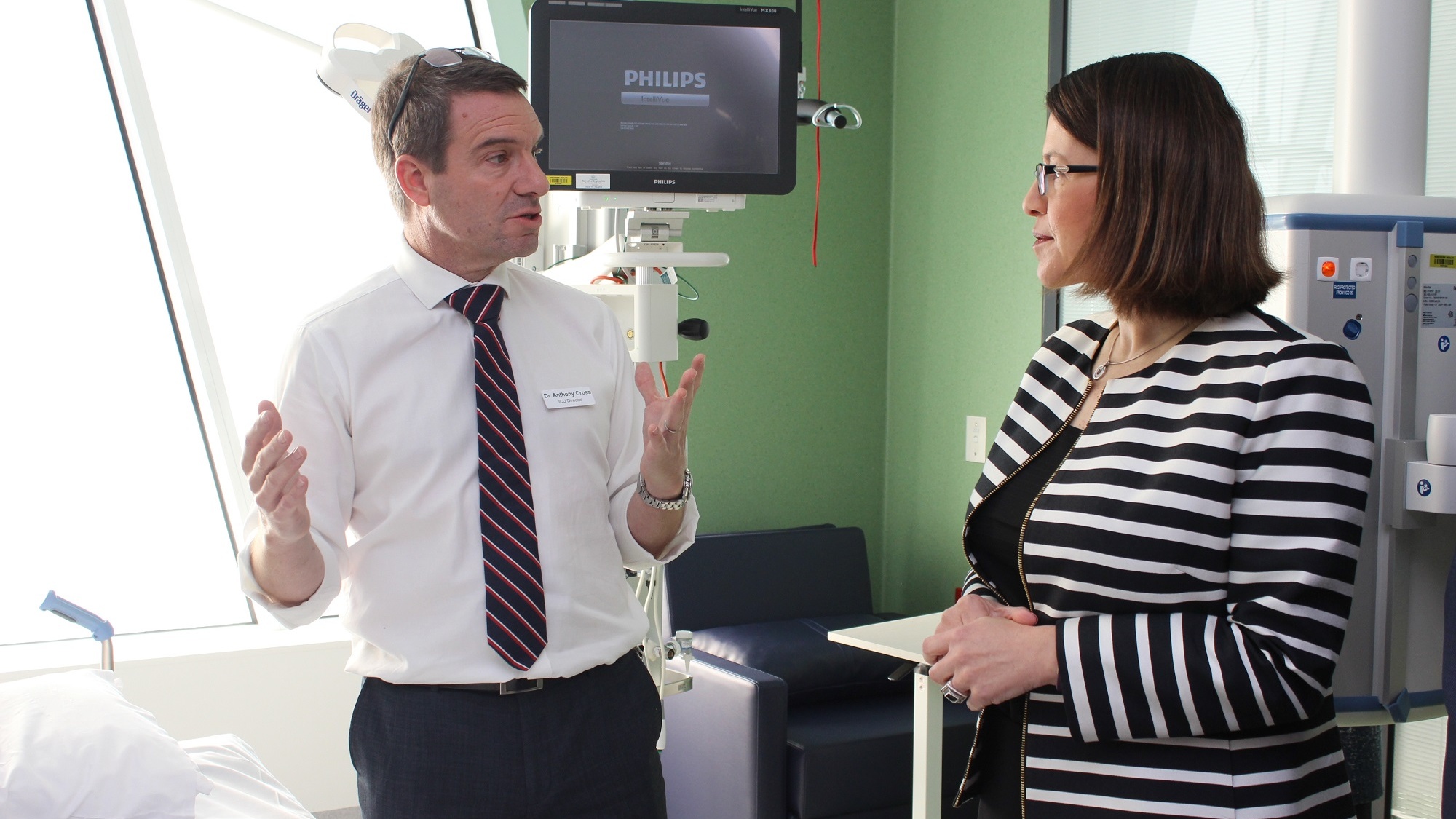
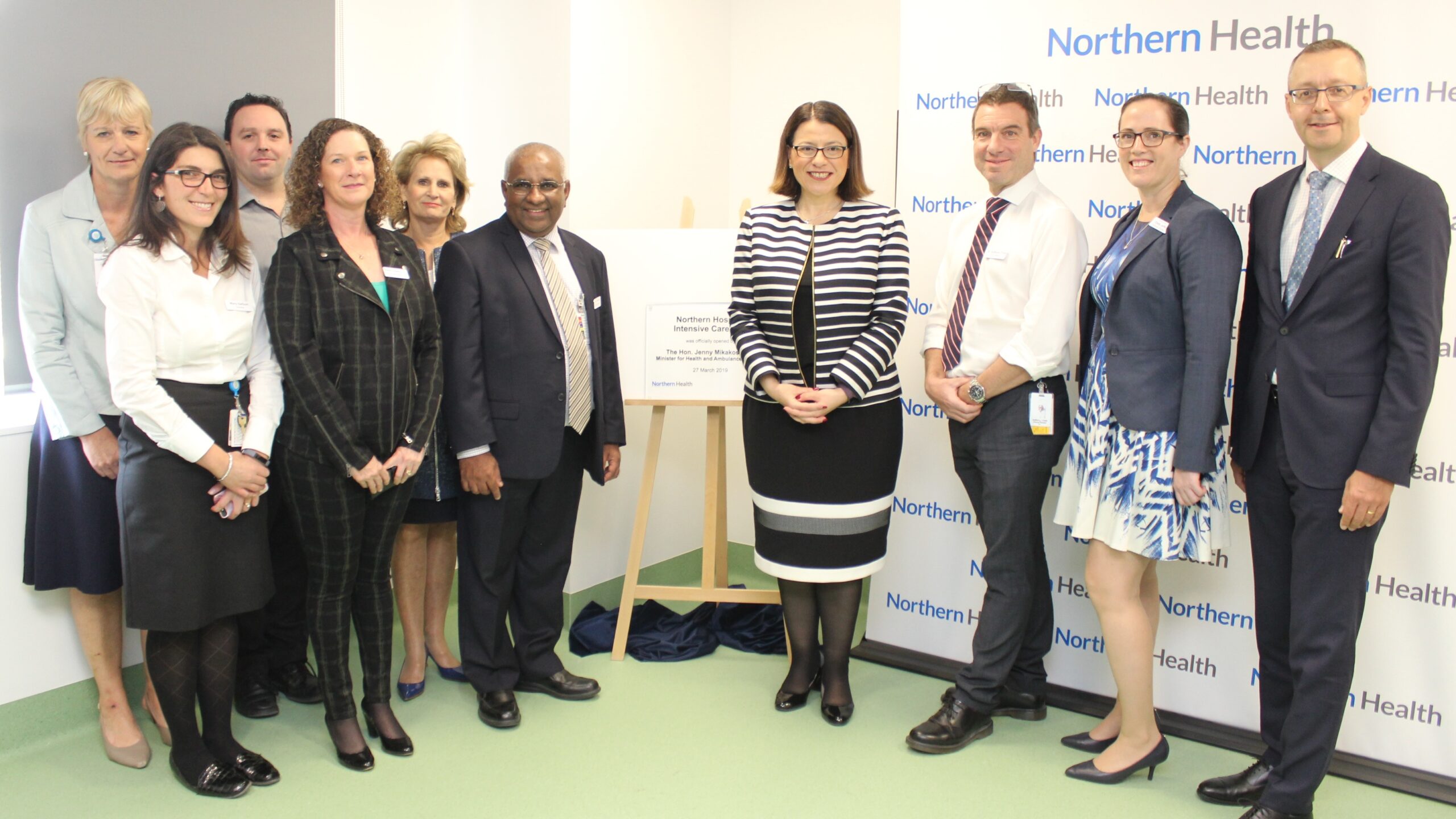
    This morning, the Minister for Health and Ambulance Services, The Hon. Jenny Mikakos, officially opened Northern Hospital’s new Intensive Care Unit (ICU).

    Welcomed by Northern Health Chair Jennifer Williams and Chief Executive Siva Sivarajah, the Minister toured the facilities with local MPs, whilst discussing the benefits the new ICU will bring to the northern community, patients and their families.

    Minister Jenny Mikakos, said, “our hard-working doctors and nurses at Northern Health do an amazing job caring for people who need their help. We’re completing a once-in-a-generation redevelopment so they can do what they do best.”

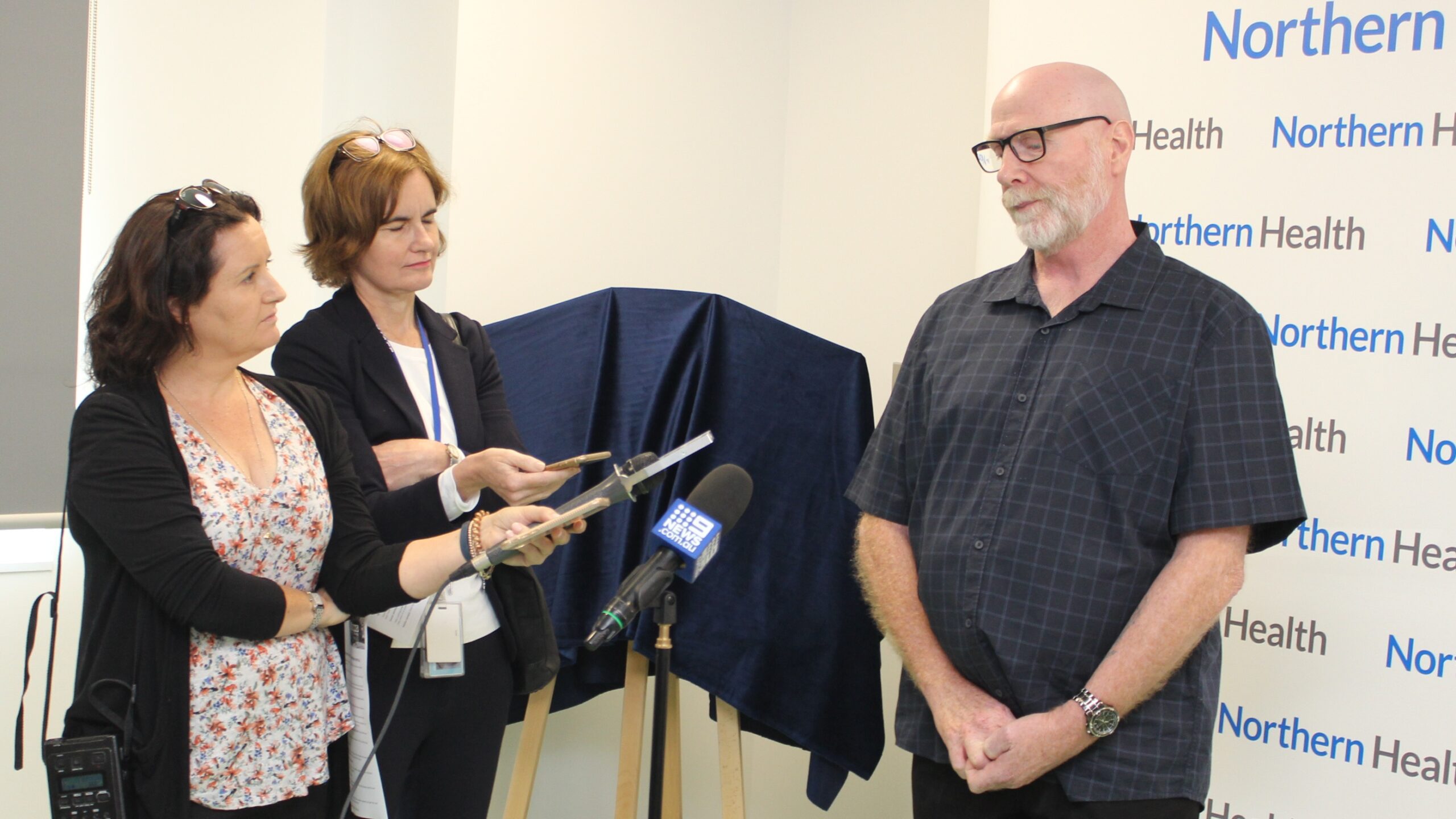
    59 year old former ICU patient, Shaun Carey, attended the opening and couldn’t speak highly enough of the ICU staff and the treatment he received during his many stays in the unit.

    “If it wasn’t for the staff, I wouldn’t be here,” he said.

    “During my journey, I spent more months’ in hospital than at home. The doctors and nurses in ICU were amazing – very helpful and caring not only for me, but for my family as well.”

    “Both myself and my wife couldn’t be any more thankful for all the care we have been given – they are the best and surely made our journey a lot easier.”

    The Hon. Jenny Mikakos added, “for Shaun to speak so positively about the empathy, care and compassion he received from the staff, is really a credit to everyone here. It’s fantastic to see Shaun here today – a picture of good health.”

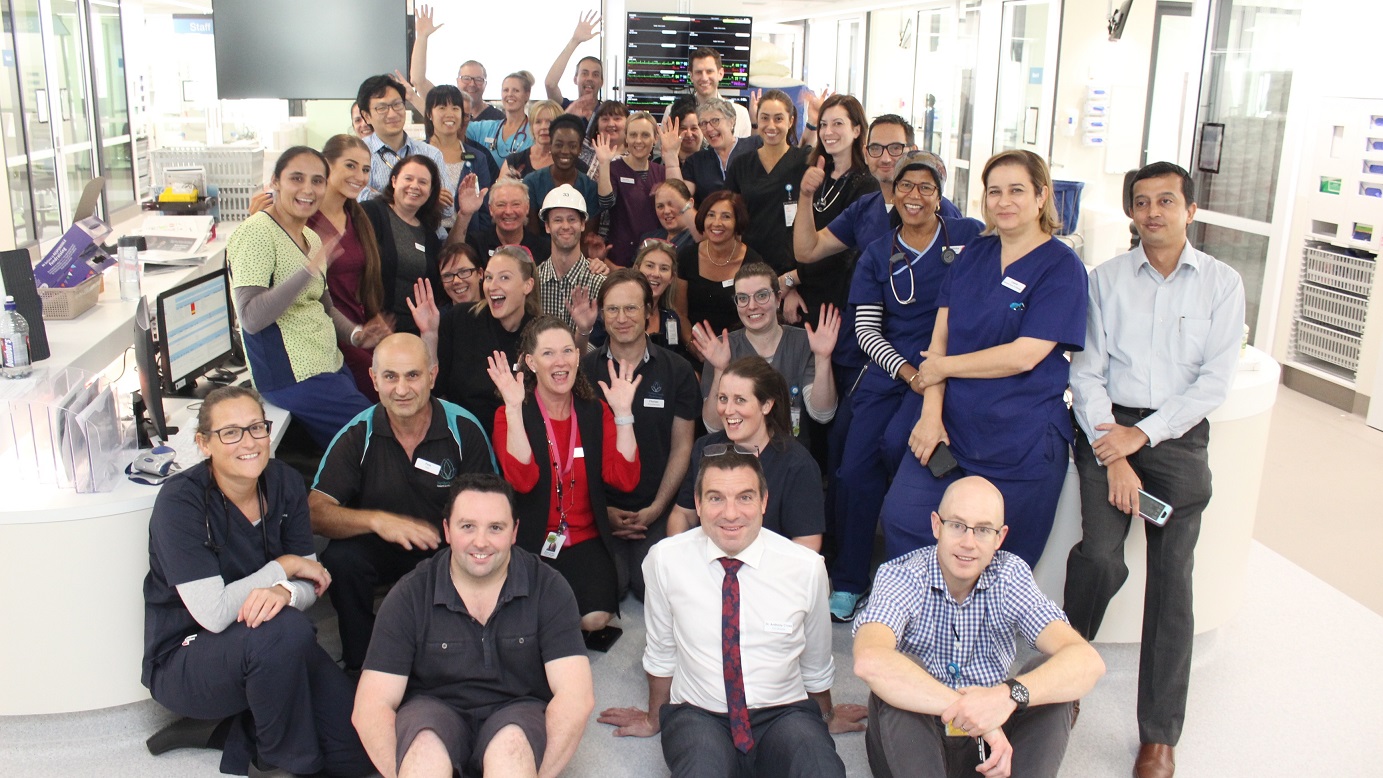
    Northern Health staff with Jenny Mikakos


    Former ICU Patient, Shaun Carey, speaking about his experiences
  • New Intensive Care opens

    New Intensive Care opens

    Today, our new Ward 17 (ICU) opens at Northern Hospital, with the ICU team moving into the space from 8.30 am this morning.

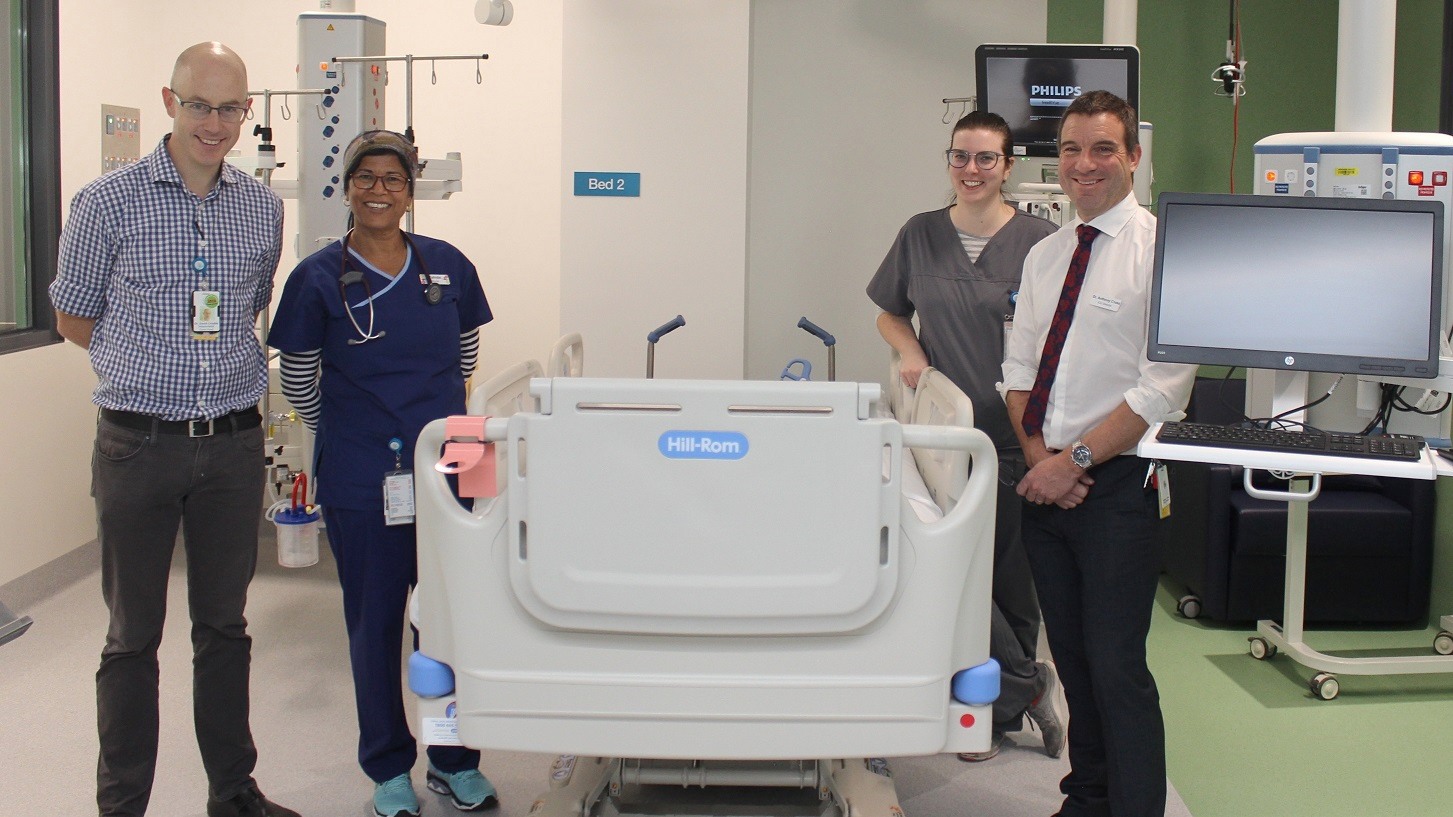
    The new state of the art ICU includes 18 intensive care beds and three dedicated paediatric bays.

    The space hosts latest patient information and entertainment screens, central monitoring, negative and positive pressure isolation rooms and switchable privacy window films.

    From today, the old ICU space will be renamed Ward 15.

    Dr Anthony Cross, ICU Director, said the move went smoothly due to extensive and detailed planning and preparation.

    “It has been a massive involvement of people to make this happen. Our nursing staff have had numerous days of preparation, and this has been a good day and a great team exercise,” he said.

    Northern Health Chief Executive, Siva Sivarajah, thanked staff for such a smooth transition.

    “I’d like to thank all staff who were involved in the ICU move today, from the planning and operational readiness teams to the ICU staff who moved the patients safely.”

    Tomorrow, the Minister for Health and Ambulance Services, Jenny Mikakos, will officially open the new unit.

    The new ICU is the first stage of the $162.7 million Northern Hospital Stage 2 Expansion Project, which will provide a seven-storey tower including an additional 96 inpatient beds, three new operating theatres and provision for a rooftop helipad in the future.

    The expansion will allow for an additional 10,000 patients to be treated every year, and extra space has been earmarked for future expansions of cardiology services, catheter labs and medical imaging.