• Get to know: Camille Meredith

    Get to know: Camille Meredith

    #WeAreNorthern

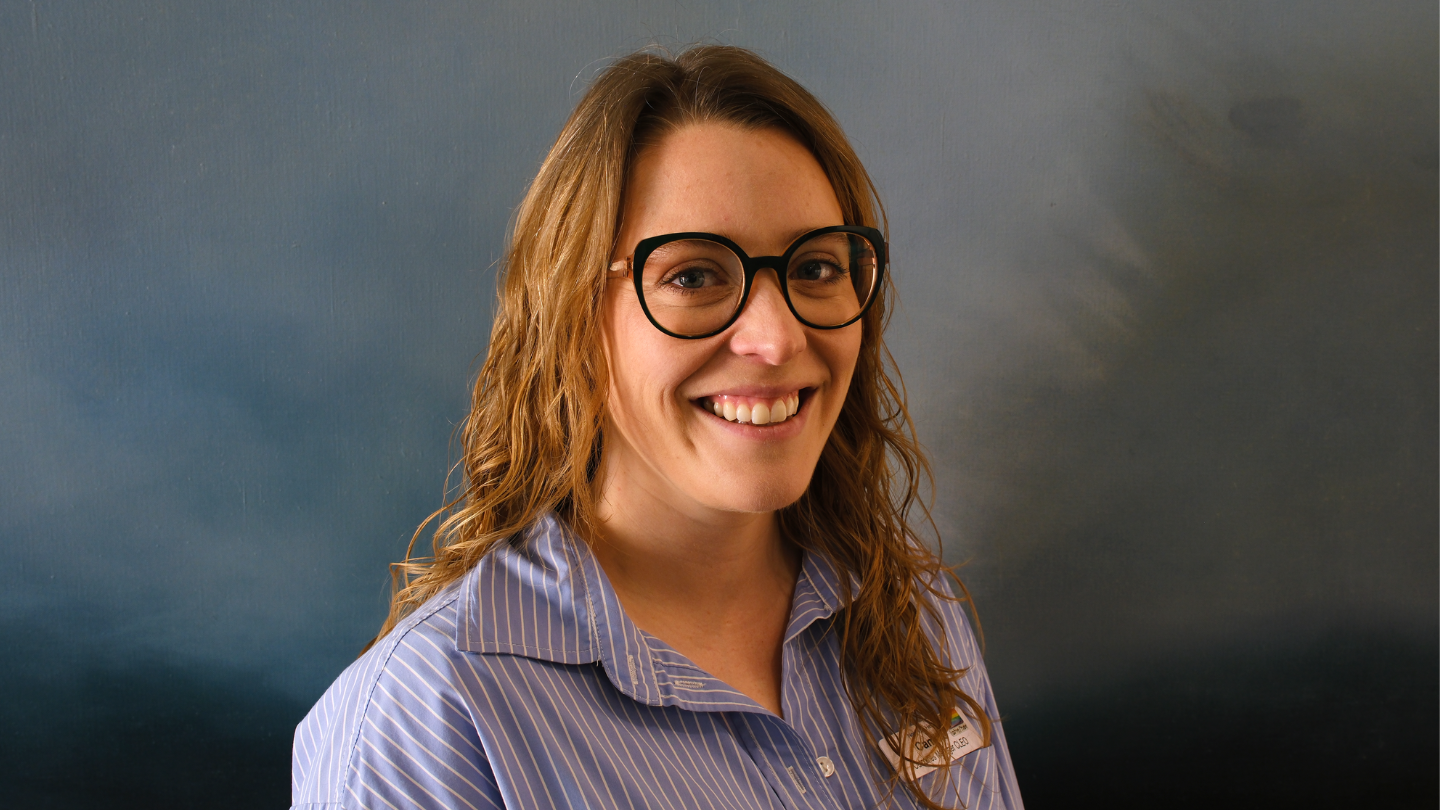
    Meet Camille Meredith, Effectiveness and Outcomes Manager – CLEO, Northern Health.


    Q: First, let’s start with your coffee order.

    A: Flat white or piccolo.


    Q: Tell us about your journey at Northern Health?

    A: I started my career in 2013 as an acute Speech Pathologist in Adelaide, specialising in stroke and neurology. In 2017, I made the move to Melbourne to join Northern Health and make the most of the lifestyle.

    Since then, my career has taken a pathway that resembles a ‘squiggly line’. Leading up to COVID, and thanks to some amazing mentors at Northern Health, I found myself increasingly fascinated by health informatics and health system design. Particularly, how data and digital tools can drive better care for patients and improve staff workflows. Thanks to this curiosity and few nudges from people around me, I took the leap to step outside of clinical – first as the Allied Health Informatics Officer then as the EMR Allied Health Analyst.

    Following these roles and after completing the University of Melbourne’s Learning Health Systems Fellowship, I transitioned into my current position as Effectiveness and Outcomes Manager with the Clinical Leadership Effectiveness and Outcomes (CLEO) team.


    Q: What is the best part of working at Northern Health?

    A: The best part of working at Northern Health is being part of a team that is committed to transforming how healthcare is delivered, open to new ideas and encourages change. I’m able to combine my skills and passion for clinical care, health informatics and innovation to help the organisation shift towards value-based healthcare. I also have the opportunity to work with diverse stakeholders including patients, clinicians, administrative staff, and digital health experts at Northern Health and beyond.


    Q: Tell us one thing not many people know about you?

    A: During COVID, I decided I was officially old enough to take up knitting. The results are questionable, but I’m enthusiastic and my friends and family continue to accept my creations.


    Q: Favourite place to travel and why?

    A: The Slovenian Alps near Triglav National Park are hard to beat. The hiking is incredible, the Soca river is great for kayaking, and the local wine is fantastic.

  • Interprofessional Simulation: “Welcome to the Night Shift!”

    Interprofessional Simulation: “Welcome to the Night Shift!”

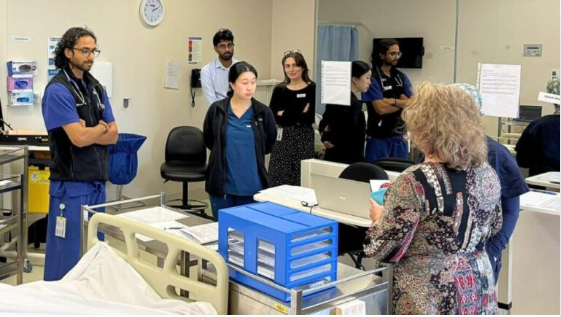
    Intern pharmacists from Northern Health and final-year MD4 students from the Northern Clinical School (University of Melbourne) recently took part in an innovative interprofessional simulation designed to prepare them for real-world hospital practice.

    Developed in response to participant feedback, the program was created after intern pharmacists reported uncertainty about how to approach medical staff, while medical students identified gaps in their pharmacology knowledge and understanding of the hospital pharmacist’s role.

    “Jeff Khoshaba, Lead Pharmacist for Education, and I connected at a recent conference and realised our students shared similar learning needs. This collaboration has not only created a fun and valuable learning experience for them, but also highlighted how interdepartmental collaboration in medical education can benefit everyone involved,” said Pip Wills, Simulation Teaching Specialist, Northern Clinical School, University of Melbourne and Emergency Physician, Northern Hospital Epping.

    To address these needs, staff from Northern Health Pharmacy and the Northern Clinical School co-designed a realistic “night shift” simulation, mirroring the fast-paced, high-pressure environment of a hospital after hours.

    During the simulation:

    • Groups of four medical students rotated through six simulated patient stations.
    • They received simulated phone calls from ward nurses seeking clinical advice.
    • Intern pharmacists completed ward-based responsibilities and fielded their own calls from nursing staff.
    • Both groups were encouraged to collaborate in real time, consulting and problem-solving together—just as they would during an actual shift.

    The exercise concluded with a joint debriefing that explored key clinical and communication scenarios, followed by profession-specific sessions to consolidate learning.

    Feedback from participants has been overwhelmingly positive. Both medical students and intern pharmacists reported increased confidence, improved understanding of each other’s roles, and greater appreciation of the importance of interprofessional collaboration in delivering safe, effective patient care.

    One medical student commented, “Having a pharmacist involved in the simulation made it feel much more realistic. It helped me understand when and how to engage with pharmacists to provide better patient care.”

    Ongoing feedback and evaluation will continue to refine the simulation to ensure it meets learners’ needs and reflects the evolving realities of clinical practice.

  • The Junior Doctor Handbook

    The Junior Doctor Handbook

    At Northern Health, the transition from medical student to junior doctor is supported by more than just orientation sessions and workshops – it’s anchored by a vital resource known as the Junior Doctor Handbook.

    Behind this essential guide is one of Northern Doctors Education Unit’s dedicated Advisors, Ijaza Lafeer, who has spent over four years ensuring Junior Medical Staff (JMS) are not only informed but empowered.

    “My role is to ensure our JMS are orientated, supported, informed and ready to thrive,” she explains. “From coordinating intern orientation to running the Transition to Practice Program, every day is fast-paced and rewarding.”

    A typical day for her includes running weekly education programs for interns and second year Post Graduate students, coordinating practical workshops like suturing and Basic Life Support and collaborating with the Junior Medical Staff Association (JMSA). But her biggest project right now? The 2026 edition of the Junior Doctor Handbook.

    “This handbook is our one-stop shop for junior doctors,” she says. “It’s the first thing they receive when they start at Northern Health, and it has everything they need – from key hospital policies and department information to welcome messages and practical tips. It’s simple, clear, and accessible anytime via Teams.”

    Updated annually, the handbook is designed to reflect the most current information and serve as a reliable companion throughout the year. It’s especially helpful for International Medical Graduates (IMGs) and those navigating the complexities of a new hospital system.

    For Jess Gu, a 2025 intern, the handbook was more than just a document – it was a lifeline.

    “Starting internship was both an exciting yet daunting experience,” Jess shares. “Despite four years of medical school, nothing quite prepared me for my first year working as a doctor. The Junior Doctor Handbook was a constant and centralised resource that addressed most concerns I had throughout the year. From key contacts to administrative tasks, it helped me navigate the system and feel supported.”

    As Northern Health prepares to welcome its next cohort of interns, the 2026 Junior Doctor Handbook stands ready – a testament to the team’s commitment to the success of every junior doctor who walks through its doors.

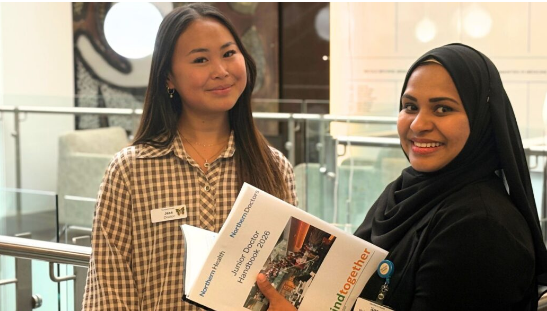
    Picture shows Jess and Ijaza with the 2026 Junior Doctor Handbook.

  • 16 Days of Activism Against Gender-Based Violence

    16 Days of Activism Against Gender-Based Violence

    16 Days of Activism Against Gender-Based Violence is a global campaign dedicated to ending violence against women and girls. This worldwide initiative began on the International Day for the Elimination of Violence Against Women (25 November) and concludes on Human Rights Day (10 December).

    The United Nations defines violence against women as “any act of gender-based violence that causes or could cause physical, sexual or psychological harm or suffering to women, including threats of harm or coercion, in public or private life.” The World Health Organization recognises gender-based violence as both a global public health and human rights priority.

    In Australia, one in three women experience violence, and on average one woman per week is killed by an intimate partner.

    Gender inequality is the primary driver of this violence. Violence against women and girls is a manifestation of inequality and discrimination based on gender, race and other power imbalances. Women in Australia continue to be disproportionately impacted by family, domestic and sexual violence.

    Promoting gender equality is essential in addressing this issue. Gender equality means that people of all genders have equal rights, responsibilities, and opportunities in every aspect of life—social, economic, and political. It is important because it promotes fairness, empowers everyone to reach their potential and helps prevent violence and discrimination by challenging power imbalances.

    The 16 Days Campaign is an important reminder that violence is not only a community concern but is also an important workplace issue. At Northern Health, we remain committed to promoting a safe and respectful workplace environment where all employees feel valued, supported and protected.

    Tanya Ellis, Strengthening Hospital Response to Family Violence (SHRFV) Program Manager, explains that violence does not discriminate. She highlights that during the campaign, it is important to recognise that our staff members, volunteers and students also experience violence in their personal lives.

    “Family violence is an epidemic, and research indicates that female clinicians working in the public health sector are at higher risk of experiencing family violence compared to the general population.”

    “At Northern Health we receive multiple family violence disclosures from our staff members each week. This issue can affect the safety, wellbeing and work performance of the affected staff member and impact colleagues through risks to safety, disrupted work, reduced concentration, absenteeism and even resignation. A supportive workplace and remaining connected to employment are significant protective factors in mitigating this risk,” she adds.

    Maria Soo, Workforce Planning and Project Director, emphasises that addressing gender-based violence is essential to building a fair, equitable and productive workplace. She notes that violence—whether physical, psychological or financial—undermines employee wellbeing and creates barriers to participation. Strong policies, accountable leadership and a culture grounded in respect and inclusion are key to ensuring the safety and dignity of all employees. Maria states, “When employees feel safe and empowered, they can fully participate and thrive. Supporting safety and equality strengthens our organisational resilience and long-term success.”

    Northern Health is committed to providing a workplace in which violence is never tolerated or excused. We aim to play an important role in the prevention of violence and are committed to providing a workplace environment where it is safe to make a disclosure and receive support and access to safety.

    The SHRFV Team and the OHS & Wellbeing Team have worked together to establish the Family Violence Workplace Support Program. The program is designed to identify, respond to and support our staff members at risk of family violence. A range of workplace support initiatives have been implemented:

    • Family Violence Contact Officers (FVCOs) – have been implemented in the OHS & Wellbeing Team and are designated senior staff members specifically trained to identify and respond to family violence in the workplace. They also provide guidance and consultation to Managers. FVCOs can be contacted on T: 8405 8034 or via Email: nhfamilyviolencecontactofficer@nh.org.au
    • Family Violence Workplace Safety Plans
    • Family Violence Leave
    • Referrals to Specialist Services
    • Employee Assistance Program (EAP)– free counselling and emotional support for all staff members and volunteers. EAP also has Specialist Family Violence Counsellors available. T:1300 687 327
    • People & Culture Business Partners – provide guidance on leave, flexible work arrangements and workplace adjustments

    Staff members, who are experiencing violence, are encouraged to disclose to their Manager, a FVCO or the SHRFV Program to access these workplace support entitlements.

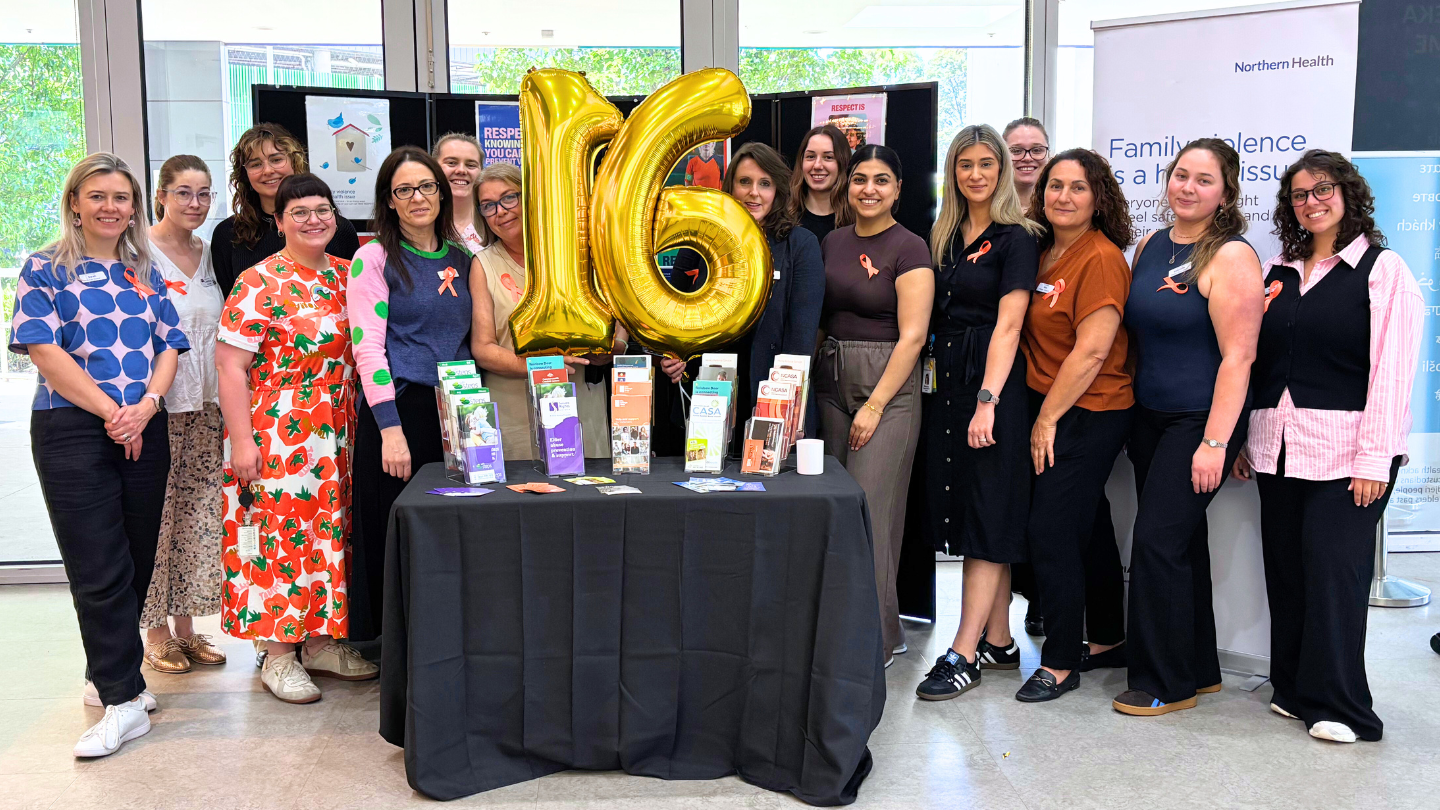
    Northern Health encourages our staff members and wider community to get involved in the campaign by wearing something orange, visiting the display in the main foyer, calling out disrespectful behaviour and having conversations about what constitutes healthy relationships.

    The SHRFV Program is available to provide specialist consultation and facilitate family violence education. Please contact the SHRFV Program if you would like to organise training in your area (T: 8405 8519).

    For further information and to participate in events please click here.

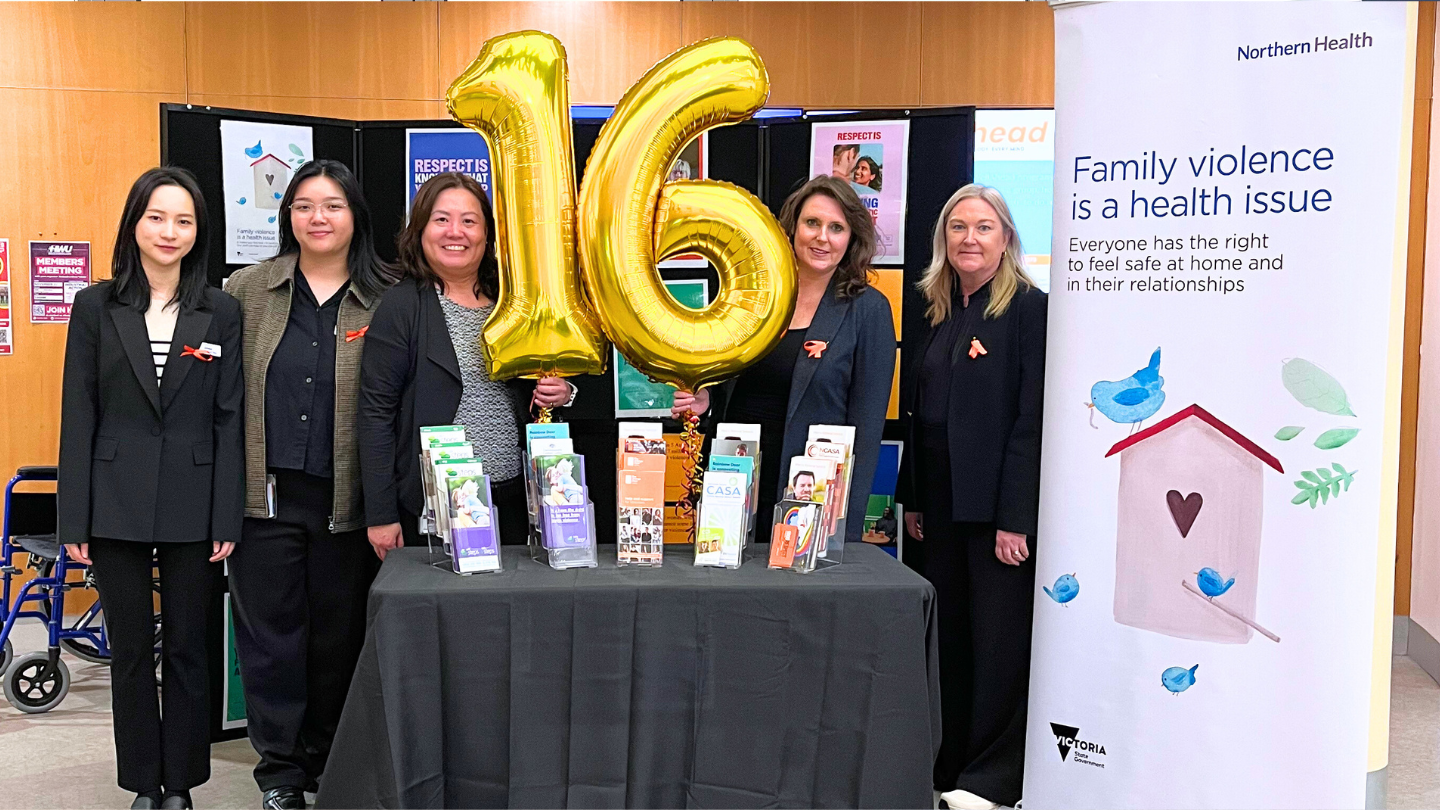
    Pictured in featured image (L-R): Jessie Zhang and Christine Nguyen (Workforce project officers), Maria Soo, Workforce Planning and Project Director, Tanya Ellis, Strengthening Hospital Response to Family Violence (SHRFV) Program Manager and Ricky Busuttil, Executive assistant to the Chief Executive and Chief People Officer. 

  • Get to know: Trisha Abbey

    Get to know: Trisha Abbey

    #WeAreNorthern

    Meet Trisha Abbey, Health Information Officer (HIS) Ward Clerk Manager, Northern Health.


    Q: First, let’s start with your coffee order.  

    A: Skinny hot chocolate extra hot- I’ve never drank a coffee in my life!


    Q: Tell us about your journey at Northern Health.

    A: I began my career with Northern Health in 2002 as a Health Information Services (HIS) Clerk. Within a few months, I transitioned into a clerical role in the Emergency Department, where I worked permanent night shifts. In 2013, I moved into the position of Emergency Department Patient Liaison Officer, followed by my appointment as Emergency Department Clerical Supervisor in 2018. In July 2023, I was proud to step into my current role as HIS Ward Clerk Manager, where I remain today leading an amazing hard-working team.


    Q: What is the best part of working at Northern Health?

    A: As outlined above, my journey with Northern Health demonstrates that consistent hard work, integrity, and respect for others creates real opportunities for career progression. My experience is a testament to what can be achieved through dedication and a positive attitude — if I can do it, anyone can! Believe in yourself and your potential.


    Q: What does a day in your job look like?

    A: No two days are ever the same in my role. I lead a dynamic and busy environment, supporting a large clerical team while engaging in meetings, strategic planning, recruitment, and continuous improvement initiatives. I strive to be a supportive and approachable leader — someone who listens, guides, and helps others achieve their best.


    Q: If you weren’t in your current role, what would you have been instead?

    A: I have hired many employees into Northern Health over the years, and it’s incredibly rewarding to see their careers progress and flourish. I take great pride in supporting and developing people, helping them grow from quiet beginners into confident, capable professionals. I truly enjoy building others up and watching their confidence soar — I suppose my dream job would be one where I can continue to inspire, mentor, and empower others to reach their full potential.


    Q: Favourite place to travel and why?

    A: Last year I fulfilled a lifelong dream by flying into New York on Christmas Day, flying over a snow-covered landscape before spending the evening at the Rockettes. There’s truly nothing like New York at Christmas — it was a magical experience and will always remain one of my most treasured travel memories.


    Q: A book or a movie that has stayed with you and why?  

    A: One book that has had a meaningful impact on me is The Let Them Theory by Mel Robbins. After reading it last year, I gained a valuable perspective — to focus on my own values and decisions rather than the choices of others. It’s a principle that has greatly supported both my personal growth and professional approach.

    Pictured in featured image: Trisha at the Grand Canyon National Park.

  • Annual General Meeting showcases community impact

    Annual General Meeting showcases community impact

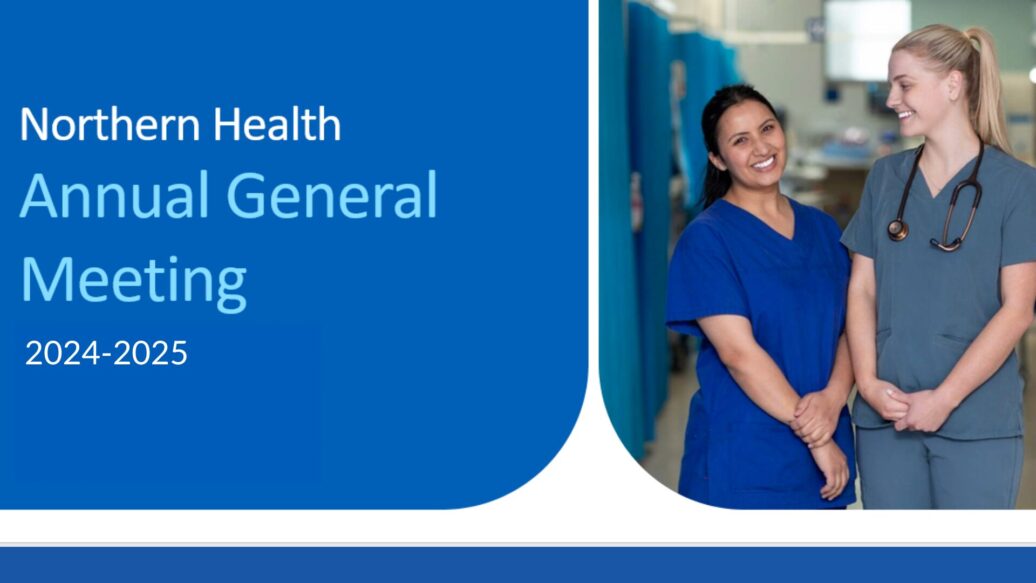
    Northern Health has marked a year of expansion and innovation at its Annual General Meeting, held earlier today.

    Board Chair Adjunct Professor Alan Lilly, presiding over his first Annual General Meeting, paid tribute to former chair Jennifer Williams AM and outgoing board members Phillip Bain, Dr Sherene Devanesan AM, and Linda Rubenstein. He highlighted the organisation’s refreshed Strategic Plan, which will guide Northern Health until 2029 under the values Safe. Kind. Together.

    Chief Executive Adjunct Professor Debra Bourne outlined record activity across the health service. Northern Hospital Epping remained Victoria’s busiest emergency department with 118,710 presentations. Across the year, Northern Health admitted 129,690 patients, performed 24,110 surgeries, and welcomed 3,386 babies.

    Mental health services delivered 216,673 hours of community care and supported 2,820 inpatient admissions, including the opening of Victoria’s largest dedicated women’s mental health unit.

    Northern Health continues to lead the way in healthcare innovation through the Victorian Virtual Emergency Department (VVED). Since its launch, VVED has cared for more than 500,000 patients and continues to grow. Around 85 per cent of patients with non-life-threatening emergencies received care in their own homes – significantly improving statewide access to emergency care.

    The rise of digital health tools enables us to fulfill our commitment to delivering value-based healthcare. We are excited to announce that last night Northern Health won the prestigious 2025 Victorian Public Healthcare Award for Excellence in Value-Based Healthcare for our initiative: Transforming Asthma Care – Delivering Value-Based Care with a Co-Designed Asthma Digital Pathway. This innovative pathway was co-designed with consumers with lived experience to provide timely, personalised, and digitally enabled care that empowers patients to achieve the health outcomes that matter most to them while improving clinical efficiency.

    Closer-to-home care remained a key focus this year, with new community hospitals opening in Craigieburn and Mernda. Work also began on Stage 1 of the new Ambulatory Care Centre, paving the way for Stage 2, a major milestone that will deliver a new emergency department fronting Cooper Street.

    Northern Health strengthened academic partnerships with RMIT and La Trobe, supporting 148 new research projects and more than 350 publications. The organisation also ranked #1 in Victoria for energy efficiency and advanced its Reconciliation Action Plan, with over 700 staff completing cultural safety training.

    Mr Lily said, “This culture of excellence, executed with a great sense of humility, is what makes Northern Health a great place to work and to receive care. A place that I am privileged to be a part of. “

    Both Mr Lilly and Ms Bourne praised Northern Health’s 9,000 staff, volunteers, and partners for their dedication. Despite financial pressures, the service achieved a break-even result.

    “As we look ahead, we remain focused on our values of Safe, Kind, Together, and on building a health system that meets the needs of our rapidly growing community,” Ms Bourne said.

  • Joint Replacement Digital Care Pathway

    Joint Replacement Digital Care Pathway

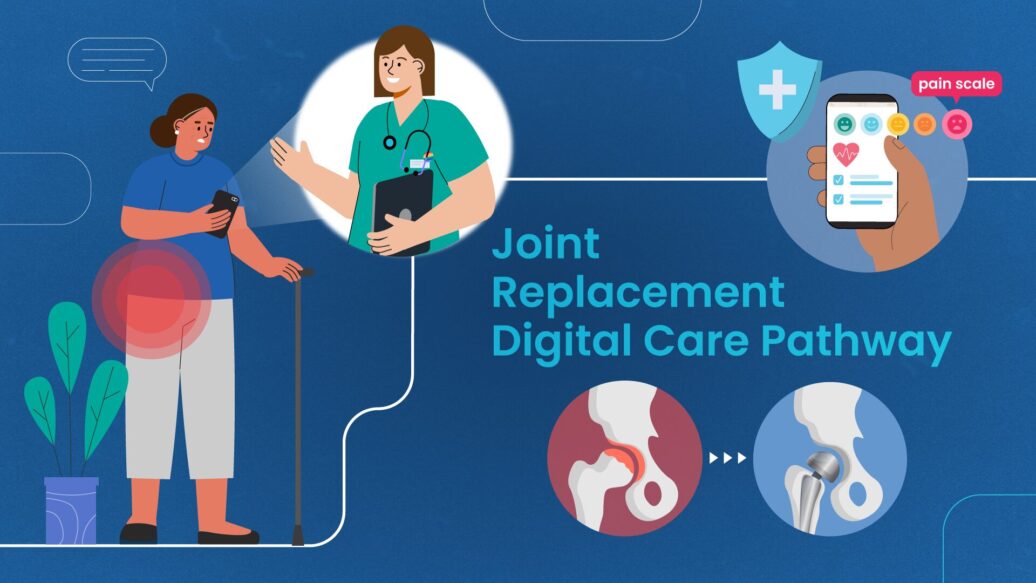
    Northern Health has commenced an exciting new initiative, the Joint Replacement Digital Care Pathway (DCP), designed to support people preparing for hip and knee replacement surgery.

    Developed through the MyHealth@Northern app and funded through the Transport and Accident Commission’s Value-Based Healthcare Program, the pathway brings together trusted education, recovery information, and guidance in one accessible digital space.

    The project is being co-designed with patients who have lived experience of joint replacement surgery, alongside clinicians, nurses, physiotherapists, and the CLEO team. This collaborative approach ensures the content reflects the questions, concerns, and priorities that matter most to patients preparing for and recovering after surgery.

    “We want patients to feel informed, confident, and supported throughout their journey,” said Professor Adam Semciw, Professor of Allied Health at La Trobe University and Northern Health. “By working directly with patients and staff, we’re creating something grounded in real experiences, not assumptions.”

    The DCP will build on the foundation of Northern Health’s Musculoskeletal Wellness Program. “Together these initiatives will improve patient journey from GP referral, offering gold-standard non-operative care for all patients with hip and knee OA, and progressing through to hospital stay and discharge, for those who eventually do require hip and knee replacement,” said Dr Juliette Gentle, Orthopaedic Head of Unit, Northern Health.

    Prehabilitation is known to improve recovery and help patients set realistic expectations, yet many people face barriers such as travel, time or accessibility. By delivering prehabilitation education at home, the pathway aims to make preparation more convenient and easier to engage with. The DCP provides guidance on exercise, nutrition, pain management, and what to expect during hospital stay and recovery, with videos and practical tips to support patients before and after surgery.

    The pathway is being developed and evaluated through a research study led by Northern Health and La Trobe University. Over the coming months, the team will pilot the pathway with patients undergoing joint replacement to assess feasibility, acceptability, and impact on outcomes.

    Rather than replacing existing education services, the DCP aims to give patients the option to access trusted information at home. By analysing who engages with the pathway, how it is used, and what impact it has, the research team hopes to identify which groups benefit most and how it can best complement standard care.

    “This is about testing what works,” said Professor Semciw. “Our goal is to ensure the pathway genuinely supports patients and fits smoothly into standard care.”


    Picture Description: Working together to improve patient outcomes for joint replacement patients – Northern Health and La Trobe University.
  • 16 Days of Activism Against Gender-Based Violence

    16 Days of Activism Against Gender-Based Violence

    16 Days of Activism Against Gender-Based Violence is a global campaign dedicated to ending violence against women and girls. This worldwide initiative begins on the International Day for the Elimination of Violence Against Women (25 November) and concludes on Human Rights Day (10 December).

    The United Nations defines violence against women as “any act of gender-based violence that causes or could cause physical, sexual or psychological harm or suffering to women, including threats of harm or coercion, in public or private life.” The World Health Organisation recognises gender-based violence as a global public health and human rights priority.

    Violence is often perceived as a physical act that causes physical harm. However, for women and girls worldwide, the violence they experience occurs in many forms. It can be subtle and not easily recognised, yet deeply damaging.

    In Australia, one in three women experience violence, and on average one woman is killed by an intimate partner each week. Certain cohorts of women are at higher risk of experiencing violence and face additional barriers to accessing support and safety. These include:

    • Indigenous women
    • Adolescent girls and young women
    • Pregnant women
    • Women with a disability
    • Transgender women
    • Women from culturally and linguistically diverse backgrounds

    Northern Health acknowledges that violence against women is a serious and prevalent health issue that can have a profound impact on the psychological and physical wellbeing of victim survivors.

    Tanya Ellis, Strengthening Hospital Response to Family Violence (SHRFV) Program Manager, says 16 Days of Activism is a time to reflect on gender inequality and social norms that tolerate and perpetuate gender-based violence. She emphasises the importance of ending inequity, discrimination and violence.

    “Violence against women is an epidemic in Australia. However, it doesn’t have to be this way because violence against women is preventable. Throughout 16 Days of Activism and beyond, we have an opportunity to unite as a community and work toward a future where all Victorians are equal, respected and safe.”

    “In order to eliminate male violence toward women, we need to address the harmful attitudes and behaviours that drive this violence. Everyone has an important role to play. By working together, we can foster change by challenging harmful notions about gender and creating a future where all women live their lives free from violence,” she adds.

    At Northern Health, Family Violence Training is mandatory for all staff members and volunteers. Please ensure to complete the training and use the Family Violence Screening & Identification Tool when working with a patient who is at risk of experiencing family violence and refer to Social Work/Specialist Services as required.

    Northern Health encourages our community to get involved in the campaign by wearing something orange, visiting the information display in the main foyer, calling out disrespectful behaviour and having conversations about what constitutes healthy relationships. You can also join the Walk Against Family Violence on Friday, 28 November 2025.

    The SHRFV Program is also available to provide specialist consultation and facilitate family violence education. Please contact the SHRFV Program if you would like to organise training in your area on 8405 8519.

    For further information, please click here and to explore activities across Melbourne.

    Pictured in featured image: Tanya Ellis with staff from Women’s & Children’s Services.