
• Why Northern?

    Why Northern?

    From career journeys and personal connections to the small things that make a big difference, the Why Northern? series of interview-based articles celebrates pride, belonging and the culture we’re building together at Northern Health, following our recent recognition as an Employer of Choice.

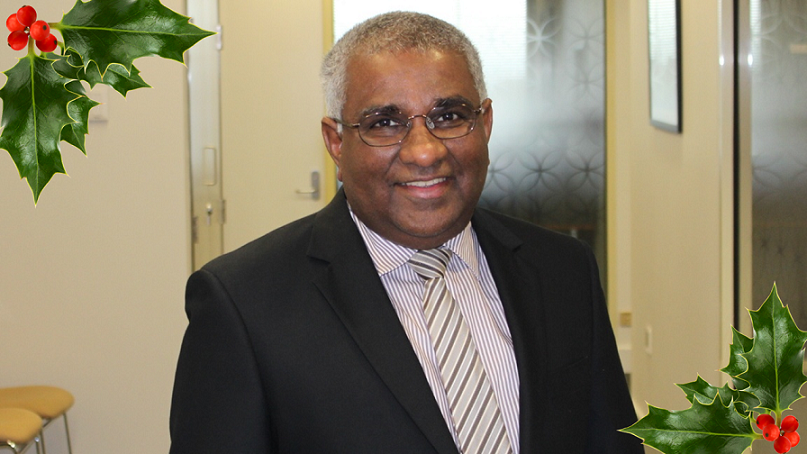
    In our second interview, we speak with Professor Prahlad Ho, Chief Medical Officer, who has been part of Northern Health for more than 18 years.

    Q: Why did you choose to work at Northern Health?

    A: My connection to Northern Health stretches back two decades. I first rotated here in 2006 as an intern, and even then I was struck by the spirit of the place – the teamwork, the diversity, and the sense that people were genuinely invested in their patients and in each other.

    I formally began my consultant journey at Northern Health in 2013 when I joined as a Thrombosis Fellow. I arrived with the intention of starting a research PhD, and while other institutions were hesitant or less supportive of that path, Northern Health did the opposite. It embraced the challenge, backed the vision, and provided the environment and encouragement to establish a research program that has since grown into the Northern Thrombosis Research Group (NECTAR) and a broader suite of global coagulation assay expertise.

    That early support shaped everything that followed. It’s a big reason I’ve never left.

    Q: What is your connection to Northern Health?
    A: My journey has certainly not been a straight line, and I would never have imagined I’d be doing what I am today. My career has evolved alongside the organisation itself. New challenges would arise, clinical, operational, research-focused – and each opened a door to step into larger roles and build new capabilities.

    Looking back, Northern Health has a way of stretching you in the best possible way and encouraging you to grow into opportunities you didn’t even realise you were preparing for.

    Q: What does being named an Employer of Choice mean to you personally?
    A: It’s a validation of what many of us experience every day – that Northern Health is a place where people genuinely care about their colleagues, their patients, and their community. For me personally, it reflects the work our teams have done to create an environment where people feel supported to contribute, innovate, and thrive.

    Q: How would you describe the culture at Northern Health in three words?
    A: Inclusive. Purpose-driven. Collaborative.

    Q: What’s one thing Northern Health does really well for its people?
    A: Northern Health excels at creating opportunity. Whether you’re early in your career or stepping into leadership, there’s space to grow, take on meaningful work, and make a tangible impact.

    On a simple level, there’s also a genuine sense of collegiality – people check in on each other, support one another, and celebrate each other’s successes.

    Q: Can you share a moment that made you feel proud to work at Northern Health?
    A: One of my proudest moments was seeing Northern Pathology Victoria and Northern Imaging Victoria become fully operational and deliver outcomes that directly improved patient care in our catchment.

    These weren’t just service expansions, they were examples of what can happen when teams across clinical care, research, and operations come together with a shared mission and a lot of perseverance.

    Q: How has Northern Health supported your growth — professionally or personally?
    A: Northern Health has supported my growth by giving me the freedom to lead, innovate, and build programs aligned with my passions in thrombosis research, service development, and clinical innovation.

    I’ve been trusted with large, complex portfolios and surrounded by colleagues who encourage reflection, creativity, and ambition. The Northern Health environment builds confidence, resilience, and a strong sense of purpose.

    Q: What keeps you coming back each day? (coffee order counts too 😊)
    A: The people and the possibilities. Every day brings new challenges and opportunities to improve care, support clinicians, advance research, or build partnerships that strengthen our health system.

    All of this happens within a culture that is safe, kind, and together. And yes, a skinny latte definitely helps kick-start the morning.

    Q: What would you say to someone thinking about working at Northern Health?
    A: Choose Northern Health if you want to work somewhere where your contributions truly matter. You’ll join a welcoming and diverse community, be given opportunities to grow, and help shape services for one of the most dynamic multicultural populations in Australia.

    If you’re looking for purpose, collaboration, and a place where your ideas can take root, Northern Health is the right choice.

  • Northern Health cardiologist wins JACC Young Author Achievement Award

    Northern Health cardiologist wins JACC Young Author Achievement Award

    Dr Dominic Chow, electrophysiologist at Northern Health, has been honoured with the 2025 JACC William W. Parmley Young Author Achievement Award, recognising research of exceptional scientific rigor, originality, and clinical relevance. JACC is the medical journal of the American College of Cardiology.

    Harlan M. Krumholz, Editor-in-Chief of JACC, congratulated Dr Chow on the accolade, noting, “We commend Dr Chow for this achievement and are grateful for the strong research and mentorship environment at your institution that supports high-calibre scholarship and advances cardiovascular science.”

    Professor William van Gaal, Divisional Director of Emergency Services and Director of Cardiology, described Dr Chow as “an upcoming star in cardiology, who conducted the world’s first randomised controlled trial in a new type of physiological pacing.” He added that Northern Health “leads the way in this relatively new type of pacemaker procedure.”

    The award recognises Dr Chow’s outstanding contribution to cardiovascular medicine through his manuscript, “Clinical Outcomes of Conduction System Pacing vs Right Ventricular Septal Pacing in Atrioventricular Block: The CSPACE Randomized Controlled Trial,” published in JACC in 2025.

    Dr Chow said conduction system pacing represents the future of pacemaker therapy, reducing the risk of pacing-induced heart failure. ” There is little doubt that this pacing technique will change the way pacemakers are prescribed going forward.”

    He expressed pride that Northern Health patients have benefited from this innovative technique since it was pioneered locally by A/Prof Uwais Mohamed around 2017.

    “My first reaction was to share the achievement with my mentors and colleagues. “They made this possible for me, and for us!”

    Dr Chow highlighted the strong collaborative culture at Northern Health as central to the success of the CSPACE trial.

    “My mentors and colleagues have been very supportive, open and flexible in collectively running a clinical trial. The journey—from COVID-related recruitment challenges to maintaining high scientific standards—was only possible because of the teamwork within the department.”

    He added that his experience at Northern Health has been deeply rewarding, “It’s all about the people—dependable colleagues who value teamwork, and mentors who challenge and support my scientific ideas.”

    Dr Chow will be formally recognised at the JACC Journals Reception during the American College of Cardiology Scientific Session in New Orleans.

    Chief Medical Officer and Chair of the Research Executive Committee, Prahlad Ho, praised the achievement, saying, “Dominic’s achievement is a powerful testament to his scientific excellence and clinical leadership. We at Northern Health are immensely proud of the international impact of his work.”


    Picture shows Dr Dominic Chow at extreme right and the Cardiology, Cath Lab and Electrophysiology Team.

  • New Anorectal Physiology Laboratory supporting patients with pelvic floor dysfunction

    New Anorectal Physiology Laboratory supporting patients with pelvic floor dysfunction

    Northern Health has introduced a new Anorectal Physiology Laboratory to support patients experiencing pelvic floor dysfunction and faecal incontinence, with the service having officially commenced in September 2025.

    The service provides specialised diagnostic testing to assess anorectal function and guide treatment for patients with pelvic floor disorders. It predominantly supports female patients, particularly those who have experienced complicated childbirth resulting in sphincter injury. In Victoria, obstetric anal sphincter injuries occur in approximately two per cent of deliveries, and early assessment can play an important role in managing symptoms and informing decisions about future pregnancies and modes of delivery.

    Advanced diagnostic equipment is used to assess anorectal function, including a 3D ultrasound to evaluate sphincter integrity, a 3D solid-state manometry probe to measure sphincter strength, and the St Mark’s electrode to assess nerve function. These assessments help clinicians better understand the cause of symptoms and guide appropriate management strategies.

    Currently, the clinic sees two patients per session and runs twice a month, with plans to expand capacity as the service continues to develop. At full capacity, it is expected to support up to 40 patients each year.

    The laboratory is currently staffed by Colorectal Surgeons Mr Eric Daniel and Mr Ankur Sidhu, with Dr Atandrila Das also joining the team. Nursing and logistical support for patients attending the service is provided by Ms Emily Wallace and Ms Melissa Gwynne. The Anorectal Physiology Laboratory operates within a multidisciplinary model of care. The service works closely with teams across Obstetrics and Gynaecology, Urogynaecology, Pelvic Floor Physiotherapy and Gastroenterology to provide comprehensive assessment and management for patients.

    While there is a strong focus on supporting women following obstetric sphincter injuries, the service also benefits patients of all genders with pelvic floor dysfunction. This includes patients with inflammatory bowel disease affecting the perineum, as well as those experiencing general incontinence.

    “Establishing the laboratory has been the result of a long collaborative effort across several teams. Initial funding applications began in 2018, and after years of planning and advocacy, funding was successfully secured in 2025. A significant contribution to this effort came from Mr Neil Strugnell, Head of Colorectal Surgery, who played a key role in securing the funding needed to establish the service,” said Mr Eric Daniel, Colorectal Surgeon at Northern Health.

    “We are extremely fortunate to have received funding through Northern Health Foundation for this much-needed service. We thank the Foundation and the community for their continued support,” he added.

    The introduction of the Anorectal Physiology Laboratory represents an important step in improving access to specialised pelvic floor diagnostics and care for the Northern Health community.

    Pictured in featured image (L-R): Ms Emily Wallace, Nurse, Mr Neil Strugnell, Head of Colorectal Surgery, Mr Eric Daniel, Colorectal Surgeon, Mr Ankur Sidhu, Colorectal Surgeon, Ms Melissa Gwynne, NUM and Ms Pina Di Donato, Executive Director, Public Affairs and Foundation.

  • AI at the bedside: Northern Health leads Australian first POCUS innovation study

    AI at the bedside: Northern Health leads Australian first POCUS innovation study

    Northern Health has launched a ground-breaking research study implementing AISAP, an AI-assisted Point-of-Care Ultrasound (POCUS) platform designed to transform the way cardiac conditions are diagnosed and managed across our health service.

    The study commenced following two successful bootcamp training sessions held in February, where General Medicine and Respiratory clinicians undertook intensive, hands-on training in AI-assisted cardiac POCUS. The sessions combined focused teaching with supervised bedside scanning and real-time AI-assisted interpretation, equipping clinicians with the skills and confidence to begin using the platform in practice.

    Dr Vinita Rane, Head of Medicine Unit 5, reflected on the significance of the training and the opportunity it represents, “It’s exciting to be part of a trial that brings cardiac ultrasound closer to the bedside. For me, it’s an extension of the stethoscope, providing another tool that complements clinical assessment and specialist input. Building our staff’s skills in point-of-care ultrasound means we can get important information quickly and easily for our patients, and it’s likely to play a growing role in care in the future.”

    AISAP is a secure, cloud-based platform that uses advanced artificial intelligence to support clinicians in acquiring and interpreting cardiac ultrasound images at the bedside. By providing real-time guidance and automated measurements, it strengthens diagnostic confidence and supports rapid, more informed clinical decision-making.

    Dr Peter Cheng, Emergency Department Physician, highlighted the broader impact of the initiative.

    “It has been inspiring to be part of this Australian first AI-assisted POCUS study. A massive multidisciplinary effort combining AI, ultraportable ultrasound and rapid upskilling, clinicians now have the ability to improve patient outcomes and length of hospital stay through earlier bedside diagnoses of cardiac conditions.”

    Cardiovascular disease remains a significant driver of hospital admissions and length of stay. This implementation study will evaluate the impact of AI-assisted cardiac POCUS on diagnostic accuracy, timeliness of decision-making and patient flow, with the aim of improving both clinical outcomes and system efficiency. For patients, the impact is simple: people receive the right care sooner, reducing avoidable time in hospital.

    Dr Katharine See, Chief Health Outcomes Officer and principal investigator, said, “This study is about more than introducing new technology. It is about redesigning how we deliver care. If we can support clinicians to make faster, more accurate bedside decisions, we can improve outcomes for patients and reduce unnecessary time in hospital. That is the kind of innovation that genuinely transforms a health service.”

    The pilot has been funded through a grant from the Hospitals Contribution Fund of Australia (HCF) Research Foundation, awarded to Dr Katharine See and her research team. Over the coming year, the team will explore how the innovative platform can transform care for people with potential cardiovascular conditions by enabling clinicians to perform rapid bedside heart ultrasounds more efficiently and effectively. Beyond the clinical impact, the study will also examine what it takes to embed emerging technologies into everyday care and ensure sustainable improvements in patient outcomes. The evaluation will assess whether AISAP accelerates diagnosis, how closely AI-assisted findings correlate with formal echocardiography, and what impact the model has on length of stay. Clinician experience and adoption will also be central, ensuring the technology integrates meaningfully into routine practice.

    While AISAP represents a significant technological advancement, the focus of the program is broader than the tool itself. It is about enabling clinicians, strengthening capability at the bedside and translating research into measurable impact for our community.

    This is transformation in action at Northern Health.

    Photos from the bootcamp training sessions held at Northern Health


    Pictured in featured image (L-R): AISAP representatives, Dr Katharine See, Camille Meredith, Dr Vinita Rane and Natalie Tirant. 

  • Celebrating Cultural Diversity Week and Harmony Day 2026 at Northern Health

    Celebrating Cultural Diversity Week and Harmony Day 2026 at Northern Health

    Cultural Diversity Week (21 – 29 March) is fast approaching, with Harmony Day celebrated each year on 21 March, aligning with the International Day for the Elimination of Racial Discrimination. It’s a time to reflect on the message that everyone belongs, celebrating inclusiveness, respect, and a sense of belonging for all Australians.

    At Northern Health, this message is especially meaningful. Our workforce reflects the richness of our community, with more than 50 per cent of staff born overseas and over 150 languages spoken across our organisation. This diversity is also reflected in the patients we care for, reinforcing the importance of culturally responsive and inclusive healthcare. “It is about the beauty of sharing, the courage to listen, and the respect we build by truly knowing one another,” said Yue Hu, Director of TALS and Narrun Wilip-giin Aboriginal Support Unit.

    This year’s Cultural Diversity Week program has been shaped through a strong collaborative effort, bringing together teams from across the organisation, along with valuable contributions from consumers Dalal Sleiman and Evan Bichara to ensure a meaningful and inclusive approach.

    In the lead-up to the week, staff shared recipes celebrating their cultural heritage, which have been compiled into a special Recipe Book. You can view the e-book here: Harmony Week – Recipe Book.

    Following the success of last year, teams are encouraged to take part in Cultural Diversity Week (20–27 March) by hosting their own celebrations – whether through shared meals, storytelling, or cultural displays. Be sure to capture your activities and submit photos to TALS Enquiries by Friday 27 March for a chance to win the 2026 Cultural Diversity Week Perpetual Trophy.

    A range of activities will take place across Northern Health sites. Displays reflecting the theme Everyone belongs will be featured, alongside international menu offerings at Henry’s and Café 1231, and a curated collection of cultural diversity resources from the library team.

    Highlights include a collaborative choir performance in the Northern Hospital foyer, bringing together the Northern Health Community Choir and Whittlesea Township Choir in a celebration of music and culture, and an interactive language workshop hosted by TALS on Monday 23 March, inviting staff and visitors to learn simple greetings from different languages.

    Staff will also have the opportunity to connect with the broader community at the City of Whittlesea Harmony Day and Cultural Diversity Week celebration on Wednesday, 25 March.

    You can view the details for all these activities here.

    Australia is one of the world’s most successful multicultural societies, and at Northern Health, diversity continues to strengthen both our workplace and the care we provide. Through services like Transcultural & Language Services, which delivers more than 75,000 interpreting occasions each year, we help ensure every patient feels understood and supported.

    Pictured in featured image: Representatives from TALS. 

  • Northern Health to Lead Falls Prevention Innovation in $1.4 Million National Research Trial

    Northern Health to Lead Falls Prevention Innovation in $1.4 Million National Research Trial

    A major national falls prevention clinical trial, led by world-renowned Hospital Falls researcher Professor Anne-Marie Hill from The University of Western Australia, continues to gain momentum at Northern Health.

    On Monday 16 March, the evidence-based falls prevention program was officially launched in Ward 4, marking the implementation of the program on the second of four wards participating in the study.

    The project, funded through a $1.4 million grant from the Medical Research Future Fund, aims to reduce hospital falls and fall-related injuries in older adults by implementing and evaluating an evidence-based patient education program.

    Professor Hill is collaborating with local investigators from Northern Health and La Trobe University, including Dr Adam Semciw, Professor of Allied Health and Dr Hazel Heng, together with Prof Don Campbell, Divisional Director, Design and Discovery and Uyen Phan, Associate Director of Allied Health.

    The research addresses the significant clinical and economic burden of hospital falls. Patients who fall while in hospital experience nearly double the length of stay compared with those who do not fall, with hospital-related costs also almost doubling. Each injurious hospital fall is estimated to incur approximately $38,991 in additional costs.

    A key component of the program is the appointment of clinical staff as Falls Champions at Northern Health, supporting the translation and implementation of evidence into practice across participating wards.

    Lauren Trim, Clinical Nurse Lead, and Narelle Frazer, Allied Health Lead and Physiotherapist, will play central roles in delivering and embedding the program across the wards.

    Lauren said being part of the project provides a unique opportunity to contribute to world-leading research while remaining grounded in clinical care.

    “I love being part of a patient-focused, nationwide trial that allows me not only to deliver education directly to patients, but also to be involved in shaping and evaluating the evidence that guides it.”

    Narelle said the collaboration offers an opportunity to see research translated directly into patient care.

    “It’s an incredible opportunity to be working with world-leading researchers to put evidence into practice and to observe the difference this is making to falls rates at Northern Health.”

    Through strong collaboration between academic partners and frontline clinicians, the project will directly translate evidence into everyday care. By empowering patients, families and staff with practical, evidence-based education, the initiative aims to sustainably reduce falls, improve recovery outcomes and strengthen research capability within the health service—delivering safer, higher-quality care for older Australians.

    Pictured in featured image (L-R): Narelle Frazer, Dr Hazel Heng, Prof Anne-Marie Hill, Elyse Brushfield, Renee O’Rourke, Alicia Brooks, Lauren Trim, Jack Tullio, Uyen Phan and Prof Adam Semciw.

  • Neurodiversity Celebration Week: From awareness to action

    Neurodiversity Celebration Week: From awareness to action

    This week marks Neurodiversity Celebration Week (16–22 March), with a focus on moving from awareness to action and creating meaningful organisational change.

    Neurodiversity is not something to fix. It is something to understand, support and value. At Northern Health, recognising and embracing different ways of thinking strengthens our teams and improves the care we provide to our community.

    Deepmala Awasthi, Disability Liaison Officer (DLO), shared that creating accessible workplaces for neurodivergent staff also leads to safer, kinder and more inclusive care for patients.

    “Different minds strengthen teams, and when everyone can work in the way they work best, everyone benefits.”

    Andy Allen, Social Work – Allied Health Clinical Educator, shared their experience as a neurodivergent staff member at Northern Health.

    “Northern Health has a well-established culture of being inclusive from diverse perspectives. This extends to neurodivergent staff, creating an environment where differences are not only accepted but respected,” Andy said.

    Andy also highlighted the impact of practical adjustments, such as Northern Health’s bring your own device (BYOD) approach.

    “Being able to use my own device allows me to access personalised accessibility tools and systems that help me manage my workflow more efficiently and in a neuro-affirming way. This flexibility is vital.”

    A key message for the week is simple: Recognise. Support. Include.

    Recognise
    Neurodiversity is a natural part of human diversity, with around 15–20 per cent of the population being neurodivergent. Each person has a unique profile of strengths and challenges. Many neurodivergent individuals bring valuable strengths such as deep focus, creativity, pattern recognition and strong problem-solving, which are highly relevant in healthcare.

    Support
    Small adjustments can make a meaningful difference.
    For staff, this may include clear communication, structured expectations and flexible ways of working.
    For patients, it may involve using simple language, allowing time to process information, reducing sensory stress and providing written information where possible.
    These changes benefit everyone.

    Include
    People do their best work when they feel safe to ask for adjustments, share what helps them succeed and be themselves at work. Creating inclusive environments strengthens both staff wellbeing and patient care.

    Looking ahead, Andy shared that there are opportunities to further strengthen inclusion at Northern Health.

    “Establishing a neurodiversity working group could empower staff voices, provide insights to leadership and support ongoing improvements in accessibility and inclusion.”

    Neurodiversity Celebration Week is an opportunity for all of us to reflect on how we can better support our colleagues and patients, and to take practical steps towards more inclusive, neuro-affirming care.

    For more information and resources, including events and learning materials, visit:
    https://www.neurodiversityweek.com/resource-hub
    https://www.neurodiversityhub.org/resources-for-employer

  • Celebrating staff excellence at the Bi-Annual Awards

    Celebrating staff excellence at the Bi-Annual Awards

    This morning, Northern Health hosted the Bi-Annual Awards, virtually coming together to honour the exceptional contributions of our staff.

    The ceremony, sponsored by BankVic, was hosted by Debra Bourne, Chief Executive, Northern Health, and Becc Hodges, Chief People Officer.

    “Northern Health has thousands of staff who work across a range of areas, departments and sites, dedicated to providing outstanding care to our community each and every day,” said Debra Bourne, Chief Executive.

    “Among our award winners today are staff who demonstrate a strong and positive workplace culture, live Northern Health’s values of safe, kind and together, and show a genuine commitment to their patients.”

    The ceremony celebrated winners from July 2025 – December 2025 in seven categories, with each award matched against Northern Health’s values and strategic priorities.

    “I am delighted to be here today to celebrate and award the staff who demonstrate excellence in their care and work at Northern Health,” said Becc Hodges, Chief People Officer.

    “I feel proud to work in an organisation where staff are collaborative and kind and turn up to work every day to provide such incredible care to our patients and community – we thank you all for your hard work.”

    Hung Lam, Business Manager, won the Innovation Award. Hung was nominated by Jimmy Jacob.

    “Since joining Northern Health Finance team six months ago, Hung has consistently demonstrated a level of capability, initiative, and maturity well beyond their career stage and being new to the health sector. They have quickly developed strong technical expertise in Mental Health Finance, while also showing an impressive ability to understand the broader organisational context and strategic objective,” Jimmy said in his nomination.

    The Patient Experience Award was presented to Cassie MacAlpine and Meghan Burkett, Coordinators, Housing Pathway Teams. The pair was nominated by Jennifer Williams.

    “Cassie and Meghan have demonstrated exceptional dedication and compassion in their work supporting some of our most vulnerable consumers – individuals living with enduring mental health challenges, who often fact significant barriers in accessing safe and secure accommodation,” Jennifer said in her nomination.

    “They work collaboratively with a wide range of external services to strengthen pathways into housing, ensuring consumers are not navigating these complex systems alone.”

    Wendy Nicol won the Excellence in Leadership Award. She was nominated by her colleague Snezana Velevski.

    “I am nominating Wendy in recognition of her consistently outstanding support, guidance and leadership across Support Services. Wendy leads with integrity, empathy and clarity, and she creates an environment where staff feel supported, respected, and motivated to perform at their best,” Snezana said in her nomination.

    The Education Award was presented to Dr Prakash Kamath, Consultant Psychiatrist. Dr Prakash was nominated by Yang Yun.

    “Dr Prakash is an exceptional consultant psychiatrist at the Hotham St Clinic whose passion for education and mentorship profoundly inspires those around him. His visionary leadership in co-establishing a dynamic fortnightly lecture series for the Royal Australian and New Zealand College of Psychiatrists trainees within the mental health division of Northern Health, launched in February 2025, and has truly transformed the junior registrars training experience,” Yang said in their nomination.”

    Sarah Hales, Nurse Practitioner, was awarded the Clinical Excellence Award. She was nominated by Menaka Thapa.

    “As a senior clinician and nurse practitioner, Sarah consistently demonstrates advanced clinical knowledge, sound clinical judgement, exceptional commitment to delivering high-quality patient-centred care, and an unwavering dedication to improving health outcomes for diverse populations,” Menaka said in their nomination.

    “Her practice extends far beyond routine clinical duties – she promotes preventative health, fosters trust with patients and families, and serves as a reliable source for both medical and psychosocial support.”

    The Excellence in Safety Award was presented to Belinda Pitts, Emergency Management Advisor. Belinda was nominated by Jason Amos.

    “Since joining the Emergency Management team in 2024, Belinda has gone above and beyond in supporting Northern Health’s journey towards creating a safe, inclusive, supporting workplace for our staff and community,” Jason said.

    “Belinda has been instrumental in increasing compliance of mandatory face-to-face Area Warden training with over 50% within 12 months, to a current compliance rate of 90% across all NH campuses.  Belinda actively participates in the Northern Hospital Emergency Controller role and has supported Incident Management Teams for major Code and business continuity incidents.”

    Lastly, Nadrah Asghar, Nuclear Medicine Technologist, took home the Rising Star Award. Nadrah was nominated by Caroline Nassima.

    “Nadrah consistently demonstrates exceptional kindness and compassion, not only towards patients and their families, but also towards her colleagues. Even on days when her primary role is performing nuclear general scans, Nadrah takes the initiative to check on and assist colleagues in the PET department during quieter times,” Caroline said.

    “This willingness to offer support is beyond her formal duties and reflects her genuine awareness of others’ needs and her commitment to fostering a caring, supporting environment. Nadrah’s kindness and compassion truly exemplify the values we strive for.”

    Congratulations to all the award winners.

    Click here to watch the award ceremony.