
• Northern Health stands proud at Pride March 2026

    Northern Health stands proud at Pride March 2026

    Northern Health was proud to once again stand shoulder to shoulder with the LGBTIQA+ community at this year’s vibrant Pride March in St Kilda on Sunday, 1 February.

    The Pride March is a much-loved highlight of the annual Midsumma Festival, which runs from 18 January to 8 February 2026. After recent years of intense summer heat, participants were welcomed by cooler conditions, perfect weather for the thousands who filled the streets of St Kilda in a powerful show of visibility, celebration, and solidarity.

    Marching alongside community organisations, allies, and advocates, Northern Health was represented by a diverse group of staff including Nurses, Social Workers, Dietitians, Allied Health professionals, Transcultural and Language Services (TALS), Administration and Executive. Together, they proudly wore Northern Health’s Pride T-shirts and demonstrated a shared commitment to inclusion, respect, and equality.

    This year marked Northern Health’s sixth consecutive year participating in the Pride March, an ongoing reflection of the organisation’s commitment to supporting LGBTIQA+ patients, consumers, families, and staff.

    “This weekend’s Pride March was a powerful reminder of why it matters to create an environment where people feel safe to be their authentic selves. I was there along with many of our staff,consumers and community members, marching, supporting loved ones, and celebrating the diversity which is very much at the heart of who we are at Northern Health,” said Debra Bourne, Chief Executive, Northern Health.

    “It was a pleasure to march together with not only our Northern Health staff, but with the wider health sector and the many other businesses and organisations in our community. Together we demonstrate the importance of supporting our LGBTQIA+ community. It feels like each year we take a step closer to being a stronger and more inclusive health service,” added A/Prof Jason Cirone, Chief Allied Health Office, Northern Health.

    Andrew Grey, Chair of the Rainbow Sub-Committee and Booking Team Leader within Transcultural and Language Services, said, “It was inspiring to see both familiar and new faces marching together under the Northern Health banner and as healthcare professionals, our presence matters. By showing visibly and proudly, we reaffirm our commitment to providing care that is safe, kind and together for the LGBTIQA+ Community.”

    Northern Health remains committed to walking alongside the LGBTIQA+ community, not only during Pride celebrations, but throughout the year.

  • Get to know: Kim Gray

    Get to know: Kim Gray

    #WeAreNorthern

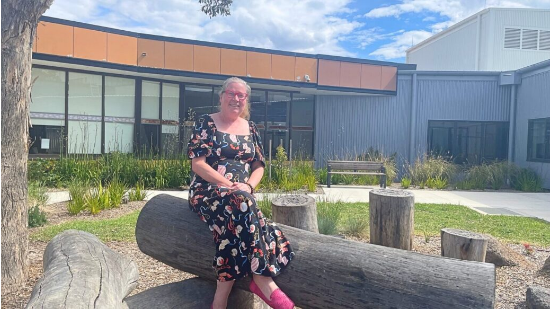
    Meet Kim Gray, Senior Physiotherapist, Craigieburn Community Hospital.

    Q: First, let’s start with your coffee order?
    A: I keep a single-cup plunger in my drawer — strong blend, milk, no sugar.

    Q: Tell us about your journey at Northern Health.
    A: I joined Northern Health a little over 18 months ago after spending two decades at another organisation. I initially started as a Grade 2 Physiotherapist in Cardiorespiratory Outpatients, and in June this year transitioned into the Senior Physiotherapist role in Cardiorespiratory at Craigieburn.

    As a chronic disease physiotherapist, I assess clients with heart and lung conditions, identify their needs and goals, and guide them through weekly group exercise classes to help them achieve, and often exceed, those goals.

    Q: What is the best part of working at Northern Health?
    A: There are a few things I genuinely enjoy. Firstly, the staff culture — especially at Craigieburn Community Hospital, where we’re a small, supportive team. Secondly, the diversity of clients I work with, which is both challenging and incredibly rewarding.

    Q: If you weren’t in your current role, what would you be instead?
    A: My team would probably agree with this — I’d run my own cake-making business. I love to bake!

    Q: Tell us one thing not many people know about you.
    A: I’m currently reading Zen and the Art of Saving the Planet by Thich Nhat Hanh. I also have a daily meditation practice that helps reset and centre me for the day ahead.

    Q: Favourite travel destination and why?
    A: Anywhere I can walk. I trekked to Everest Base Camp in 2008, and I’m hoping to take on Kilimanjaro next year.

    Q: What advice would you give your younger self?
    A: To that nerdy country kid: “Be yourself — and take it one day at a time.”

    Q: If you could choose one superpower, what would it be?
    A: I already am a mind reader… but I wouldn’t mind upgrading to full telepathy!

  • Shaping the future of Northern Health Library services

    Shaping the future of Northern Health Library services

    The Northern Health Library recently conducted a staff and student survey to better understand how library services are used, what is working well, and where improvements can be made.

    Open to all Northern Health staff and students, the survey received an overwhelming response, demonstrating strong interest in and engagement with library services across the organisation.

    Importantly, the feedback will be used to directly guide future planning and decision-making. Survey insights will inform how library services are prioritised, designed and delivered, helping shape services, spaces and resources that better support clinical care, education, research and staff wellbeing across Northern Health.

    Director, Library and Information Literacy Services, Tania Barry, said the survey provides a clear and valuable foundation for improvement. “Listening to the feedback from our staff and students gives us a strong foundation to shape library services that genuinely support their work and, in turn, patient care across Northern Health,” she said.

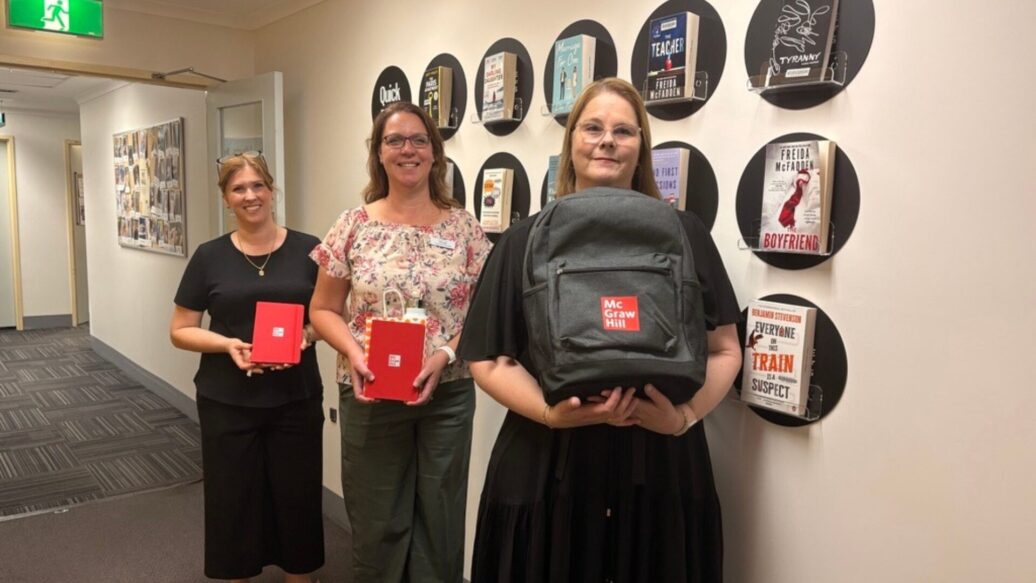
    To acknowledge the high level of participation, the Library expanded its prize draw and awarded eight prizes. A summary report card outlining key themes from the survey feedback, along with updates on actions and developments arising from the results, will be shared with respondents in the coming weeks.

    Survey responses reinforced the value of the Library to staff, with participants highlighting the impact of services on their work. Comments included:

    “The literature search reports are a godsend.”

    “Excellent provision of journal articles crucial to my work and research.”

    “The library is a great asset to Northern Health.”

  • Northern Health named Employer of Choice in The Australian Business Awards 2025

    Northern Health named Employer of Choice in The Australian Business Awards 2025

    Northern Health has been recognised as an Employer of Choice in the prestigious Australian Business Awards 2025, affirming its commitment to creating a workplace that maximises the potential of its people through effective policies and practices in recruitment, engagement, and retention.

    Guided by the values of Safe, Kind, Together, Northern Health has cultivated a workplace culture that prioritises psychological safety, continuous learning, and genuine respect for diversity. This commitment is embedded in the organisation’s Strategic Plan 2025–2029, which focuses on building leadership capability, promoting equity, and supporting staff wellbeing and resilience.

    Northern Health invests heavily in education and development, offering tailored programs for graduates, emerging leaders, and experienced professionals. Partnerships with universities and research institutions foster innovation and evidence-based practice, while digital platforms ensure learning remains accessible and future-ready.

    Results from the 2024 People Matter Survey highlight Northern Health’s success in creating a high-performing and engaged workforce, with significant improvements across key indicators such as learning and development, career progression, and job satisfaction – exceeding sector benchmarks.

    Northern Health also leads in employee wellbeing and safety, delivering sector-leading initiatives in injury prevention, flexible work arrangements, and mental health support. A holistic wellbeing agenda includes mindfulness programs, peer support, physiotherapy clinics, and safe spaces across campuses. Staff actively shape these initiatives, ensuring they remain relevant and responsive.

    Recognition is deeply embedded in Northern Health’s culture, with biannual awards, external secondments, and annual service honours celebrating staff contributions and reinforcing pride and purpose. Inclusive recruitment practices and succession planning further support retention and internal mobility.

    “This award validates our commitment to creating a workplace where every individual feels valued, supported, and empowered to deliver exceptional care to our community. Thank you to each and every member of our team – this achievement belongs to all of us,” said Debra Bourne, Chief Executive.

    The Australian Business Awards for Employer of Choice recognises organisations that develop workplaces that maximise the full potential of their workforce through established policies and practices which demonstrate effective employee recruitment, engagement and retention.

  • Get to know: Wael Yousif

    Get to know: Wael Yousif

    #WeAreNorthern

    Meet Wael Yousif, Medical Scientist in Microbiology – Pathology, Northern Health.

    Q: First, let’s start with your coffee order.

    A: I usually start my day with a skinny chai latte, extra hot.

    Q: Tell us about your journey at Northern Health?

    A: I started working at Northern Pathology Victoria (NPV) in 2020 as a Lab Assistant in CSR Pathology. After six months, I moved into my current role as a Medical Scientist in Microbiology/Molecular.
    Starting in CSR was a great introduction to understanding hospital workflows, and from there I had the opportunity to explore other areas of pathology, especially Microbiology, where I am now.
    I have also supported pathology collection for outpatient blood tests, and I had the opportunity to be part of the HRO program, which gave me insight into pharmacy operations.

    Q:What is the best part of working at Northern Health?

    A: Working at Northern Health was a bit challenging at first, but the best part has been seeing how well the hospital delivers services across all departments. Everything comes together through strong teamwork and professionalism. That’s something I truly appreciate and have found consistently within my pathology team and across the hospital.

    Q: What’s something people might be surprised to learn about your role?

    A: People might be surprised by how we handle patient samples, how challenging it can be to identify what doctors are suspecting, and how critical and sensitive our work is in helping provide the best care for patients. If anyone is interested in seeing what we do, we are always happy to arrange a visit.

    Q: What’s the most valuable lesson you’ve learned in your career so far?

    A: I’ve learned the importance of patience and strong work ethics. We work with many different people—colleagues, doctors, and patients—and every interaction teaches you something.
    Coming from overseas, I had to adapt to a completely different system, but the experience has helped me grow, become more confident, and enhance my skills. I would also like to thank my team; they have been a big part of my learning journey.

    Q: How do you like to spend your weekends or time off?

    A: I enjoy playing sports. I play badminton three times a week and I also go swimming, which helps me stay healthy and positive. I love spending time with my family and friends, hanging out, keeping active, and surrounding myself with good people.

    Q: Who or what inspires you most?

    A: My inspiration comes from family, friends, and even people I meet along the way, whether at work or outside of it. If we share similar interests, that inspires me even more. And fun fact, blue is my favourite colour, and it often inspires me when I’m thinking or problem-solving.

  • Celebrating 10 years of Learning Improvement Science at Northern Health

    Celebrating 10 years of Learning Improvement Science at Northern Health

    Northern Health’s Transformation team is proud to deliver the Learning Improvement Science at Northern Health (LISN) program for its tenth consecutive year, marking a decade of empowering staff with practical tools to drive meaningful healthcare improvement.

    In 2026, the program will include at least six sessions delivered across the year, supporting staff capability and reinforcing Northern Health’s ongoing commitment to innovation and excellence in patient care.

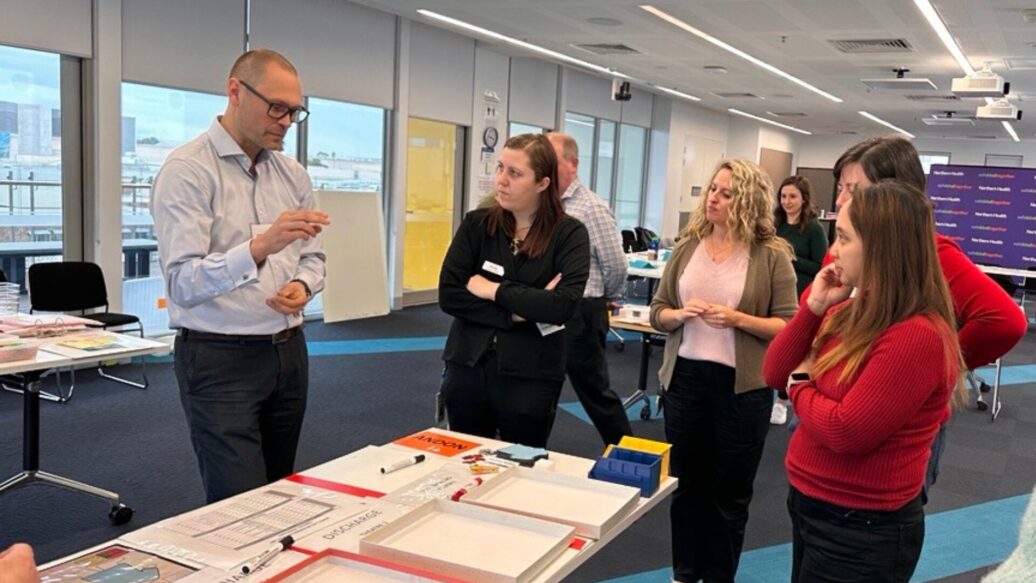
    LISN is a dynamic, one-day workshop that teaches healthcare improvement methodology through a combination of theory and hands-on simulation.

    Using a Day Procedure Unit (DPU) scenario, participants step into real-world roles, including surgeons, nurses and clerks, to experience the complexities of care delivery.

    Through multiple improvement cycles, teams identify opportunities to enhance patient outcomes, reduce documentation errors, and improve efficiency using the Plan-Do-Study-Act (PDSA) approach and the IHI Model for Improvement.

    Aligned with the Department of Health and Safer Care Victoria’s improvement framework, LISN continues to receive outstanding feedback.
    More than 90 per cent of participants rated the content as excellent, highlighting the program’s impact in building confidence and capability in improvement science.

    The workshop also introduces key concepts such as waste reduction, standard daily work, continuous flow, and 5S, enabling staff to make small changes that deliver system-level benefits.

    Laura Hughes, Transformation Project Manager, said LISN plays an important role in supporting staff at all stages of their improvement journey.

    “LISN is a fantastic program for staff who are starting out in improvement or looking to build on their existing skills. It’s practical, engaging, and gives participants the confidence to make meaningful changes that improve patient care and system performance,” she says.

    While LISN has traditionally been offered to Northern Health staff, 2026 will see an exciting expansion, with invitations extended to Local Health Service Network partners, including Seymour Health and Austin Health.

    This milestone reflects Northern Health’s commitment to collaboration, shared learning, and working together to deliver great care for our community.

  • Community mental health redesign through the lens of the consumers and carers

    Community mental health redesign through the lens of the consumers and carers

    What do consumers and carers need from their mental health services to make their lives better?  This is one of the questions we’re always asking as we work towards building stronger relationships and improving outcomes for everyone that accesses our services. In line with the recommendations from the Royal Commission into Victoria’s Mental Health system and guided by the principals of the Mental Health & Wellbeing Act of 2022, Northern Health has redesigned the model of care for adult community services.

    We’ve been listening to our consumers and carers and recognise that episodic care can result in disjointed and protracted recovery journeys, with consumers finding it difficult to re-enter the service at a time that suits them. In response to this need, we have changed our community services to an ongoing model of care. The aim is to provide better access and timely specialist mental health services, with a focus on consumers’ recovery and prevention of relapse. Services are designed to provide the right level of support and flexibility that meets the consumer’s care needs, with the focus of keeping people well in the community.

    Within the four community teams, care is offered in streams, with options for enhanced clinical services and outpatient streams, in addition to the traditional case management which we call the clinical recovery stream. This model, which has been built on codesign at every step, provides increased supports to consumers whose needs are more complex in the enhanced stream and also provides consumers who would have traditionally been discharged to the care of their GP, the option to transition to an outpatient stream of care, with less intensive ongoing support for as long as they choose to engage. Early warning signs of relapse can be picked up, with an easy transition to more intensive treatment and care in the community setting. Consumers in all streams continue to have access to a suite of specialist interventions and group programs to support their wellbeing.

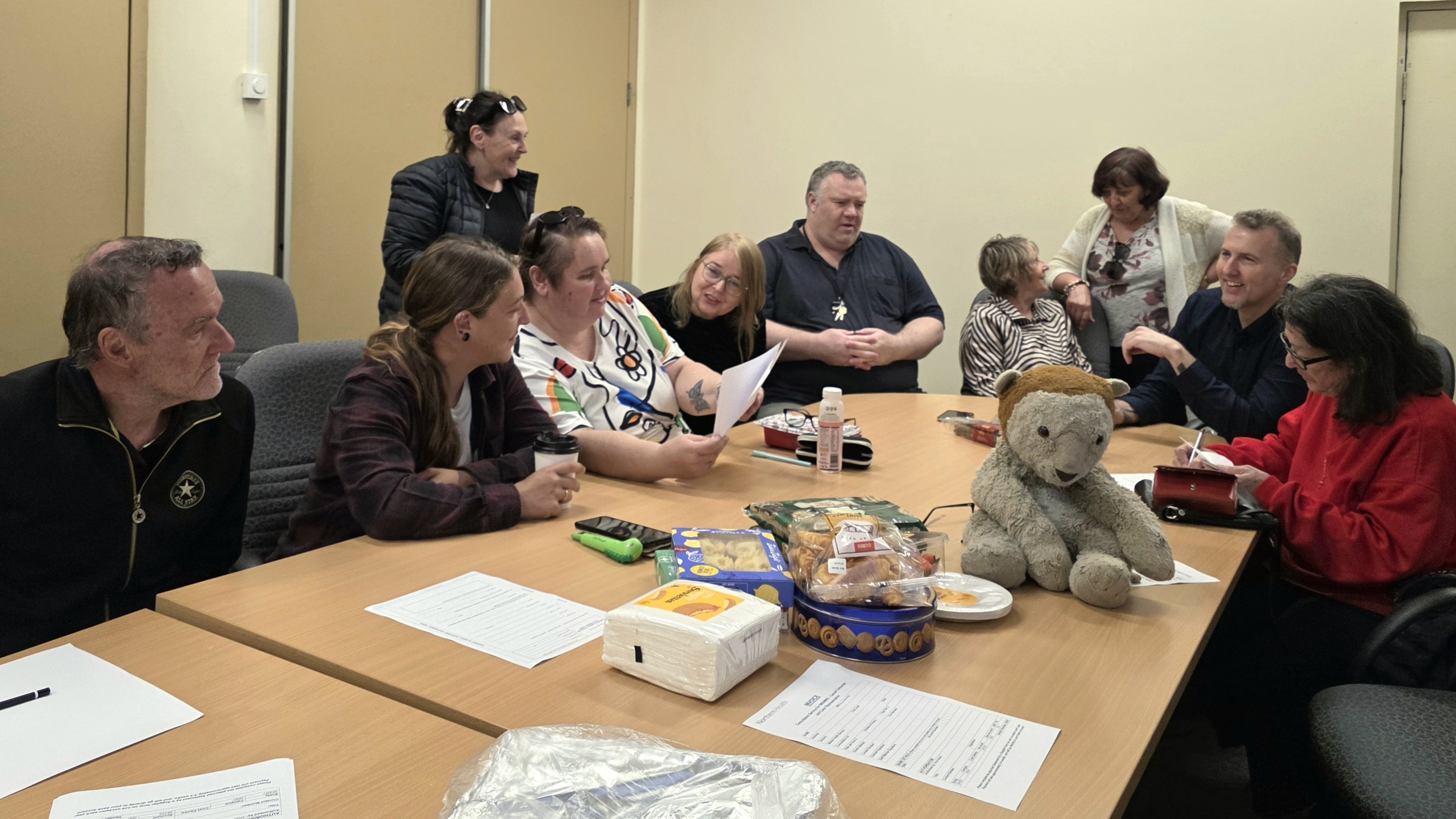
    From its inception, the model of care was developed with codesign by Lived Experience and clinical staff within the community teams. Peer workers and the Consumer and Carer Advisory Group provided valuable input through the lens of consumers and carers. Prior to implementing the enhanced stream, a consumer journey exercise was undertaken to test the transition points between streams and communication processes from the viewpoint of consumers and carers. In this exercise, the peer workers assumed the perspective of the consumer and carer to provide valuable insights to inform processes and education and training for our clinical teams. Also critical to the new model is the development of the Peer Support Opt Out model, where consumers and carers are offered the support of a peer worker to “walk alongside” them throughout their journey.

    Phase one of the model of care has been operational for 18 months and early analysis of data indicates very promising reductions in Emergency Department presentations and admissions for the consumer who have chosen to continue in the outpatient stream rather than being discharged to their GP. With the enhanced stream being implemented soon, we are excited to see the positive impact the codesigned model will make in the lives of our consumers and their families.

  • All about skin cancer with Dr Katie-Beth Webster, Plastic and Reconstructive Surgeon at Northern Health

    All about skin cancer with Dr Katie-Beth Webster, Plastic and Reconstructive Surgeon at Northern Health

    Skin cancer is the most common form of cancer in Australia, a country with one of the highest rates of skin cancer in the world due to its sunny climate and outdoor lifestyle. Excessive exposure to ultraviolet (UV) radiation from the sun is the leading cause of skin cancer, but genetics, immune health, and other factors also play a significant role.

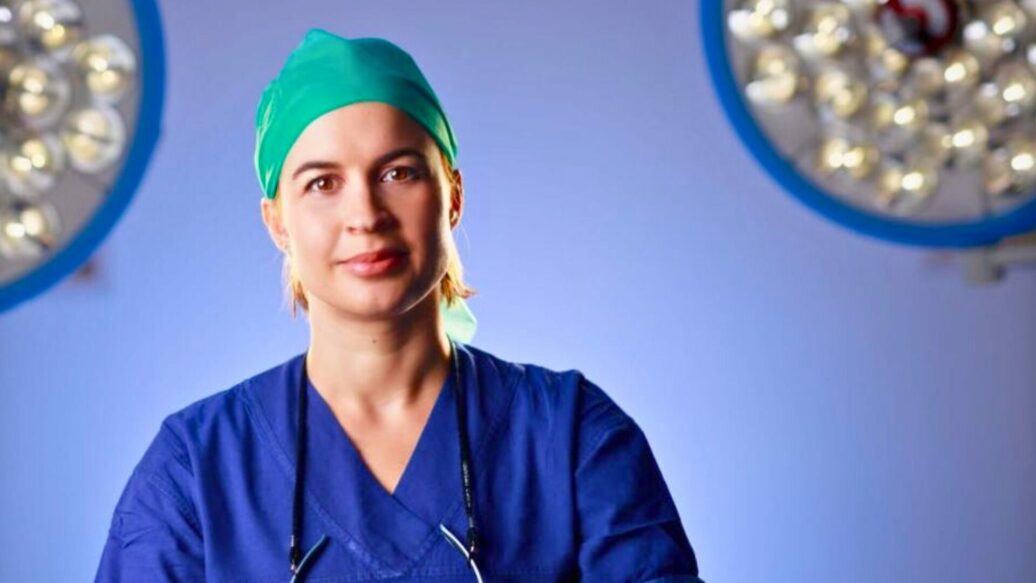
    Dr Katie-Beth Webster, a Plastic and Reconstructive Consultant Surgeon at Northern Health, shares her insights into the primary risk factors, prevention strategies, the importance of follow-up care, and the latest advancements in treating skin cancer.

    Q: Tell us what are the primary risk factors for developing skin cancer, and how patients can mitigate these risks?

    A: There are multiple risk factors to consider when it comes to skin cancer. The most significant is sun exposure. A history of substantial sun exposure or sunburns, especially those that have caused blistering or peeling, has a strong correlation with the development of skin cancers later in life.

    Other factors include a family history of skin cancer, having lighter skin types that burn more easily, and certain medications. Drugs that cause photosensitivity or lower the immune system, such as immunosuppressants, can all increase your risk.

    Prevention is always better than cure. Adequate sun protection is key and can significantly reduce your risk of developing skin cancer, even if you’ve experienced sunburns in the past. Regular skin checks are also crucial – they can detect early changes before they develop into invasive cancers.

    Q: Do you recommend specific skincare routines or products for skin cancer prevention?

    A: SPF 50+ is essential these days. I personally apply it every day, rain, hail, or shine. Many people think sunscreen is only necessary for the beach, pool, or sports, but in reality, daily incidental sun exposure also needs protection.

    There are both chemical and non-chemical sunscreens available. If you have sensitive skin and react to one type, I recommend trying another. It’s also important to apply a sufficient amount to cover your skin properly and to reapply as needed, especially if you’re sweating or swimming.

    If you’re taking medications or using skincare treatments like retinol that can make your skin photosensitive, it’s even more important to be vigilant about sun protection. This reduces your risk of sunburn and issues like hyperpigmentation.

    Q: How important is follow-up care after skin cancer treatment, and what does it typically involve?

    A: Skin cancer is still a cancer, so follow-up care is extremely important. After treatments such as surgical excision, we typically review patients in the clinic to discuss pathology results, ensure the entire cancer was removed, determine if any additional treatments are needed, and assess how the wound is healing.

    Following the initial post-operative care, we generally recommend annual skin checks for patients with non-melanoma skin cancers. For patients who are immunosuppressed or have had melanoma, skin checks are usually recommended every 3 to 6 months, depending on the severity of their disease.

    Q: Are there any recent advancements in the surgical treatment or reconstruction techniques for skin cancer?

    A: Interestingly, most recent advancements have been in the non-surgical field. Immunotherapy – a systemic treatment that targets cancer cells, has allowed many patients with advanced disease, or cancers that would cause significant deformity or disability if treated surgically, to be successfully managed without surgery.

    There have also been significant improvements in preoperative treatments, such as radiation or chemotherapy, to shrink or lessen the severity of cancers before surgery. This reduces the extent of surgery required and, consequently, the associated morbidity.