• Week Without Violence

    Week Without Violence

    One in three Australian women over the age of 15 has experienced physical or sexual violence and/or emotional abuse by an intimate partner. One in four women has experienced emotional abuse by a current or former partner. One in five women has experienced sexual violence since the age of 15. On average, one woman a week is murdered by her current or former partner.

    Family violence is a crime that is overwhelmingly perpetrated by men against women and children. It is both a cause and consequence of gender inequality. It is serious, prevalent and preventable.

    Northern Health recognises that family violence is a health issue and is committed to improving response to family violence for our patients and our staff. Northern Health is only the second health service in Victoria to be awarded White Ribbon Accreditation.

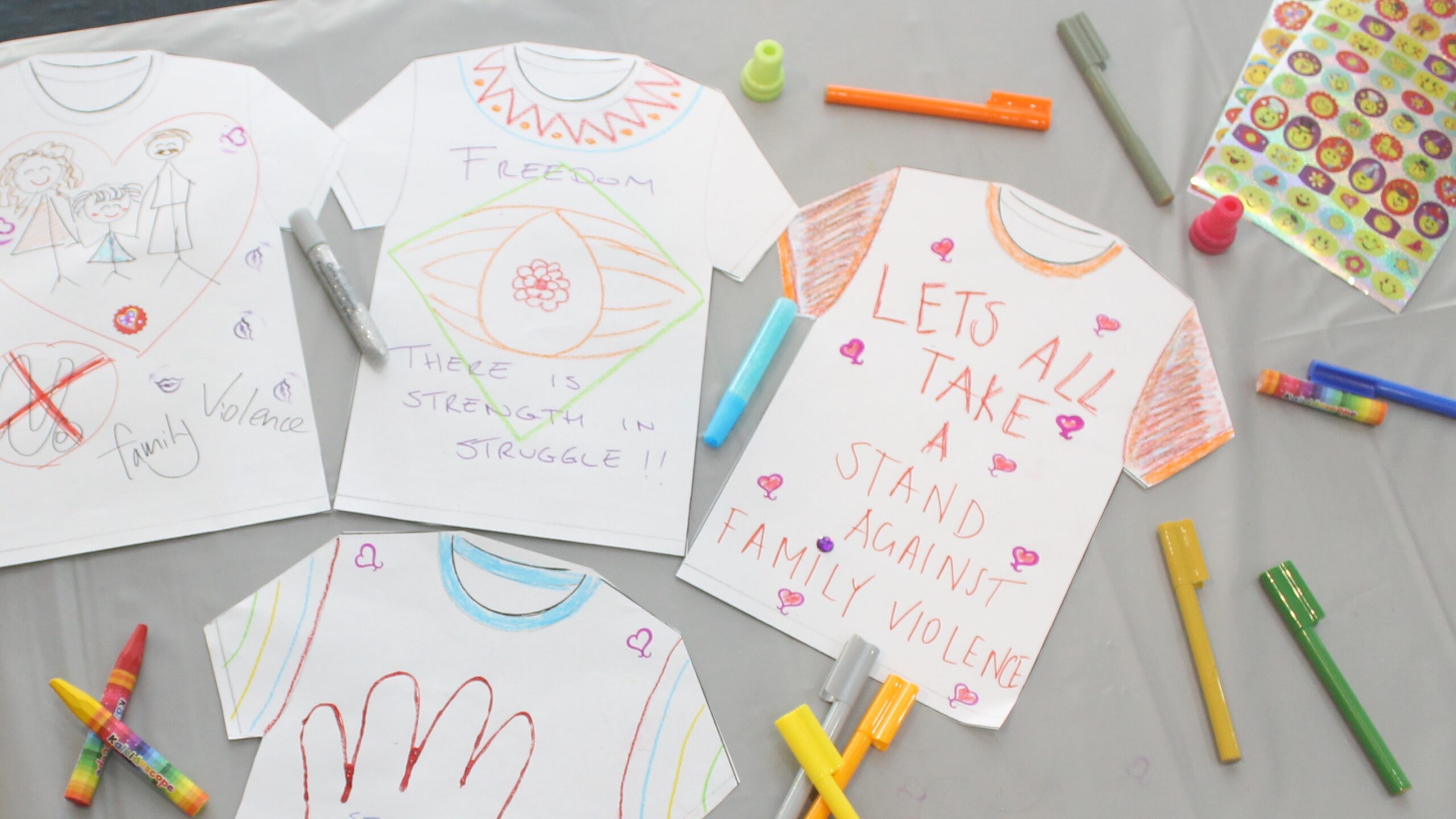
    This week is Week Without Violence (WWV), a global campaign to end violence against women.  Join the movement by visiting our foyer at Northern Hospital Epping and participating in our Clothesline Project.

    The Clothesline Project is a popular WWV activity for women and their supporters to participate in. The concept is simple – each participant expresses their feelings of support or commitment to end family violence, using words and artwork to paint on a t-shirt. Once finished, the participant hangs the t-shirt on a clothesline – in this case, in our foyer.

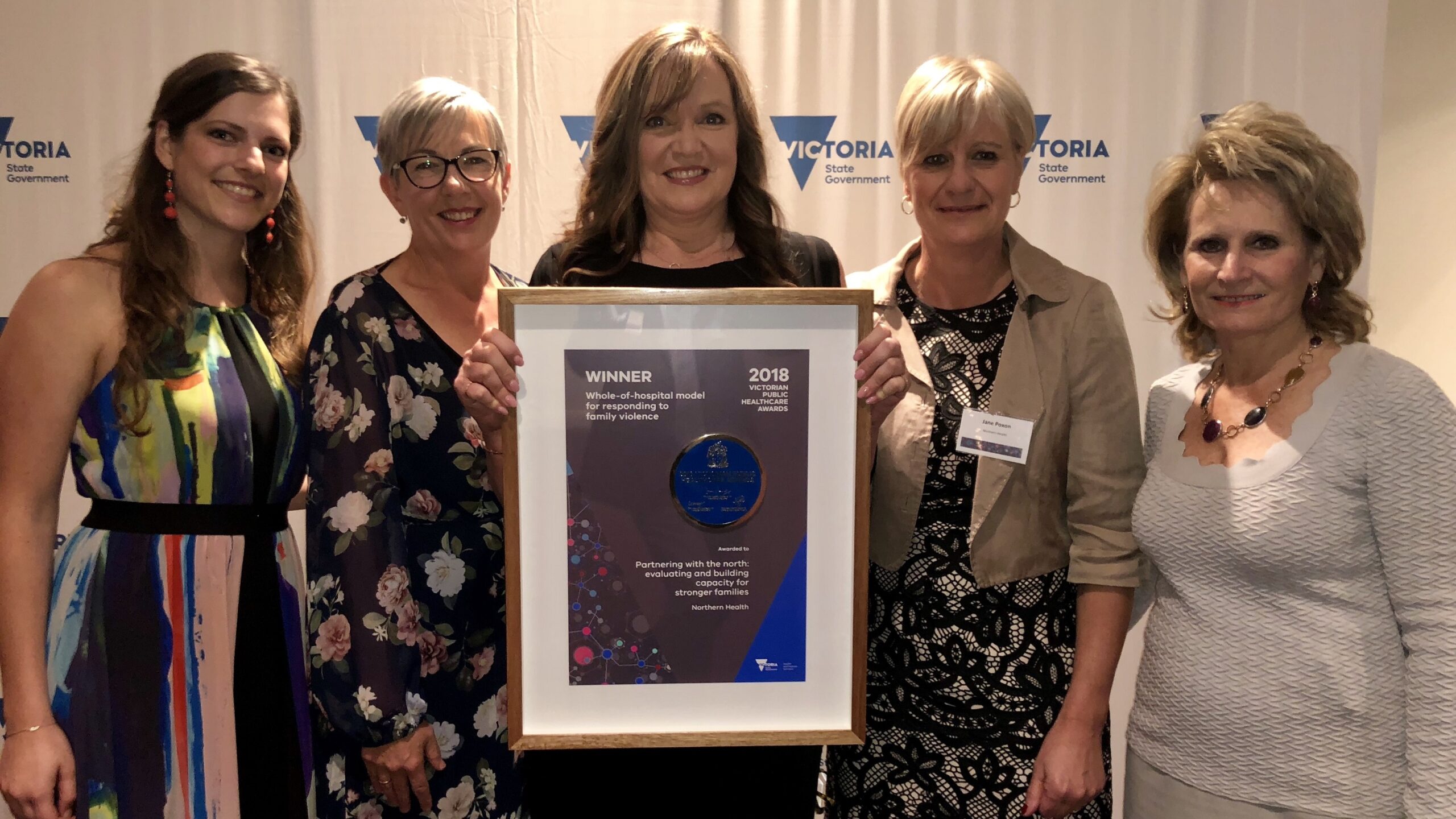
    Natasha Knapic, Project Officer, Strengthening Hospital Response to Family Violence, said, “I am proud to report that last week at the 2018 Victorian Public Healthcare Awards, Northern Health won the award for ‘Whole-of-hospital model for responding to family violence’.

    “A Week Without Violence builds on this message. You can join the team by decorating a t-shirt with a message of hope and donating toiletry items to assist our community experiencing family violence. Visit our page, Week Without Violence, on the intranet for more details.”

  • Our researchers part of the LaunchVic’s funded Actuator

    Our researchers part of the LaunchVic’s funded Actuator

    The Melbourne-based ‘Actuator’ is one of Australia’s premier MedTech commercialisation initiatives.

    The Actuator has partnered with hospitals across Victoria to drive clinically-led innovations and provide a pathway for hospital entrepreneurs and startups to access the Actuator accelerator and MedTech’s Got Talent programs.

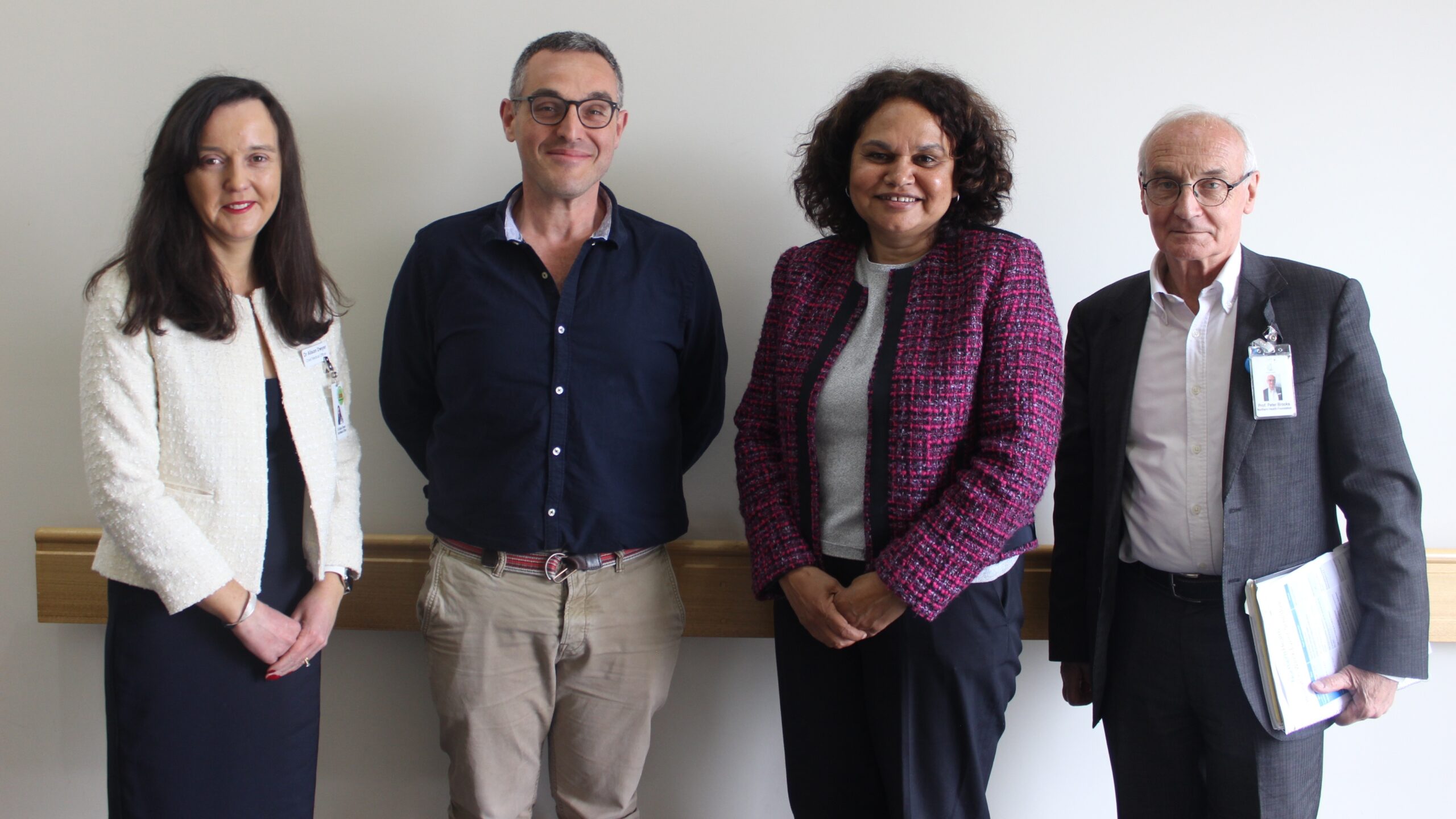
    Northern Health Research Lead Peter Brooks, said this will be a very exciting program for NH Researchers.

    “Our researchers will be able to learn ‘worlds best practice’ in innovation, entrepreneurship, commercialisation and be able to be involved in educational and start up funding programs offered by Actuator over the next 2 years,” he said.

    The project consists of three programs: educational workshops, commercialisation bootcamps and hackathons for up to 450 hospital students, clinicians and staff; a pre-seed accelerator program for up-to 35 entrepreneurs; and the Actuator accelerator program for up to 40 startups. Other hospitals involved in the program are Peter Mac, Epworth, Ballarat Health Service, St. Vincent’s Hospital, Centre for Eye Research Australia (CERA) and Western Health.

    The Actuator will also provide a gateway for clinical professionals to become integrated into a healthcare-focused angel network.

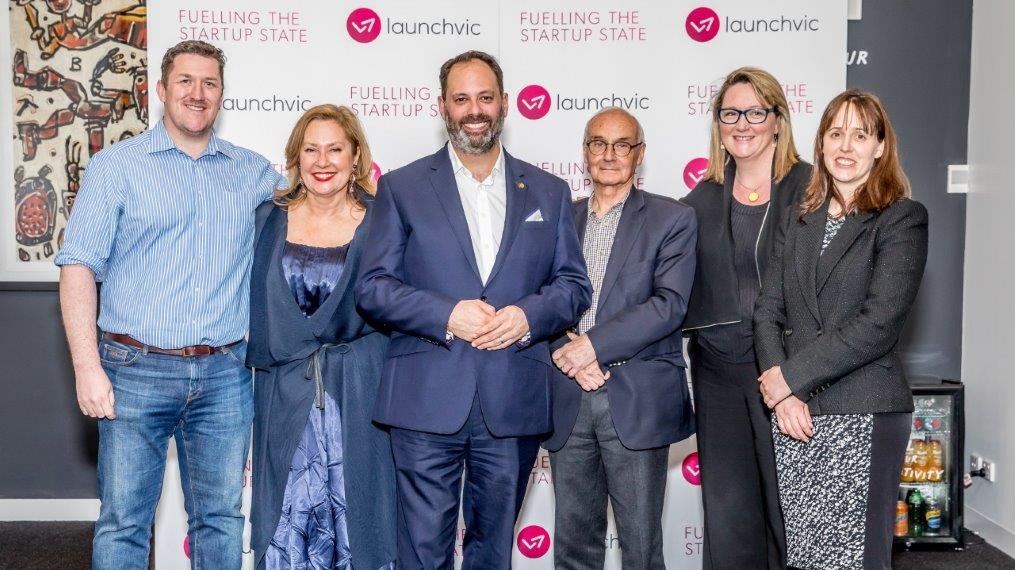
    Featured image, from left to right: Prof Buzz Palmer CEO Actuator/  Laura Anderson Chair Launch VIC / Minister Innovation and Digital Economy Philip Dalidakis  / Peter Brooks NH Research Lead / Michelle Gallaher Social Science CEO / and Dr Kate Cornick Launch Vic CEO


  • Responding to Family Violence

    Responding to Family Violence

    Last night at the 2018 Victorian Public Healthcare Awards, Northern Health won the award for ‘Whole-of-hospital model for responding to family violence’  for the initiative, ‘Partnering with the north: evaluating and building capacities for strong families’.

    Northern Health partnered with Kilmore District Hospital to tackle family violence in Melbourne’s northern suburbs, including the local government areas of Hume, Whittlesea and Mitchell, which experience significantly higher rates of family violence than the state’s average.

    The project involved supporting staff through a major cross-organisation cultural change process, as well as policies of zero tolerance to family violence, and upskilling of managers to lead change.

    A newly recruited multidisciplinary project team supports partnerships between hospitals and specialty agencies to drive the change, with partners including Berry Street, Victoria Police, local councils, mental health, and Aboriginal and legal services.

    The project has increased the confidence and skill of staff to enable sensitive enquiry, as well as creating an environment where patients feel safe to disclose family violence, and to ensure that all victim survivors of family violence receive appropriate care and referral.

    The results show that new family violence alerts and secondary referrals have grown, as well as staff disclosures and access of family violence leave. This demonstrates the effectiveness of this whole-of-organisation approach to addressing family violence and reducing harm.

    Northern Health also gained White Ribbon accreditation in March 2018, and is only the second hospital in the state to achieve this status.

    “We are very proud of Ros Payne and the team and delighted with their vision and commitment in responding to family violence,” Northern Health Chief Operating Officer, Jane Poxon said.

  • Dr Stephen Duckett: Safer care saves money

    Dr Stephen Duckett: Safer care saves money

    Northern Health Research Week was proud to host Dr Stephen Duckett, as the morning session speaker on the topic Safer care saves money.

    In front of the full lecture theatre, Dr Duckett emphasized how important it is to measure all complications that occur in hospitals and tracking them over time.

    According to Dr Duckett, Australia could save $1.5 billion a year on health spending by improving the safety of patient care in hospitals.

    Safety is not just an issue for doctors – it’s a hospital and a system issue,” he said.

    Dr Duckett also touched on the accreditation system, as he feels Australia’s hospital accreditation system should be modified.

    “The accreditation system should be moved from an event which happens once every few years, to something which embeds the existing improvement process in the hospital,” he said.

    Dr Duckett added that studies show public reporting is associated with better hospital outcomes, as it makes hospitals change as a result of the visibility to the community.

    Learning from other hospitals and collaboration is something Dr Duckett strongly encourages and feels that “when we are doing something good, we should share it with others”.

    One of the examples was Ian Brand, Chief Executive Officer of our predecessor hospital PANCH, who was focused on the hospital being the best at the time.  He looked at other hospitals with best practice and sent a team out to learn from what they were doing best.

    “If we work in a collaborative ideology, we should be comfortable about people learning from us,” he added.

    To hear more about today’s topic, please see the video below:

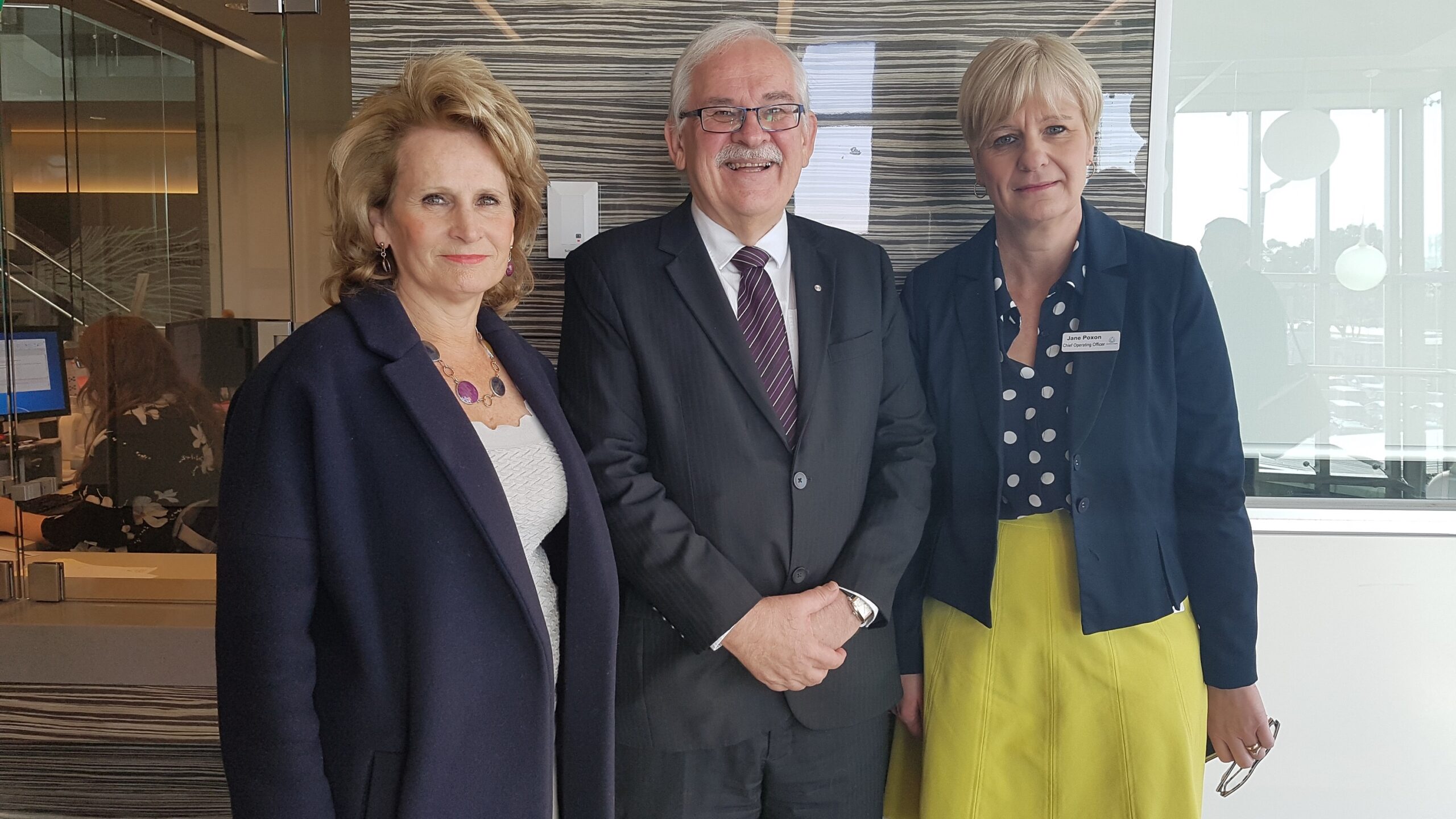
    Featured Image: Jennifer Williams, Board Chair; Dr Stephen Duckett; Jane Poxon, Acting Chief Executive Northern Health

  • A family caring for our community

    A family caring for our community

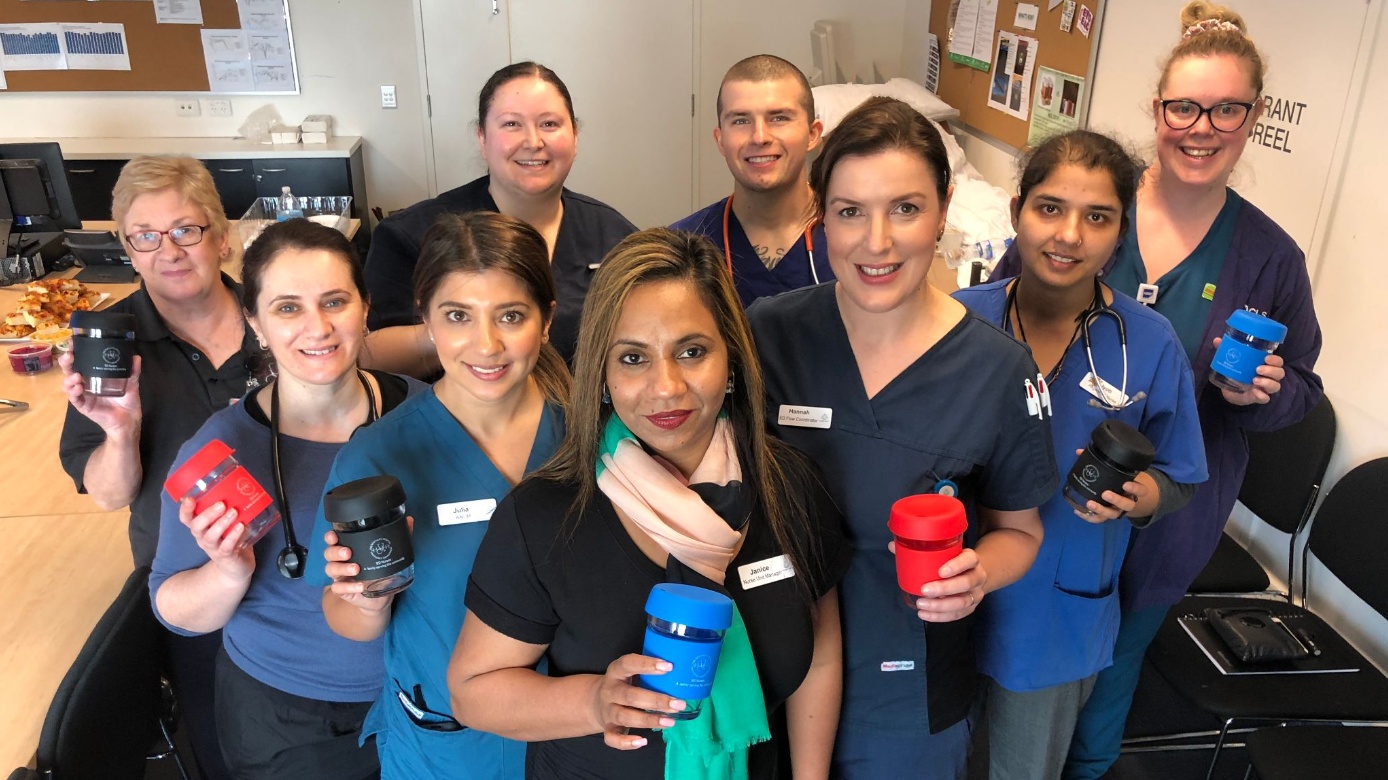
    Today marks National Emergency Nurses Day, an opportunity for Northern Health to honour the commitment and hard work of our nurses in Victoria’s busiest emergency department.

    As part of the celebrations, the Emergency Department launched their new motto – ‘we are a family caring for our community’ – a department-wide initiative, which underpins the team approach our nurses adopt to provide the best care in a high pressure environment.

    Northern Health experienced a 7.9 percent increase in emergency presentations in the last financial year, with 99,400 presentations and 28,800 ambulance arrivals.

    For the last 12 months, Northern Health has sustained a 95 percent rate of ambulances offloaded within 40 minutes, making our performance now the best in the state.

    Janice Fernandes, Nurse Unit Manager Emergency Department, explains the importance of celebrating our nurses.

    “We are the busiest in the state, and to be able to meet the demands of our patients, families and the community in a timely manner can be challenging.”

    “October is a time to thank all Emergency Department nurses for their resilience and service they provide,” she said.

    Janice adds that even though her role is both physically and mentally demanding, she enjoys mentoring staff and having the ability to change people’s lives.

    “We are here to serve our patients and their families, and be able to make a difference to our community,” she said.

    Emergency Nurse, Tyson Mcleod, was pleased the emergency staff are being recognised for their hard work.

    “It’s quite a demanding job and you’ve got a lot of responsibility, so just to be recognised for that is a reward in itself,” he said.

    Jane Poxon, Acting Chief Executive, expressed her gratitude to Northern Health’s Emergency Nurses – “thank you to everyone on the team for your dedication  and commitment to your patients and families within our community. It’s very much appreciated,” she said.

    “Every time I come into the department, even though everyone is very busy, all staff are always welcoming and willing to assist. I am very proud to be working with a great team,” she added.

  • How does research impact on Indigenous health?

    How does research impact on Indigenous health?

    Northern Health’s Research Week kicked off with guest speaker, Professor Sandra Eades presenting on the role of research in improving health for Indigenous Australians.

    “In terms of Aboriginal health, the number one thing is partnerships with local Aboriginal people and building an agenda with them around improving health outcomes,” she said.

    Professor Eades is Associate Dean (Indigenous), Faculty of Medicine, Dentistry and Health Sciences, University of Melbourne. She is a Noongar woman from Mount Barker, Western Australia and is Australia’s first Aboriginal medical doctor to be awarded a Doctorate of Philosophy (2003).

    Over the past decade, she has made substantial contributions to the area of Aboriginal health and has provided leadership at a national level in Aboriginal research, as she is strongly committed to capacity building.

    Professor Eades says Northern Health, as a generalist hospital, deals with various challenges like improving pregnancy outcomes, early childhood outcomes, adult chronic disease, mental health and drug and alcohol abuse.

    “There are a lot of things which could be prevented, but that prevention agenda has to involve the hospital with a strong community general practice and partnerships,” she said.

    As the Aboriginal population ages, Professor Eades feels that issues like heart disease, preventing dementia, managing and getting better treatment outcomes for diabetes are key areas to be looked at.

    “I think there’s a real opportunity for hospitals and Aboriginal communities,” she said.

    As almost half of the Aboriginal babies born in Australia are born to mothers under 24 years, it’s equally important to focus on the younger generation, as they are actually the parents or will be in the next few years.

    “This is how you are also having an added impact on maternal and child health, as well as family health,” she added.

    Professor Eades also talked about empowerment through development and training of Indigenous research leaders,  focusing on engagement and partnership with Indigenous communities to address their priorities.

    Dr Peter Azzopardi, the second speaker today, also had the younger generation in focus. He has over 10 years experience in adolescent health programming, clinical medicine and research. Dr Azzopardi is an adolescent physician by training and has worked across many settings in the Western Pacific region.

    He also recently completed his PhD, a project where he described the health and wellbeing of Indigenous adolescents living in Australia using national survey data, hospital data and mortality data. His research focused on creating a health profile of adolescent Indigenous Australians, as they represent a third of the Aboriginal population.

    “There’s a need to be thinking about the adolescence age group because of the opportunities they provide for the population,” he said.

    Make sure to check out the amazing speakers this week as part of Northern Health Research 2018.

  • One Good Street: connected communities reducing hospitalisation

    One Good Street: connected communities reducing hospitalisation

    What if the power grid of care, safety and support for our elderly citizens lies in the communities, and not in hospitals?

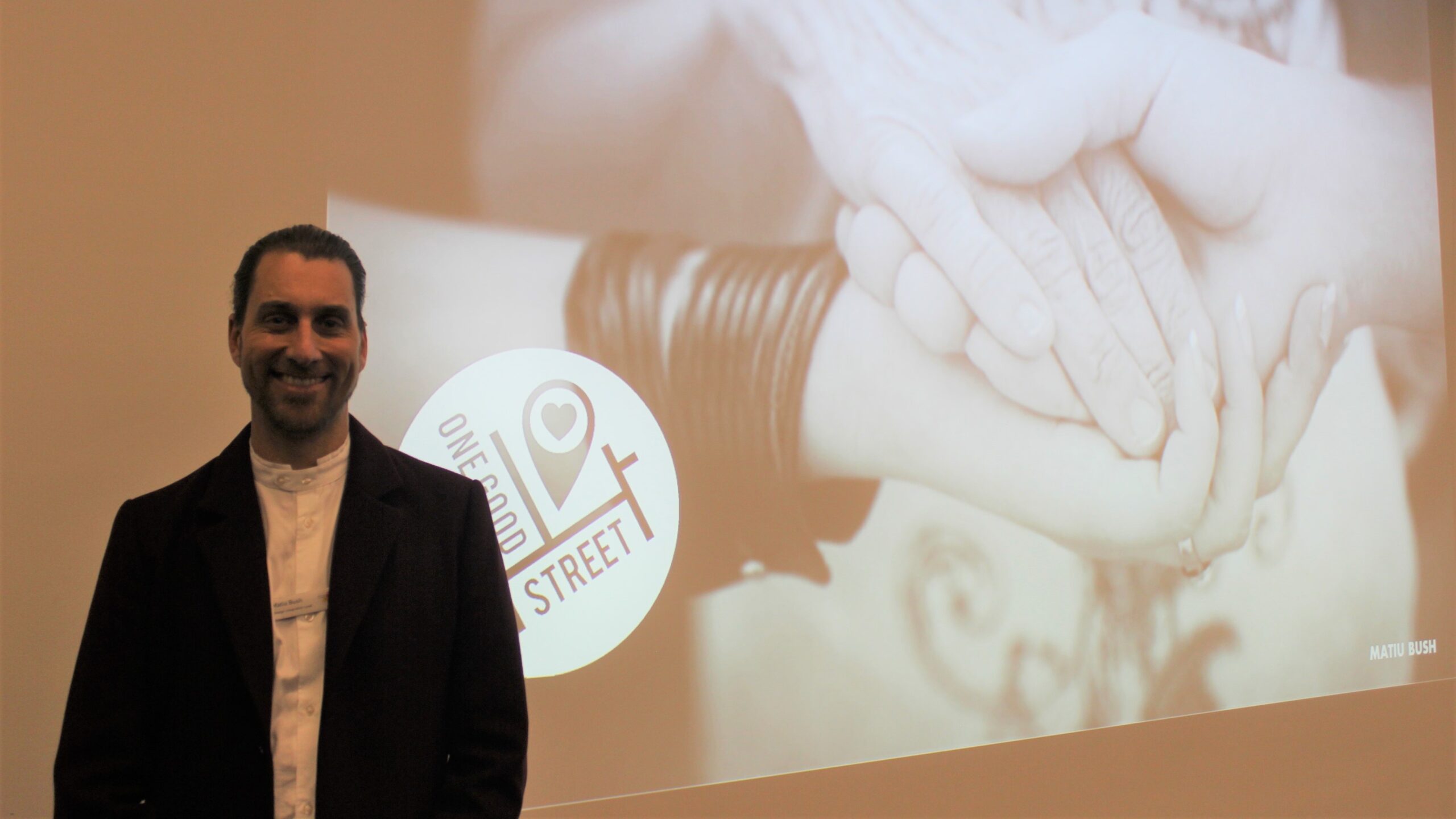
    Matiu Bush, a clinician, had an 83 year old retired GP living on his street. The GP’s daughter and Matiu’s friend used to call him for help often. The full-time working daughter and an anaesthetic consultant was struggling to be a full-time carer for her father as well.

    “He used to fall out of bed and she used to call me to pick him up and put him in bed. This would happen around 3 am,” Matiu said.

    When he started talking more about the help he provided for the neighbour, people used to tell him, “oh, I also look after a Greek lady in my street.” Being engaged with the Health Department at the same time helped him connect the dots and understand there is value in what he was doing.

    At the same time, Matiu was working in a community care centre, watching hundreds of nurses drive out every day to visit people, and when they couldn’t get through the door or wanted more information on their patients, they’d go to the neighbours.

    “Neighbourhoods have a lot of capacity to do a lot of caring when health professionals leave. There is a safety net there,” he said.

    That is when he realised there are so many local heroes doing great stuff, and there wasn’t a way to appreciate it and structure neighbour initiated care.

    That is how One Good Street was born.

    One Good Street gives people the opportunity to volunteer in their local communities and with the human-centered design, Matiu made volunteering easy, as he realised participation in many current volunteering programs is not simple, while everyday life is getting busier.

    “People want to do great stuff for others. This is also enhanced by technology, even though the narrative today says that technology makes us more isolated. Meaningful use of technology reduces isolation and loneliness, and so do meaningful tactile relationships. It’s about getting the balance between these two right.”

    Matiu found a thick market of social activity on Facebook. This means, in his growing One Good street group, he can post that he needs a fridge for a pensioner, and somebody would donate it in 2 days.

    “People want to help,” he said.

    The One Good Street system works in a way that does not expect from the elderly citizens to pick up any new technology. The street is their network. The organisation aligns with community carers, nurses and local GPs, and that is how “somebody knows somebody who needs help”.

    “It is a fact that isolation and loneliness in people over 85 is a hidden epidemic, as these people are locked in their homes and they are not obvious. The only way through them is to a partnership with community agencies already there. These agencies know about One Good Street and they offer it to the elderly citizens,” Matiu explains.

    The Facebook group is there to help engage volunteers and brainstorm ideas – that is how the idea ‘cycling without age’ was born, where younger neighbours ride a modified bike and take their neighbours for a ride.

    Matiu says successful modules overseas have proven that when you activate a suburb, great things can happen. Starting a walking club or a garden club can change people’s experience of their own lives and reduce their risk of going into hospitals.

    “Money has nothing to do with connectedness. Willingness to get connected in other people’s lives is independent of how wealthy they are or how educated they are.”

    Matiu added that a simple act of inviting someone who you know is alone and older, especially during a heatwave, can help save their life and deepens mutual connection.

    “If you have air-conditioning, a simple thing like opening up your house to your elderly neighbours during a heatwave can reduce hospitalisation”.

    Currently four suburbs in Melbourne are involved in One Good Street, with the project planning to extend all over Australia.

    One Good Street is also working on another exciting project – together with RMIT, they are developing Australia’s first wearable device, to detect loneliness by counting a number of words a person has spoken during the week.

    “Loneliness and isolation is manifested in poverty in conversation. No one has ever mapped how many words a lonely person speaks during the week,” Matiu said.

    Peter Brooks, Northern Health Research Lead, says loneliness is an increasing issue in the community.

    “Not having a companion leads to poorer health outcomes and is just one of the many things we need to think about as we address the ‘Staying Well ‘ part of the Northern Health agenda. Matiu Bush is someone who is making a real difference in the community, at a grass roots level, and that is really where some of these initiatives really have to be done,” he said.

    You can join the One Good Street group to see if it might work in your community and look at the difference that health professionals – and others – are making to improving health of the communities in which they work with very simple and practical solutions.


  • Research Week Presents: Dr Yin Lim

    Research Week Presents: Dr Yin Lim

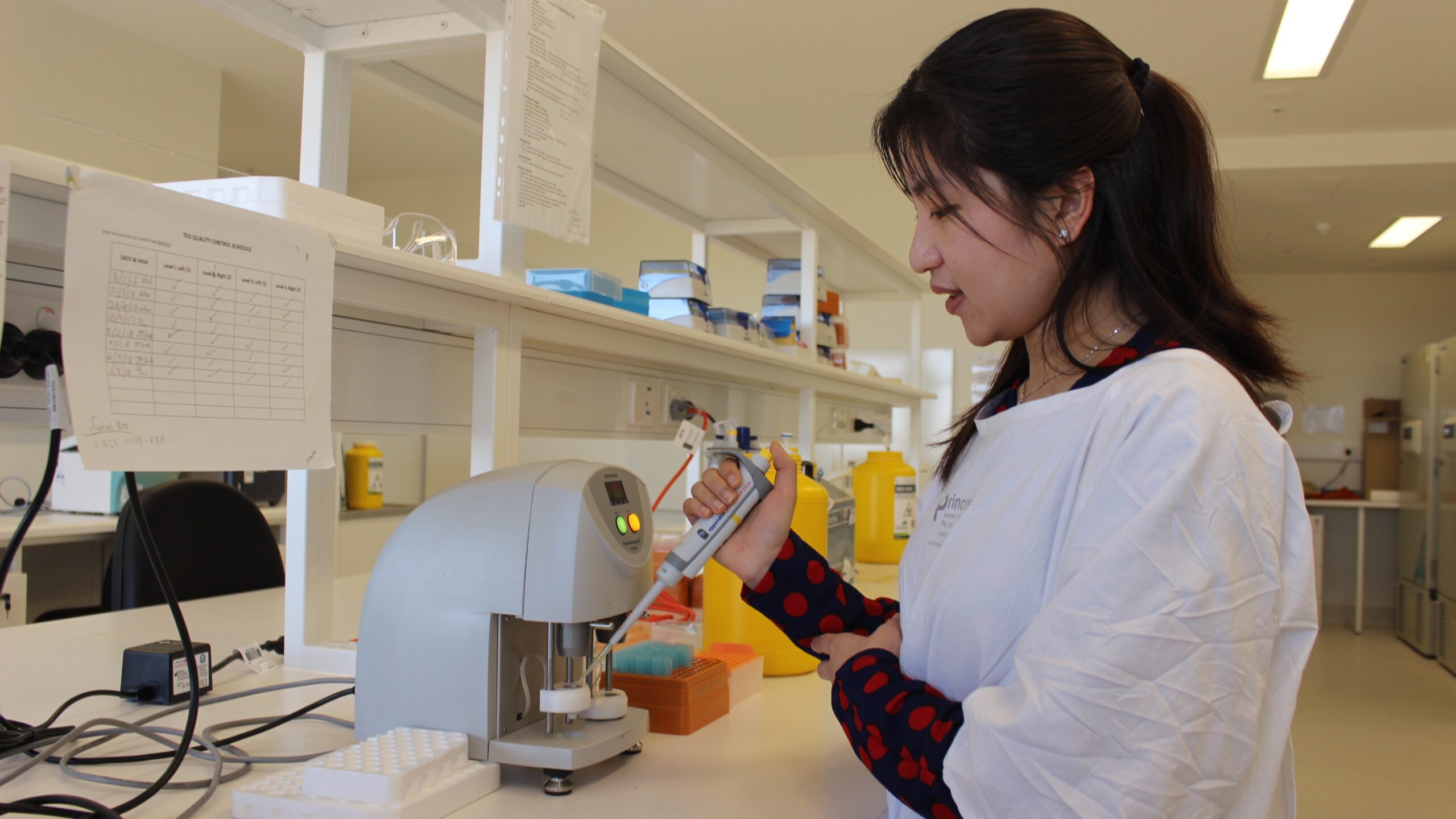
    Dr Yin Lim, Northern Health’s Consultant Haematologist has embarked on a research journey looking at blood clot formations and a test which would predict an impending event before it happens.

    “When patients ask us if they will get a blood clot again, we can tell them that there is a 30% chance of getting a clot in the next 10 years. This test aims to predict the clot formation and give patients a more precise answer,” she said.

    Dr Lim is a passionate researcher and mentor, and had her first exposure to research as a medical student, continuing to be active in research during her basic and advanced physician training.

    In the last twelve months, she has embarked on a PhD research journey, as a recipient of the prestigious  National Heart Medical Research Council (NHMRC) scholarship and a co-recipient of the Heart Foundation scholarship.

    During Research Week, Dr Lim’s research will be showcasing her work on global coagulation assays. She says she is passionate about this field, as currently labs are not able to look at formation of blood clots as a whole. What current tests can show now is only the first 5% of the actual formation.

    “The aim for me is to try to see whether there’s a better predictor of patient’s risk in developing blood clot complications. Currently, coagulation testing doesn’t allow us to do that. If we could predict a person’s risk of developing a heart attack, stroke or deep vein thrombosis or blood clot in the lung, we could do something to prevent it from happening,” she said.

    Dr Lim is now ten months into her PhD and her work is looking at patients with cardiovascular risk of developing heart attacks and strokes. She is using tests to also look at patients with thromboembolism, with blood clots in veins and lungs. From this project, there will be a poster during Research Week, as well as an oral presentation by Dr Lim’s medical student.

    Patients with malignancies are also being looked at, investigating how they form blood clots. There will be another presentation stemming from this project as well.

    “I closely work with other departments like obstetrics, renal, endocrinology, vascular medicine and anaesthetics. With Associate Professor Lisa Hui, our joint student will be presenting on global coagulation assays in obstetrics in term pregnancies,” she said.

    In terms of scope of work presented during Research Week, Dr Lim is a supervisor to three medical students, a fellow and scientists, adding up to four posters and four oral presentations.

    Be sure to check out the amazing speakers during Research Week at Northern Health from 8 – 12 October.