• Nursing in the Community Week

    Nursing in the Community Week

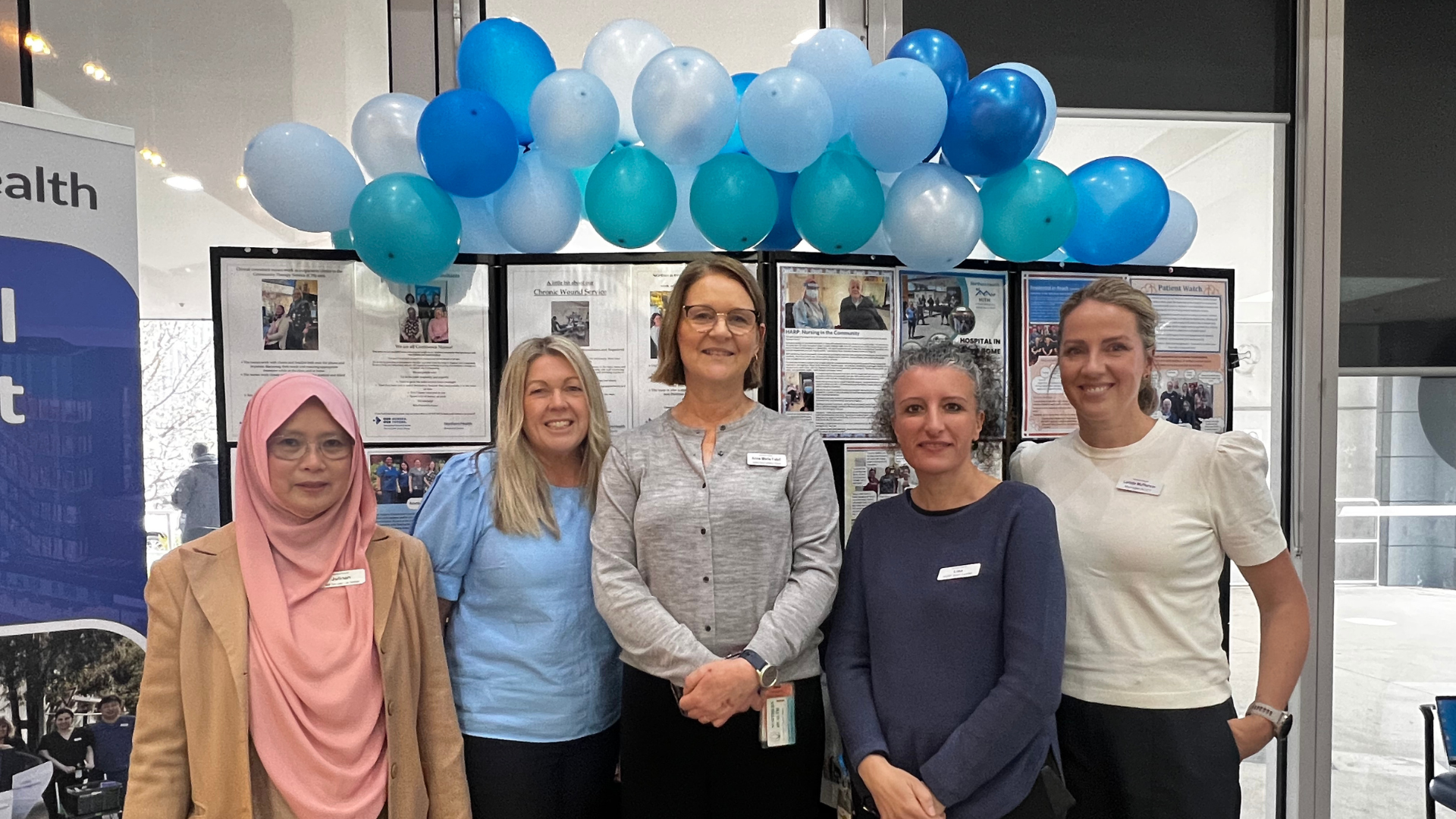
    This week, Northern Health celebrates Nursing in the Community Week (22 -28 September) to highlight the valuable and sometimes hidden contribution of nurses working in a wide range of areas outside the hospital setting.

    “The work community nurses do is not unlike the work of nurses in a ward,” said Johanna Hayes, Hospital Without Walls and Sub Acute Division Director.

    “It includes highly technical procedures such as those done by nurses in the Hospital in the Home Program or the Wound Clinic, expert assessments and interventions such as those done by nurses in Residential In-Reach, and care coordination like the Hospital Admission Risk Program and Transition Care Program.”

    Like hospital nurses, community nurses work as part of the multidisciplinary team to provide holistic, person-centred care.

    “Working with HITH brings me joy, as it allows me to support patients in their recovery while providing high quality compassionate care in their own home,” says Emily Papathanciou, HITH Registered Nurse.

    “Often, it’s the simple things we do – linking clients to services, coordinating their care, or simply offering a friendly face that leave lasting impressions,” said Julinah Mohd Shariff, HARP Team Leader.

    “Over the course of nearly 40 years as a nurse, I’ve had the privilege of working in a variety of settings. Each experience has shaped my practice, but working in the community has brought me the deepest sense of fulfillment. It’s in this space that I truly see the fruits of my labour – the real lasting impact of compassionate care.”

    Julinah recalls a moment that really stands out.

    “I received a phone call from a client I supported two years ago. She reached out just to say thank you for being there at the beginning, and for the support I provided when she needed it most.”

    “What we do may not feel exceptional day-to-day, but we must never underestimate the profound impact it has. It’s those quiet victories, the ones that don’t make headlines, that define the heart of community nursing.”

    Thank you to our wonderful community nurses for the amazing work you do outside the hospital!
  • Thunderstorm Asthma Season: What you need to know

    Thunderstorm Asthma Season: What you need to know

    Thunderstorm Asthma (ETSA) season runs each year from 1 October to 31 December, coinciding with the annual grass pollen season. During this period, you may notice an increase in asthma and hay fever symptoms.

    Jason Amos, Director Emergency Management, explains, “In Victoria, from October to December, thunderstorm asthma can occur when high grass pollen grains are carried by strong winds. Storms or moisture then break open the grains, releasing ultrafine particles into the air. These particles are small enough to be breathed deep into the lungs, where they can rapidly trigger asthma symptoms.”

    Symptoms of Thunderstorm Asthma

    • Itchy or runny nose

    • Sneezing

    • Coughing

    • Wheezing

    • Chest tightness

    Some symptoms can become severe very quickly and may require urgent medical assistance. However, not all cases require a trip to the Emergency Department, many can be managed at home using the four steps of asthma first aid.

    Asthma First Aid: Four Steps

                    Step 1: Sit the person upright.

                    Step 2: Reliever medication: Shake the blue/grey reliever puffer.

                                    -With a spacer: Give one puff into the spacer, and the person takes four breaths. Repeat this four times.

                                    -Without a spacer: Give one puff as the person takes a slow, deep breath. Ask them to hold their breath for as long as comfortable. Repeat this four times.

                     Step 3: Wait four minutes. If no improvement, repeat Step 2.

                     Step 4: Call an ambulance if the person still cannot breathe normally. Continue giving reliever puffs until help arrives.

    Reducing Your Risk

    To help reduce exposure to pollen and minimise the risk of thunderstorm asthma:

    • Use your prescribed preventer inhaler as directed, even if you have no symptoms.

    • If you have asthma that may not be well-controlled, or if you experience hay fever, see your GP promptly.

    • Always carry a blue/grey reliever inhaler (such as Ventolin or Asmol) and know how to use it correctly.

    • Stay indoors on high-risk days – especially during thunderstorms or when pollen counts and winds are high. Keep windows closed and set your air conditioner to recirculate/recycled air.

    • Check daily pollen levels and weather forecasts.

    Jason also reminds staff that Northern Health has an emergency plan for thunderstorm asthma events.

    “Northern Health has a Code Brown Subplan – Thunderstorm Asthma procedure and the Code Brown – External Emergency procedure. Both are available on Prompt,” he says. 

    You can access daily ETSA forecasts from 1 October – 31 December here.

    For more information on asthma first aid, click here.

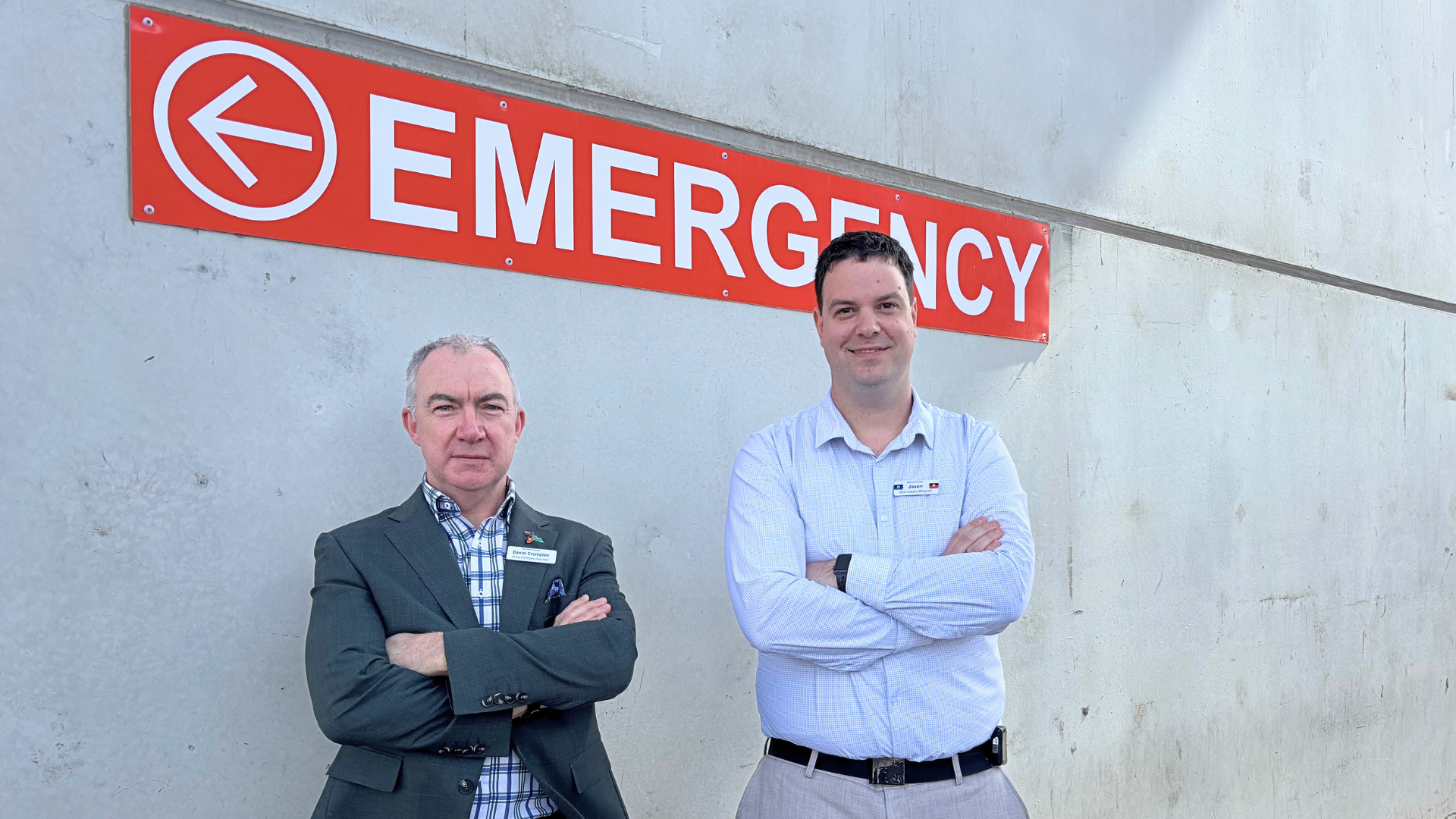
    Pictured in featured image (L-R): Dr Dan Crompton, Director, ED and Jason Amos, Director, Emergency Management, Northern Health. 

  • Northern Doctors Education launches Peer-to-Peer Mentoring Program

    Northern Doctors Education launches Peer-to-Peer Mentoring Program

    Northern Doctors Education (NDE) has recently launched a pilot Peer-to-Peer Mentoring Program for junior doctors in the AMC framework and selected international medical graduates (IMGs). Participants have been matched with registrar mentors who share similar interests and career aspirations.

    “Registrars have valuable experience to share, having recently been in the resident role themselves. We had an overwhelming response from registrars wanting to take part as mentors,” said Dr Anastasia Vlachadis Castles, Director of Clinical Training.

    The program aims to facilitate discussions around career planning, professional development, and navigating workplace challenges. Registrars will provide guidance to junior doctors in developing leadership and communication skills, while also offering encouragement and career advice at key decision-making points. To ensure a positive and meaningful experience, NDE will continue to support mentors and mentees by sending reminders for meetups and sharing helpful resources.

    To mark the launch, NDE hosted a meet-and-greet session, giving mentors and mentees the opportunity to connect face-to-face. Zoe, one of the trainee mentees, said, I hope to gain a better understanding of education experiences in critical care, and to have someone I can turn to for support.”

    Dr Castles added, The program creates a safe environment for junior doctors to ask questions freely and learn from role models who can also share career and life advice along the way.”

    Looking ahead, it is hoped that the program will be expanded next year to include more residents and registrars, and that it will form part of the wellbeing initiatives currently being rolled out across Northern Doctors Services.

    For expressions of interest or further information, please contact:

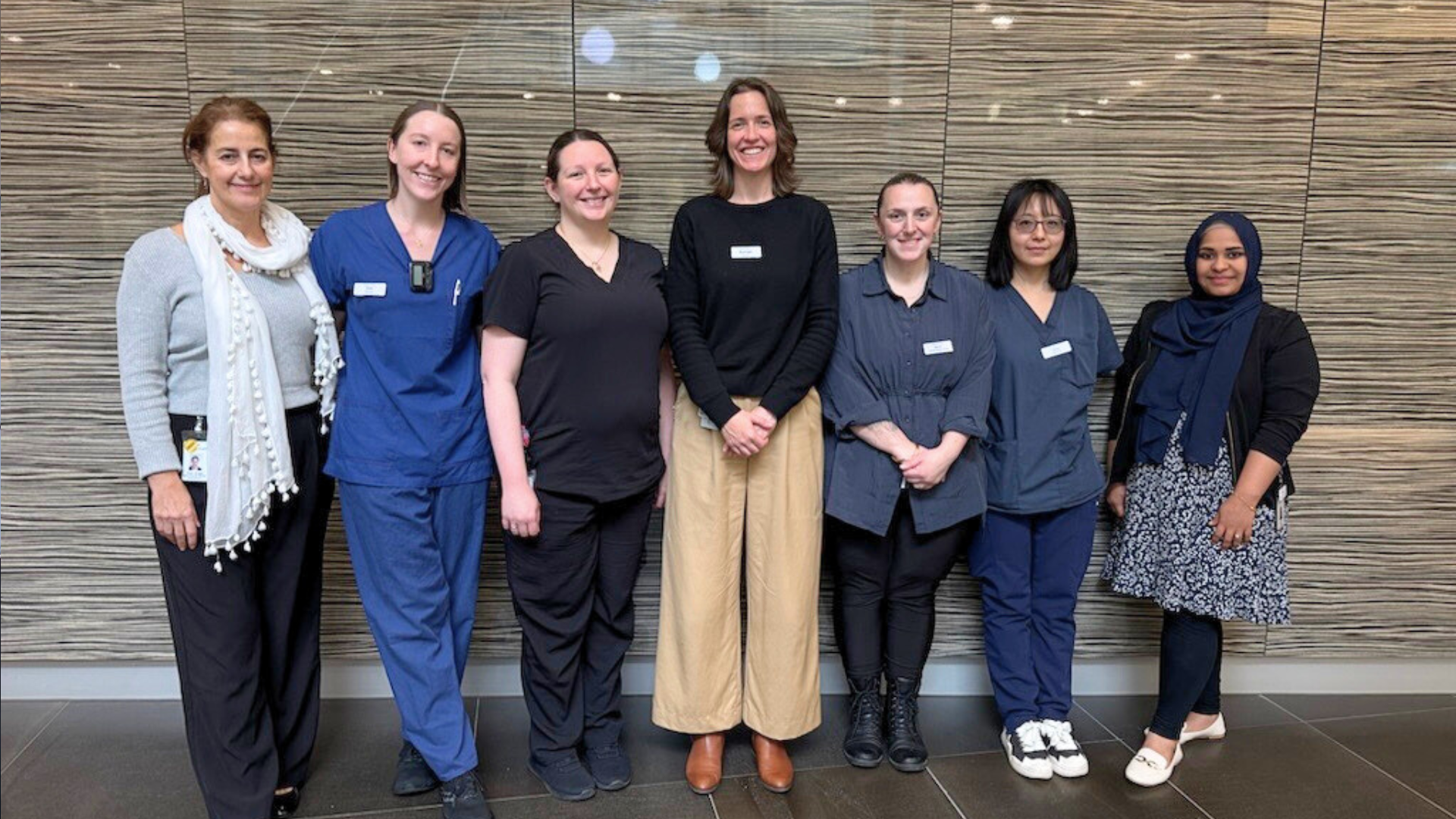
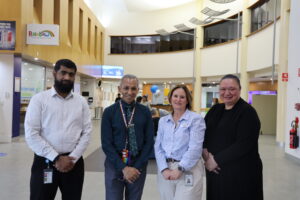
    Pictured in featured image (L-R): Susie Sangas, Zoe Triplett, Anastasia Vlachadis Castles, Georgie van der Vliet, Kirra McGaw, Qiao Ding and Ijaza Lafeer.

  • Get to know: Christopher Harding

    Get to know: Christopher Harding

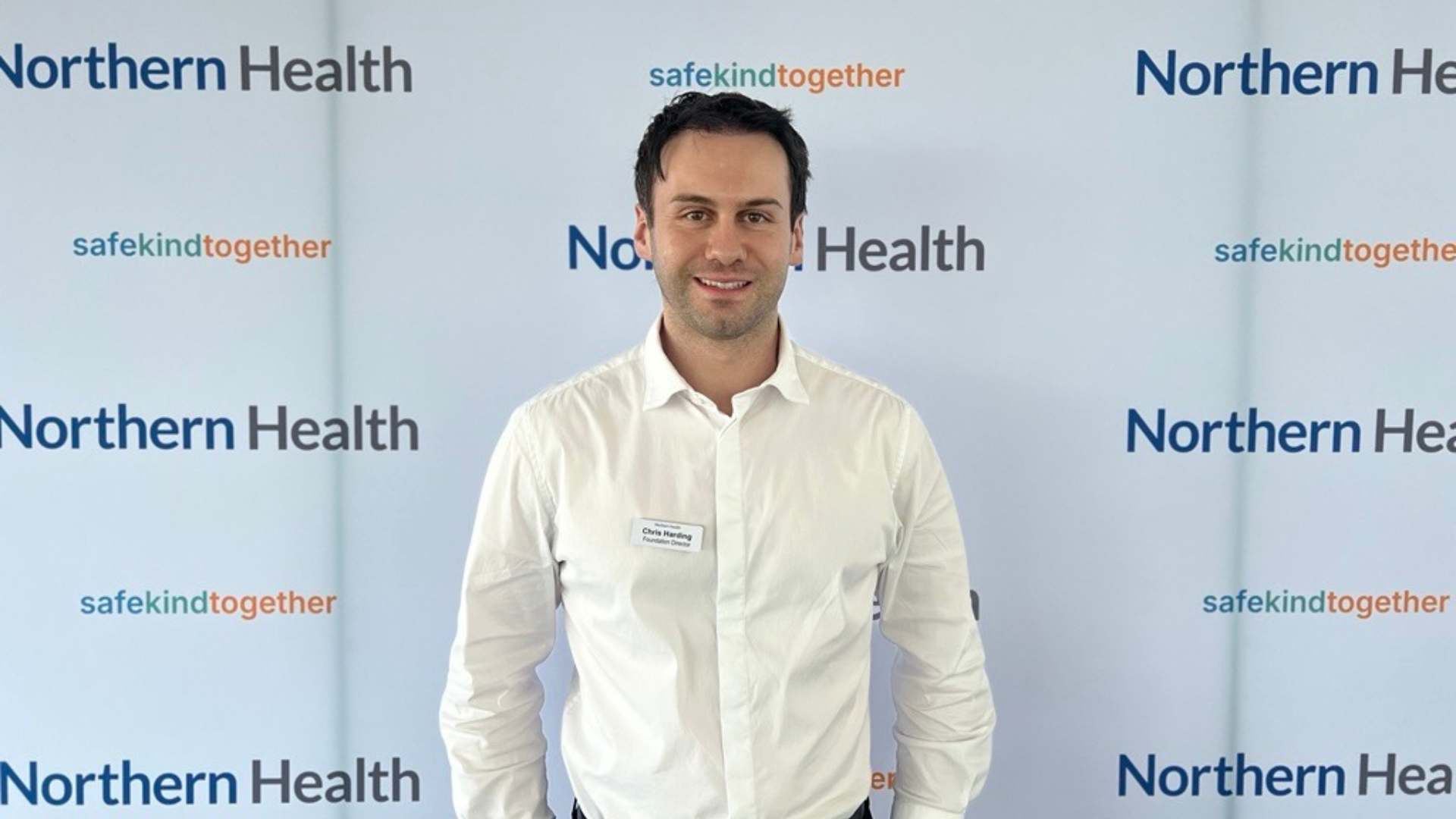
    Meet Christopher Harding, Director, Northern Health Foundation.

    Q: What is your coffee order?
    Cold brew.
    Q: You are the newly appointed Northern Health Foundation Director – what do you hope to achieve in your new role, what is your vision for the Foundation?
    I’m incredibly excited to join the Foundation. We have a dedicated, hardworking team, with generous donors and partners who are committed to supporting the vital work of Northern Health’s hospitals. My vision for the Foundation is to strengthen this impact by funding world class equipment, research, and programs, ensuring patients in Melbourne’s north receive the very best care that they deserve. I’m pumped to work with our amazing community to make this happen!
    Q: Tell us about your career leading up to Northern Health
    Prior to my current role at the Foundation, I have been fortunate enough to spend my entire career working in the sports industry and non-for-profit sector. I have had a variety of roles, some of which include running sports programs in a prison, leading the volunteer program at North Melbourne Football Club, and most recently I was the Engagement, Partnerships, and Philanthropy Manager at the Aboriginal Family Violence Legal and Prevention Service (Djirra).
    Q: If you weren’t in your current role, what would you have been instead?
    That’s hard to say. I have always cared about helping people and animals so probably something relating to that! I did think about becoming a vet back in the day.
    Q: What is something people may not know about you?
    I’m a big fan of music (I definitely do not play any instruments though!) and I really enjoy the atmosphere of concerts and live music.
    Q: If you could have dinner with anyone, living or dead, real or imaginary, who would it be and why?
    My wife, Chelsea! But if I had to pick another, I would say Tom Brady or Kirby Bentley. They have both overcome major obstacles to get where they are in life and I think that’s inspiring.
  • Northern Health brings robotic surgery to Melbourne’s north

    Northern Health brings robotic surgery to Melbourne’s north

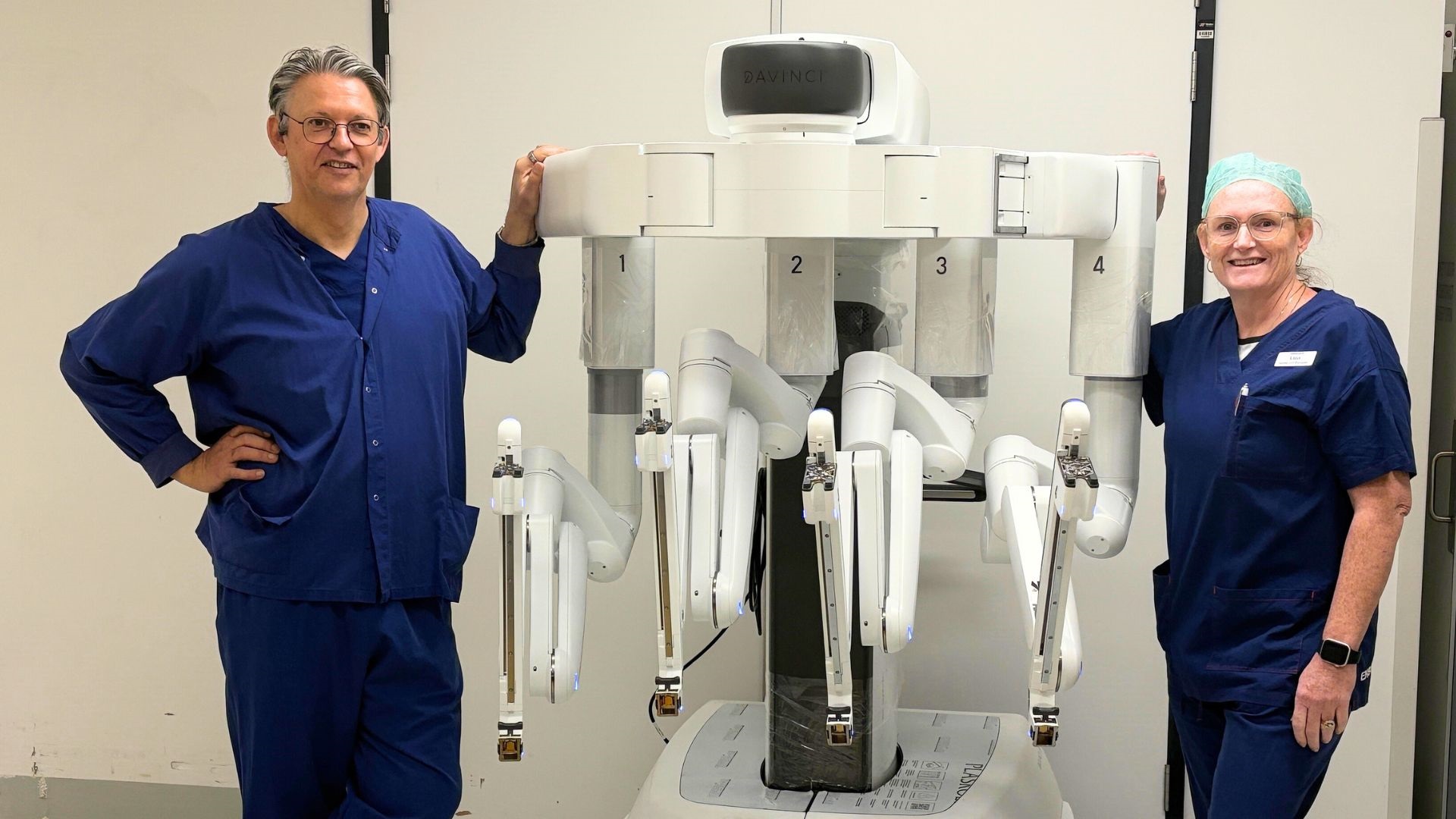
    Northern Health has marked a major milestone with the introduction of the Da Vinci Xi robotic surgical system—one of the most advanced surgical technologies available today.

    More than 200 patients annually are expected to benefit from this cutting-edge platform, including those undergoing treatment for prostate, kidney, bladder, lung, and bowel cancers, as well as individuals facing urgent conditions such as hernias, organ prolapse, and obesity-related complications.

    This robot helps doctors perform surgery with incredible accuracy. It has four flexible robotic arms that move with precision and have the dexterity of human wrists. A special camera gives the doctor a clear, 3D view inside the body. The doctor sits at a console and uses hand and foot controls to guide the robot’s movements.

    For patients, this means fewer complications, shorter hospital stays, and a quicker return to daily life. In some cases, such as prostate cancer surgery, patients may even be discharged the very next day.

    A standout feature of the system is its dual consoles, allowing experienced surgeons to train others in real time. Dennis Gyomber, Divisional Director of Surgery, said: “It’s amazing to finally offer this technology to our skilled surgeons to provide the highest quality surgical care to our community. The dual consoles mean we can train future surgeons while giving patients the best care possible.”

    Lana Dent, Unit Manager of the General Operating Theatre, added: “We’re the only hospital on this side of the city with this kind of robotic technology. It’s exciting to lead a team that’s bringing top-level care to our patients and helping our staff learn new skills.”

    Both Dennis and Lana expressed their gratitude to the Northern Health Foundation for making the robotic surgical system a reality. “Without their support,” Dennis said, “this opportunity simply wouldn’t be possible.”

    Debra Bourne, Chief Executive of Northern Health, stated: “Patients in Melbourne’s north deserve the same access to cutting-edge technology as anyone else. We are committed to building a more equitable health service, and the introduction of robotic surgery is a significant step forward.”

    She added: “I’d like to thank the Northern Health Foundation and our generous donors for supporting this exciting advancement.”

    This new technology represents more than a leap in surgical capability – it’s a bold step toward a healthier, more equitable future for Melbourne’s northern communities.

  • CareSync Exchange Launches at Northern Health

    CareSync Exchange Launches at Northern Health

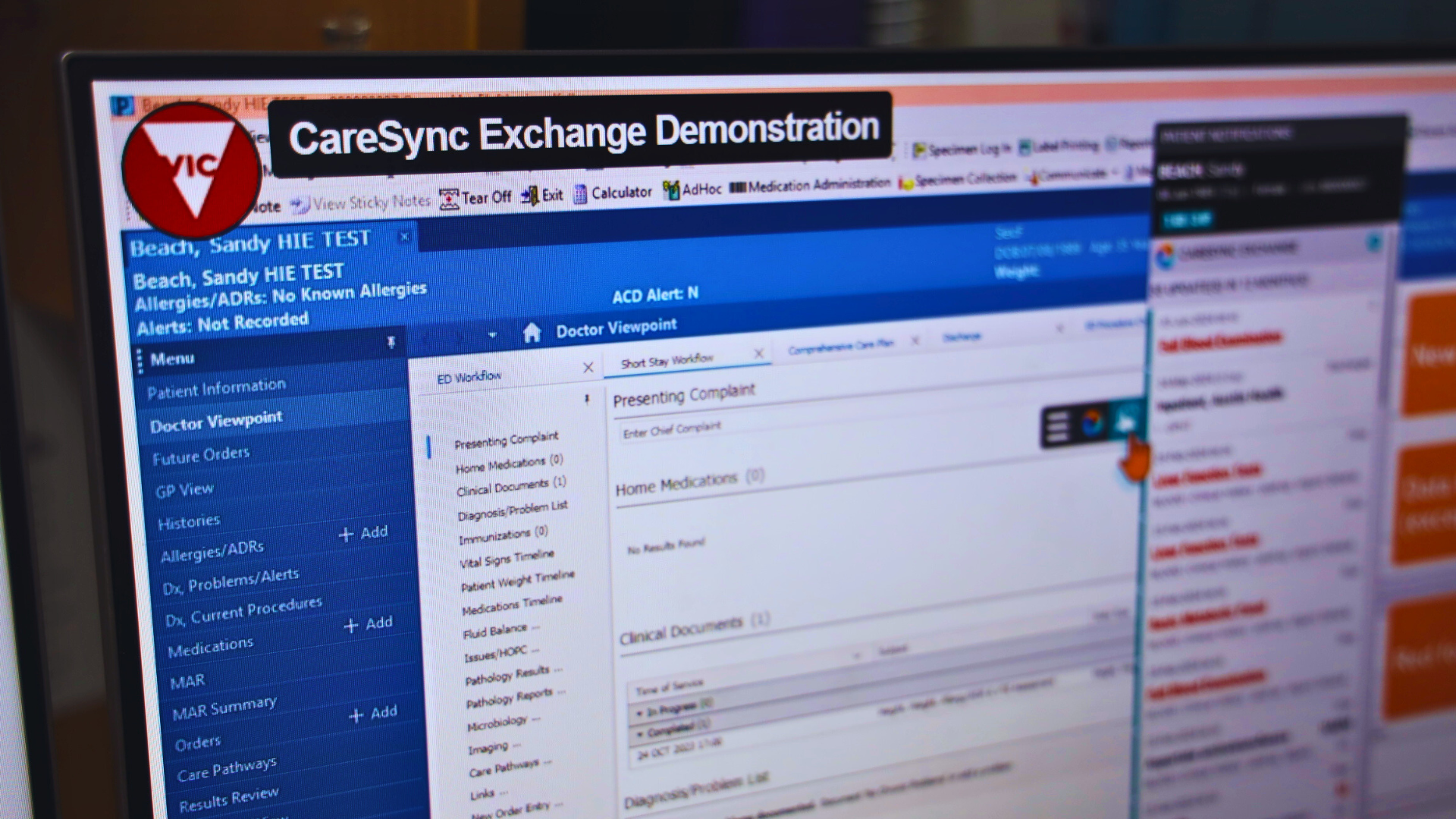
    We are thrilled to share that CareSync Exchange is now live at Northern Hospital, Epping within the Emergency Department (ED) and Victorian Virtual Emergency Department (VVED), and at Kilmore District Hospital – Urgent Care Centre (UCC).

    This marks a new era of connected care and an exciting step forward in how we care for our patients, giving our clinicians faster, safer access to the information they need, when they need it.

    With CareSync Exchange, staff can view key details such as patient demographics, past visits to Victorian public health services, pathology results and discharge summaries. More information will be added soon, including imaging reports, medications and allergies, helping us build a fuller picture of each patient’s health journey.

    What does this mean for our community? It means fewer delays, less duplication, smoother handovers between health services, and most importantly, more coordinated and connected care.

    Dr Sing Chee TAN, Director of Clinical Digital Innovation, says, “CareSync Exchange brings together years of work in building diagnostic and digital capabilities at Northern Health. By connecting us with other health services across Victoria, it is a key enabler of a safer, more efficient and coordinated healthcare journey for every patient, wherever they are.”

    The launch on 16 September was the result of many months of planning, testing, and teamwork. Our Project Control Group and Project Working Group worked alongside Health Information Services (HIS), Electronic Medical Record (EMR), and clinical teams to shape workflows, overcome challenges, and make sure the system truly supports our staff on the frontline. Their dedication has made this milestone possible.

    The rollout has been fully supported by the Department of Health, with dedicated floor support for staff during the first few days and extended hypercare support for the following weeks to ensure a smooth transition.

    CareSync Exchange is more than just technology – it’s about supporting our people to deliver the best possible care. Together, we are building a stronger, safer, and more connected health system for our staff, our patients, and our community.

    Click here to complete your training: CareSync Exchange (CSE).

  • World Patient Safety Day: Safe Care from the Start

    World Patient Safety Day: Safe Care from the Start

    Every year on 17 September, the world comes together to mark World Patient Safety Day, highlighting the importance of making healthcare safer for all.

    This year’s theme, “Patient safety from the start!” focuses on the critical importance of safe care for every newborn and child, reaffirming every child’s right to safe and quality healthcare.

    Newborns and young children face unique challenges. Their rapid growth, evolving health needs, and reliance on adults to speak up on their behalf make them especially vulnerable if care is not adapted to their age, size, condition, and circumstances. For children from disadvantaged backgrounds, barriers such as limited access to care can make these risks even greater.

    Research shows that hospitalised children are a particularly vulnerable patient group. Even minor errors or omissions can have significant, long-term impacts on their health and development. Children in intensive care units face the highest risks, particularly when sedation or medical devices are involved. Adverse events, defined as unintended harm resulting from or contributed to by medical care, not only affect the child but also bring suffering to families and healthcare professionals alike.

    The World Health Organisation (WHO) has set out clear goals for this year’s campaign, aiming to:

    • Raise global awareness of the safety risks in paediatric and newborn care across all health care settings.
    • Mobilise governments, healthcare organisations, professional bodies, and civil society to implement sustainable strategies for safer care.
    • Empower parents, carers, and children through education, awareness, and active participation in care.
    • Advocate for strengthening research into patient safety in paediatric and newborn care.

    The WHO also encourages healthcare workers worldwide to implement strategies across key safety areas, including safe childbirth and postnatal care, medication and diagnostic safety, immunisation safety, infection prevention, and early recognition of clinical deterioration.

    At Northern Health, these values are at the heart of what we do every day. By working together with families, staff, and the broader health system, we are committed to making safe care the standard for every child, everywhere.

  • Urgent Concern Helpline: Supporting Families When It Matters Most

    Urgent Concern Helpline: Supporting Families When It Matters Most

    When a child is unwell in hospital, no one knows their needs better than their parents and carers. But sometimes, despite speaking up, families can feel their concerns aren’t being heard.

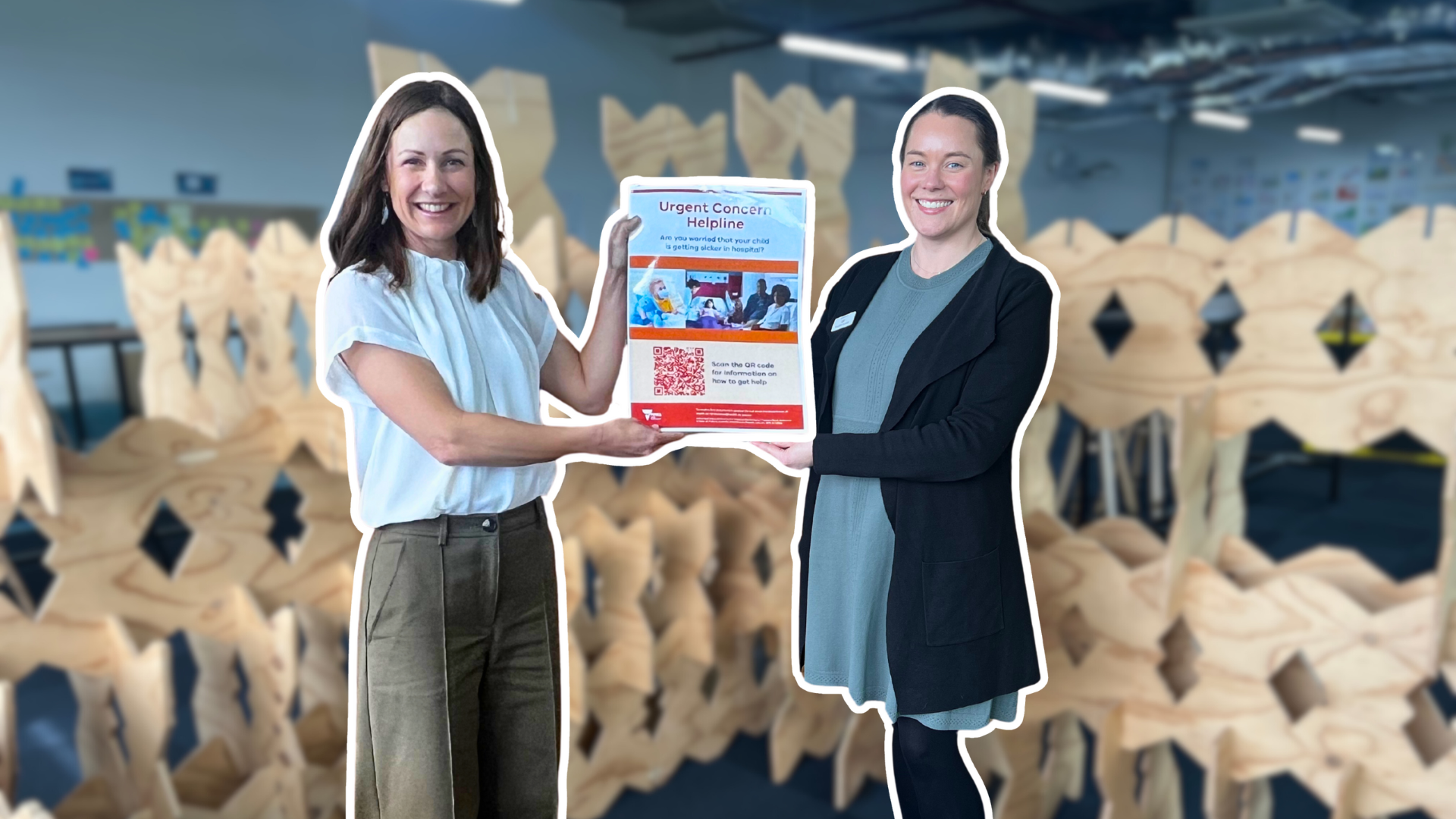
    To help bridge this gap, Northern Health is proud to be one of three sites piloting the Urgent Concern Helpline – an independent escalation system giving parents and carers a stronger voice if they feel their child is getting sicker.

    Launched at Northern Health in September 2024, the helpline has continued to evolve and grow to meet the needs of children, families, and carers. It was one of three key recommendations from Safer Care Victoria’s See Me, Hear Me Report, which identified important actions to improve the quality and safety of children’s care.

    Northern Health has played an important role in designing the helpline, working in partnership with people with lived experience, healthcare workers, Safer Care Victoria, and the Department of Health.

    The helpline complements existing patient escalation systems such as REACH calls and provides families with another option if they feel their concerns are not being addressed. Posters and brochures across Northern Health’s Emergency Department, Children’s Ward areas, and Kilmore Urgent Care Centre outline the process, including discussing their concerns with their nurse or doctor and knowing they have the REACH process or Urgent Concern Helpline to turn to if they still feel worried.

    Dr Joanna Lawrence, Director of Paediatric Virtual Care at Northern Health, says the principle of the Urgent Concern Helpline is “if you’re worried, we’re worried.”

    Lived Experience Advisor Kate Rawnsley, who participated in the design of the Urgent Concern Helpline, wishes it had been available when her daughter Macy needed it most and urges parents ‘You don’t have to have the perfect words. You don’t need to know the medical lingo. If something doesn’t feel right, and you’ve spoken to your nurse or your doctor and you don’t feel listened to, please don’t hesitate to call the Urgent Concern Helpline.’

    The Minister for Health, Mary-Anne Thomas, in an earlier press release, stated: “The new Urgent Concern Helpline will support families and patients and ensure they have somewhere to turn if they feel their concerns aren’t being heard.”

    For further information, please see the Urgent Concern Helpline website.