• Polaris: Our New LMS

    Polaris: Our New LMS

    Ladies and gentleman, we are excited to announce the winning submission from the ‘Name our new Learning Management System’ competition.

    And the winner is….Polaris!

    Northern Health’s eLearning Manager, Bec Gilbert, tells us they wanted to brand it with a name that represents our organisation – that’s where staff came in.

    “The new LMS will be an integrated and collaborative online learning space into the future. Because the LMS will be such an integral part of the Northern Health education experience, we wanted our employees to help name it,” she said.

    The brief was simple. Come up with a single-word name that is unique, creative and symbolises our organisation.

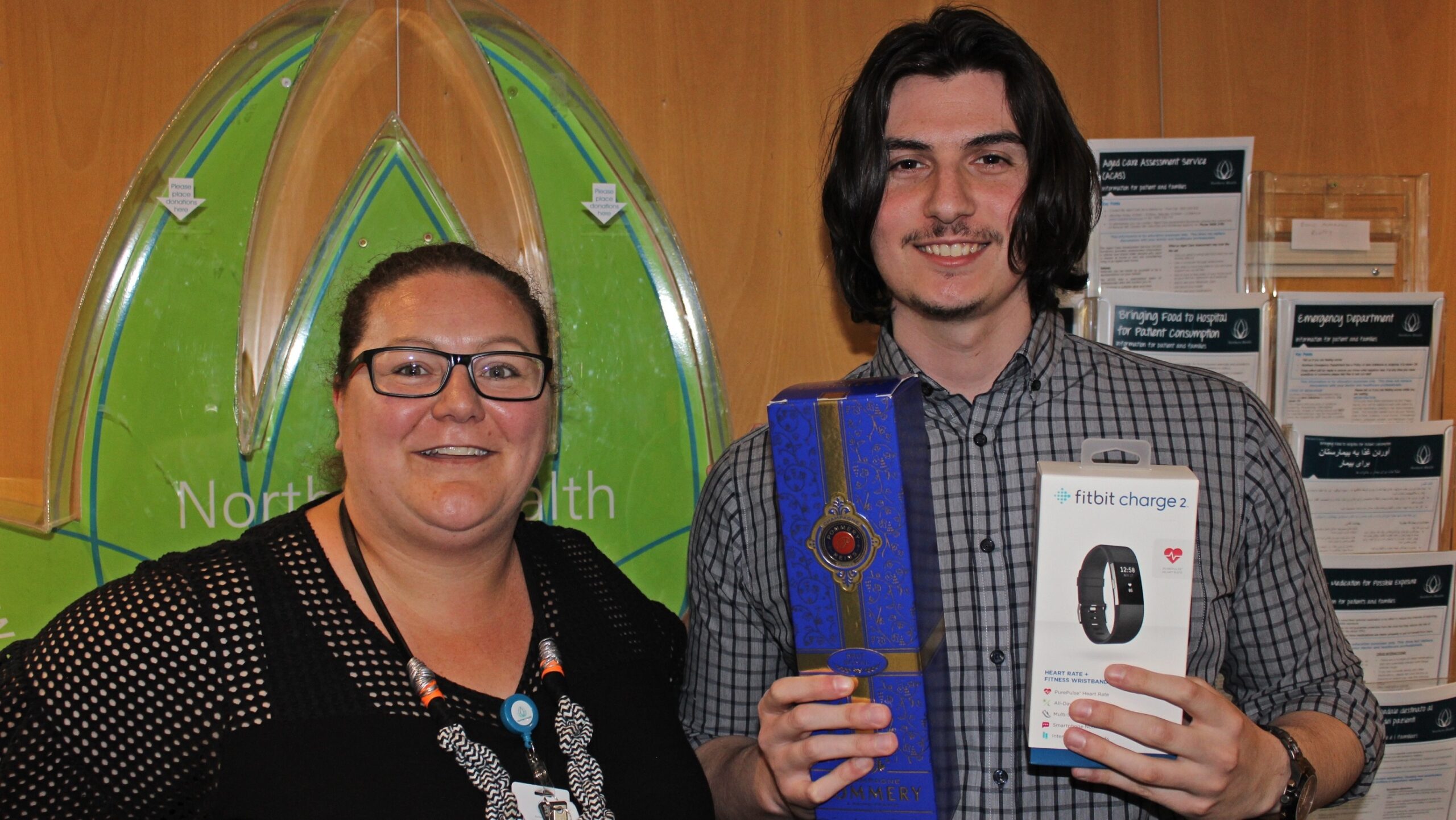
    Congratulations to Matthew Belevski, who submitted the winning name. Matthew explained how he came to choose Polaris – “I remember hearing about the North Star, aka Polaris, probably from a TV show, and at first I liked the link between North and Northern.”

    “Once I started to do some research on the North Star, I realised just how well it linked up to the new LMS, with the sky revolving around the star, and the LMS being the central point for everything,” he said.

    Matthew won himself a FitBit Charge and a bottle of French Champagne, kindly provided by LMS partnering vendor, Androgogic.

    The LMS project team look forward to sharing progress reports and updates, as they continue on their journey of implementing Polaris, an exclusive online learning environment for all employees. Stay tuned…

    Polaris, commonly known as the North Star or Pole Star, lies nearly in a direct line with the axis of the Earth‘s rotation “above” the North Pole. Polaris stands almost motionless in the sky, and all the stars of the northern sky appear to rotate around it.
  • Respiratory Function Lab Turns One

    Respiratory Function Lab Turns One

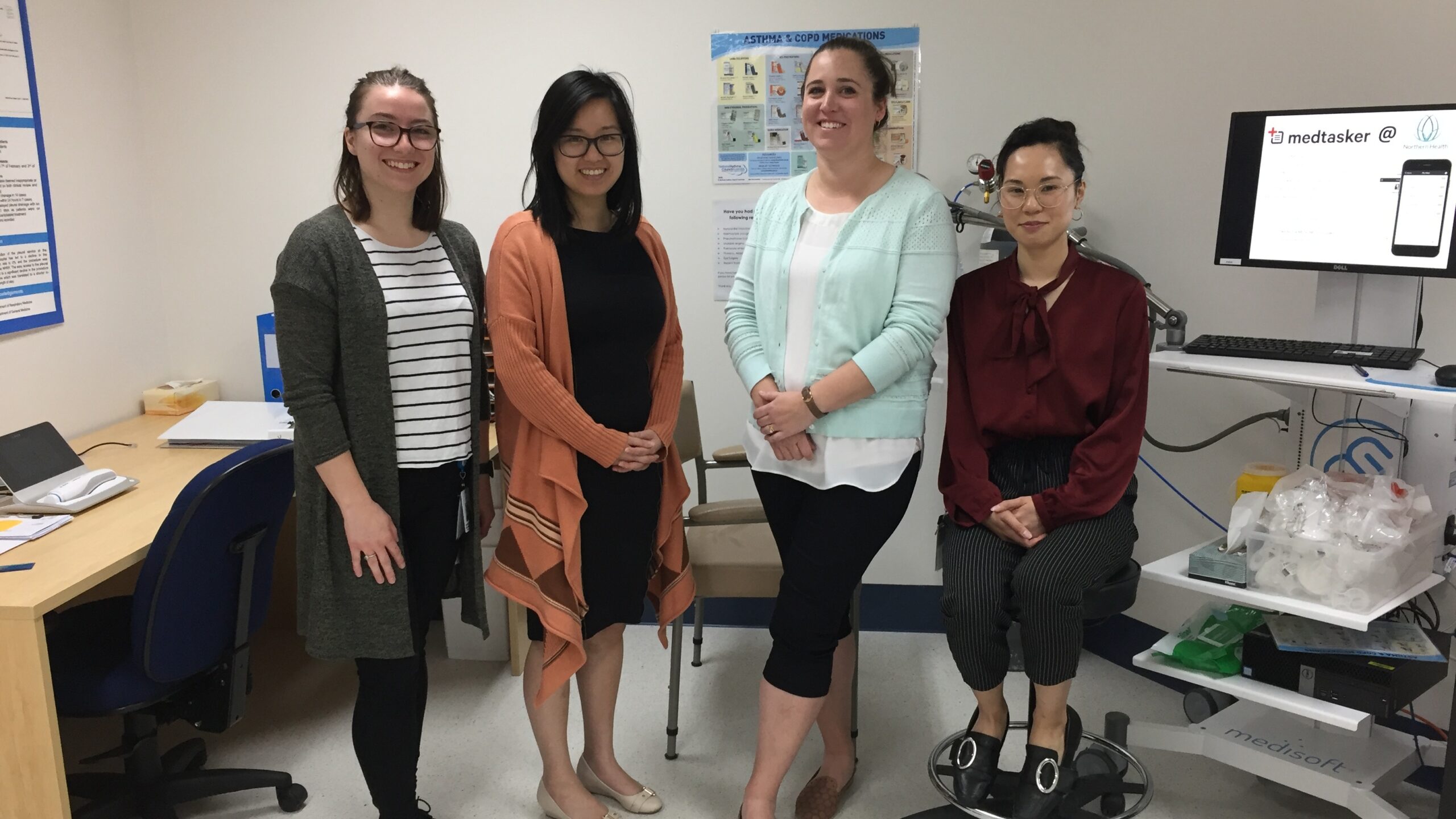
    This week marks Northern Health’s Respiratory Function Laboratory’s first birthday!

    Located at Northern Hospital Epping and having completed over 4,400 tests in its first 12 months, the service continues to grow.

    Jane Poxon, Acting Chief Executive, congratulated the team on their expansion of services over the first year.

    “Well done to Katharine See and the team,” Jane said.

    “There are more tests now available, which will assist with better diagnosis and management of patients,” she added.

    “I’m also pleased that over the next 12 months the services will expand to Broadmeadows Hospital, providing on-site testing to support the asthma and allergy clinics on Monday and Wednesday.”

    In collaboration with Swinburne University, the team have also recently welcomed a Professional Placements Student which has enabled greater volume of testing to be performed.

    The Respiratory Department at Northern Health provides ward referrals for clinical consultation, inpatient fortnightly bronchoscopy list, outpatient respiratory function tests, outpatient COPD HARP clinic and outpatient supplementary oxygen assessments.

  • Safe Practice Forum: Stories we can all learn from

    Safe Practice Forum: Stories we can all learn from

    Ever since the Ancient Roman times, forums have been a place to get together and exchange ideas and views, discuss, learn and possibly walk out with a completely new idea, solution or a changed opinion.

    At Northern Health, the Safe Practice Forum (SPF) is a monthly meeting intended for all staff where we share patient stories.

    Bill Shearer, Executive Director Transformation, Quality and Safety, says those stories can help us as an organisation provide a safer and better patient experience. Stories are sometimes drawn from our incident or feedback systems, and have been reviewed by our clinicians to identify improvements in care. These clinicians are always welcome and often present.

    “The format of the SPF is that of a case presentation, where the audience is invited to participate as if they were actually managing and then reviewing the case. The content is confidential and discussion is open to all staff. This is not a passive learning experience and participation is expected and necessary,” he said.

    Bill says the purpose of these discussions is to highlight areas where our patients are at risk, identify how we can improve, and show as many staff as possible the processes involved in reviewing cases and developing strategies for improving care. It is in effect, a glance behind the scenes of incident investigation.

    “The SPF is a safe forum – discussion, debate and even disagreement are welcome and encouraged,” he said.

    This Wednesday, 3 October from 1-2 pm at Northern Hospital Epping Lecture Theatre, the topic will be improving care at the end of life.

    A decent or good death is one that is: free from avoidable distress and suffering for patients, families, and caregivers; in general accord with patients’ and families’ wishes; and reasonably consistent with clinical, cultural, and ethical standards.”

    – Institute of Medicine, 1997, Approaching death: Improving care at the end of life, Washington, D.C: National Academy Press

  • Research Week Presents: Dr Amanda Quattrocelli

    Research Week Presents: Dr Amanda Quattrocelli

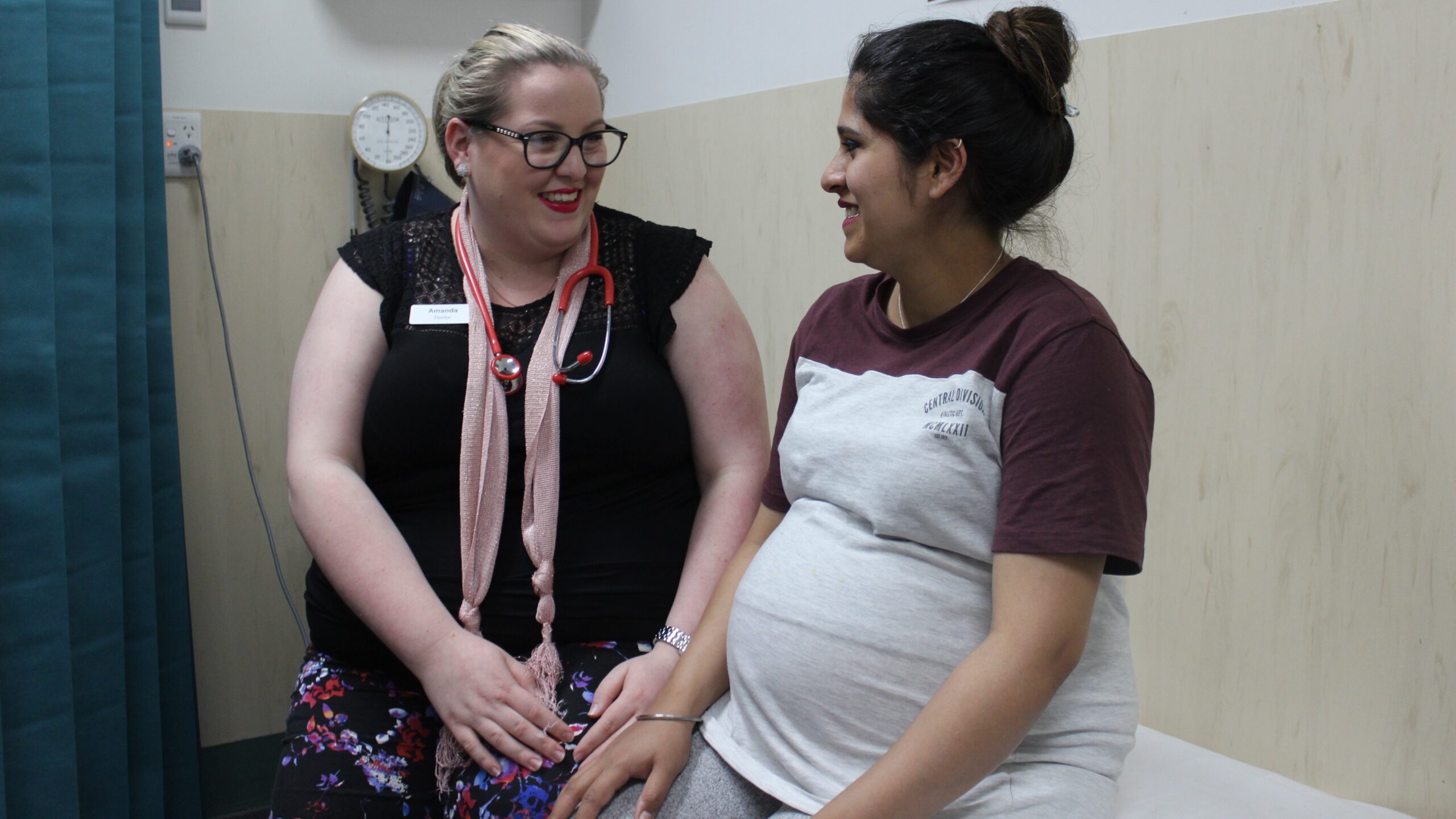
    Dr Amanda Quattrocelli is an Obstetrics and Gynaecology resident in the maternity department at Northern Health. Working with women treated at Northern, she has been researching on gestational diabetes and has looked at early glucose tolerance tests and whether they are making a difference in the outcomes of our mothers and their babies.

    She explains that gestational diabetes, a type of diabetes women may develop during pregnancy, should go away after pregnancy although it is well known that if women have diabetes in pregnancy, they are at a increased risk of developing overt type 2 diabetes later in life.

    “We look at it as an early warning sign”, she said.

    Dr Quattrocelli has done two separate studies comparing women who have early glucose tolerance tests compared to later or normal timed tests and their outcomes. A follow-up study was also conducted with the aim to determine the strongest predictors of an early diagnosis of gestational diabetes.

    “The results of the studies have shown that if women who had an early diagnosis of GDM were more likely to be insulin dependent by the time of delivery, and if they had a late diagnosis of gestational diabetes they were more likely to have a spontaneous onset of labour and be diet controled at the time of delivery,” she said.

    For all other outcomes, in terms of maternal outcomes, birth trauma, birth statistics and foetal outcomes, there were no differences between women who had early glucose tolerance testing and ones who were diagnosed later.

    The follow-up study looked at all the women who had early glucose tests and what their risk factors were, and found the strongest predictors for gestational diabetes were a family history of diabetes or having gestational diabetes in a previous pregnancy.

    “A lot of our women are from many different ethnic backgrounds and lots of them have an increased BMI which are risk factors for GDM and I was surprised that many of our women had early tolerance tests, but not necessarily had an early GDM diagnosis,” Amanda said.

    This led to Dr Quattrocelli creating a flow chart, helping to better analyse women with risk factors for GDM in our antenatal clinics, which is a possibility in the future management of our pregnant women, but that more research is needed before we can implement any change in clinics.

    “Northern has been very supportive in my research – I am seeing a lot of improvements when it comes to research. Hiring a statistician is very helpful and that would have helped me a lot when I was doing my research. Northern Health is up and coming with its research and taking steps in the right direction,” she said.

    Make sure to check out the amazing speakers during Research Week at Northern Health from 8 – 12 October.

  • Ready for the finals?

    Ready for the finals?

    It’s the AFL Grand Final weekend, and our staff are ready for the game!

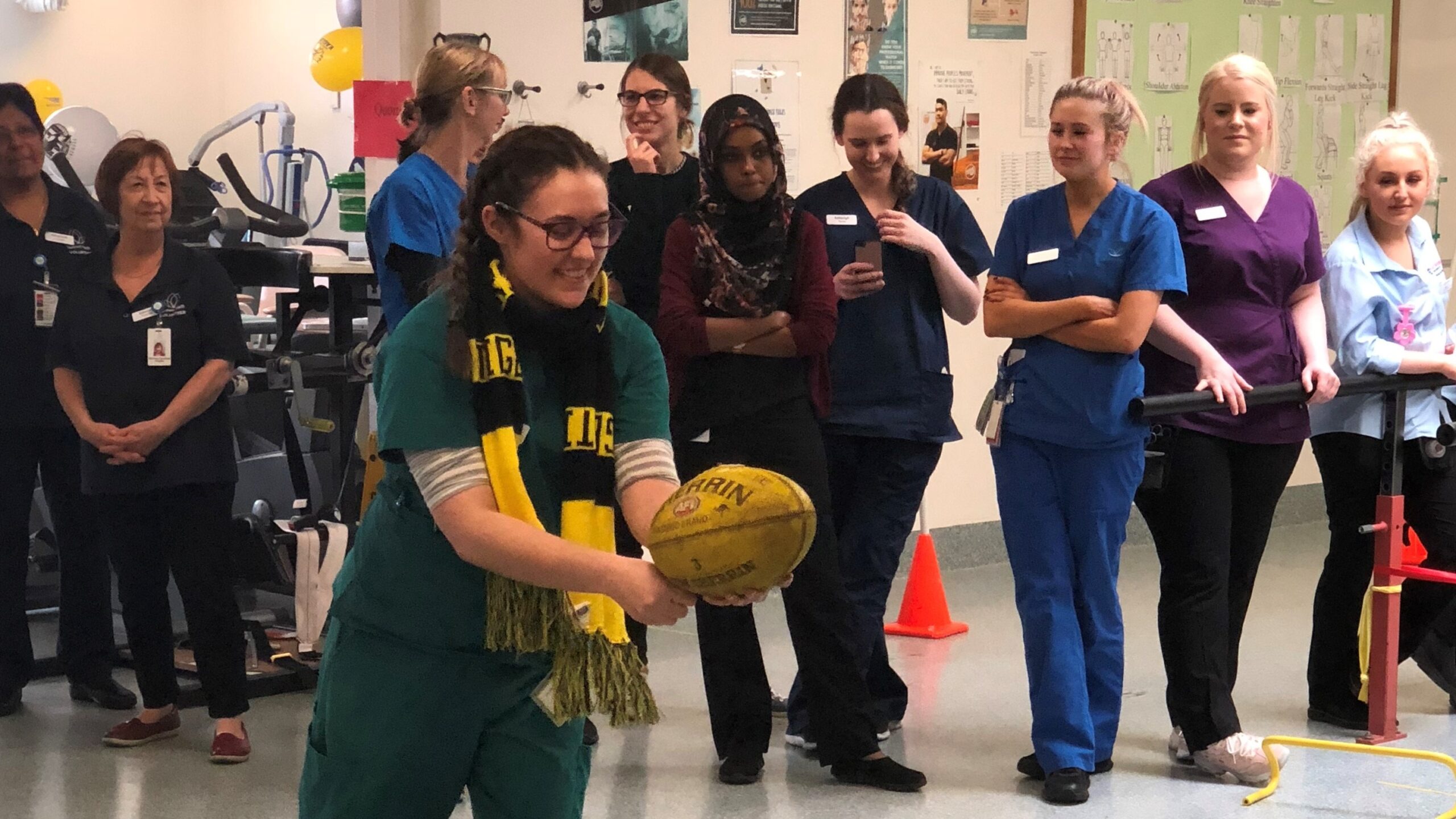
    On Wednesday, for the 14th year in a row, the Allied Health team at Broadmeadows Hospital ran an event day for clients and staff to celebrate the AFL Grand Final.

    Clients enjoyed a variety of activities including a handball target, kicking for goal, quoits, basketball, ten pin bowling, croquet and a bean bag throw.  Winning clients are awarded with medals for being the top scorers.

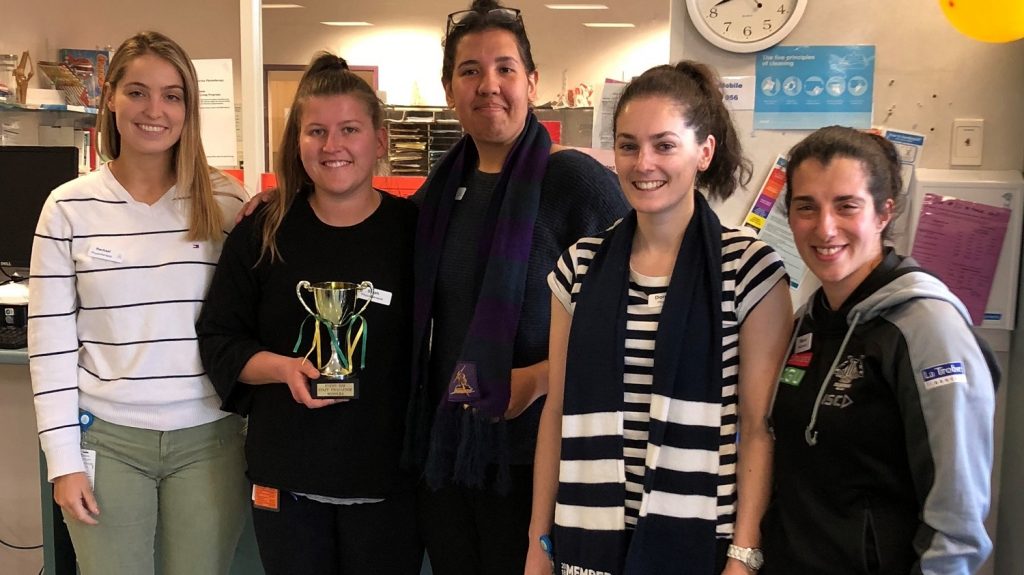
    Craig Whitbourne, Senior Clinician Exercise Physiologist, said that staff competition was again very fierce this year.  Up to ten different teams were fighting for the right to keep the Broadmeadows Hospital event day trophy in their department for the next 12 months.

    “The footy quiz challenged all the teams and their knowledge of our great game. This was followed by a handball competition and an interesting obstacle course with egg and spoon, basketball, dodging objects and bean bag throwing.  The volunteer team had a big fall from grace – after winning last year they fell to last this year. Unit 3 recruited a past AFL great / premiership player but they fell just short and into second place,” he said.

    And the winner is … the Physiotherapy Department. Congratulations!


    The AFL games day will be held at Northern Health Bundoora today.

  • Chief Executive Message

    Chief Executive Message

    We are heading into our first “Northern Celebrates” – a month of celebrations and awards throughout October that recognises what we have achieved, in caring for our patients, every day.

    The month includes our Northern Health Annual Dinner, Staff Length of Service Awards, Research Week and our Annual Meeting and Open Board Meeting.  I hope that you become involved in as many of these activities as you can.

    As a team, we have a lot to be proud of.  Our Annual Report has just been tabled in parliament, showing strong growth and performance improvement we can be proud of.

    A quick glance at the care we’ve provided shows that we’ve had over 99,446 presentations at our Emergency Department making it the busiest in Victoria – (a rise of 7.9% compared to last year.)

    We’ve also seen an 11.8% rise in hospital admissions, as we’ve had more than 93,913 admissions in the previous year.  Numbers keep on growing as we also look at elective surgical operations, reaching 10,095 – a rise of 17.15%.

    Our teams are also witnessing a baby boom in the north, with our maternity care team assisting with the delivery an average 73 babies each week.

    It’s not all about growth.  It’s about our continual quest to improve the patient experience, access to services – and the quality and safety of the care we provide.

    Covering three of ten nations’ fastest growing suburbs: South Morang, Craigieburn and Epping means, we play a crucial role of providing “trusted care” to residents of Melbourne’s north.

    Well done to you all.

    Hope you all have a great week ahead.

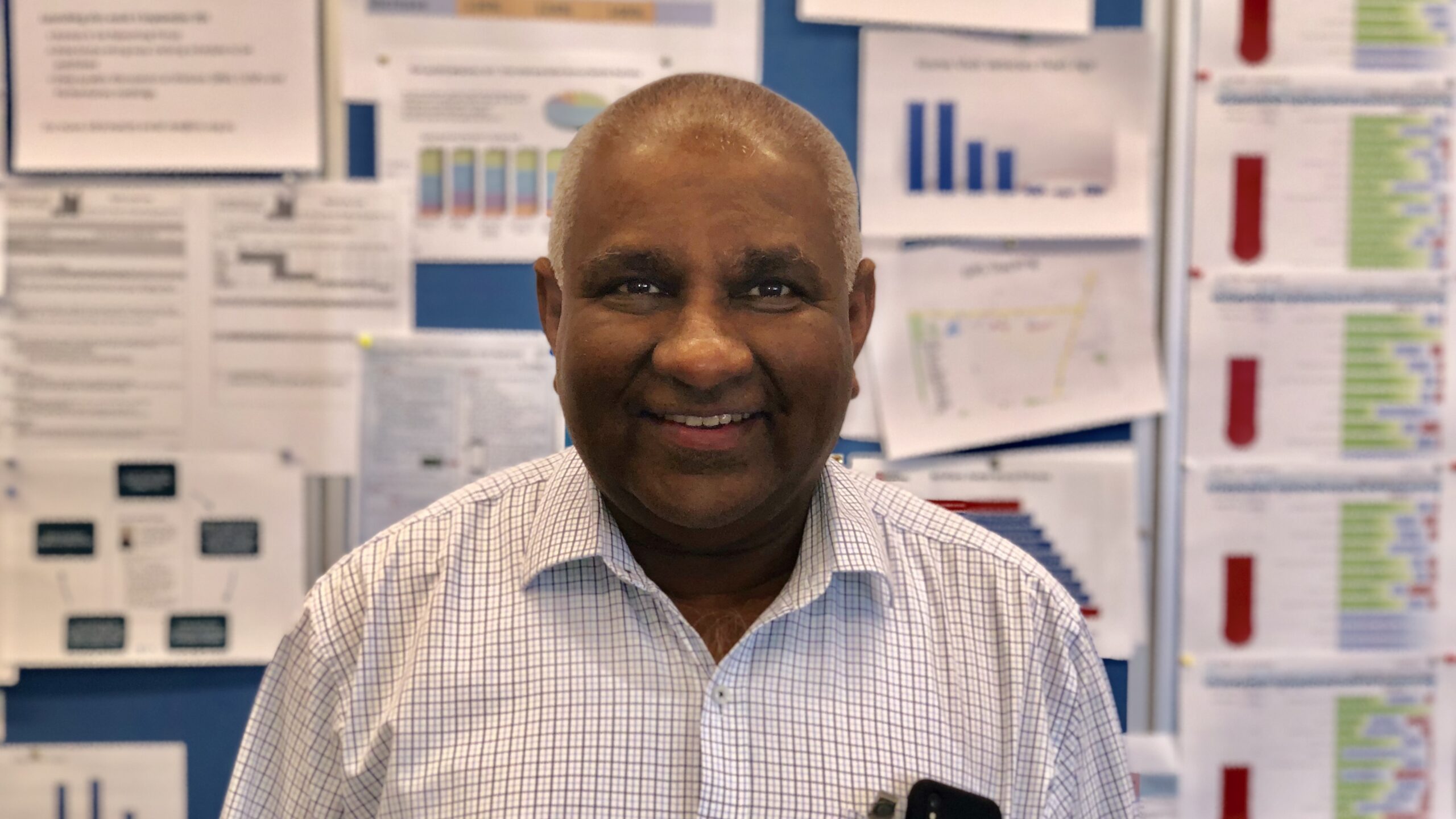
    Siva Sivarajah

    Chief Executive

  • The Mediterranean Diet by Dr Anthony Mariani

    The Mediterranean Diet by Dr Anthony Mariani

    Congratulations to our Gastroenterology Consultant, Dr Anthony Mariani on the release of his follow up book, The Mediterranean Diet: Recipes from Mediterranean Kitchens.

    In his book, Dr Mariani highlights the principles of a Mediterranean diet and its major elements, as well as providing practical ways for incorporating them into your lifestyle.

    He discusses the benefits associated with adopting a traditional Mediterranean diet, including “simplicity of recipes, nutritional balance and great taste”.

    More than 100 authentic recipes from various countries are included, many of them handed down through generations and sourced from families of Mediterranean background.

    Dr Mariani’s first edition of The Mediterranean Diet: Food, Science and Health focuses on the history of the diet and its prevention benefits in various diseases, such as type 2 diabetes mellitus, heart disease, strokes, cognitive impairments, cancer and many inflammatory disorders.

    He also examines evidence for employing a Mediterranean dietary pattern as a weapon in treatment and prevention of obesity in Western countries.

    Dr Anthony Mariani is a Consultant Physician in General Medicine and Gastroenterology. He obtained his medical degree from the University of Melbourne and has trained in Gastroenterology and Hepatology in Miami Florida USA before returning to Melbourne.

    If you would like to find out more information about Dr Mariani’s new book, you can check out his website here.

  • Nominate Now: Staff Recognition Awards

    Nominate Now: Staff Recognition Awards

    Can you think of a colleague who has gone above and beyond at Northern Health? Do you know of a team who has made a significant achievement in improving the patient experience?

    It’s their time to shine – through your nominations to recognise their efforts.

    Quarterly Staff Recognition Awards are an opportunity to reward teams and individuals in a wide range of areas, who have demonstrated commitment to high quality outcomes.

    Northern Health’s Executive Director People and Culture, Michelle Fenwick, encourages everyone to nominate.

    “The Awards are a way that you can highlight your colleagues’ achievements,” she said.

    “Categories will cover exceptional patient experience, compassionate care, safety improvement, innovation, ‘above and beyond’, and potential to grow and develop at Northern Health. Both individuals and teams can be nominated for categories.”

    Andrew Williamson, Executive Director Public Affairs and Foundation, says the awards ceremony will be held 16 October, during Northern Celebrates, with the help of our sponsors.

    “We are delighted with the generous sponsorship support from BankVic and Maxxia,” he said.

    Six Award Certificates and prizes of $250 each will be awarded each quarter, as Northern Health looks forward to celebrating amazing achievements of our staff and teams throughout the year.

    Nominate your colleagues now as submissions close 30 September 2018!