• Let the light in

    Let the light in

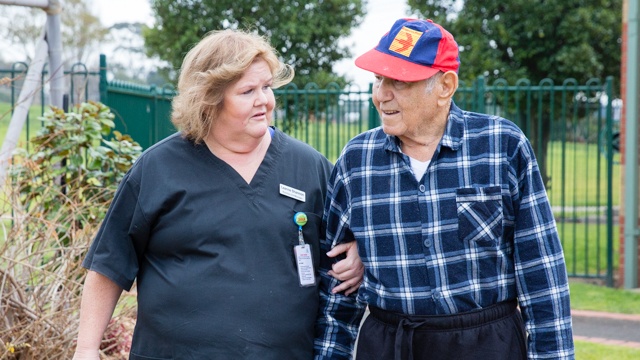
    Did you know that delirium and falls are a major cause of harm to our patients?

    Falls and delirium lead to injuries, longer hospital stays and increased need for support after discharge. While we are already working to prevent falls, fall-related injuries and delirium, there is more to be done.

    Luckily, there is one simple thing everyone can do to help.

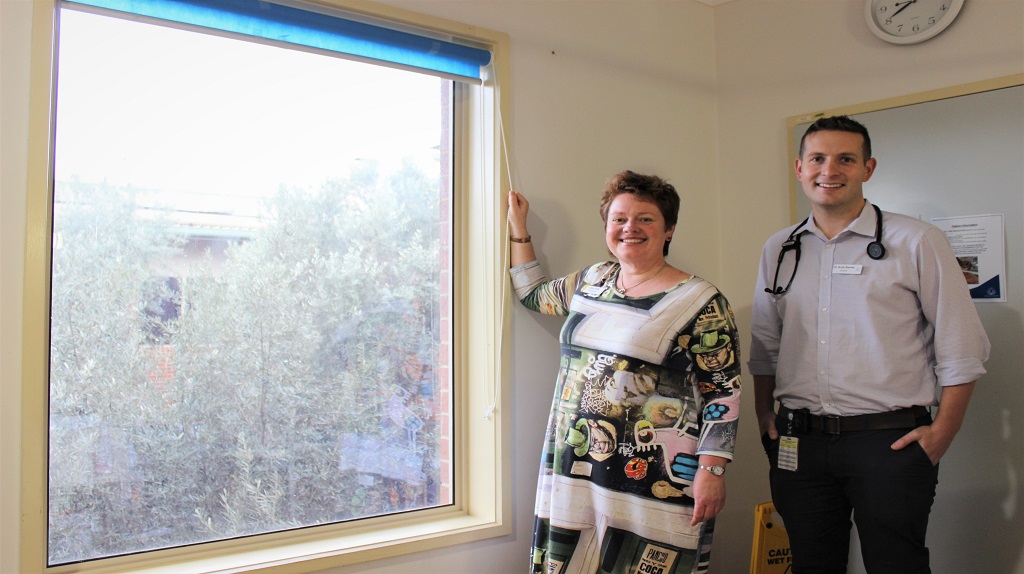
    Let the light in.

    “Inadequate lighting leads to falls, because people can’t see their way around and are more likely to slip or trip,” said Dr Kim Jeffs, Northern Health Geriatrician.

    “Low levels of light during the day can also contribute to delirium, by disrupting the sleep-wake cycle. If there isn’t sufficient light during the day – especially natural light – the brain doesn’t get into a proper night sleep rhythm. Subsequently, the lack of sleep leads to the brain not functioning properly,” she said.

    “When you are on the wards, open the blinds, turn on the lights and let the light in.”

    The idea of highlighting “Let the light In” came from last week’s Chief Executive’s Ideas Forum – where a number of ideas around eliminating patient harm during a hospital stay were  developed.

  • Chief Executive Message

    Chief Executive Message

    The Northern Health FluVax campaign concluded on Sunday after two months of a proactive campaign to ensure maximum protection for our staff and our community.

    Last year influenza had a profound impact with increased hospital presentations, GP attendances and absenteeism across the Victorian community.

    As a key part of our Winter Strategy Northern Health made the decision to do things differently by proactively promoting and providing influenza vaccinations.  Our strategy was to protect staff, patients and our community, aligning with Northern Health’s priority of ‘staying well’ and Victoria’s Health 2040 strategy of better health and access.

    We believed that by providing free immunisation to the family and friends of our patients and staff, greater herd immunity would provide improved wellbeing in our community and in particular, keep our vulnerable patients protected from influenza infection. We ordered additional vaccine in early February that was able to sustain us right through to the end of the campaign period.

    90% of our staff received the vaccine along with 11,000 community members and over 1,000 admitted patients. This is a magnificent result.

    Congratulations to Jodi Ashworth and Ros Payne for leading this initiative – and all staff involved.

    I hope you all have a great week ahead.

    Siva Sivarajah
    Chief Executive


  • HESTA Aged Care Awards

    HESTA Aged Care Awards

    Our congratulations to Leanne Shannon, Nurse Unit Manager of the Kath Atkinson Ward at Bundoora, who was named a finalist in this year’s national HESTA Aged Care Awards. Leanne is a finalist in the individual distinction category, recognised for implementing a range of strategies to improve the safety and wellbeing of patients and staff on the high-risk dementia ward.

    The winners are announced at an award ceremony this month. Good luck Leanne!

  • Because of her we can!

    Because of her we can!

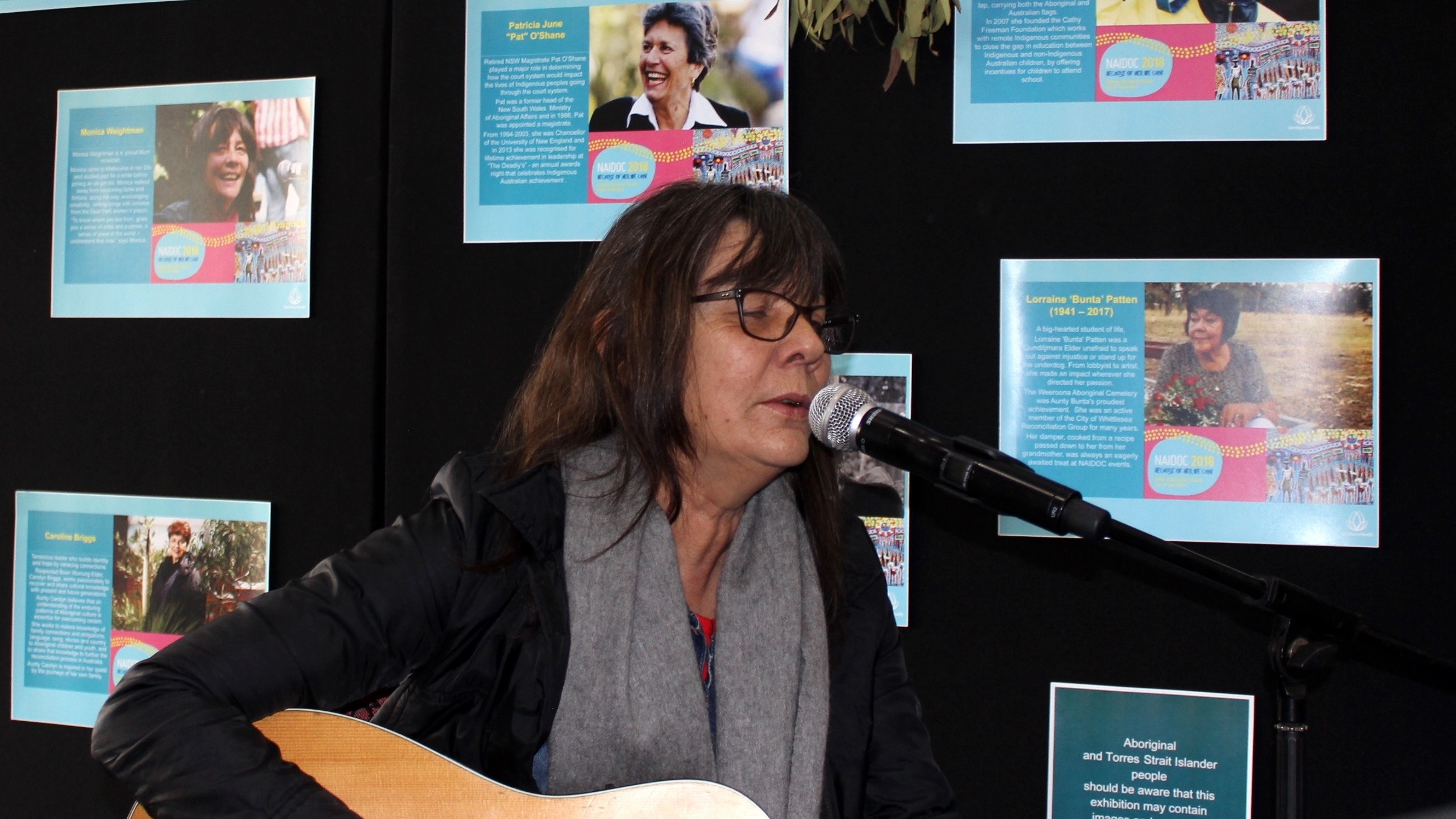
    Northern Health celebrated our Indigenous community during NAIDOC Week with an exhibition in the foyer of Northern Hospital Epping throughout the week and a special event held on Wednesday, 11 July.

    This year’s NAIDOC theme is ‘Because of her, we can!’ and the audience heard from a number of local Aboriginal women about the strong women who have inspired and influenced their lives.

    Northern Health Chief Executive, Siva Sivarajah, said NAIDOC Week is an opportunity to celebrate our cultural diversity and this year, to acknowledge the contribution of Aboriginal and Torres Strait Islander women.

    “Northern Health is committed to providing holistic and culturally appropriate services, improving health and wellbeing and strengthening connections with our diverse community.”


  • Breastfeeding Week 2018 – Foundation of Life

    Breastfeeding Week 2018 – Foundation of Life

    Beginning of August marks the World Breastfeeding Week, with the slogan “Foundation of Life” emphasising that in a world filled with crisis and poverty, breastfeeding is a foundation for lifelong good health both for babies and mothers. This year, WBW aligned its campaign with United Nations Sustainable Development Goals, promoting breastfeeding as a way to prevent malnutrition, ensure food security even in times of crisis and break the cycle of poverty.

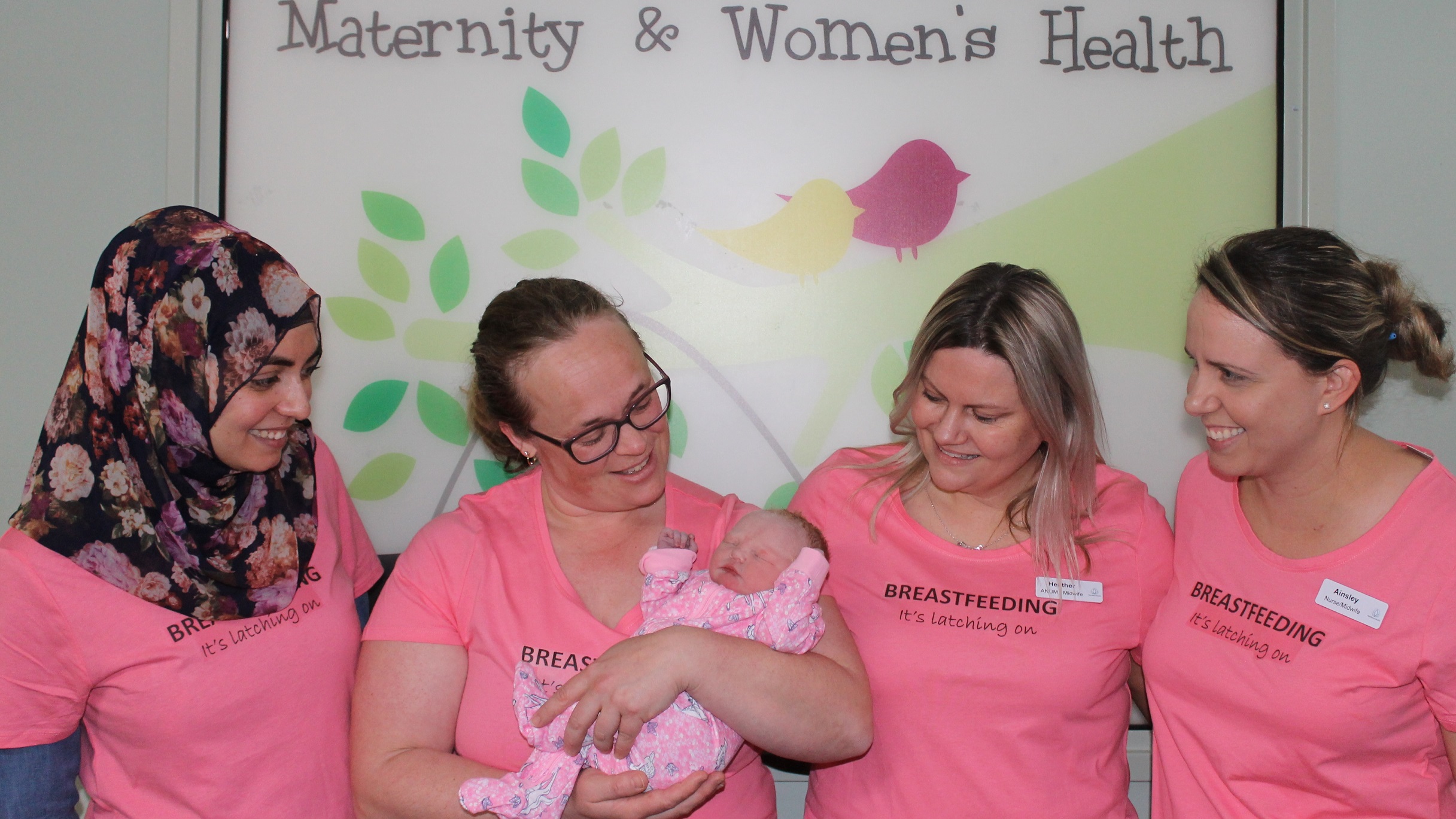
    Our dedicated maternity and women’s health staff are doing an amazing job every day at supporting mothers and babies during their delicate first days.

    “We understand while breastfeeding is natural for the baby, sometimes mothers may need more support”, Natalie Mckell, Clinical Coordinator Domiciliary and Lactation at Northern Health said.

    Four lactation consultants at Northern are helping mothers learn how to successfully breastfeed and maintain lactation even when they are separated from infants, for example when they are returning to work.

    Through breastfeeding classes available both at the Northern Hospital and at the Craigieburn Health Service, mothers can get help during pregnancy, while in hospital and afterwards.

  • Northern Health Reconciliation Action Plan

    Northern Health Reconciliation Action Plan

    The northern community counts the second largest Aboriginal population in the metropolitan region.
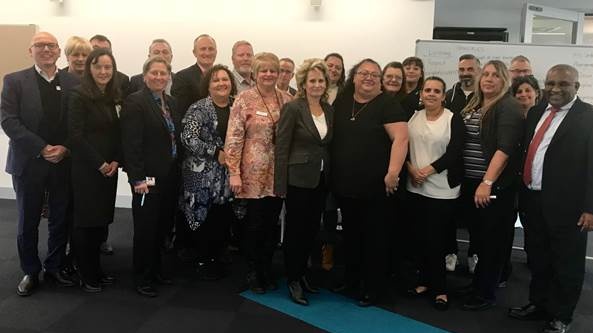
     Picture shows Aboriginal community leaders and representatives with Northern Health Board directors and senior leadership to discuss the Northern Health Reconciliation Action Plan.


  • Learning from adverse events at Northern Health

    Learning from adverse events at Northern Health

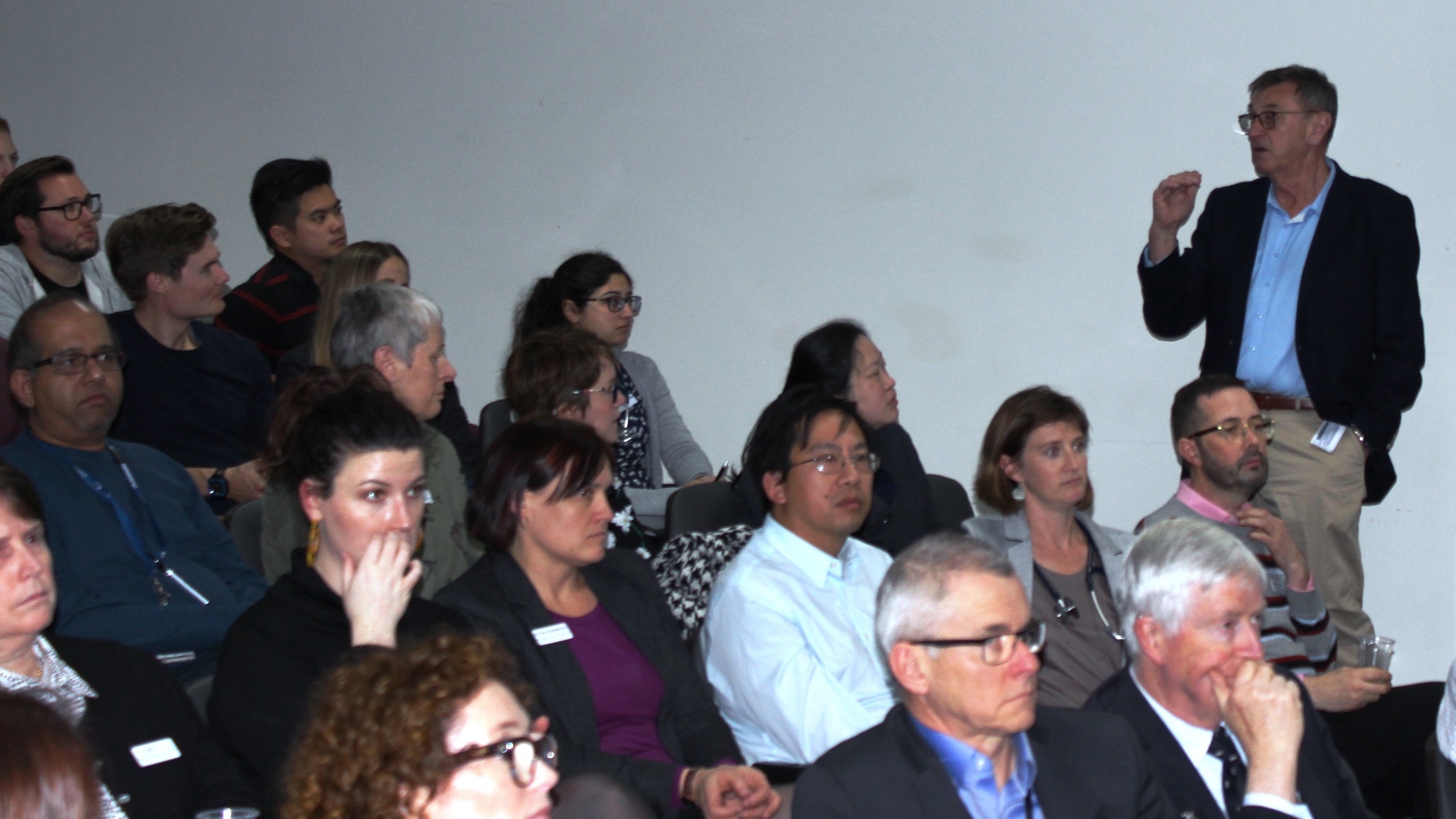
    On Wednesday 11 July,  Northern Health conducted its first-ever Safe Practice Forum. This multidisciplinary session was an analysis of an incident at Northern Health, examining the issues with system or process. This involves identifying the reasons of the incident, and building in new and improved processes so the incident does not recur, thereby improving patient outcomes.
    Speaking at the forum were Bill Shearer, Executive Director, Transformation Quality & Safety, Dean Pritchard, Emergency Physician and Ortis Estacio, HMO2.

    The forum was well attended with high audience participation. One such participant was Sandy Ayoub, Pharmacist, who had this to say,”I found the forum to be valuable and definitely worth attending!”


  • Celebrating 10 years of Cardiology

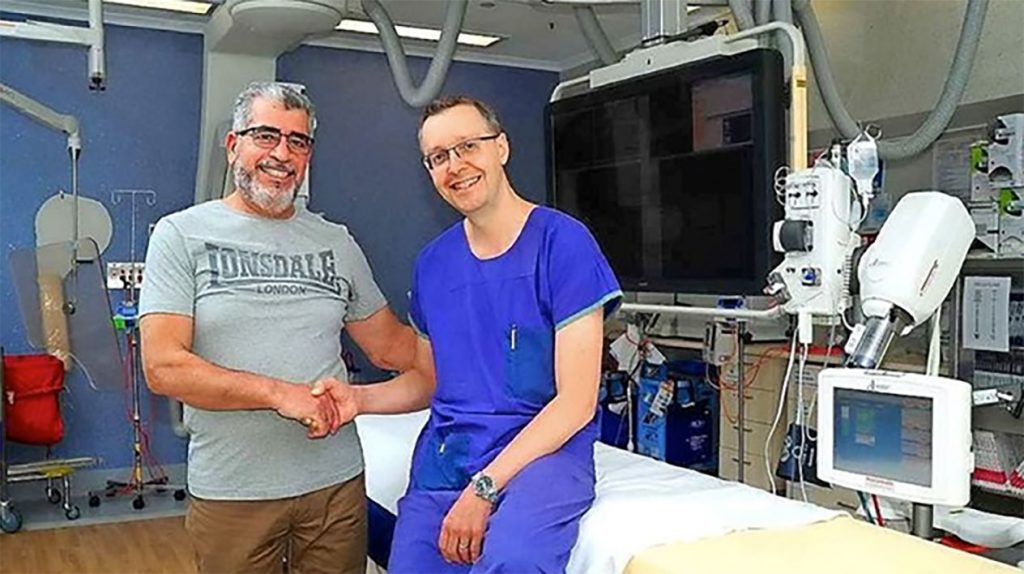
    Celebrating 10 years of Cardiology

    Lorem Ipsum is simply dummy text of the printing and typesetting industry. Lorem Ipsum has been the industry’s standard dummy text ever since the 1500s, when an unknown printer took a galley of type and scrambled it to make a type specimen book. It has survived not only five centuries, but also the leap into electronic typesetting, remaining essentially unchanged. It was popularised in the 1960s with the release of Letraset sheets containing Lorem Ipsum passages, and more recently with desktop publishing software like Aldus PageMaker including versions of Lorem Ipsum.

    Why do we use it?

    It is a long established fact that a reader will be distracted by the readable content of a page when looking at its layout. The point of using Lorem Ipsum is that it has a more-or-less normal distribution of letters, as opposed to using ‘Content here, content here’, making it look like readable English. Many desktop publishing packages and web page editors now use Lorem Ipsum as their default model text, and a search for ‘lorem ipsum’ will uncover many web sites still in their infancy. Various versions have evolved over the years, sometimes by accident, sometimes on purpose (injected humour and the like).

    Where does it come from?

    Contrary to popular belief, Lorem Ipsum is not simply random text. It has roots in a piece of classical Latin literature from 45 BC, making it over 2000 years old. Richard McClintock, a Latin professor at Hampden-Sydney College in Virginia, looked up one of the more obscure Latin words, consectetur, from a Lorem Ipsum passage, and going through the cites of the word in classical literature, discovered the undoubtable source. Lorem Ipsum comes from sections 1.10.32 and 1.10.33 of “de Finibus Bonorum et Malorum” (The Extremes of Good and Evil) by Cicero, written in 45 BC. This book is a treatise on the theory of ethics, very popular during the Renaissance. The first line of Lorem Ipsum, “Lorem ipsum dolor sit amet..”, comes from a line in section 1.10.32.

    The standard chunk of Lorem Ipsum used since the 1500s is reproduced below for those interested. Sections 1.10.32 and 1.10.33 from “de Finibus Bonorum et Malorum” by Cicero are also reproduced in their exact original form, accompanied by English versions from the 1914 translation by H. Rackham.

    Where can I get some?

    There are many variations of passages of Lorem Ipsum available, but the majority have suffered alteration in some form, by injected humour, or randomised words which don’t look even slightly believable. If you are going to use a passage of Lorem Ipsum, you need to be sure there isn’t anything embarrassing hidden in the middle of text. All the Lorem Ipsum generators on the Internet tend to repeat predefined chunks as necessary, making this the first true generator on the Internet. It uses a dictionary of over 200 Latin words, combined with a handful of model sentence structures, to generate Lorem Ipsum which looks reasonable. The generated Lorem Ipsum is therefore always free from repetition, injected humour, or non-characteristic words etc.