• Supporting staff wellbeing through morning movement

    Supporting staff wellbeing through morning movement

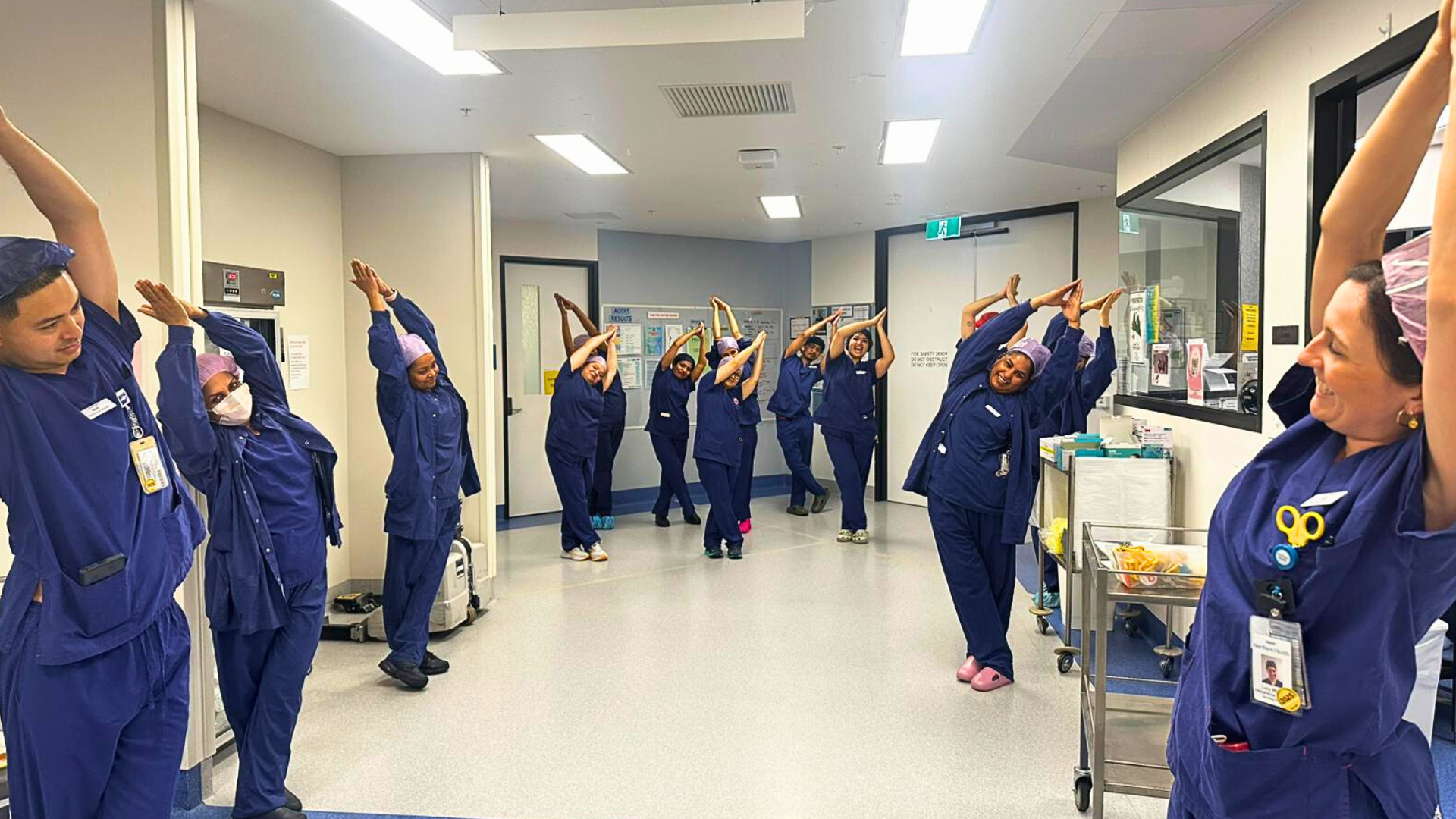
    In a proactive response to feedback from the People Matter Survey, Lana Dent, Nurse Unit Manager (NUM) of the General Operating Theatre, reached out to the OHS and Wellbeing team to explore opportunities to enhance staff wellbeing. One key idea that emerged was to introduce a short, team-based physical activity session during the daily morning huddle.

    Staff shared that they were looking for a fun and energising way to start their day – something that would support both mental and physical readiness for work.

    Dylan Perera, Staff Exercise Physiologist, worked closely with Lana, Anna Caro, NUM, and Lucy White, a nurse who volunteered to champion the initiative. With Lucy’s background in yoga and her deep understanding of the demands of the role, the team co-designed a simple, effective routine focusing on mobility, stretching, breathwork and mindfulness — all tailored to the specific needs of clinical staff in physically active roles.

    “We were very excited to receive this request,” says Dylan. “There’s growing evidence supporting the broad physical and mental health benefits of workplace physical activity, and it’s increasingly being adopted across many sectors. It’s great to see healthcare teams leading the way.”

    The morning huddle activity was launched in July and has been met with great enthusiasm.

    “The team are loving the new initiative,” says Lana. “They’re now trying to do it a couple of days each week.”

    Lucy, who leads the sessions, says the feedback has been overwhelmingly positive, with staff requesting even more frequent sessions.

    For physically demanding roles, such as nursing, incorporating warm-up and stretching before a shift can help reduce the risk of injury and support overall wellbeing. For those in more sedentary, desk-based roles, the literature recommends increasing incidental movement throughout the day and incorporating short bursts of muscle-strengthening exercises. Resistance bands are one simple and cost-effective way to facilitate this in the workplace.

    Research shows that small, regular investments in physical activity during the workday can lead to improvements in productivity, reduced musculoskeletal injuries, and better health outcomes for staff.

    If other teams across Northern Health are interested in starting a similar initiative, they are encouraged to contact the OHS and Wellbeing team at staffexphys@nh.org.au to plan a tailored program that suits their team’s needs.
  • Northern Health’s Housing Pathways Team

    Northern Health’s Housing Pathways Team

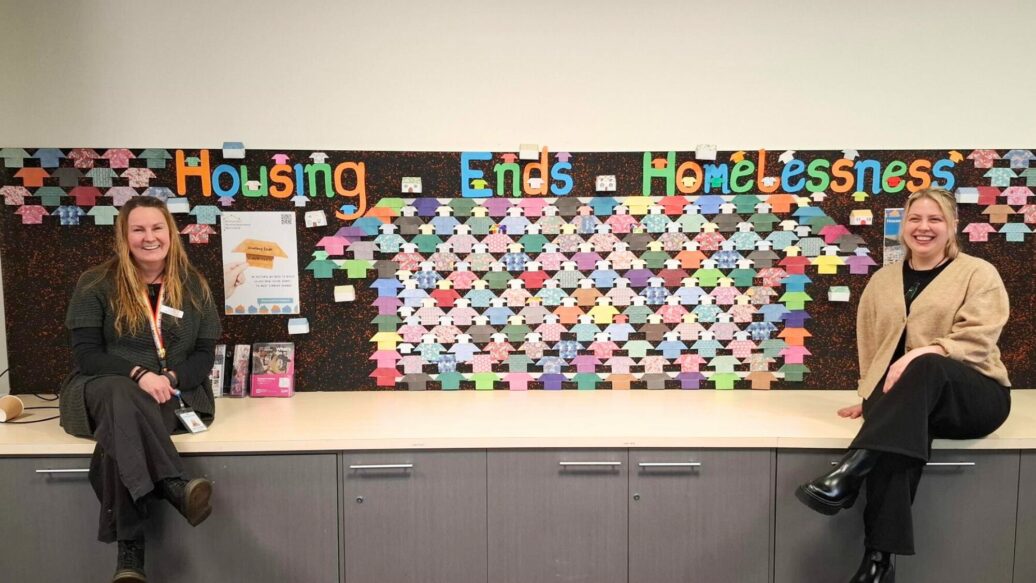
    As Mental Health Month continues throughout October – highlighting the importance of awareness, advocacy, and systemic change – two trailblazers at Northern Health are making a profound impact in the ever-evolving landscape of mental health and housing support. Cassie MacAlpine and Meghan Burkett, both deeply committed social workers, are leading the charge in transforming how individuals navigate housing pathways—bringing compassion and advocacy to a system often described as complex and under-resourced.

    For mental health consumers, accessing and maintaining secure housing is the foundation for recovery. Yet this critical need is often met with significant barriers, with many individuals experiencing homelessness or facing the risk of it. Cassie and Meghan’s work directly address these challenges, helping to build safer, more stable futures for those most vulnerable.

    Cassie MacAlpine stepped into the newly created role of Housing Pathways Coordinator in October 2024, bringing with her 25 years of frontline experience in mental health, housing, and homelessness. Her career spans community and public housing, crisis assessment, outreach, inpatient and hospital social work, and case management.

    “Housing and homelessness have been such a large part of my working career,” Cassie shares. “I feel very fortunate to assist clinicians and consumers in navigating this space, and to work with regional partners to advocate for those without a safe and secure place to live.”

    Joining Cassie in July 2025, Meghan Burkett took on the role of Housing Pathways Clinician. Her journey began at Northern Health through the Mental Health Early Careers Program, followed by work at Neami National. There, she provided integrated mental health and housing case management, always keeping the individual’s goals at the heart of her practice.

    “I absolutely love working at the intersection of mental health and housing,” Meghan says. “The system can be complex, but there’s nothing more rewarding than supporting someone in achieving their housing goals.”

    Meghan’s return to Northern Health marks a full-circle moment, bringing her expertise and passion back to where it all began.

    Together, Cassie and Meghan offer a comprehensive support system across Northern Health’s Mental Health division. Their work includes:

    • Guidance on general housing options and homelessness services
    • Assistance with Victorian Housing Register (VHR) applications
    • Access to Housing Establishment Funds (HEF), PRAP, and Bond Loans
    • Crisis accommodation and rooming house referrals
    • Budgeting for private rentals and sourcing financial aid for essentials
    • Legal support around tenancy breaches and VCAT matters
    • Advocacy and connection to legal and housing information services

    Their collaboration is more than a job—it’s a lifeline for many. By demystifying housing systems and advocating fiercely for those in need, Cassie and Meghan are reshaping what it means to provide holistic, person-centered care. Their collaboration is more than a job—it’s a lifeline for many. By demystifying housing systems and advocating fiercely for those in need, Cassie and Meghan are reshaping what it means to provide holistic, person-centered care.

    With leaders like Cassie MacAlpine and Meghan Burkett at the helm, the future looks a little brighter for those seeking a place to call home.

  • Get to know: Sarah Young

    Get to know: Sarah Young

    #WeAreNorthern

    October is Breast Cancer Awareness Month, an important time to raise awareness of the disease, education about its symptoms and prevention, and fund research into causes, treatment, and cure.

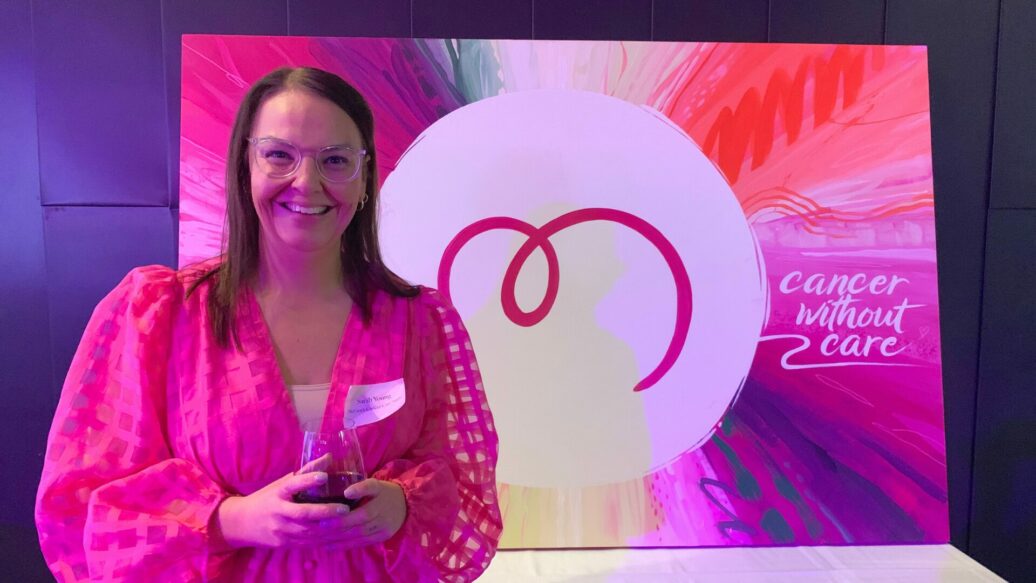
    Today, we chat with Sarah Young, McGrath Cancer Care Nurse Consultant (Breast) at Northern Hospital Epping.

    Q: Firstly, what is your coffee order?

    Medium skinny latte — but honestly, some days I’m not picky and I’ll take whatever gets me through the day!

    Q: Tell us about your role as a McGrath Cancer Care Nurse supporting people and their families experiencing breast cancer.

    As a McGrath Breast Care Nurse, my role is to provide specialised physical, emotional, and psychological support to individuals and their families who are experiencing breast cancer. From the moment of diagnosis, throughout treatment and into survivorship. I am there as a consistent point of contact to help navigate what can be an overwhelming and challenging journey.

    At its core, being a McGrath Breast Care Nurse is about being present, offering a listening ear, a comforting presence, and practical guidance during what is often one of the most difficult times in someone’s life. It’s about walking beside patients and their loved ones so they never feel alone.

    Q: What is the most rewarding, but also challenging, part of your job?

    The most rewarding, yet also the most challenging part of being a McGrath Breast Care Nurse is building a trusted relationships with patients and their families during some of the most vulnerable and emotional times of their lives.

    Being able to make a meaningful difference in someone’s life, even in small ways, is incredibly fulfilling. Whether it’s explaining a difficult diagnosis in a way that makes sense, offering a shoulder to cry on, advocating for patients wishes or simply being present when things feel overwhelming, knowing you’ve helped someone feel supported and less alone is a privilege.

    At the same time, forming those close connections means that you feel all of their emotions with them. It can be emotionally draining, especially when outcomes aren’t positive. You carry a lot, not just medically, but emotionally and psychologically and balancing that compassion with the need to protect your own wellbeing can be tough.

    Q: What does an ideal weekend look like to you?

    Most of my weekends are spent playing taxi for the kids, so my ideal weekend would be one without sports or children’s activities, just relaxing and catching up with family and friends.

    Q: Do you have a favourite travel destination, and why?

    Fiji – where the weather is always warm, the cocktails never stop flowing, and the locals greet you with a smile and “bula” every time.

    Q: If you could have dinner with anyone, living or dead, real or imaginary, who would it be and why?

    If I could have dinner with anyone, it would be my brother. Losing him when he was young left so many things unsaid, and there’s a lot I’d love to talk to him about. I’d want to reminisce about old memories, fill in the gaps of the time we missed, and hear his perspective on everything that’s happened since then.

  • Northern Health shines at ACMHN Conference

    Northern Health shines at ACMHN Conference

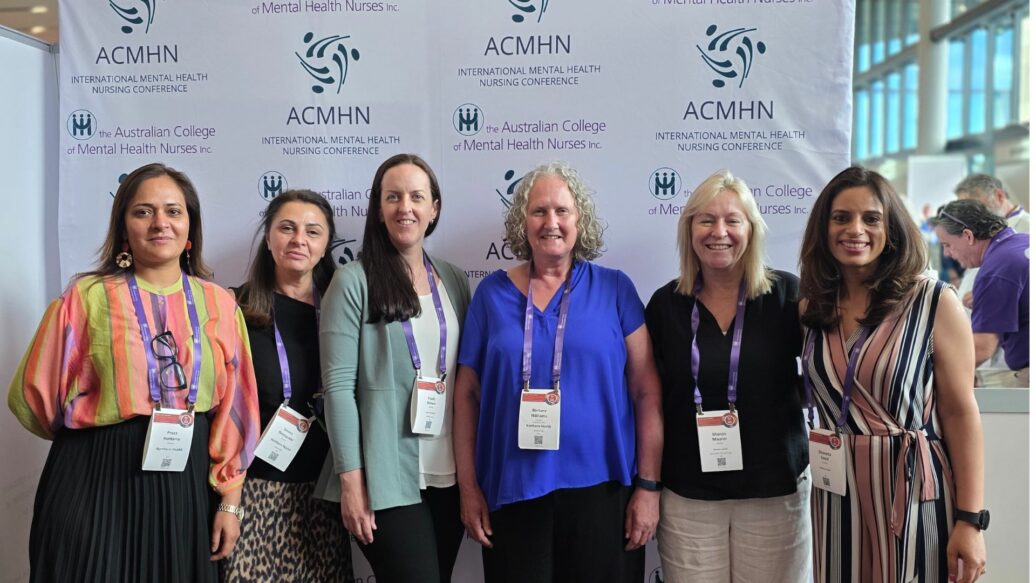
    As October marks Mental Health Month, a time to spotlight awareness, advocacy, and progress, Northern Health’s Mental Health Division made a powerful impression at the 2025 Australian College of Mental Health Nurses (ACMHN) Conference, showcasing its clinical excellence and commitment to innovation in mental health care.

    Held earlier this year, the ACMHN Conference brought together leading voices in mental health nursing from across the country and internationally. Among the standout contributors was Northern Health’s own Shaveta Sood, NUM of Northern Health’s Women’s Mental Health Unit, who received the coveted Stan Alchin Award for Best Clinical Paper – a prestigious honour that celebrates the best clinical presentation at the conference.

    Shaveta’s achievement reflects the Division’s broader mission to elevate mental health care through evidence-based practice and shared learning. Her paper exemplifies how Northern Health is actively shaping a future of mental health care that is inclusive, responsive, and grounded in real-world impact.

    Northern Health’s Mental Health Division was well represented throughout the conference. Alongside Shaveta, presenters included Barbara Williams, Sharon Maurer, Gary Ennis, and Trudy Brown. From nurse-led activity groups to integrated models of care, the Division’s contributions underscored its dedication to continuous improvement and meaningful partnerships.

    Northern Health also featured in sessions led by university partners, spotlighting a collaborative nursing undergraduate clinical placement pilot project in which the Division plays a key role.

    Belinda Scott, Executive Director, Mental Health said, “Northern Health’s Mental Health Division continues to support emerging leaders and clinical experts to showcase the wonderful work being done, proving that when we build a better future together, the results speak for themselves.”

    Shaveta Sood, Stan Alchin Award winner
  • Celebrating community kindness: Breast Cancer Awareness Month

    Celebrating community kindness: Breast Cancer Awareness Month

    “Think Pink!” is more than a slogan – it’s a rallying call during Breast Cancer Awareness Month, reminding us to honour, support, and uplift those affected by breast cancer. At Northern Health, we shine a light on two extraordinary groups whose generosity and compassion bring comfort and dignity to patients: the Whittlesea City Salvos Craft Group and Zonta District 23. Their handmade gifts – from drain tube bags to post-operative cushions – are small acts of kindness with a big impact.

    Every Tuesday morning, a vibrant group of women gathers at the Whittlesea City Church in Mill Park – not just to craft, but to care. The Whittlesea City Salvos Craft Group, with around 40 active members, creates handmade items that bring comfort and dignity to patients across Northern Health services.

    Among their many contributions are drain tube bags, used not only by breast cancer patients but also by those receiving care through Hospital in the Home (HITH). These bags are more than functional – they’re thoughtfully designed, often with cheerful patterns, allowing patients to move about with confidence.

    “The ladies from the Whittlesea Salvation Army Craft Group are like little Christmas elves,” says the HITH team. “These bags magically appear at front reception on a regular basis and our team, and our patients, are extremely grateful for them.”

    Natalie Carroll, Volunteer Coordinator, adds, “They are an amazing group of women. Anything we request is met with enthusiasm and received in quick time. They run solely on donations and the kindness of the community.”

    Beyond their craft donations, the group also raises funds through four annual stalls, supporting initiatives both locally and abroad. In 2025 alone, they funded two humidifiers for the Neonatal Ward at Northern Health—valued at $3,000.

    Joan Matthews, Craft Group Coordinator, reflects,“The Whittlesea City Salvos Craft Group takes great joy in giving back. Their work not only brings comfort and support to countless people but also fosters strong, lasting partnerships.”

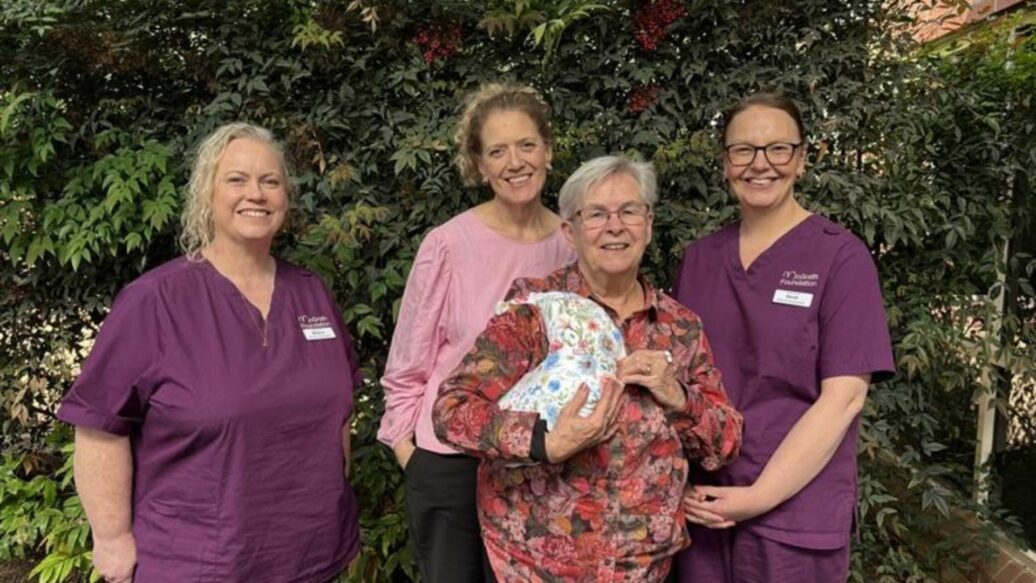
    Since 1995, Zonta District 23 has been quietly transforming recovery experiences for breast cancer patients through its Breast Care Cushion project. These crescent-shaped cushions are designed to ease post-operative discomfort, especially from seat belts and everyday movement.

    Made by volunteers – both Zonta members and community contributors – the cushions are distributed free of charge to hospitals, where Breast Care Nurses offer them directly to patients.

    Cheryl Murray, Breast Care Nurse Consultant, shares, “One of the most common remarks I receive is how comfortable and comforting the Zonta cushions are. Patients are happy to choose a turban or knitted beanie to help with hair loss or the seat belt cushion to protect their scars.”

    Mel Gwynne, Nurse Unit Manager for Oncology and Medical Day Unit, echoes the sentiment, “The donations from these groups are very special for our patients. As soon as we receive the items, they are picked up by patients very quickly! A very big thank you for all your hard work – we all appreciate you.”

    Together, the Whittlesea City Salvos Craft Group and Zonta District 23 exemplify the power of community-driven care. Their contributions – whether a handmade cushion, a cheerful drain bag, or a warm turban – offer not just physical comfort, but emotional reassurance to patients navigating cancer treatment.

    The Whittlesea City Salvos Craft Group


    Main image shows from left to right: Melanie Bullock, McGrath Cancer Care Nurse (Advanced Breast), Cheryl Murray, Breast Care Nurse Consultant, Renate McDonald (Zonta, Western Melbourne) and Sarah Young, McGrath Cancer Care Nurse Consultant (Breast).


  • Celebrating International Translation Day

    Celebrating International Translation Day

    September 30 marks International Translation Day, a global celebration recognising the vital role translators and interpreters play in connecting people and communities across languages and cultures. 

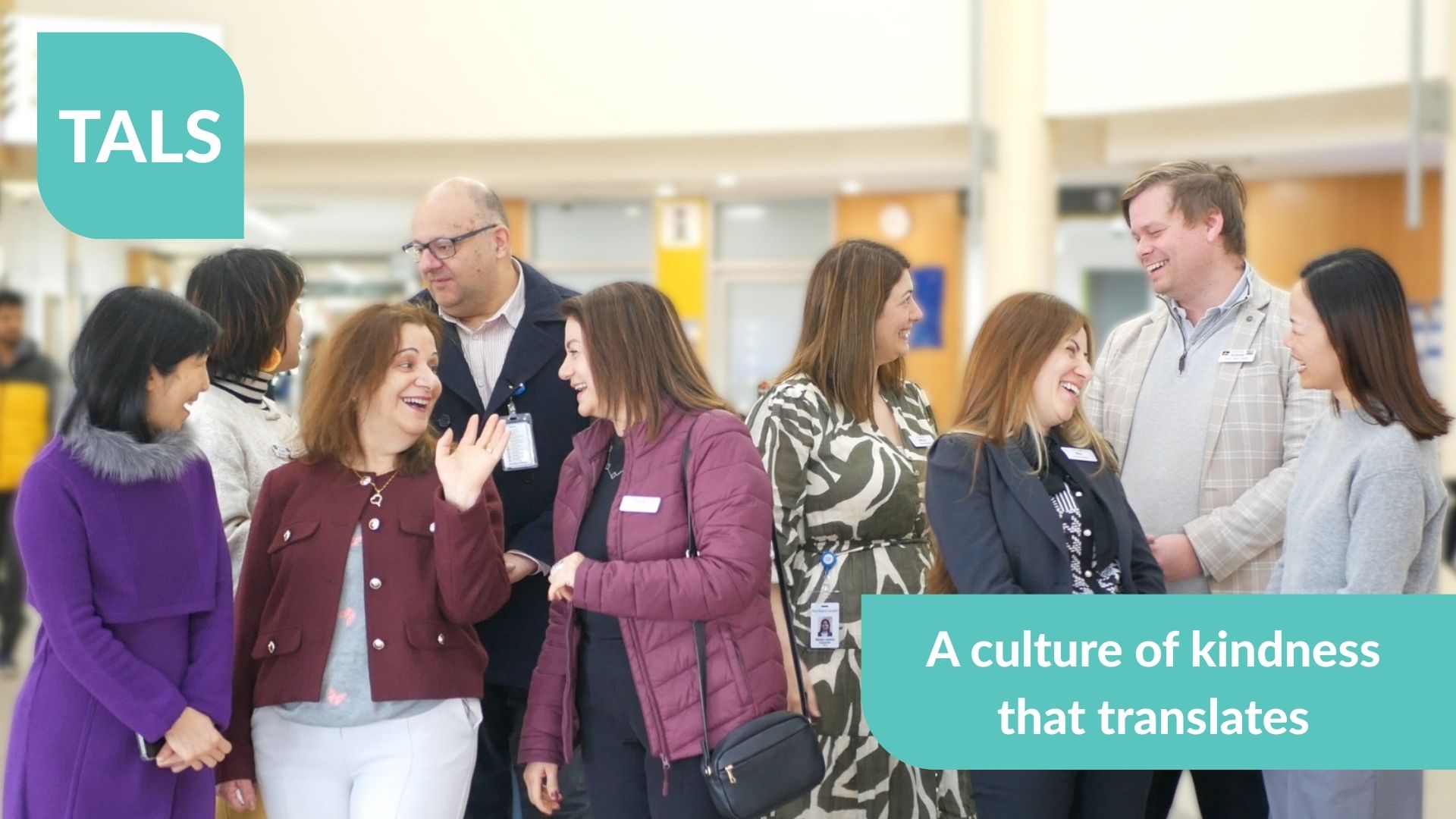
    At Northern Health, our Transcultural and Language Services (TALS) team ensures that patients and families from diverse backgrounds can access safe, high-quality care in their preferred language. From interpreting at the bedside, to translating health information, to providing education and training for staff, TALS is central to making care equitable and inclusive. 

    But it goes deeper than that. There is a genuine feeling of camaraderie and kindness among the members of this team that overflows into their interactions with patients and colleagues alike.  The expertise of our interpreters and translators, the importance of culturally responsive communication, and the role of TALS in supporting staff to work effectively with our multicultural communities is showcased in the video below. 


    Perhaps the best way to understand the impact of TALS is through the voices of our staff: 

    Imad Hirmiz, Arabic/Assyrian/Chaldean Interpreter and Translator emphasised: “Interpreters are not simply language aides, they serve as cultural bridges in the room. They interpret the meaning between the lines, conveying cultural beliefs and emotions that might otherwise be missed. It’s incredibly rewarding to see a patient’s smile when I greet them in their own language. That simple connection says so much”. 

    Luyuan Chen, Mandarin Interpreter and Translator, reflected: “After an interpreting session for a female patient in her 70s, I heard her saying to her daughter: ‘You don’t have to take time off work to take me to the hospital in future. I’m comfortable to attend my appointments with the assistance of the interpreters. They are very helpful!’ I feel that we are making the world a better place by the work we do here.”  

    Ines Rizkalla, Arabic Interpreter and Translator shared: “When you learn a language, you do not just learn how to communicate with someone. You gain a very deep understanding of how their culture operates. Language and culture are inseparable therefore if you do not understand the language, much of the culture can get lost in translation. We pride ourselves to be linguistic and cultural professionals.” 

    Kostas Karamarkos, Greek Interpreter stressed “Interpreters are an essential component of the treatment team. Clinicians cannot control or ensure accurate transference of their message, and patients won’t be able to comprehend it, unless a professional interpreter is involved in the consultation.” 

    Marjan Jowkar, Persian Interpreter and Translator, shared: “Imagine waking up one day without a voice and heading to an important appointment only to find your voice again right when it matters most. That’s what professional interpreters do, and that’s what I’m proud to be the voice that restores dignity, trust and clarity in patient care.”  

    Raghad Habash, Arabic Interpreter, added: “Interpreting is so fulfilling. For me, it’s a chance to keep learning every day. And with that comes the drive to give my very best and make a real difference.” 

    Stefania Zen, Education and Engagement Manager, concluded: “At Northern Health, health equity is at the heart of what we do. Through TALS, we ensure that every patient, no matter their cultural or linguistic background, has the same opportunity to understand their care, make informed decisions, and feel respected and included.” 

    On this International Translation Day, we thank our TALS staff for their dedication, professionalism, and commitment to ensuring that language is never a barrier to care. 

  • ISS expands inclusive employment through Hume SEED Program partnership

    ISS expands inclusive employment through Hume SEED Program partnership

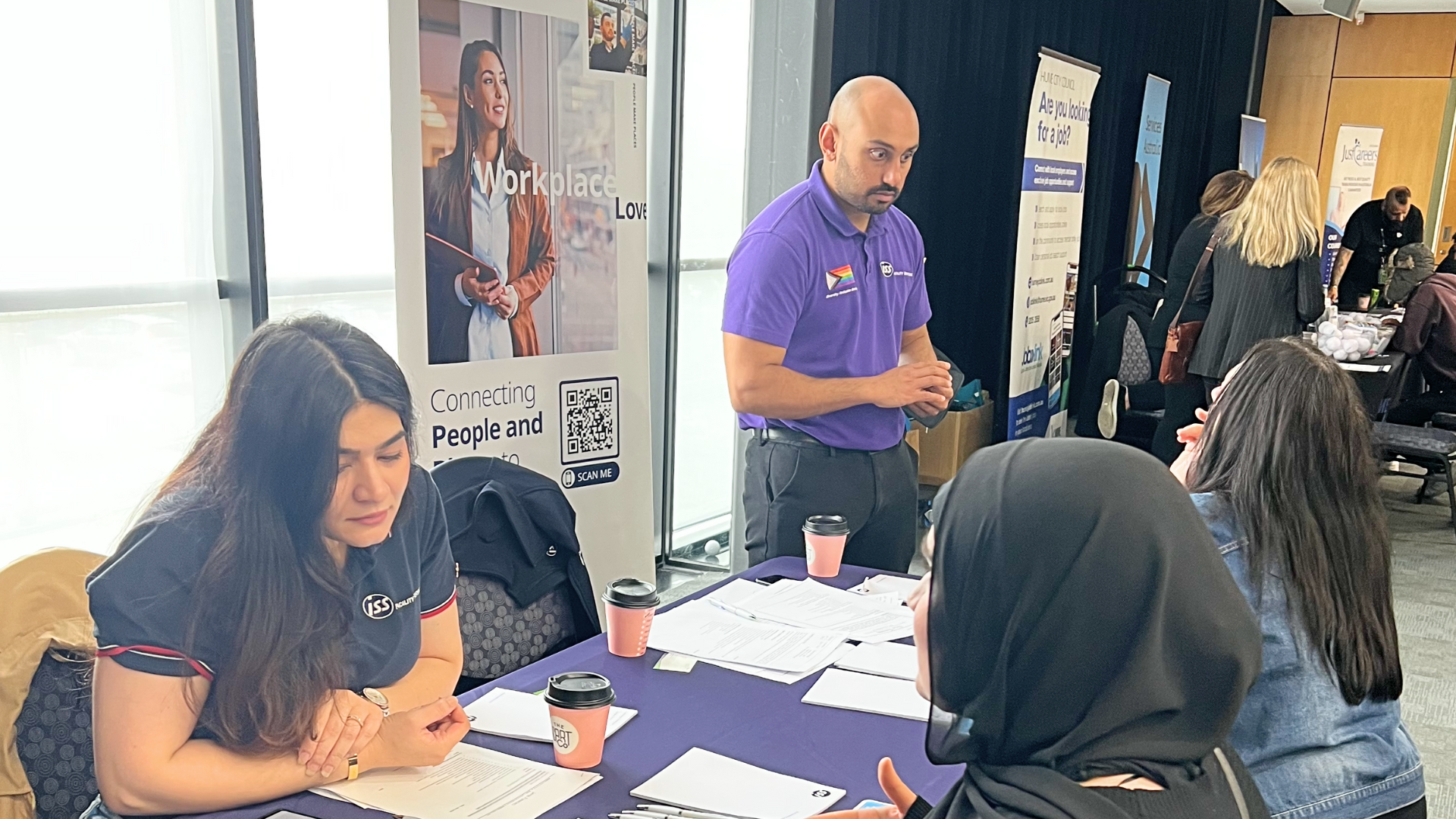
    At Northern Health, we’re proud to see our partner ISS continuing to grow their inclusive employment initiatives through the Hume SEED Program in collaboration with Hume City Council.

    Building on the success of ISS’s inclusive jobs program at Northern Health, this new partnership is creating even more opportunities for local people. By providing hands-on experience, training, and employment pathways, ISS is opening doors for job seekers and strengthening both its services and the wider community.

    Through the Hume SEED network, ISS and its partners are working to:

    • Use local and social procurement
    • Promote inclusive employment practices
    • Support sustainable employment pathways for priority job seekers

    Rick Garotti, Deputy CFO, Northern Health, said, “It is terrific to see ISS building on their successful inclusive jobs program with Northern Health by expanding the partnership with Hume City Council’s SEED program.”

    Saj Amerasinghe, Key Account Manager, Northern Health, added, “Partnerships that matter most are those that strengthen both business and community. Through the Hume SEED Program with Hume City Council, and in collaboration with Northern Health, ISS is proud to create employment pathways, drive social procurement, and support inclusive opportunities for local job seekers. Together, we’re building sustainable outcomes and making a difference right here in our community.”

    The collaboration has already seen positive results, with a recent job fair serving as a strong first step in connecting with the local community.

    ISS and its partners are continuing to explore more opportunities for candidates across ISS contracts in the Hume City Council area.

  • World Pharmacists Day

    World Pharmacists Day

    On World Pharmacists Day (25 September), we acknowledge and celebrate the essential contributions of all pharmacists to our health system. Within our hospital, pharmacists play a critical role in ensuring the safe and effective use of medicines, supporting clinical teams, advancing research, and improving patient outcomes.

    Their expertise and commitment are integral to delivering high-quality care to our community. We extend our sincere thanks to all pharmacists for their dedication to excellence in healthcare.

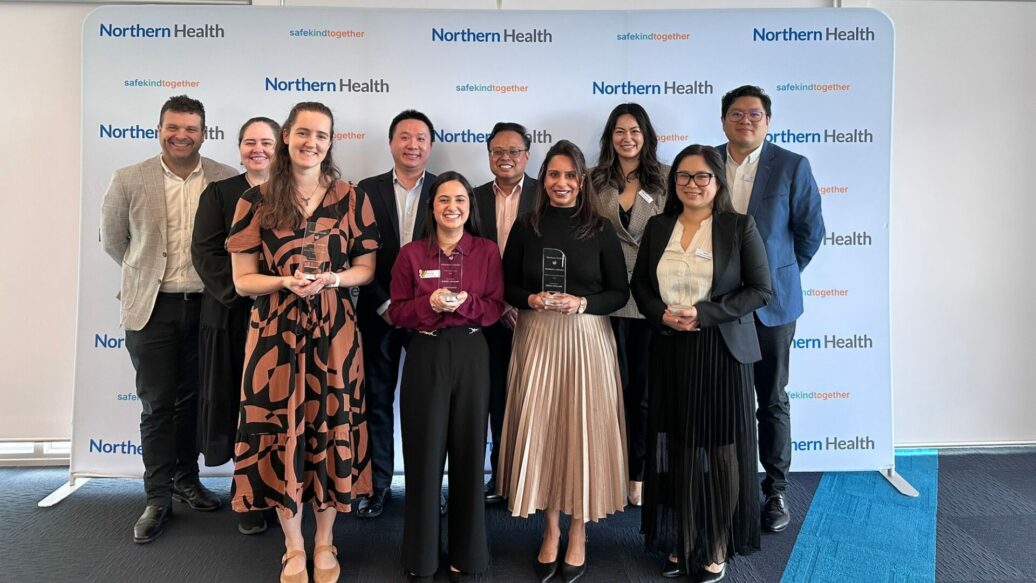
    Some of these dedicated professionals have been recognised as this year’s recipients of the pharmacy awards, held earlier this month.

    Simon Huynh was awarded the Clinical Excellence Award, recognising his clinical leadership through his unwavering commitment to safe, evidence-based anticoagulation management.

    Ginny Dhillion received the award for Impact and Innovation with her contributions as the education pharmacy technician who consistently brings fresh ideas and practical solutions to enhance staff learning and development.

    The Early Career Award went to Sherry Ibrahim for demonstrating exceptional capabilities with independently managing a fast-paced and complex ward confidently and consistently ensuring high standards of patient care.

    Tam Huynh was recognised for her leadership as the recipient of the Leadership Award, with her work in leading crucial operational and inventory management activities and not afraid to step up above and beyond what is expected of a leader.

    The Christine Herd Northern Health Values Award was awarded to Emma Hatherley in recognition for her work as an Education Pharmacist with her approach to training and development of staff across the department.

    The Northern Health Pharmacy team were also recipients of the 2025 Advanced Pharmacy Australia AdPha (Victorian Branch) award for Team Innovation and the Young Achiever Award.

    The Team Innovation Award was awarded to Northern Health’s Stewardship Programs, a system-wide pharmacist-led initiative integrating antimicrobial, anticoagulation, analgesic, and transitions of care stewardship. Through strong governance, data-driven strategies, and collaboration, the Stewardship Programs have delivered measurable improvements in the safe and effective use of medicines, setting a benchmark for sustainable, high-quality patient care.

    Uyen Hua – Lead Pharmacist – Digital Health and Innovation, was the recipient of this year’s William Mercer Young Achiever Award for her significant digital health initiatives to improve medication safety and efficiency, including optimising electronic medical record systems, implementing an electronic controlled drug register, and developing tools to reduce discharge errors.

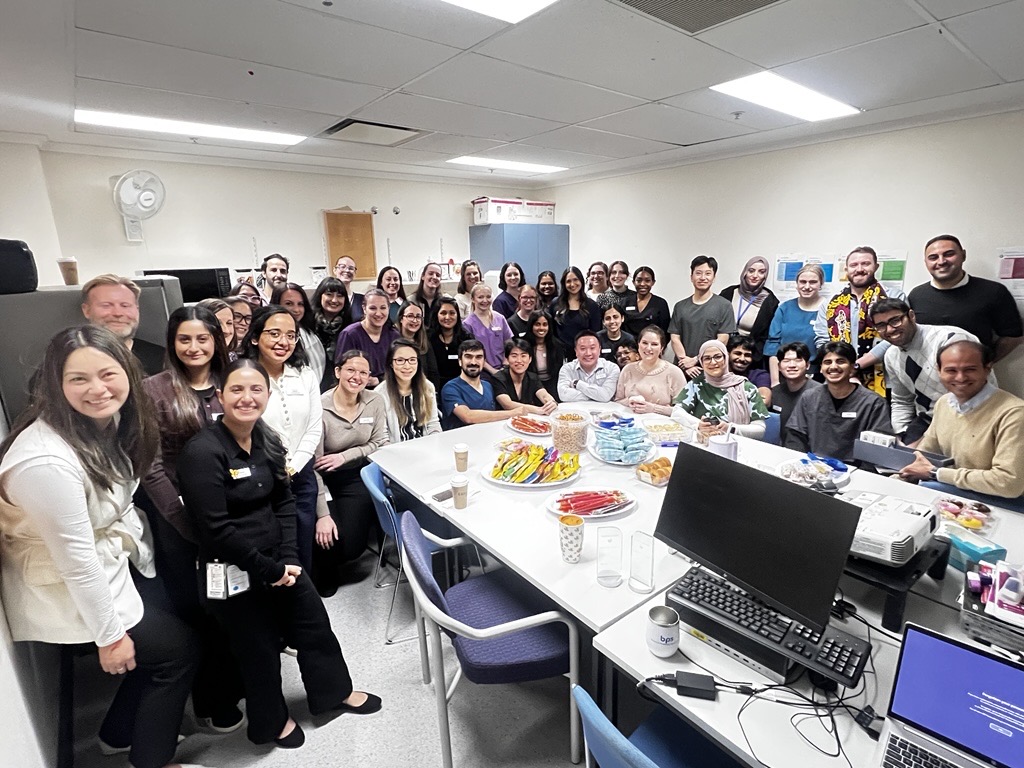
    Congratulations to all the award winners! The Pharmacy Department also celebrated today with a morning tea.

    Featured image: Award winners at the Pharmacy Awards earlier this month.

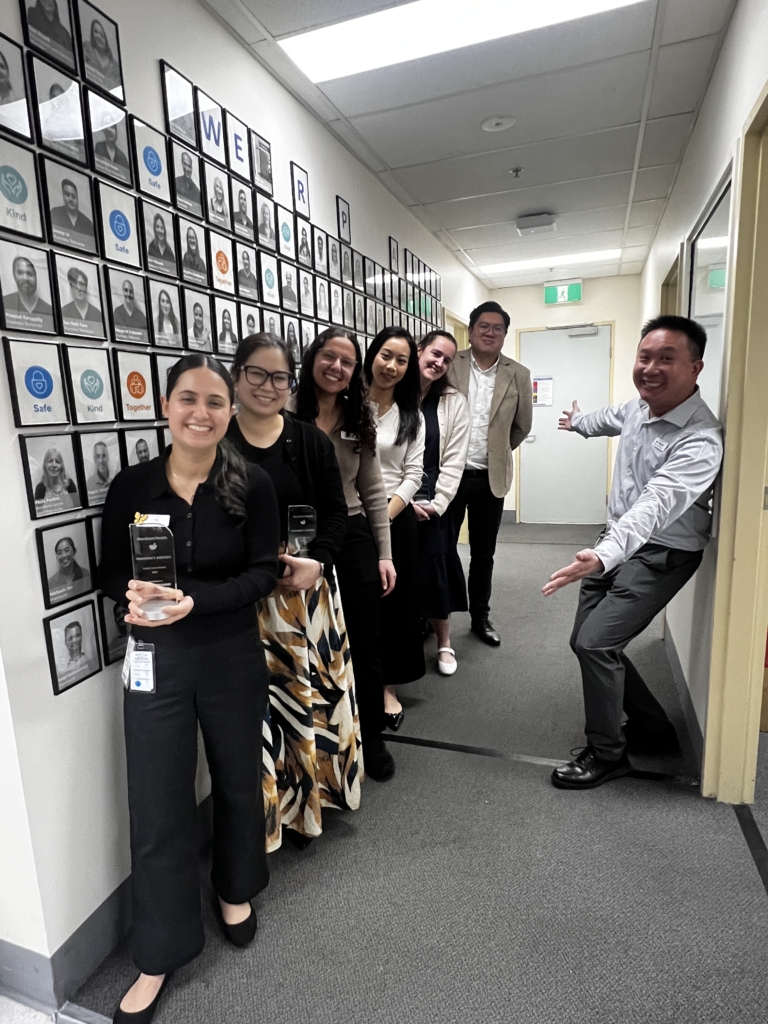
    Award winners
    World Pharmacists Day morning tea